Key Highlights
- Indian food is undergoing a marked shift, one that is evident across restaurants and bars
- Indian bars are rolling out food-friendly beverage programmes, alongside mezzes, grazing menus and more to suit large groups that include both vegetarians and non-vegetarians
- More than purchase managers, chefs are now taking centre stage and asking more ethical questions about their produce and the ingredients they are cooking with
- While Michelin has not arrived in India yet, chefs are increasingly taking a step in the right direction by building relationships with farmers, fishermen and artisans, redefining what professional cooking looks like in the country
- The Indian diaspora in Australia can also see this change in Indian restaurants, where menus are becoming more regional and ingredient-driven
For the Indian diaspora in Australia, food is often the most comforting connection to home. It’s how India is remembered and understood by the world beyond its borders. And as we lean into the first month of 2026, it feels like we’re standing at an interesting crossroad in Indian food and hospitality. Not a dramatic reinvention, but a very real shift in how we eat, drink, socialise and think about food itself.
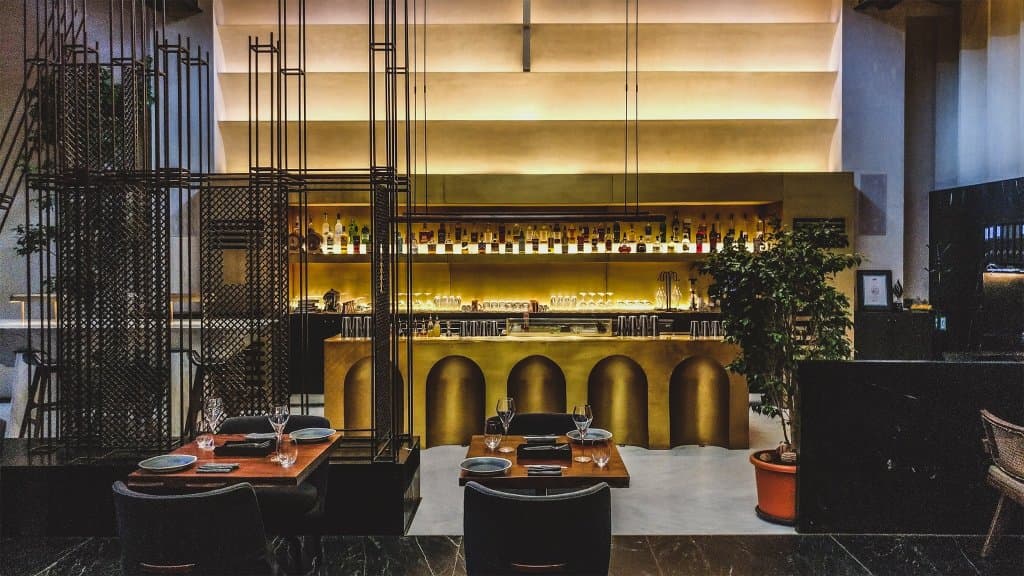
One of the clearest changes over the past year or so has been the continued desi-isation of everything, particularly in bars. Indian bars are no longer borrowing ideas wholesale from London, New York or Barcelona. Instead, they’re absorbing those ideas and filtering them through a distinctly Indian lens. The result is something more confident, more expressive, and far more relevant to how people here actually want to spend their evenings in modern times.
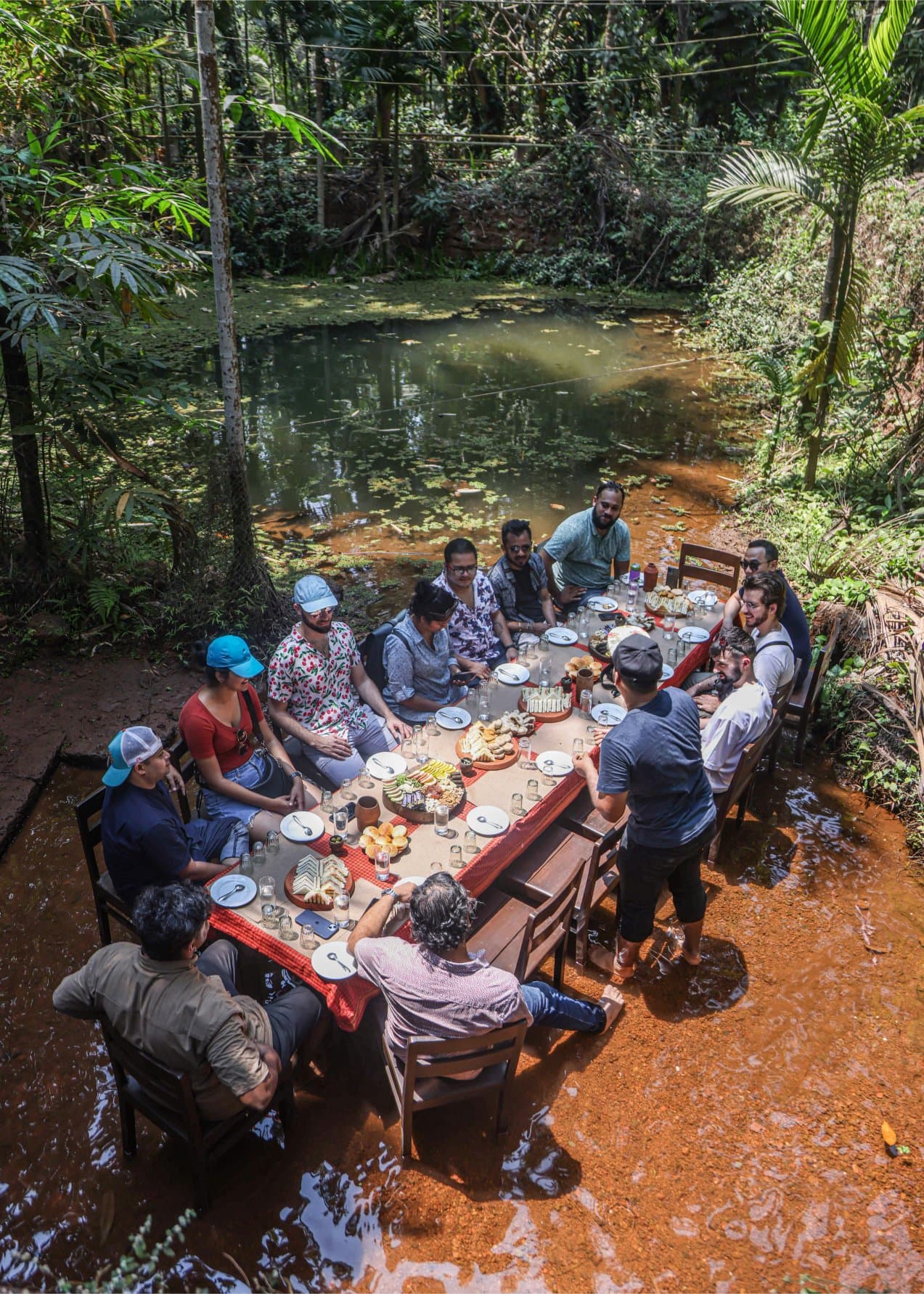
In many ways, bars have become the new restaurants. Fewer people want to sit in front of a plate of food and eat an eight-course meal over two hours. What they want instead is movement, conversation, and energy. They want to mix and mingle, eat little bits of many things, dip in and out of flavours, and share plates across the table. Tapas, mezze, grazing menus – call it what you will – the format may be global but the logic is deeply Indian. It suits groups that include vegetarians and non-vegetarians, and it mirrors how Indians have always eaten at home. Informally, together and with variety.
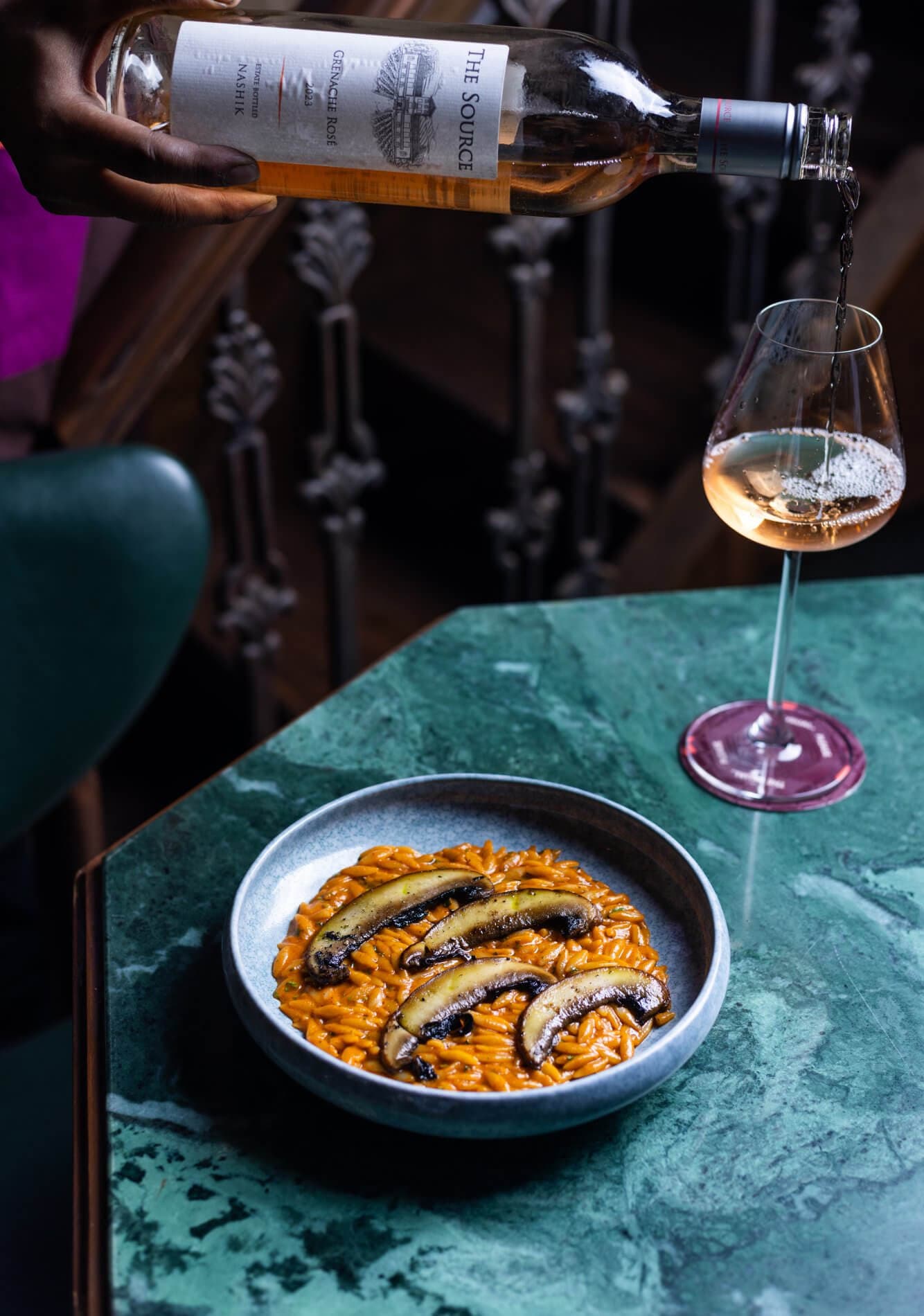
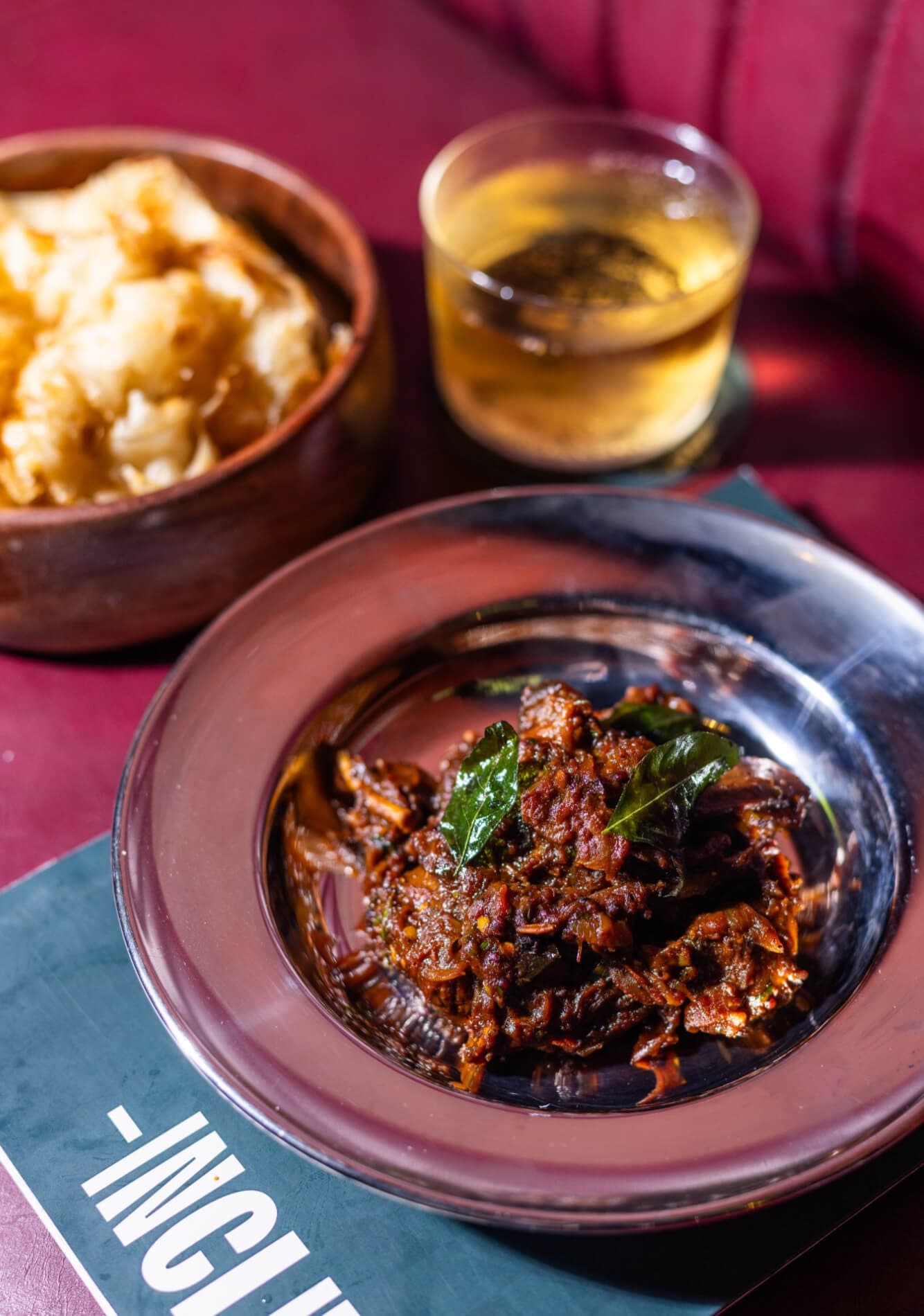
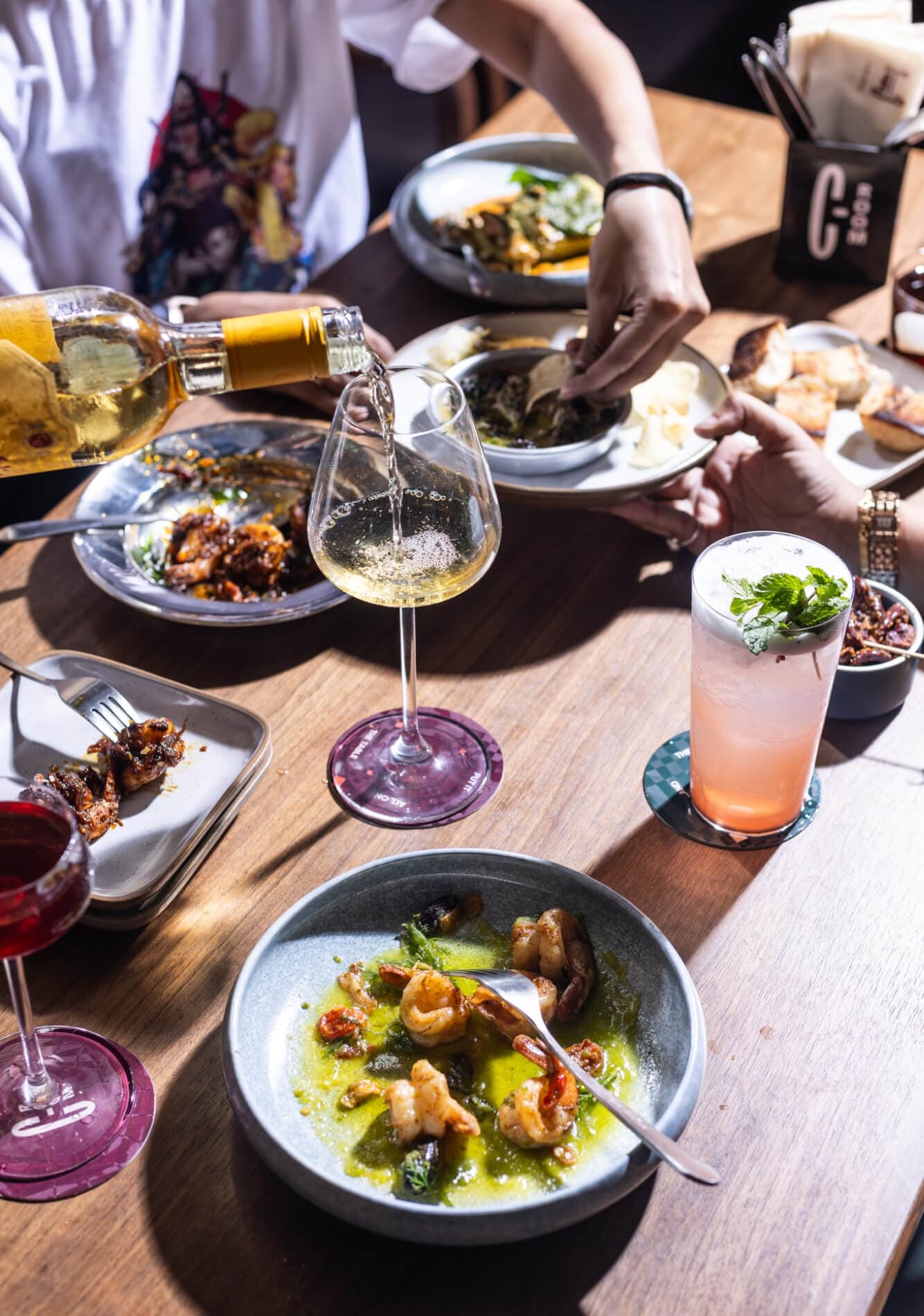

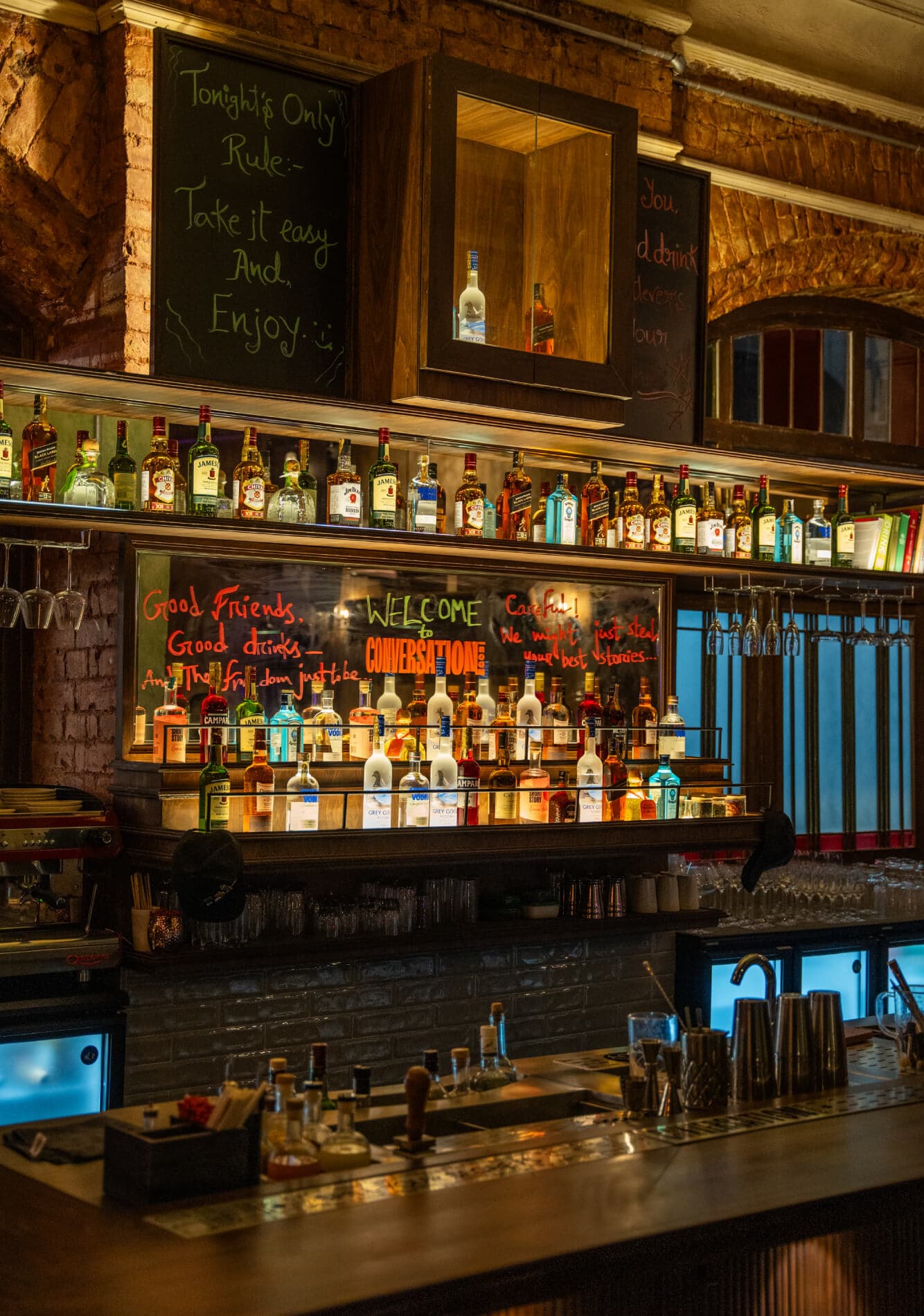
Alongside this shift is a new generation of bartenders – professionals who understand balance, restraint and how drinks should sit alongside food rather than compete with it. There are obviously some hits and misses along the way. While excess still exists – there are still too many overly sweet cocktails or paint stripper-style picantes that get thrust in front of me – beverage programmes overall are becoming cleaner, lighter, more food-friendly and more thoughtful. Less theatre for theatre’s sake, more intent.
Thankfully, we’re also seeing a quiet retreat from excess on the plate. Fewer froths, foams, tweezers, bells and whistles. Less distraction, more clarity. Technique is still there but it’s no longer screaming for attention. The focus has returned to flavour, texture and generosity, which is exactly where it belongs.
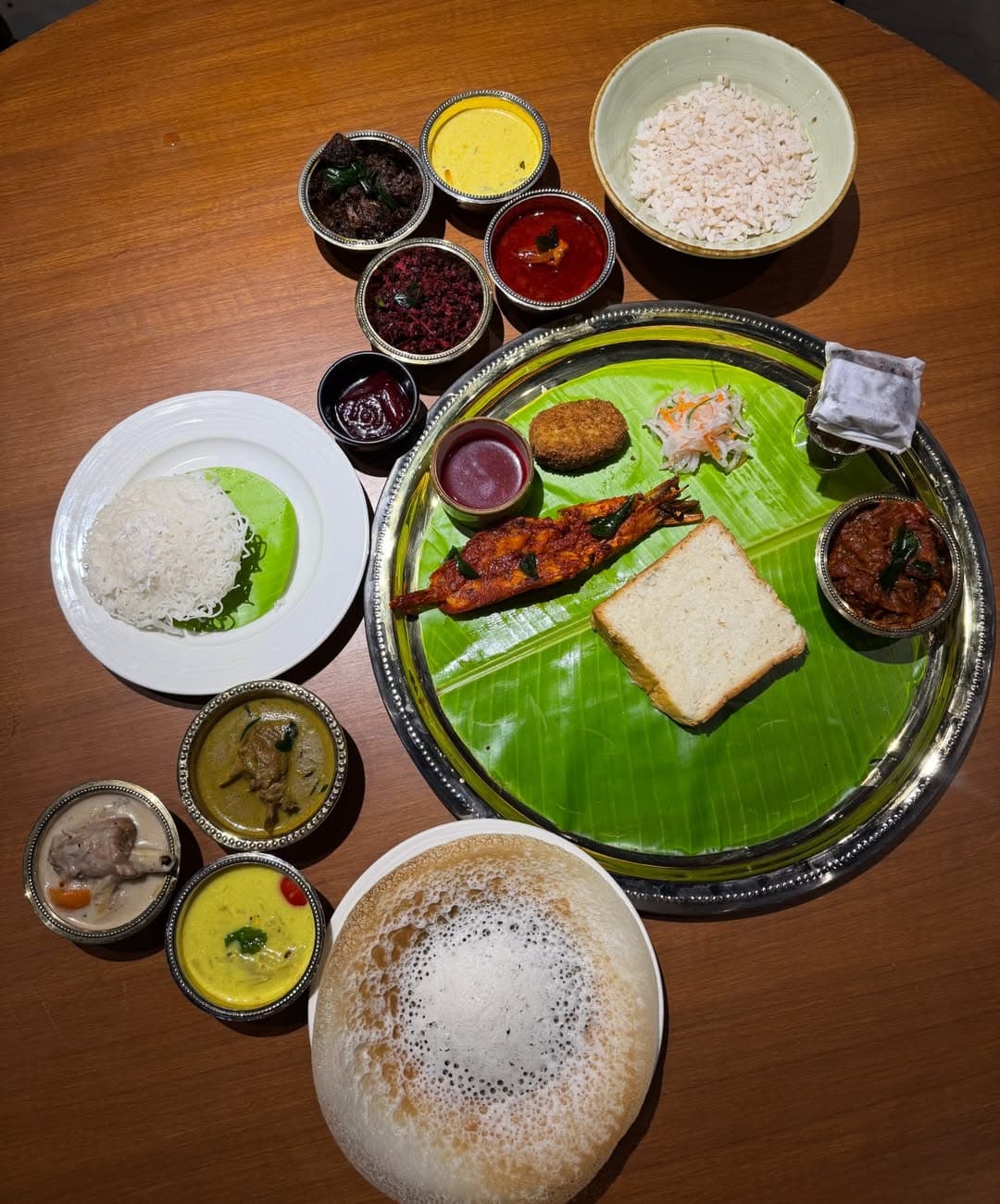
Restaurants, meanwhile, are undergoing a quieter but perhaps more meaningful evolution. Over the past few years, we’ve seen a genuine move towards hyper-local cooking. Not the buzzword version of farm-to-fork, but the real thing. Chefs are finally stepping out of supplier lists and purchase orders and asking proper questions – where does this come from, who grows it, who fishes it, who raises it?
For decades, sourcing decisions in India were driven by purchase managers, accountants and even owners. Chefs were often several steps removed from the ingredients they cooked with. That is changing and it’s long overdue. This is the moment for chefs to shine not just creatively, but intellectually and ethically.
This also explains a question I’ve been asked countless times. Why hasn’t Michelin come to India yet? The answer is simpler than many would like. Michelin places huge importance on provenance. It wants to know the story behind ingredients, especially vegetables, livestock, fish and seafood etc. If you don’t know where your produce comes from, if your menu can’t explain that journey, then you’re not playing the same game. That’s not criticism, it’s reality for top-end food and restaurant awards. And India is only now building the systems, relationships, and documentation that such scrutiny demands.
The encouraging part is that young chefs are braving this shift, often without safety nets. Sometimes alone, sometimes with strong teams behind them. They’re building relationships with farmers, fishermen and artisans and slowly redefining what professional cooking in India can look like.
Service, too, has improved dramatically in just the last five years. Once the Achilles heel of Indian hospitality, it’s now an area of genuine pride. Owners are investing more time, effort and energy into training programmes. Managers are emerging as true leaders rather than supervisors. Dining rooms feel calmer, teams more confident, more welcoming, more hospitable.
Perhaps, most exciting of all, is the calibre of individuals shaping the industry – restaurant managers, bar managers, chefs, bartenders and service staff. People flying a flag for better standards and better experiences. They represent something important.
For the Indian diaspora in Australia, this evolution is already visible in Indian restaurants. Menus are becoming more regional and ingredient-driven, and Indian food is being positioned as refined rather than merely comforting.
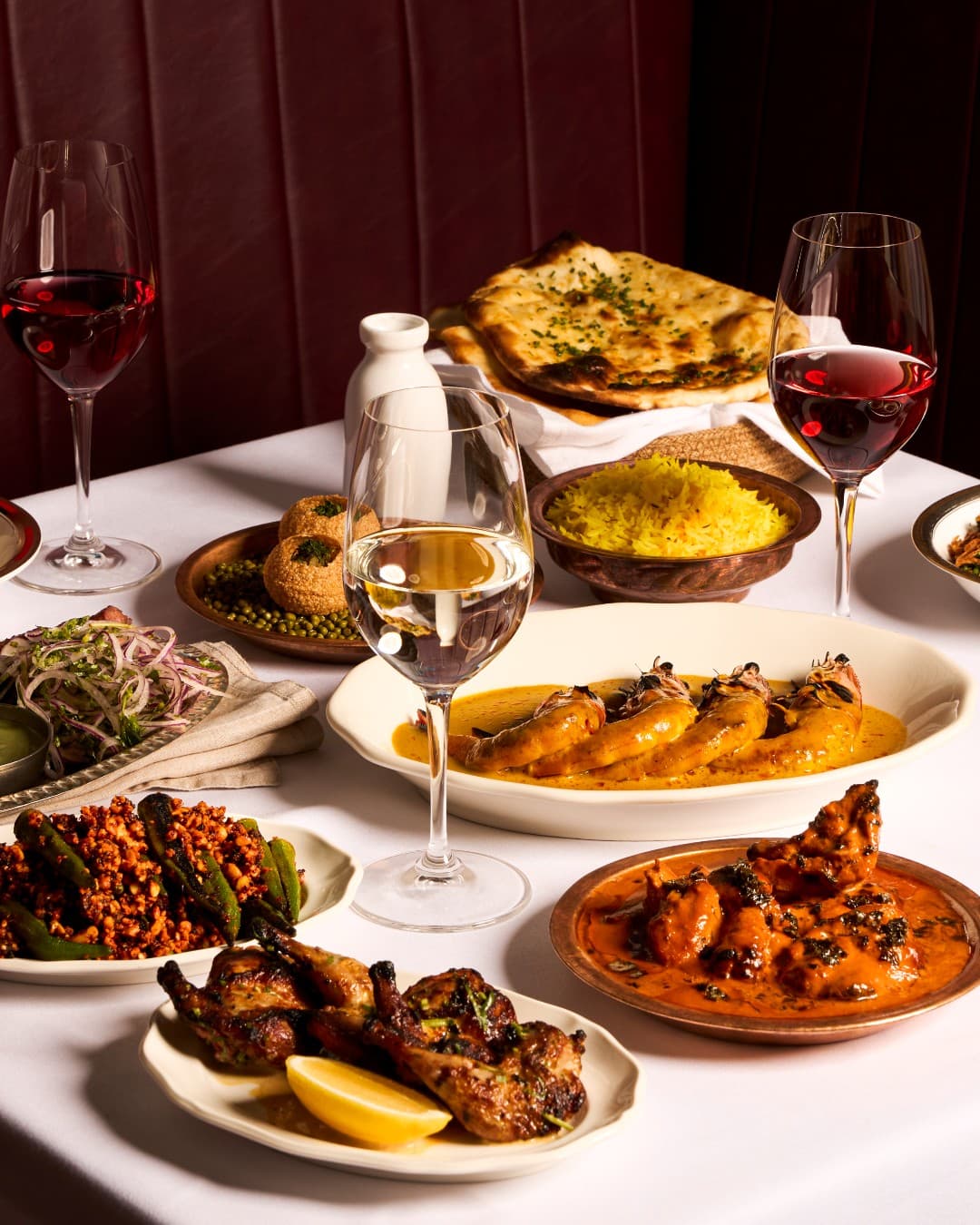
As we step into 2026, it feels clear that this is still the beginning. India is at the start of a ten-year rapid change curve. Not just in food and drink, but across creative industries as a whole. The foundations are being laid now. If India continues to ask better questions, respect its ingredients and trust its own voice, the future won’t just be promising, it will be transformative. The impact will travel far beyond its borders.
For those watching India from afar – and for those carrying it with them – this is a moment worth paying attention to.
Are there Michelin-star restaurants in India?
No, Michelin has not arrived in India yet. Michelin places huge importance on provenance and the specific tracking of ingredients, and India is currently in the process of building the necessary systems, relationships, and documentation for such scrutiny.
What are some unique food experiences in India?
Unique experiences include the 'Floating Feni' experience in Goa by the Vaz family, regional feasts like the Theenmura (Kerala) at Kappa Chakka Kandhari, and the vibrant bar-dining culture at places like Conversation Room in Kolkata.
Is Indian hospitality good?
Yes, service standards have improved dramatically in recent years. Training programmes and a move towards genuine pride in hospitality have made dining rooms calmer, teams more confident, and the overall experience significantly more welcoming.