Key Highlights
- Sanjeev Kapoor is a Padma Shri awardee, who is known for hosting Asia’s longest-running TV cooking show and authoring more than 200 best-selling cookbooks
- Sanjeev Kapoor’s first encounter with Australia was In 1989, when he was on his way to New Zealand (NZ) on work and his flight was routed via Sydney
- When the Australian government selected 35 people globally for the ‘Friends of Australia’ title, Sanjeev Kapoor was among them.
- In Australia, Indian food is most associated with Butter Chicken, whereas in the UK, it’s Chicken Tikka Masala.
- Luxury can be about demand and supply - for example, saffron from Kashmir is twice the cost of Iranian saffron because it’s scarce and Guchhi mushrooms are harvested in March and April, on a night when it is likely to rain, and if there is no thundering, it will not be harvested.
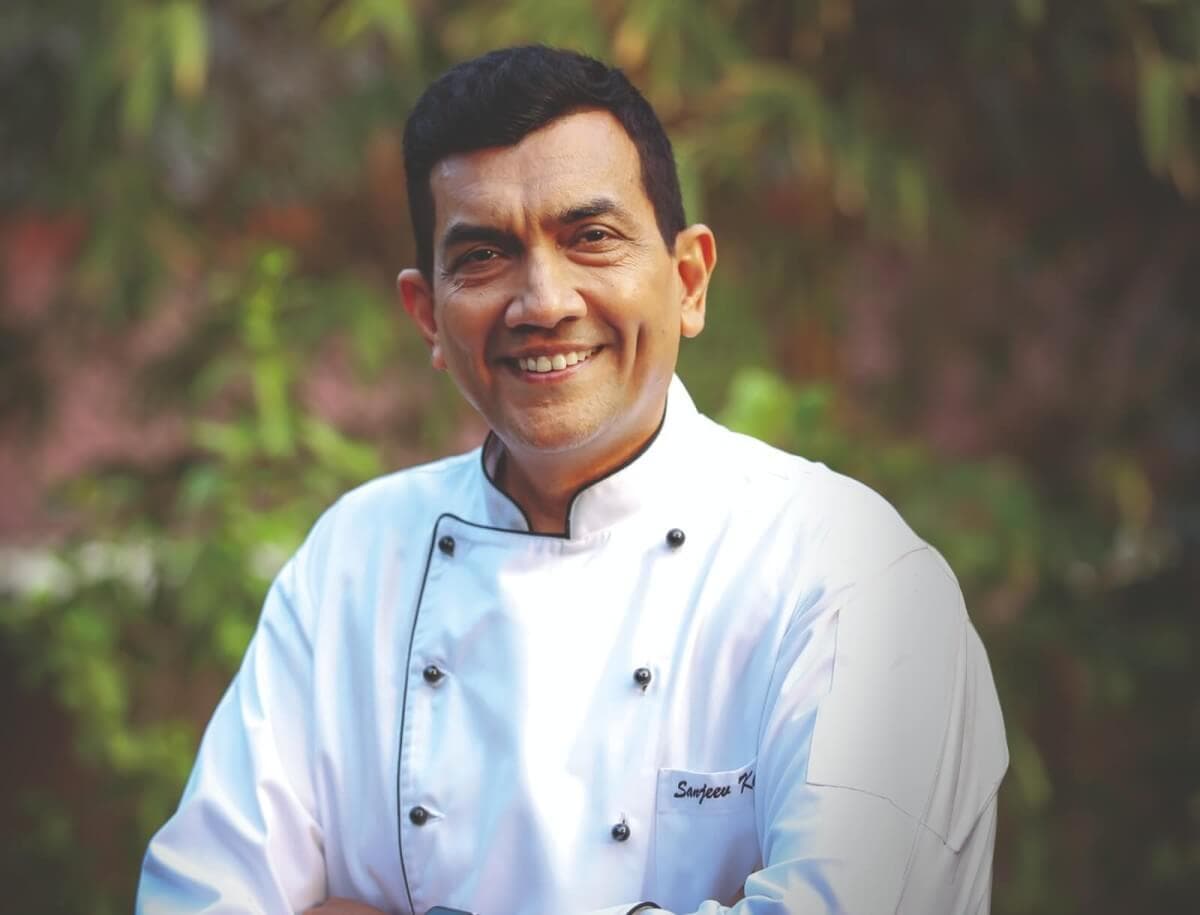
Padma Shri awardee Sanjeev Kapoor’s real influence lies beyond hosting Asia’s longest-running TV cooking show and authoring more than 200 best-selling cookbooks. It lies in how Indian food has travelled from the household kitchen to global menus, from bubble-wrapped bottles of masala cushioned between clothes in suitcases to mainstream shelves of supermarkets. As Indians migrated to different countries, their food followed, as comfort, then as curiosity and finally, as influence.
In this DOT.in conversation, celebrity chef Sanjeev Kapoor talks about his journey of taking India global, the responsibility that comes with it, the language of luxury in food and its soft power.
When you travel today, which part of India do you carry with you the most?
My thinking, my value system, what I believe India is and how it should be represented. How people perceive India and the influence I have on that perception. I don’t need to be travelling to carry India with me; it’s something I do all the time. It’s who I am, how I think, how I feel. The way I think about the culture of India, its food, business, the language and music of India and Indians at large. You cannot isolate yourself from who you are.
Message for DOT.in: I’d like to wish all the readers the very best, and DOT.in great success. May its reach be much more than anyone imagines.
What is your earliest memory of Australia?
In 1989, I was on my way to New Zealand (NZ) on work. There was no direct flight so it was routed via Sydney. I realised the neighbouring countries of Australia and NZ shared an amusing relationship when a shop at the Sydney airport had a tea towel for sale that read: ‘There are 80 million sheep in New Zealand; 3 million of them think they are humans’. This was my welcome to Australia.
How did your relationship with the country grow?
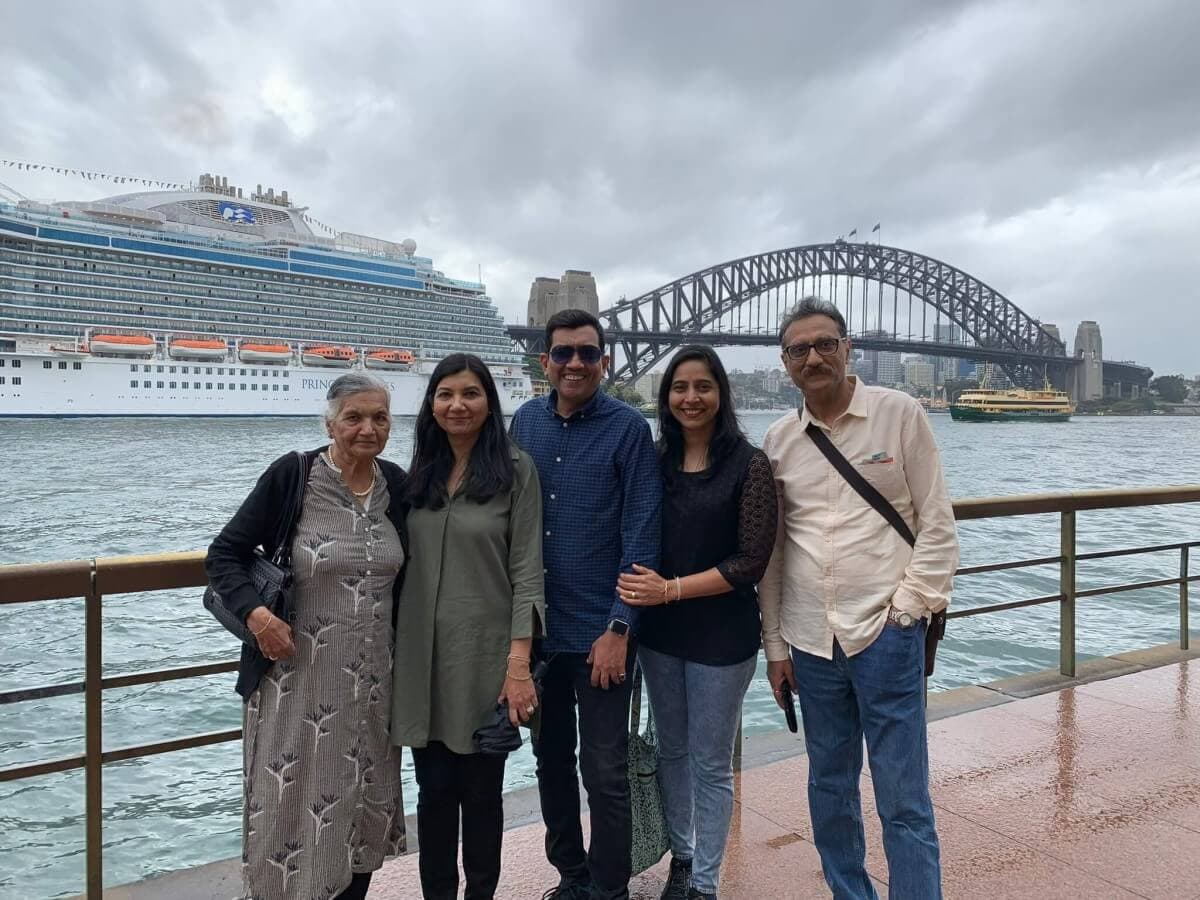
The next couple of years, I lived in NZ and understood Australia better. Around 25 years ago, my wife’s sister moved to Sydney with her family. We visited them often. Around 2016, we also did a show titled Out of the World Australia which was a great success. Australia Tourism started to work with us closely, and the Australian government selected 35 people globally who have been given the title of ‘Friends of Australia’, of whom I am one.
You’ve spent years helping the world learn and understand Indian food. How has that graph evolved?
It’s a slow progression. We often like to believe things are moving rapidly but change takes time. It’s not that the pace is slower than anything else. This is just how evolution works.
How have you seen the Indian diaspora in Australia change over the decades?
Two decades ago, because of my field, I knew many chefs and hospitality folks who moved to Australia. Gujaratis traditionally migrated here too, many from east Africa. And in recent times, there’s been movement from southern India. Naturally when people migrate, nostalgia follows. You start to see what they miss, what they desire. Those needs create business opportunities. In that sense, it’s no different from anywhere else in the world.
At what point do the numbers turn into influence?
Indians haven’t just grown in numbers; they’ve succeeded. And success leads to influence. I remember reading, early last year, a front-page story in one of Melbourne’s biggest newspapers, that said Singh has become the top surname in Victoria, overtaking Smith. That is reality.
When you eat Indian food in Australia today, what strikes you the most?
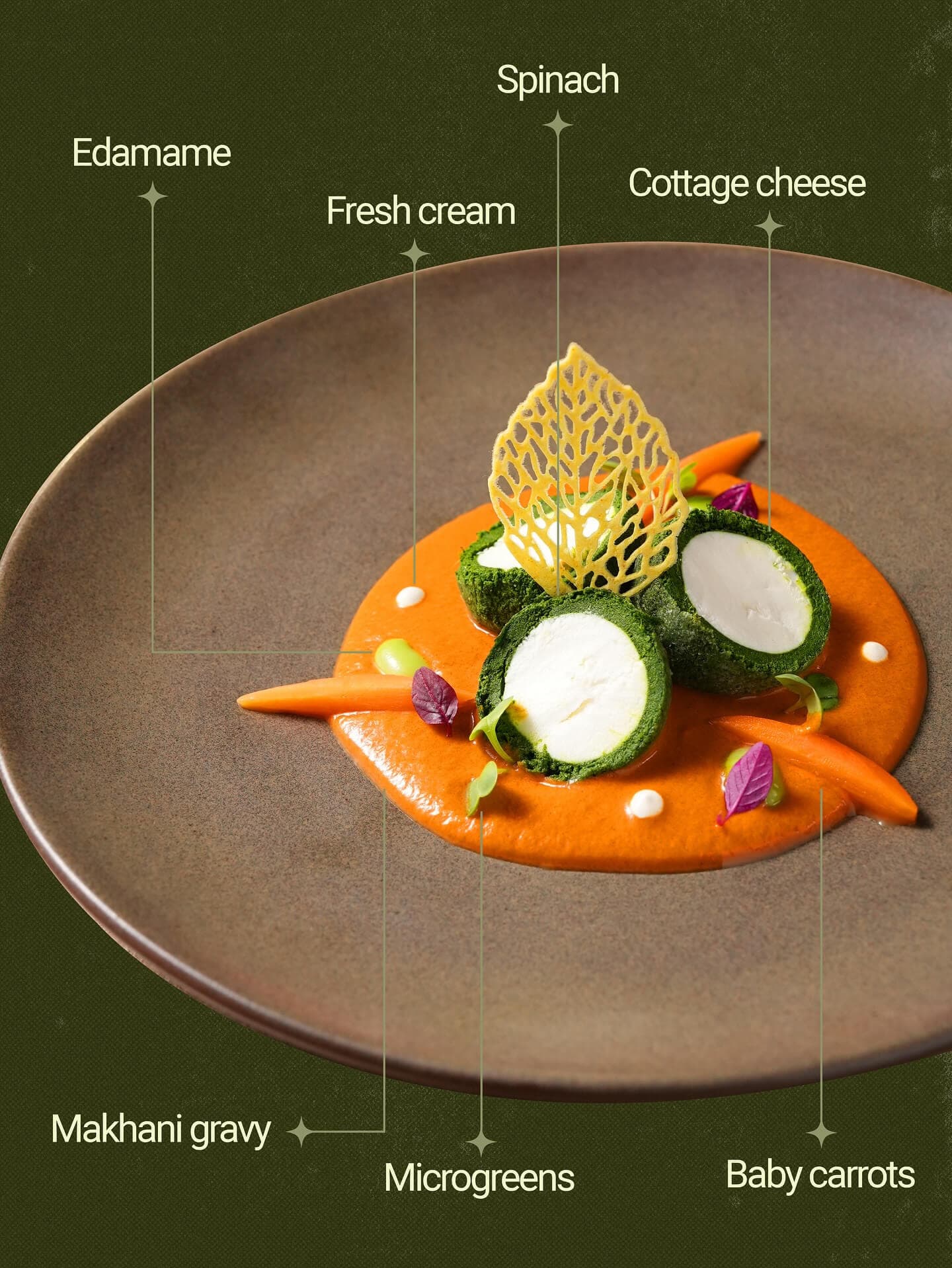
People are seeking authenticity. Not just south Asians (the Indians, Pakistanis, Bangladeshis and Nepalis) but Australians from all cultures. They’re seeking authenticity in restaurants and through products.
Why do certain dishes become cultural shorthand?
Because food today is cultural currency. In Australia, Indian food is most associated with Butter Chicken, whereas in the UK, it’s Chicken Tikka Masala. That said, regional flavours and ingredients are gaining ground, and knowledge of Indian cuisine is expanding. But it’s still the beginning.
BRAND, BUSINESS AND THE INDIA WAY
What is your understanding of the Indian food market in Australia?
There are two markets: one caters to core Indian consumers, the other addresses a broader audience interested in Indian flavours. Indian grocery stores, which are small mom-and-pop stores, often try to recreate India — it’s like carrying the Taj Mahal to Paris and not seeing the Eiffel Tower. The larger market share, however, is being captured by supermarkets like Coles, which offer a holistic taste of India. They focus on the broader Indian appeal, keeping everyone’s tastes in mind.
With Arth, did you feel the responsibility to put “India” on the supermarket shelf?
Food is culture and culture is defined by food, so it works both ways. Food isn’t just a dish; it’s ingredients, history and logic. For example, if the world is talking about haldi (turmeric), it’s a cooking ingredient that can go into personal care when used as an antiseptic. It’s part of the haldi ceremony at Indian weddings. When we communicate about Arth, we talk about these layers. The kind of vessels we use in videos, the music we choose, the festivals we reference — it starts to sink in. When we speak about Makar Sankranti or Diwali, we’re not speaking only to Indians. We’re inviting everyone in.
You have to speak one language. A simple thing like packaging — if you buy dal in Australia, it’s in a flat pillow pack that lies on the shelf, barely visible. Mainstream products stand upright. With Arth, we thought differently, not just for Australia but globally.
When you travel today, which part of India do you carry with you the most?
My thinking, my value system, what I believe India is and how it should be represented. How people perceive India and the influence I have on that perception. I don’t need to be travelling to carry India with me; it’s something I do all the time. It’s who I am, how I think, how I feel. The way I think about the culture of India, its food, business, the language and music of India and Indians at large. You cannot isolate yourself from who you are.
What, according to you, is luxury in the world of food?
In Mumbai, luxury is not the most expensive house; it is open space. In the same way, in food, luxury is defined by comfort, pleasure, health, convenience or memory. If convenient food allows me to spend time with my family, it’s luxury. If a dish takes me back to the memory of my mother or grandmother, who may not be around, that’s luxury.
Luxury can be about demand and supply. Saffron from Kashmir is twice the cost of Iranian saffron because it’s scarce. Guchhi mushrooms are harvested in March and April, on a night when it is likely to rain, and if there is no thundering, it will not be harvested. What a beautiful, luxurious ingredient to harvest!
So luxury may not always be an expensive ingredient and yet sometimes it is. It’s contextual.
When the world looks back at this phase of Indian food going global, what do you hope it understands better?
That Indian food didn’t travel the world to impress people but to share itself honestly. If people see Indian food as timeless instead of trendy, then we would have represented India well.
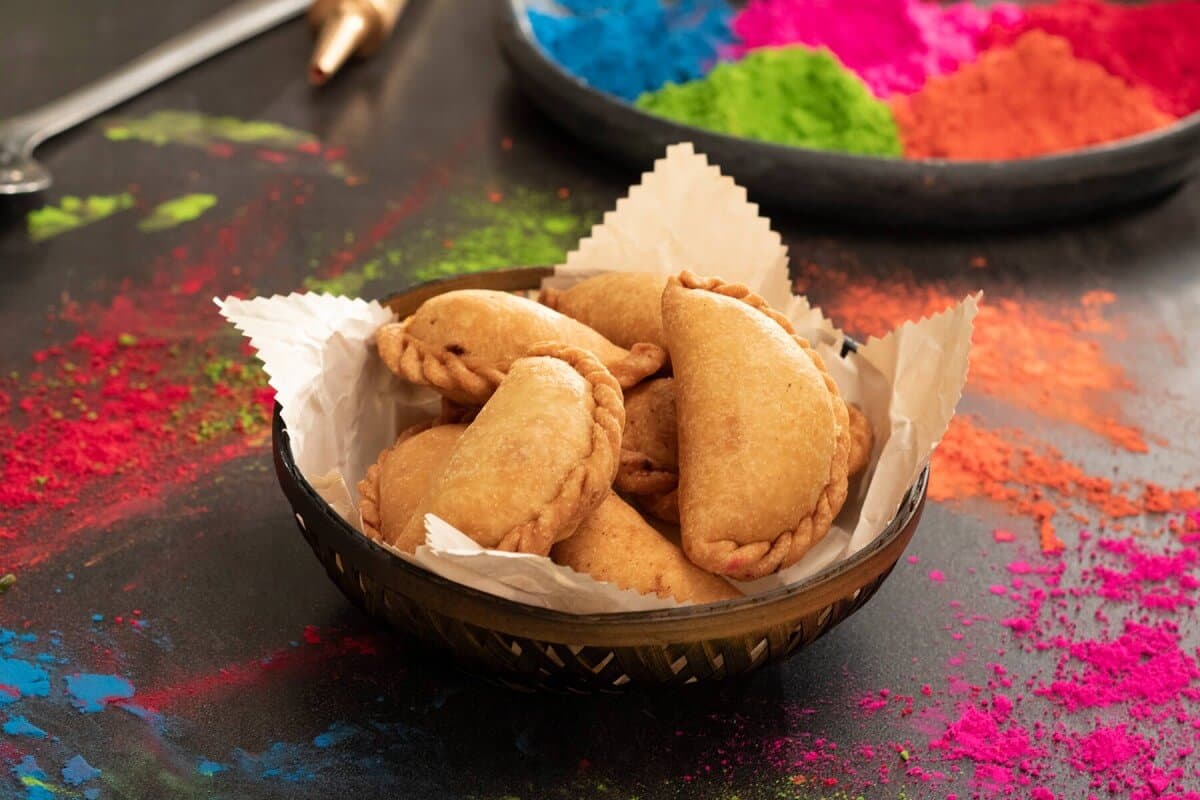
Click here for Sanjeev Kapoor’s Holi-special recipe for Thandai Gujiya
Who is Sanjeev Kapoor?
Who is Sanjeev Kapoor?
Sanjeev Kapoor is a Padma Shri Awardee chef, known for hosting the longest-running cooking show in Asia, called Khana Khazana.
What is Arth?
What is Arth?
Arth, founded by award-winning chef Sanjeev Kapoor, is a premium range of ready-to-use marinades, mixes, pickles and more, specifically for Indian food.
Does Sanjeev Kapoor live in Australia?
Does Sanjeev Kapoor live in Australia?
No, Sanjeev Kapoor does not live in Australia, but visits frequently for work.
What is the most popular Indian dish in Australia?
What is the most popular Indian dish in Australia?
Butter chicken is the most popular Indian dish in Australia.
How to make Thandai Gujiya?
How to make Thandai Gujiya?
Thandai Gujiya is a popular, easy-to-make Holi snack. For a detailed recipe, visit DOT.in