


 ion
ionKey Highlights
- The Indian diaspora in Australia is constantly having to swing between two histories, two cultures and two identities
- Indian-Australian children constantly have to navigate two parallel worlds that are seemingly at odds with each other — one at home and the other in school
- Receptive bilingualism, where the child understands their mother tongue but answers in English, is a cognitive asset which protects against dementia, improves perspective-taking and connects a child to their heritage
- Third Culture is a kind of culture that integrates the goodness of both our ‘home’ culture and the ‘host’ culture
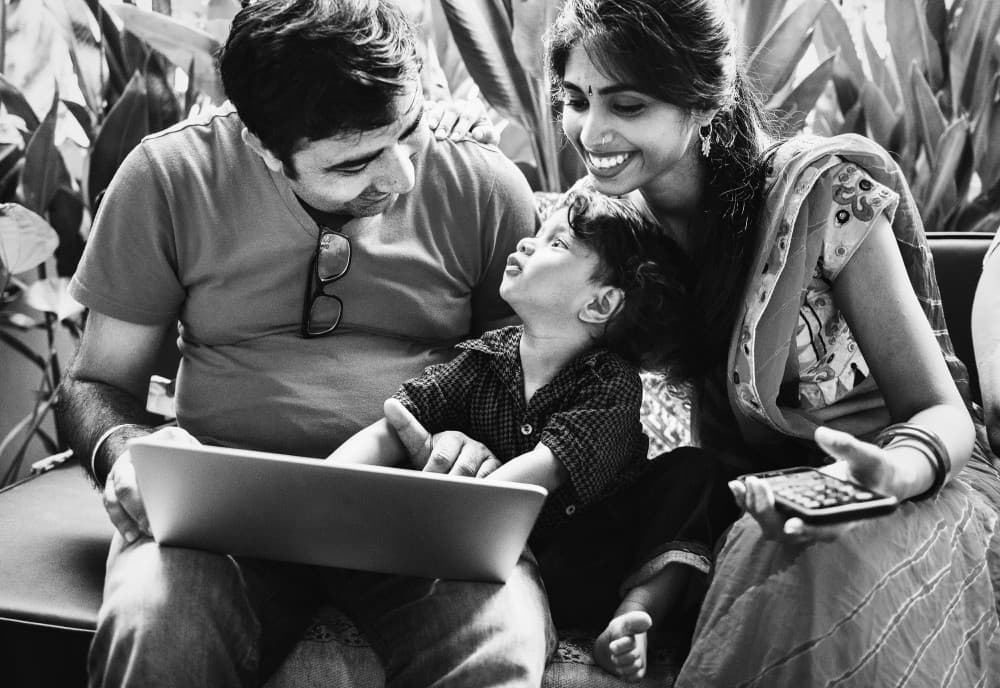
Every morning, across the leafy suburbs, the sun-drenched streets, and the quiet cul-de-sacs across Australia, thousands of children step across their front doorsteps, performing a feat of psychological gymnastics that would baffle most adults. They leave behind the aroma of parathas and the cadence of a mother tongue to enter a world of Vegemite toast and “no worries”. Then, at 3.30-4pm, they return, cross that same threshold and, in an instant, they are expected to ‘re-enter India’.
For the Indian diaspora in Australia — a community that is as professionally ambitious as it is culturally rooted — this daily commute between worlds is the defining challenge of parenting. It is a complex negotiation of history, values, and the digital noise that threatens to drown out both.
The hyphen
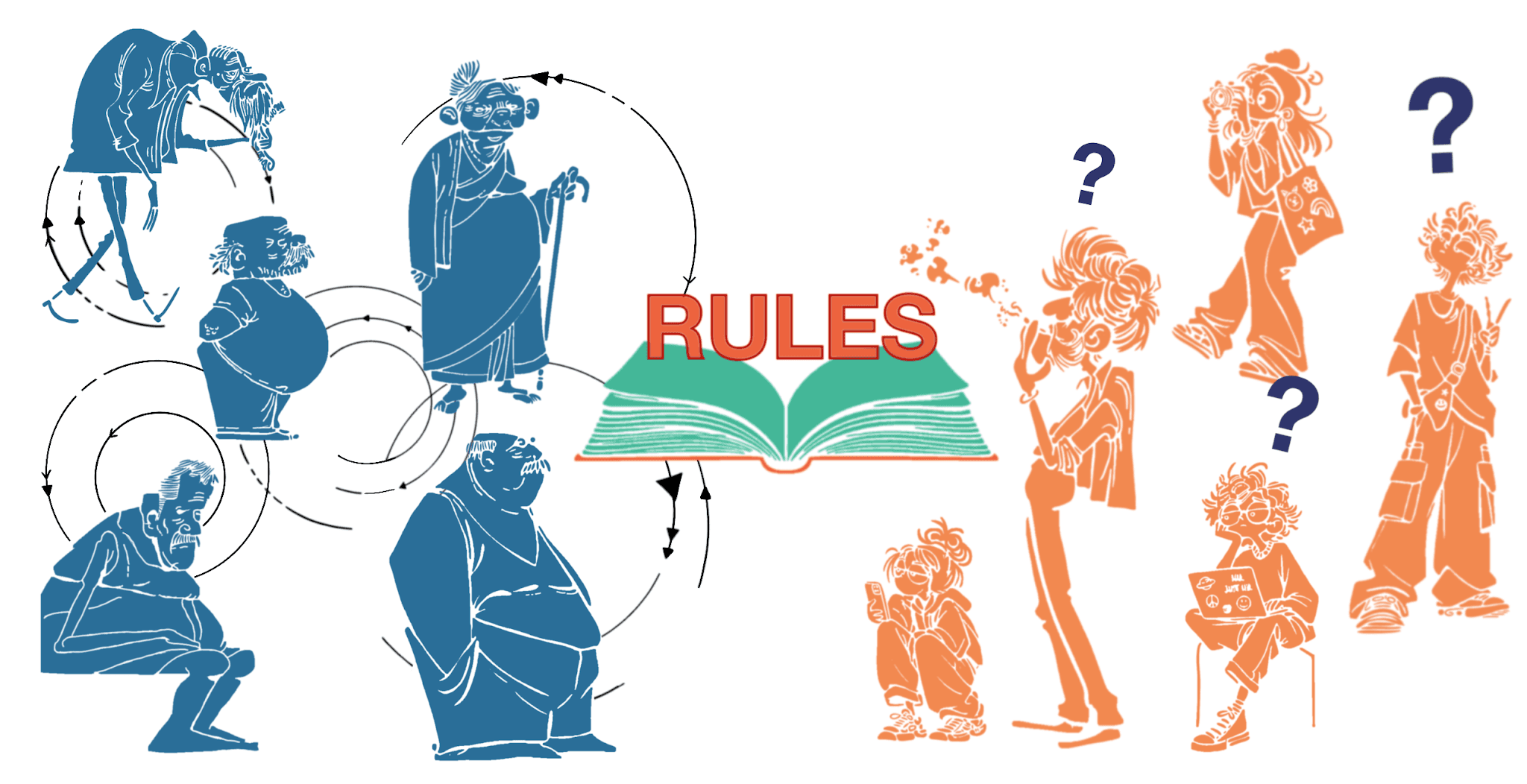
For our children, the hyphen in ‘Indian-Australian’ can represent a tightrope they need to walk carefully, every day, over a deep canyon-like gap between ‘beta’ and ‘mate’. At school, they are taught to be assertive and to question authority — the hallmark of Australian ‘mateship’ and critical thinking. Yet, the moment they step inside the house, they are expected to revert to lihaaj (decorum) and a default position of respect for elders. If they don’t make eye-contact with the teacher, they are defiant or disengaged; if they make eye-contact with a parent, they are belligerent. During lunchbox moments, the scent of a leftover thepla or pulao meets the curious (at times cruel) stares of peers. If they speak their mother tongue, they might feel “too Indian” for their friends; if they respond in English at home, they feel they are breaking their parents’ hearts.
The fear of dilution
As migrant parents, our dilemma is rooted in a fierce, protective love. We fear dilution. We worry that if our children become “too Australian,” they lose their Indianness. We might resort to guilt-tripped gratitude, reminding them of the sacrifices made to get to this land of opportunities. We see them on social media, and we worry that the TikTok algorithm is faster at shaping their identity than our regular, deliberate, communal celebrations of Indian festivals.
Research shows that ‘receptive bilingualism’ (i.e. child understands our mother tongue, but answers in English) is a cognitive asset which protects against dementia, improves perspective-taking and connects a child to their heritage; and yet, when our child responds in English, it feels like losing a piece of ourselves.

Integration as the goal
The goal isn’t to choose one side; it is to create a beautiful Third Culture which integrates the goodness of both our ‘home’ culture and the ‘host’ culture. We want our daughter to learn to be a boss in the boardroom, using that Australian grit to negotiate. We also want her to understand why she shouldn’t point her feet toward an elder or why our rich ancestral history and traditions matter.
Validating the hyphen

Let our kids know that we get what a tightrope it is for them. Let us help them use the hyphen as an opportunity to stay connected with both worlds. They get to cheer for the Matildas and to celebrate Diwali or Eid.
Let’s point out (and accept) the strengths of both the home and host cultures. Instead of banning technology, let us use it to bridge the gap — let’s watch a Bollywood classic together, or together follow Hyphen-Indian creators who struggle with the same identity quirks.
When that child returns through that front door ‘portal’ today, exhausted, needing to feel safe and to belong, let’s not start with, “How was the math test?” Let’s start with, “I’m glad you are home.”
What is receptive bilingualism?
What is receptive bilingualism?
Receptive bilingualism is when the child understands their mother tongue, but answers in English.
What is Third Culture?
What is Third Culture?
Third Culture is a kind of culture that integrates the goodness of both our ‘home’ culture and the ‘host’ culture.
What is Slow Parenting?
What is Slow Parenting?
Slow parenting is an intentional approach to parenting that prioritises connection with the child and shaping their identity over competitions, tight schedules and conflicts.