


 ion
ionKey Highlights
- Krithi Karanth has spent nearly two decades studying human-wildlife conflict across India
- India holds large wildlife populations despite dedicating less than five per cent of land to wildlife habitats.
- Villagers living near forests often continue to support conservation despite personal loss and danger. Karanth questions the idea of “stable co-existence”, describing it instead as a dynamic, constantly shifting relationship
- Her research spans landscapes around Bandipur, Nagarahole and Mudumalai, among other wildlife regions
- The Wild Seve programme has helped process almost 35,000 wildlife compensation claims, helping reduce compensation timelines dramatically from over a year to often under three months
- Her work combines conservation science with community trust, education and frontline support, and is ultimately about helping both people and wildlife survive together
For years now, in the villages around India’s wildlife parks, people lose crops to elephants, livestock to leopards and, sometimes, family members to tigers. Yet when conservation scientist Krithi Karanth asks them why they put up with it, the answer she hears, again and again, is one that keeps her going.
“The animals have been here as long as we have,” they tell her. “The animals have a right to live and we need to learn to share space with them.”
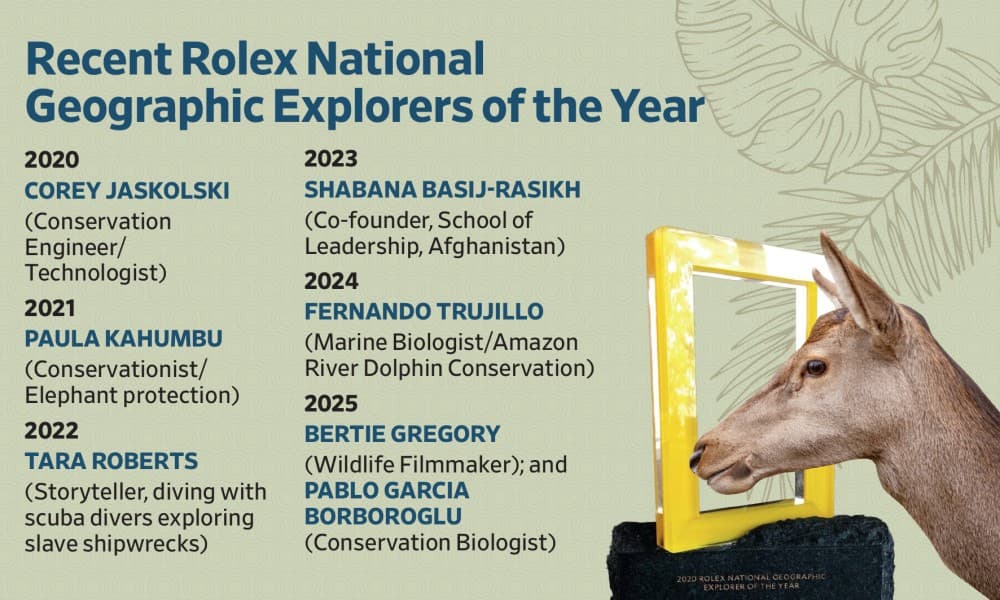
In 2026, Karanth has been named Rolex National Geographic Explorer of the Year, under its Perpetual Planet Initiative, which she describes as an “incredible honour and profound responsibility”, as well as an opportunity to “reimagine a world through courage and persistence to ensure wildlife and people thrive”. Karanth has been studying human-wildlife interaction in India for 28 years, for which she has won numerous accolades, including being named National Geographic’s Emerging Explorer in 2012 and the World Economic Forum’s Young Global Leader in 2015, and winning the John P. McNulty Prize in 2025.
But her challenges remain as steep as ever. With less than five per cent of the country’s land set aside for wildlife, India still supports some of the world’s largest populations of elephants, tigers, leopards and other large mammals.
“I’m a bit wary of using words like co-existence,” she says, “because that seems to suggest that people and animals are in this very stable relationship. I think it’s very dynamic, very adaptive. It’s constantly changing.”
Karanth is the daughter of celebrated conservationist, India’s “tiger man”, K. Ullas Karanth, and it is easy to assume that her career emerged through her experiences accompanying him to parks around the country. And perhaps it did, but in her mind those remained just trips for her. “It was much later that those experiences I had with my father in the forests started coming to me with more meaning.”
At first what really drew her in was her academic work. While doing her master’s at Yale University, she chose to return to India to design her project. What began as a study of the human impact on a wildlife park quickly revealed something else: conflict was visible on the ground, but poorly understood in data.
“There wasn’t much data around,” she explains. Scientific literature offered only localised studies, with no clear sense of scale — how widespread the problem was, which species were involved, or what patterns it followed.
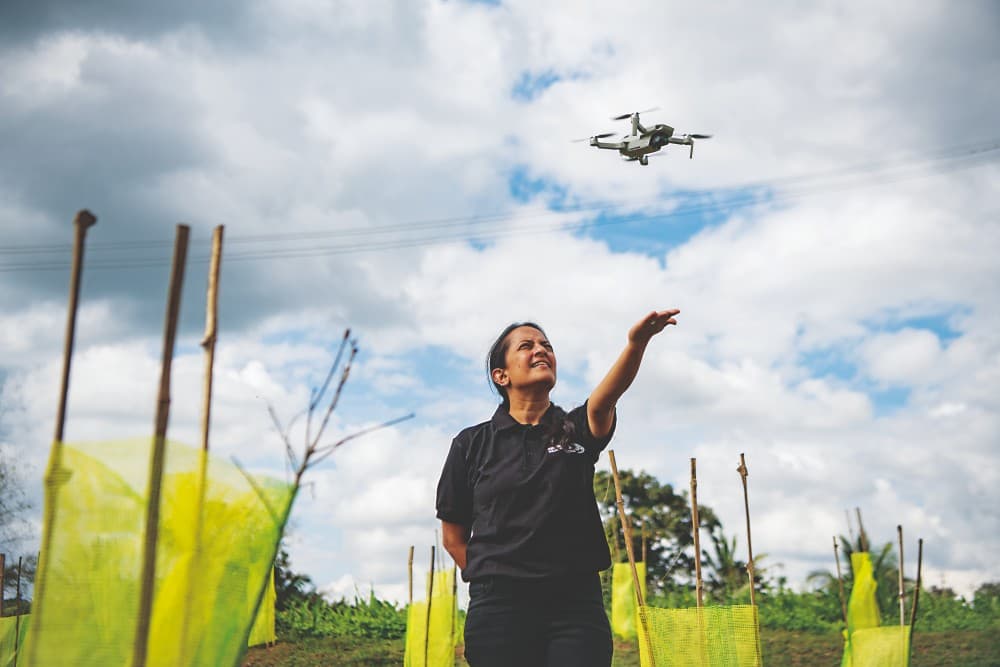
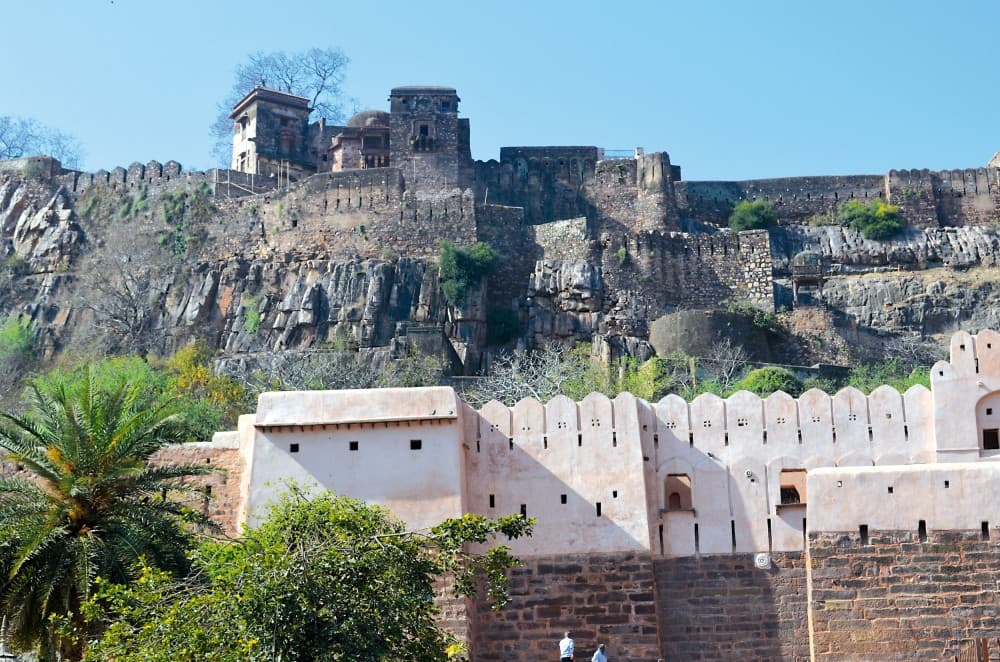
After she completed her PhD from Duke University, Karanth began to focus on answering those questions. Starting around 2009, her work expanded into large-scale research across thousands of villages, documenting where conflict occurs, which animals are involved and how people respond. Over time, that has built into what she describes as nearly two decades of “deep work on studying human–wildlife interactions across India”. Her research has spanned landscapes both inside and outside protected areas, including regions around Bandipur National Park, Nagarahole National Park and Mudumalai Tiger Reserve, as well as adjoining human-dominated areas.
Beyond data
But the shift in her thinking did not come from data alone. “I started very much like a typical scientist,” she says. But years of fieldwork changed that focus on evidence and measurement. Again and again, she would meet people who had lost crops, livestock or even family members — and still did not call for animals to be removed, and it surprises her even now. “We’ve been asking these questions for a long time… and so many times I hear this, that the animals have been here as long as we have… and we need to learn to share space with them.” It is a response she says she continues to hear across regions, languages and communities.
India’s conservation challenge is unusually compressed. The country has less than five per cent of its land designated as wildlife habitat, compared to 15–20 per cent in countries like China or the United States. At the same time, it holds large populations of species. Naturally, that tension is growing as development continues to expand into wildlife habitats and as conservation successes in some areas have brought animals back into landscapes where they were absent decades ago.
“There are a few places where there are too many of these animals and not enough space,” Karanth says. In such cases, she draws a distinction between animal rights and conservation. “Animal rights people want to save every animal. Wildlife conservation people want to save populations of species.”
This can lead to difficult decisions. When animals become dangerous, particularly in cases of repeated attacks, she argues that action cannot be indefinitely delayed. “You cannot continue to put people’s lives at risk saying it only killed one person,” she says.
If the ecological problem is complex, the human side is immediate. Karanth is the Chief Executive Officer at the Centre for Wildlife Studies, a Bengaluru-based non-profit research organisation founded by her father in 1984.

The organisation runs a programme called Wild Seve — a toll-free helpline that helps people file compensation claims for losses caused by wildlife.
“We launched the programme at two wildlife parks 11 years ago. Today we’re in almost 30 wildlife parks.” The programme operates across multiple states, including Karnataka, Tamil Nadu and Goa, covering landscapes around parks such as Bandipur National Park and Nagarahole National Park.
The system helps document losses of crops, livestock, injury or death — and has supported almost 35,000 compensation claims so far. Over time, the programme has helped reduced delays, with payments that once took more than a year now often processed in under three months.
For Karanth, who is also an Adjunct Professor at Duke University, the significance of the programme goes beyond efficiency. “They know we’re not just coming for the wildlife,” she says. “We’re actually coming to help them.” That, she suggests, reduces the likelihood of retaliatory action against animals.
For Karanth, the challenge is not one that will disappear. People will continue to live near wildlife, and animals will continue to move through human-dominated landscapes. The question, then, is not whether conflict can be eliminated, but how it can be managed
Wonder, not fear
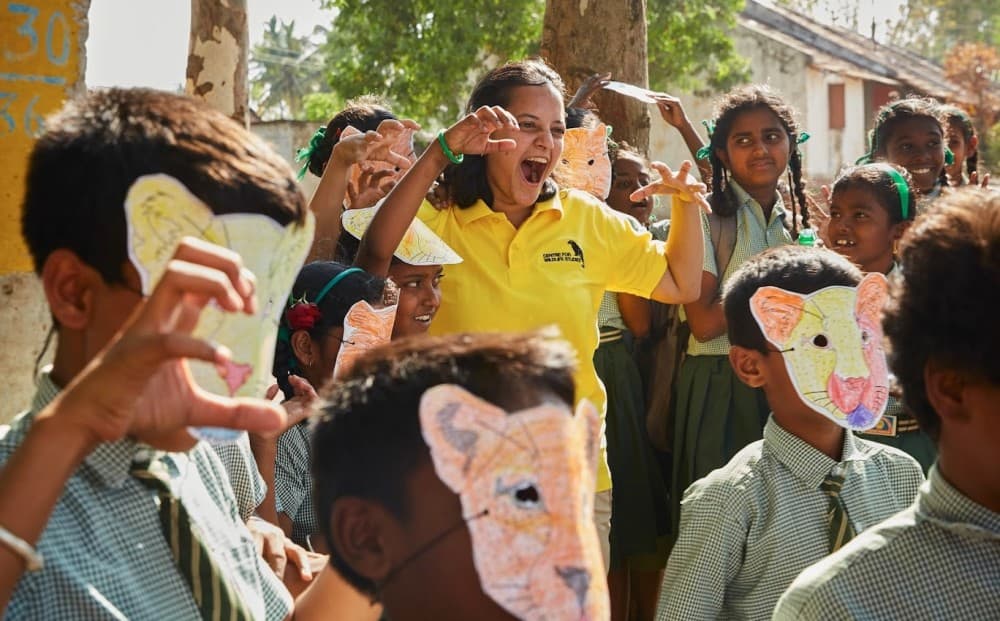
Alongside this, her work has expanded into education, with a programme for government and local schools in rural communities located near wildlife habitats, particularly in southern states like Karnataka and Tamil Nadu, where children regularly encounter wildlife in their daily lives. “They were seeing tigers, they were seeing bears, they were seeing elephants, but they were not excited… they often lived in fear.”
Through games, art and storytelling, the programme tries to shift that response. Over time, it has reached more than 1,600 schools and tens of thousands of children.
A third strand of work emerged during the COVID-19 pandemic, focusing on disease transmission between wildlife, livestock and people. The programme works with frontline staff and communities to build awareness of how these interactions happen. Taken together, these efforts reflect a shift from documenting conflict to trying to manage its effects on the ground.
The work is not insulated from its consequences. “I’ve seen human deaths, very horrifying human injuries,” Karanth says. “But I’ve also seen people retaliate… and go after a leopard or kill an elephant.”
The result is loss on both sides. “It’s very easy for us to spiral into this… depression, sadness, negativity, anger.” What sustains her is something simpler.
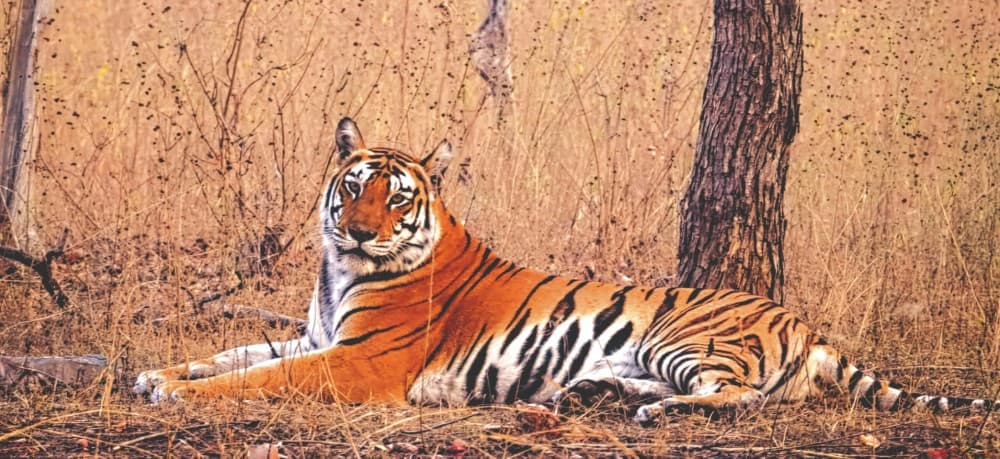
“Even today, my happiest moments are when I can go and just watch animals,” she says.
Equally important are the conversations that continue to return to the same point — that wildlife has a place, even in difficult circumstances. And there is the work itself: programmes that show some response, communities that continue to engage, people who call because they expect help. “You convert those terrible situations into a neutral to positive view of wildlife,” she says.
For Karanth, the challenge is not one that will disappear. People will continue to live near wildlife, and animals will continue to move through human-dominated landscapes.
The question, then, is not whether conflict can be eliminated, but how it can be managed and who bears its costs. In the villages where her work has taken her for nearly two decades, the answer has remained consistent, even if the circumstances have not.
“The animals have been here as long as we have,” she says, echoing those villagers who constantly surprise and inspire her. “They have a right to live.”
Who is Krithi Karanth?
Who is Krithi Karanth?
Krithi Karanth is an Indian conservation scientist and wildlife researcher known for her work on human-wildlife conflict and coexistence in India.
Why was Krithi Karanth named Rolex National Geographic Explorer of the Year?
Why was Krithi Karanth named Rolex National Geographic Explorer of the Year?
She was recognised for her long-term work studying wildlife conflict, conservation policy and community-based solutions across India.
What is human-wildlife conflict?
What is human-wildlife conflict?
It refers to situations where interactions between humans and wildlife lead to loss of crops, livestock, property, injury or death.
What is Wild Seve?
What is Wild Seve?
Wild Seve is a helpline run by the Centre for Wildlife Studies that helps people file compensation claims for wildlife-related losses.
Which wildlife regions has Karanth worked in?
Which wildlife regions has Karanth worked in?
Her research includes areas around Bandipur National Park, Nagarahole National Park and Mudumalai Tiger Reserve.
Why is wildlife conflict increasing in India?
Why is wildlife conflict increasing in India?
Expanding development, shrinking habitats and recovering wildlife populations are bringing animals and humans into closer contact.