Key Highlights
- Some popular bookstores in Delhi include Oxford Bookstore in Connaught Place, as well as Bahrisons Booksellers and Faqir Chand Bookstores, both in Khan Market
- For books on art and design, one can head to Art Heritage Bookshop at Triveni Kala Sangam
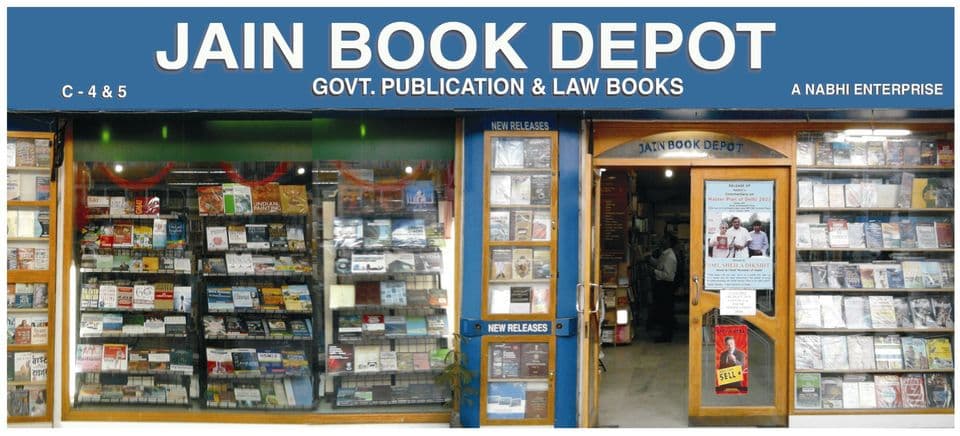
- Jain Book Depot in Connaught Place stocks books on current affairs, non-fiction and even some classics
- If you are looking for a bookstore that is also a cafe and a community hub, head to Kunzum in Greater Kailash II
- Another well-known name is Om Book Shop, which is a chain with outlets across Delhi-NCR
Delhi is a city that reads in layers. While the nation’s capital is the heart of its publishing ecosystem and distribution network, for a publishing professional, editor, writer and reader, reading patterns and reading habits remain both professionally and personally fascinating.
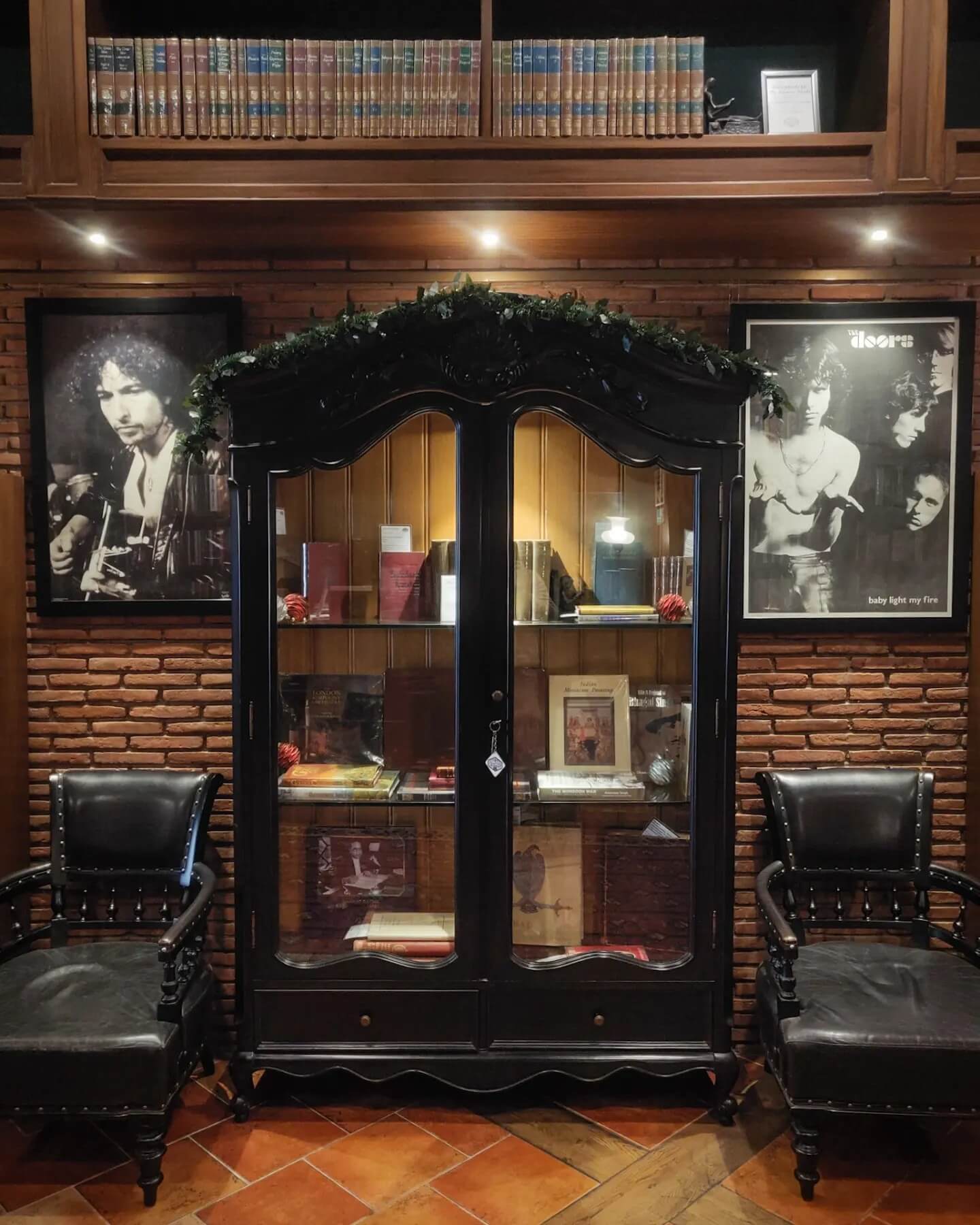
Delhi’s bookstores reflect this complexity. They are formal and improvised, scholarly and ideological, commercial as well as quietly obsessive. To browse books in Delhi is not merely to shop, but to glimpse how the city remembers, argues, and resists forgetting. For a visitor, Delhi’s bookshops offer something rarer than novelty: an encounter with reading as a lived, contested, and deeply social practice.
At the visible centre of this ecosystem stands Oxford Bookstore in Connaught Place. Less radical than reassuring, Oxford represents a cosmopolitan, English-language public culture: international fiction, Indian writing in English, history, criticism, and children’s books curated with care. It is a cultural anchor, known as much for its author events and discussions as for its shelves. In a city dominated by politics and power, Oxford legitimises reading as a public, civilised act.
If Oxford is Delhi’s formal drawing room, bahrisons_booksellers at Khan Market is its long memory. Founded in 1953, Bahrisons has endured through loyalty rather than scale. It resists trends, favouring serious fiction, history, biography, and politics. Browsing here feels like entering a long conversation between readers and books that has never been interrupted by marketing cycles. For visitors, Bahrisons offers a glimpse of what bookstores once were: relational spaces built on trust and continuity. Then there is Mithilesh Singh, a much-respected and long-time floor manager at the store, celebrated for his encyclopaedic knowledge of books, outstanding rapport with customers, and rare gift for matching readers with exactly the right title, a talent that won him the ‘Bookstore Star (North India)’ honour at the Penguin Booksellers Excellence Award 2025.
More kinetic and plural is Midland Book Shop, one of Delhi’s most energetic mainstream stores with outlets at Aurobindo Market and South Extension. Its strength lies in range: philosophy, academic texts, popular fiction, translations, and bestsellers coexist without hierarchy. Students, scholars, and casual readers cross paths here, often leaving with books they hadn’t planned to buy. Midland captures Delhi’s restless intellectual appetite, where curiosity rather than curation sets the pace.
No account of Delhi’s reading life is complete without Faqir Chand Bookstore in Khan Market. Founded in 1951, it occupies a near-mythic place in the city’s intellectual history. Long a first stop for diplomats, journalists, academics, and writers, Faqir Chand is less a shop than a working archive. Its shelves lean towards history, politics, philosophy, international affairs, and literature, sustained by a commitment to backlists and depth rather than novelty. The atmosphere is austere and focused. Books here are meant to be studied, not styled. In an increasingly glossy retail district, Faqir Chand remains defiantly serious, embodying Delhi’s older culture of patience, argument, and long attention spans.
Yet Delhi’s true magic lies beyond its landmarks, in smaller, ideologically charged, or quietly eccentric spaces.
maydaybookstore, tucked away in West Patel Nagar, is one of the city’s most committed independent bookshops. Run and managed by LeftWord Books, a publishing house that reflects the views of the left in India and South Asia, it is explicitly political, stocking Marxist theory, labour studies, feminism, radical history, and serious literature. Commercial bestsellers are absent by design. Its carefully maintained second-hand section reinforces this ethos of circulation over consumption. May Day offers insight into Delhi’s tradition of dissent and grassroots intellectualism.
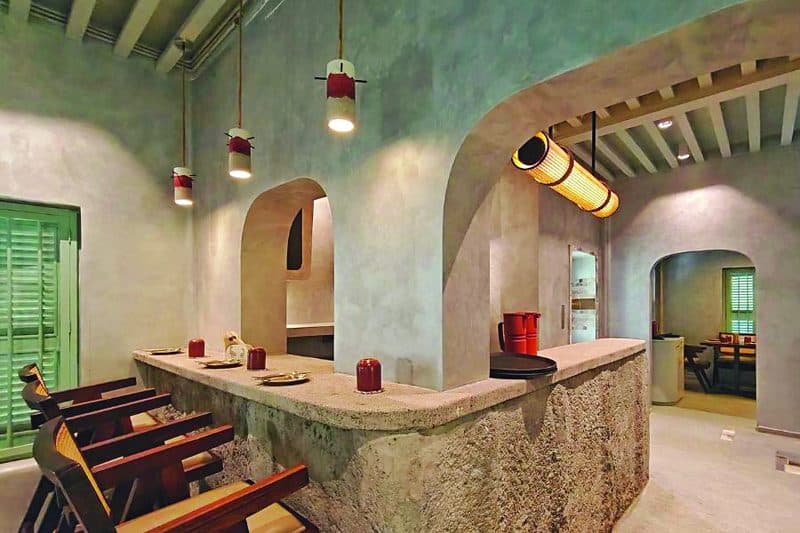
A different intimacy defines Chapter 101 in Gurgaon. Part bookstore, part café, it blends rare editions, classics, and contemporary titles in a space designed for lingering. Wooden shelves, coffee, and unhurried browsing make it feel less like retail and more like refuge. It appeals to readers who treat books as companions rather than commodities, and reflects a newer, reflective strand of Delhi NCR’s reading culture.
Specialist interests find a home at Art Heritage Bookshop near Triveni Kala Sangam, which focuses on serious art and design books. Small but rigorously curated, it serves artists, scholars, and visually literate readers. In a city where art spaces are often ephemeral, this shop has quietly nurtured sustained engagement with visual culture since 1977.
Equally moving in its modesty is Sisters of the People Book Shop in Lajpat Nagar. Stocked entirely with donated books, it prioritises access over profit. Prices are minimal, often starting at Rs 10, and each book carries traces of previous readers. The shop embodies a philosophy of sharing and sustainability, offering visitors a glimpse of reading as generosity rather than accumulation.
For families and young readers, Eureka Bookstore in Greater Kailash II is a cherished destination. Specialising in children’s literature, it goes beyond retail through workshops, readings, and literary activities. Its founders also curate Bookaroo, a children’s literature festival that combines reading with play and creativity. Eureka represents a belief that reading habits are cultivated through joy rather than obligation.
Quiet refinement defines The Bookshop Inc in Lodhi Colony. Tucked into residential lanes, it offers a carefully curated selection in a calm, jazz-inflected setting that encourages slow discovery. Its presence extends online through personalised recommendations, making it both intimate and contemporary, a boutique model of bookselling that values discernment over excess.
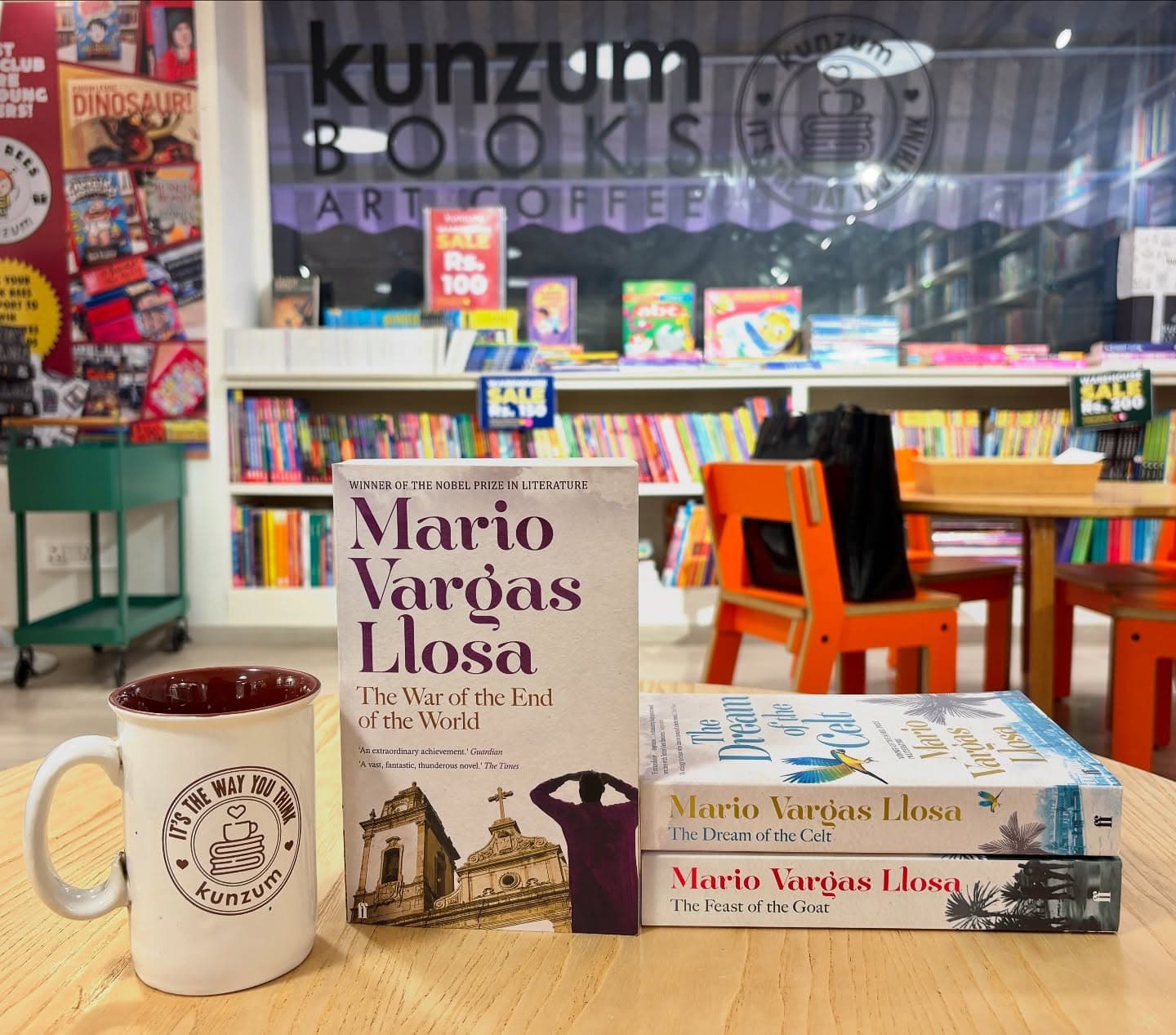
Delhi’s newer reading spaces often blur boundaries between bookstore, café, and community hub. Kunzum Bookstore, spread over an incredible four storeys, exemplifies this shift. Hosting readings, workshops, open mics, and informal gatherings, it treats literature as participatory rather than reverential. Its shelves foreground contemporary writing, travel, poetry, and emerging Indian voices, including small-press and self-published works. What sets it apart is the generous room it offers for browsing, and its deliberate choice not to stock stationery or toys, unlike many other bookstores, where cramped interiors and peripheral merchandise have steadily displaced shelf space for books. Kunzum reflects changing reading habits: social, conversational, and communal.
At the opposite end of the spectrum stands Om Book Shop, a chain with outlets across Delhi NCR. Om’s importance lies in accessibility. By stocking everything from children’s books to serious non-fiction in malls and neighbourhood markets, it keeps books visible in everyday urban life. It normalises reading rather than sanctifying it.
Finally, CMYK Bookstore in Greater Kailash 2 offers a different literacy altogether, focused on graphic design, photography, illustration, architecture, and independent magazines. Design-led and visually driven, CMYK expands the idea of what a book can be, particularly for younger readers shaped by image-based cultures.
Then there is Nai Sarak, not a single shop but an entire street devoted to academic and Hindi publishing. Walking through Nai Sarak reveals a reading public often invisible to English-language literary circuits: students buying textbooks, guides, exam materials, and inexpensive editions. Its significance lies not in aesthetics but in scale and access. Nai Sarak sustains North India’s vast non-English intellectual economy, reminding visitors that Delhi’s reading life extends far beyond elite conversations. And its Sunday book market is part of Delhi’s heritage as much as the Red Fort and the Qutub Minar.
Together, these bookstores reveal Delhi’s enduring contradiction: English and Hindi, radical and mainstream, glossy and photocopied, reverent and conversational. In a city under constant pressure to become faster and more disposable, its bookstores insist on slowness. They remind the visitor that Delhi does not merely consume ideas – it stores them, argues with them, and passes them on quietly, shelf by shelf.
Best Bookstores in Delhi?
Some of the best bookstores in Delhi are Oxford Bookstore, Bahrisons Booksellers, Faqir Chand Bookstores and Kunzum
Are there book shops in Connaught Place?
Yes, Connaught Place houses the iconic Oxford Bookstore and even the Jain Book Depot
Where to buy art books in Delhi?
If you are looking for books on art and design, head to Art Heritage Bookshop near Triveni Kala Sangam
Which is the biggest bookstore in Delhi?
Kunzum Bookstore, in Greater Kailash II, is definitely one of the biggest bookstores in Delhi as of now.
Which is the oldest bookstore in Delhi?
Faqir Chand Bookstore and Bahrisons Booksellers in Khan Market are some of the oldest bookstores in Delhi