Key Highlights
- For Indians living abroad, the language of colour transcends the pragmatic hues of the West.
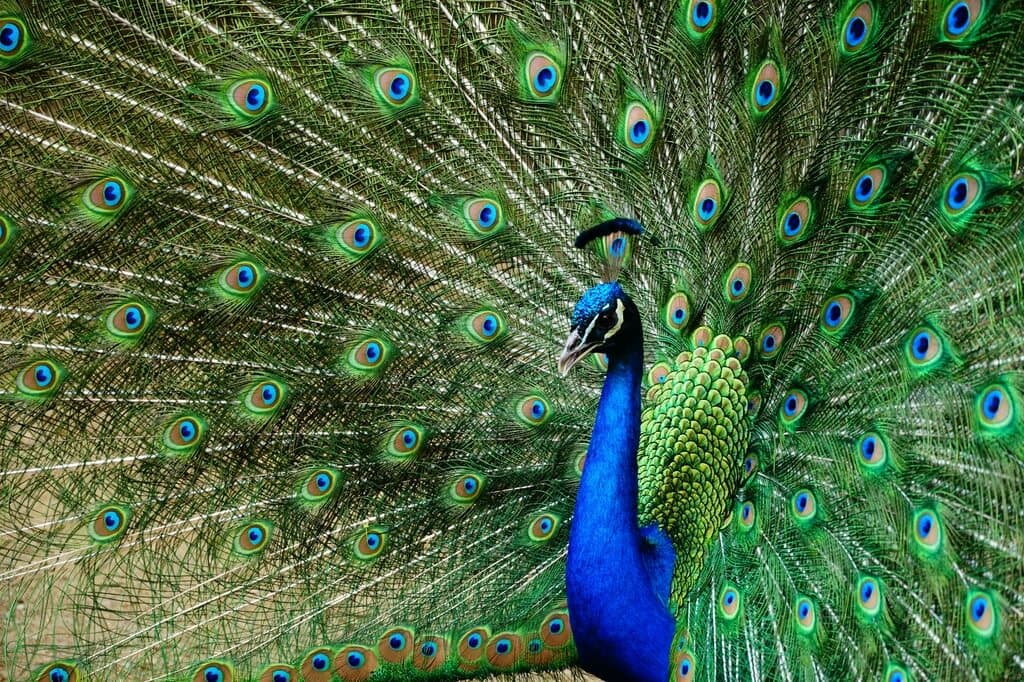
- The blue-green of the Sydney harbour isn’t ‘cyan’; it’s what Bengal calls mayurkonthi — mayil-kazhuthu to a Kanchipuram weaver — the colour of a peacock’s neck.
- A brilliant red — not just the standard one — is summoned by Malayalis with chembarathi, the magnificent, deep red of the hibiscus flower.
- Vermilion’s power is evoked by sinduri in Hindi, a shade inseparable from marital identity often paired in the Deccan with turmeric yellow to create the pasupu-kumkuma palette, the colours of the Mother Goddess.
- The smoky, deep grey of dusk is shyamal in Bengali and Hindi — evoking the dark complexion of Lord Krishna.
For Indians living abroad, the language of colour transcends the pragmatic hues of the West. The English lexicon offers up a ‘teal’ that seems as tepid as British tea or a ‘mustard,’ a word that definitely is trying to punch above its weight when it tries to describe that perfect yellow.
On the other hand, our mother tongues hold the gift of poetry, and perhaps, an anchoring of our emotional world to a palette of memory. From our folk songs to our kitchens, our flora and fauna to our weavers’ tongues, a hue is never just a number on a paint catalogue. Because our shade cards hold stories.
The rhythm begins with the elemental. The blue-green of the Sydney harbour isn’t ‘cyan’; it’s what our Bengali mashis would call mayurkonthi — mayil-kazhuthu to a Kanchipuram weaver — the electric, luminous colour of a peacock’s neck, instantly conjuring the iridescent movement of light on feathers.
For a deeper, sapphire blue, we borrow mani niram from our Tamil akkas, a jewel colour of lustrous clarity. A soft, clear blue is affectionately called aakashi, from aakash the sky, across India.
Our colours are rooted in the earth and in ritual. And so are the words used to describe them. A perfect, brilliant red — not just the standard laal — is summoned by Malayalis with chembarathi, the magnificent, deep red of the hibiscus flower.
For the bride, however, only araku will do — an earthy maroon-red derived from the ancient alchemy of lac resin. Northwards towards Banaras, a weaver won’t just talk of “a light red”; he will offer you a luminous anari saree, its folds shimmering with the translucent crimson of a bursting pomegranate seed.
Go Northeast and the palette takes on a deep, organic mystery. In Nagaland, the distinctive red of a warrior’s shawl is more than a pigment. It is achi, a fierce, blood-red derived from the roots of the madder plant.
Vermilion’s power is evoked by sinduri in Hindi, a shade inseparable from marital identity — often paired in the Deccan with turmeric yellow to create the pasupu-kumkuma palette, the colours of the Mother Goddess.
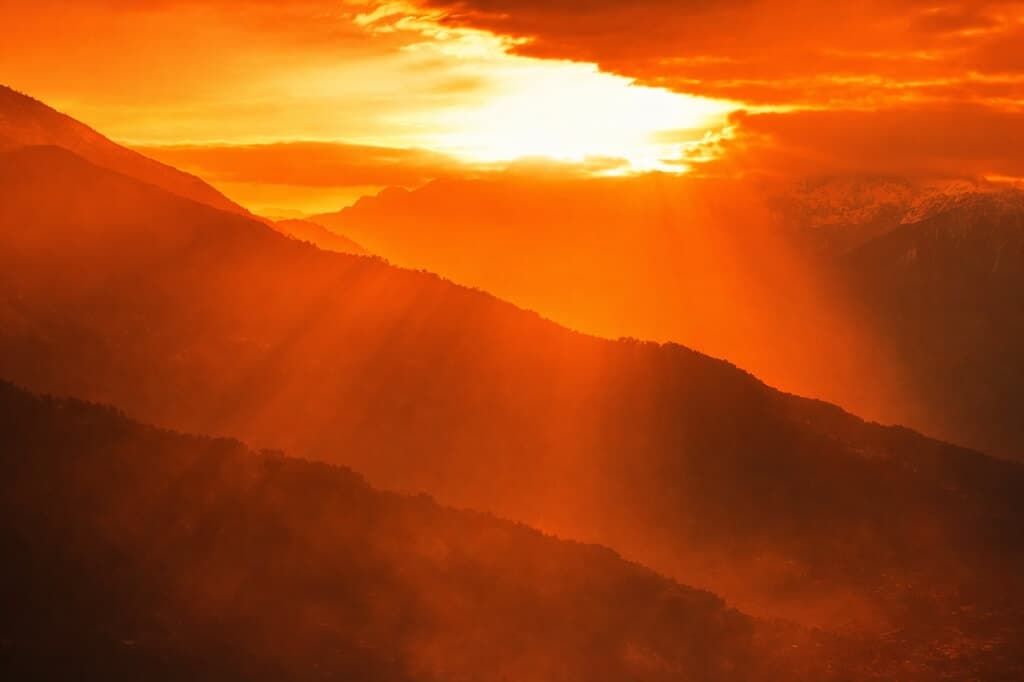
The ceremonial saffron-yellow of devotion is pasupurangu in Telugu, a word steeped in auspiciousness, and distinct from the everyday culinary yellow of turmeric. Up North, this is balanced by the nashphal of pomegranate rinds, a quiet colour that sits between green and yellow. Then there is the sanyi of the Apatani tribe of Arunachal Pradesh — a specific, deep yellow-orange for the colour of the sun setting over Ziro Valley.
Colours are named after specific objects and unique dualities. For a vibrant, hot pink that dances between magenta and fuchsia, a colour common in Kanjeevaram sarees, women from all over India ask for a vadamalli saree, the globe amaranth colour.
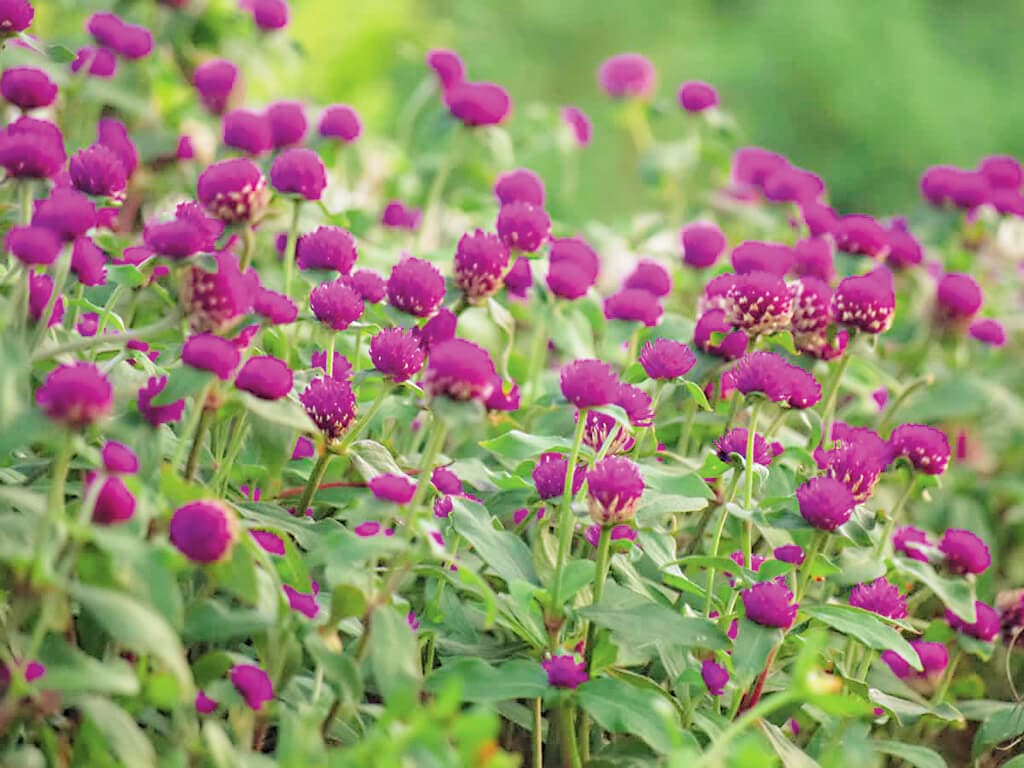
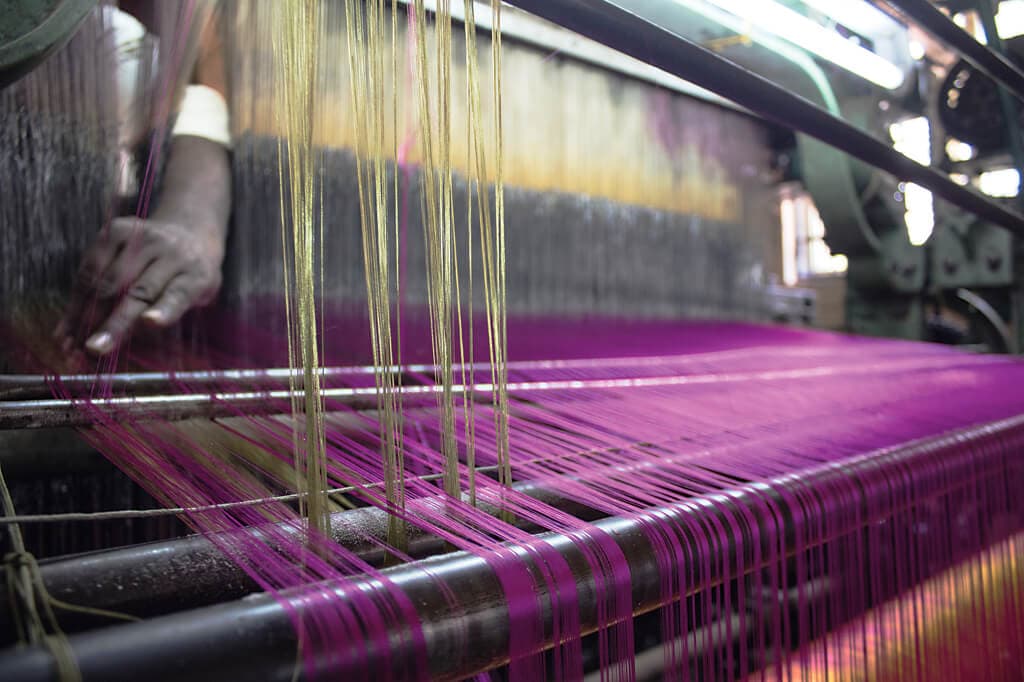
Weavers in Kanchipuram use maandulir, the tender “mango leaf bud” shade that captures the fleeting moment a new leaf changes from copper-red to soft green.
Even more poetic are the colours that shift. Dhoop-chhaon in Hindi meaning sun-and-shade — describing iridescence in silk, a dual-tone fabric that changes as light moves across it. The smoky, deep grey of dusk is shyamal in Bengali and Hindi — evoking the dark complexion of Lord Krishna.
Even our blacks are alive. Karuppu in the South and syaahi up North is not a flat pigment. It is a living depth born of the curious alchemy of rusted iron scraps and jaggery. In the year of Cloud Dancer, Pantone’s Colour of 2026, an apt counterpoise, reflection point and reminder that “a lofty white that serves as a symbol of calming influence in a society rediscovering the value of quiet reflection” may not be all that it’s hyped up to be. And that the colours of and on our earth hold stories, value and worth. Ensuring that even beneath the clarity of another sky, memories of home continue to shimmer in their full, poetic spectrum.