Key Highlights
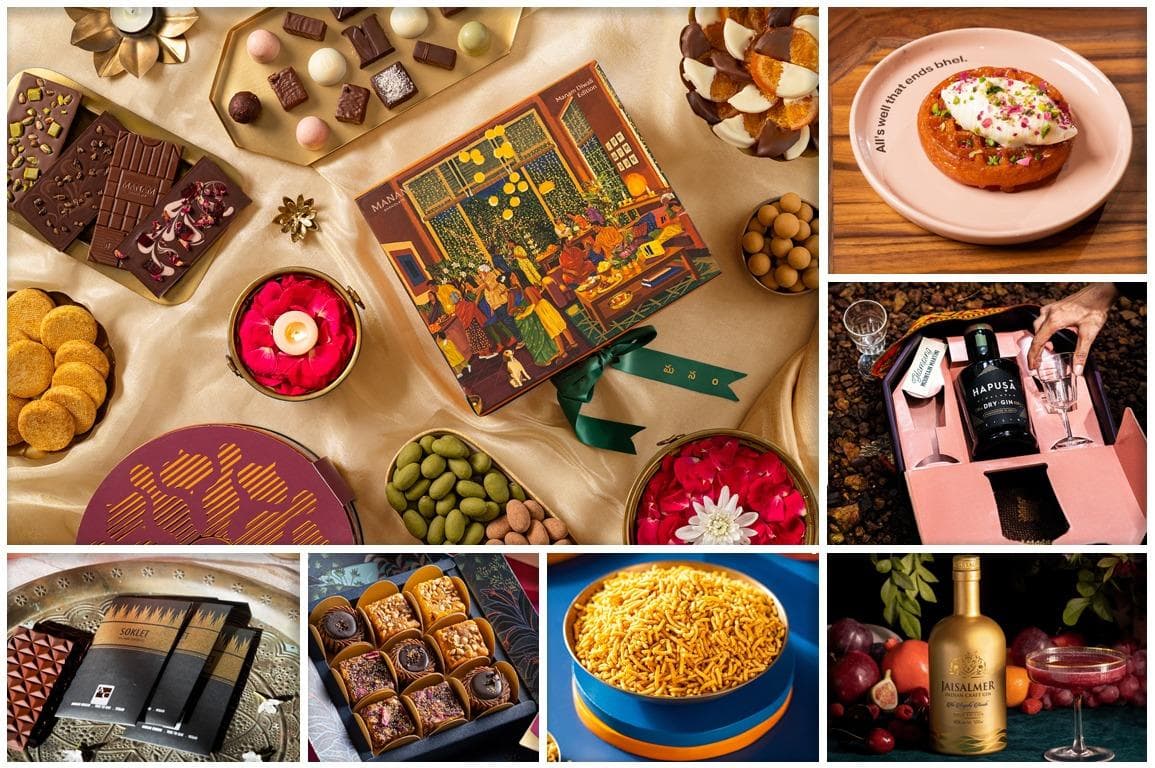
- Craft brands such as Manam Chocolate, Hapusa Gin, Blue Tokai and Third Wave are increasingly becoming common gifting options
- Manam means “we” in Telugu, signifying Manam Chocolate’s connection with cacao farmers in Andhra Pradesh
- Blue Tokai Coffee’s ‘tokai’ means peacock
- Himalayan dry gin Hapusa is named after the sanskrit word for Juniper berries
- More and more people are choosing Soklet, a single-origin chocolate from India over a mass-produced, globally familiar chocolate
There was a time when what you carried out of India mattered less than what you brought back. You left with handicrafts and snacks, and came back with a treasure chest of chocolates, perfumes and duty-free goods which spoke of the aspirations of a generation.
This equation is now flipping. When optical engineer Paulami Ray flies back to Sydney after her annual break in Kolkata, her gifts now include Attikan Estate coffee from Blue Tokai, tea blends from Karma Kettle and a spread from Manam Chocolate. Even a few years ago, her suitcase would have carried Darjeeling tea from a local store and sandesh from a sweet shop in the Park Circus area, close to her family home.
Singapore-based Ronit Maitra, too, routinely returns with Rampur whisky, Jaisalmer Gin, Third Wave Coffee and Manam Chocolate. “The first time I bought these brands was out of curiosity and wanting to try something different,” he says. “Global brands are everywhere but these feel distinctive. I find myself coming back to them because they are comparable, if not better, than many luxury brands available here.” What drives these choices is not just purchasing power, though that is certainly part of it. It is something more instinctive.
Craft as a cultural marker
Ray and Maitra are unconsciously reaching out for craft brands that carry a distinctive Indian story. Be it coffee, chocolate or spirits, India is seeing something of a craft revolution, and these products are becoming cultural markers. The craft influence has reached not just young urban consumers within India but also those who live beyond its borders.
A certain image of pre-liberalisation India is often the butt of jokes — a middle-class Indian family looking on with excitement when dollar store gifts would circulate from the prodigal NRI family suitcase during their annual trip back. But now the return journey carries its own sense of pride, with confidence that a bottle of Hapusa gin or a Paul John whisky will be as well-received as a bottle of Scotch.
Each of these craft brands is careful about its storytelling. Manam means “we” in Telugu, signifying its connection with cacao farmers in Andhra Pradesh. Soklet draws from the local pronunciation of “chocolate”. Blue Tokai Coffee’s ‘tokai’ means peacock, and Himalayan dry gin Hapusa gets its name from the Sanskrit word for juniper berries
The pride comes not just because of the quality of the products, although global recognition for these brands certainly helps. For example, Manam Chocolate has won multiple awards at the Academy of Chocolate in the UK while Hapusa Gin bagged a gold at the World Gin Awards 2024.
For Priti Sen Arora, co-founder of speciality tea company Karma Kettle, these brands “represent a new India, confident in its heritage, refined in its taste, and global in its outlook”.
“Customers are seeking out small-batch blends, single-origin leaves (or beans), and thoughtful craftsmanship, choosing depth, provenance and narrative over mass-produced familiarity.”
Gifting, rooted in tradition
Nowhere is this shift more apparent than at airport duty-free shops. “About 90 per cent of our sales happen in departures,” says Anand Virmani, co-founder of Nao Spirits & Beverages, which produces Greater Than London dry gin and Hapusa Himalayan dry gin. “If it were just about price, people would buy on arrival. But they don’t — they buy before they leave. That usually means the bottle is going as a gift.”
Karma Kettle’s gifting vertical, which includes artisanal Indian teas and curated gifting experiences, is approximately a ₹ 1 crore business, with growing demand from the Czech Republic, Singapore, South Africa, Australia, Brazil, Barbados, Bhutan, the United Kingdom and Hong Kong.
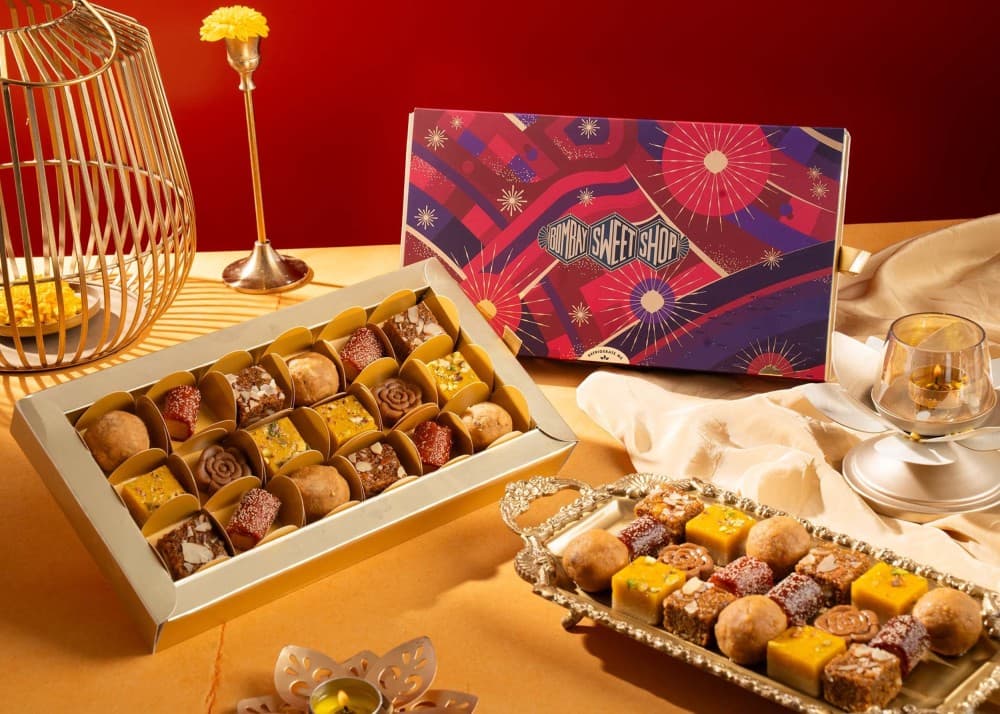
For Bombay Sweet Shop too, gifting is central to their business, forming nearly 30 per cent of overall sales, peaking during festive seasons like Diwali and weddings. Much of this demand comes from the Indian diaspora. “They want to send something that feels rooted in tradition, yet presented in a way that feels current and globally relevant,” says Sameer Seth, founder and CEO of Hunger Inc. Hospitality, which owns Bombay Sweet Shop and restaurants like Bombay Canteen, O Pedro, Papa’s and Veronica’s in Mumbai.
What’s the story?
Each of these craft brands is careful about its storytelling — and that story begins with the very name. Manam means “we” in Telugu, signifying its connection with cacao farmers in Andhra Pradesh. Soklet draws from the local pronunciation of “chocolate”. Blue Tokai Coffee’s ‘tokai’ means peacock, and Himalayan dry gin Hapusa gets its name from the Sanskrit word for juniper berries.
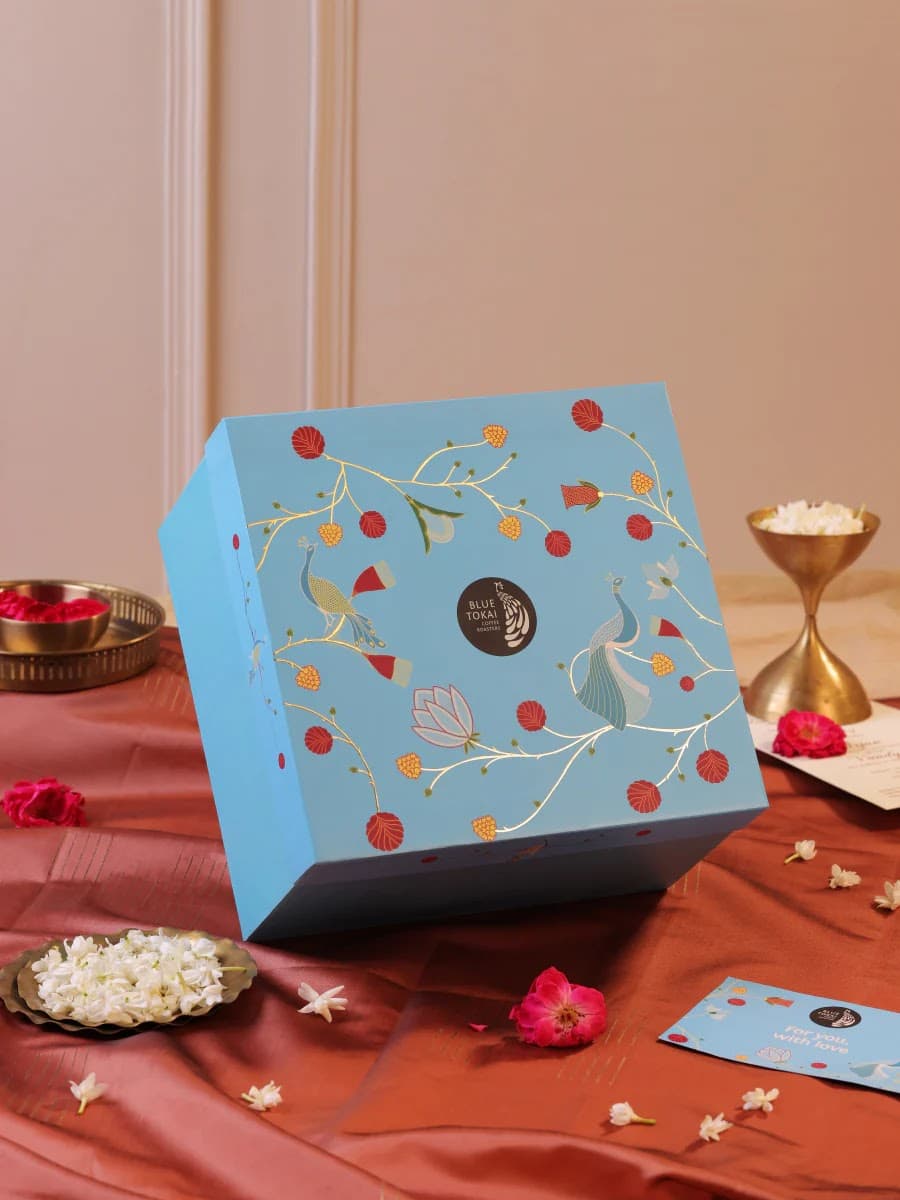
The packaging extends the narrative. The strategic design is not cosmetic: it ensures product visibility in international retail environments. “From the square shape to the embossed glass to the typography, our bottles are designed to hold their own on a global shelf,” says Rakshay Dhariwal, founder of Maya Pistola Agavepura, an Indian craft agave spirit brand. Bombay Sweet Shop’s gift boxes have an unmistakable Indian language in colour, mood and warmth.
Gifting has become a form of identity signalling. When someone chooses a single-origin chocolate from India over a mass-produced, globally familiar chocolate, they’re saying they value craft over convenience, story over scale. In choosing these products, consumers are participating in a quiet redefinition of what India exports — and it’s not just another gift, it’s a point of view.
What are some popular craft brands in India?
What are some popular craft brands in India?
Some popular craft brands in India are Soklet, Hapusa, Blue Tokai, Third Wave and Manam.
Which is the best Indian craft gin?
Which is the best Indian craft gin?
Hapusa is one of the best in the Indian market when it comes to dry gin.
Which is the best Indian craft chocolate?
Which is the best Indian craft chocolate?
Brands like Soklet and Manam Chocolate are among the best in Indian craft chocolate.
What are some popular Indian craft coffee brands?
What are some popular Indian craft coffee brands?
Blue Tokai and Third Wave are popular Indian craft coffee brands.
Are gifts from Bombay Sweet Shop good?
Are gifts from Bombay Sweet Shop good?
Bombay Sweet Shop has great gifting options, especially during festive seasons like Diwali and weddings.