Key Highlights
- Wellness retreats are on the rise in India, with options like Ananda Spa and Dharana Retreats providing a long-term immersion in treatments and analysis
- In India, wellness tourism is a strong attraction, with Ayurveda, Naturopathy and Yoga being some of its key focal points
- Wellness retreats, also known as Clinical retreats, are rooted in age-old practices and knowledge systems
- Those looking for luxury wellness retreats can head to Ananda Spa, overlooking the Ganga near Rishikesh
- Some other options are Dharana Retreat, near the Sahyadri mountains behind Mumbai or the Six Senses Vana at Dehradun
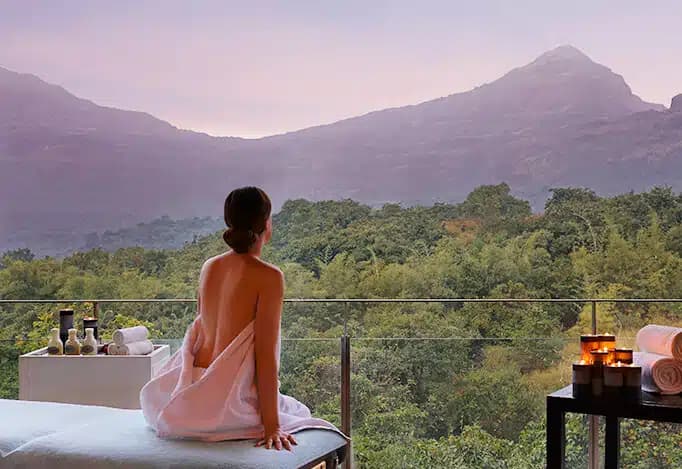
We all need a break sometimes. Staying put and taking a few days off doesn’t do it. It could be that a simple good night’s sleep has become an unattainable indulgence. But that may just be an indicator. Perhaps more is needed to restore our bodies and minds back in balance, on track. Perhaps it’s time to take the leap into a week-long immersion of analysis and treatments, far from a ‘spa junkie’ wallowing in sweet-smelling massages, cocktail in hand (although a bit of that does no harm). To achieve such long-term balance, we might need to go somewhere distant to escape the constant demands on us in all areas of our lives — work, home, family, obligations of all kinds.
India’s health retreats offer a range of options for people of all ages. And yes, in our increasingly tough world, more and more people in their 30s and 40s seem to be in need of this kind of assisted re-setting. Over the past two decades India has developed a flourishing market in serious, reliable wellness programmes at a variety of price points.
Clinical retreats – as they are also called - pamper guests in all ways. They appeal to our eyes with fine architecture in stunning locations such as forested hills, to our stomachs with surprisingly delicious food (who knew beetroot could be a foodie’s delight?), and to our minds with stimulating consultations with deeply informed doctors, nutritionists, and more. Kindly staff are our guides through bespoke and (mostly) comfortable hour-by-hour timetables. Phones are rarely banned, even if dependency is discouraged. In sum, there is little sense of healing through deprivation and denial. That old motto—no gain without pain—is (mostly) absent.
Why Australians are looking to India for wellness
- 56% of Australians plan to take a wellness-focused trip in the next 12 months (Source: Global Wellness Institute 2025 Wellness Survey)
- The global wellness tourism market is projected to cross USD 2.1 trillion by 2030, driven by stress, burnout and the search for preventive health.
- India’s wellness tourism industry is already valued at USD 30+ billion, with Ayurveda, yoga and naturopathy as its strongest draws.
- India receives hundreds of thousands of international visitors each year specifically for wellness and medical-adjacent travel.
- Australians aged 30–55 — including a large Indian-origin diaspora — are among the fastest-growing segments seeking immersive retreats rather than short spa breaks.
Why India?
India offers clinical retreats with time-tested healing practices, luxury hospitality and natural settings — from the Himalayan foothills to the coast.
Rooted in time
Rather, we are nurtured into a better place. And this is because the retreats are run by experienced experts. After all, it is in the sub-continent that the respected systems for paying attention to our minds and bodies have evolved over the past two millennia. Ayurveda, yoga and naturopathy all developed here. Contrary to accepted nomenclature, there is nothing ‘alternative’ about these holistic (whole-body) healing systems; in fact, these are the originals. All have ancient roots, and all promote the idea that the health of our gut is integral to a healthy body and mind.
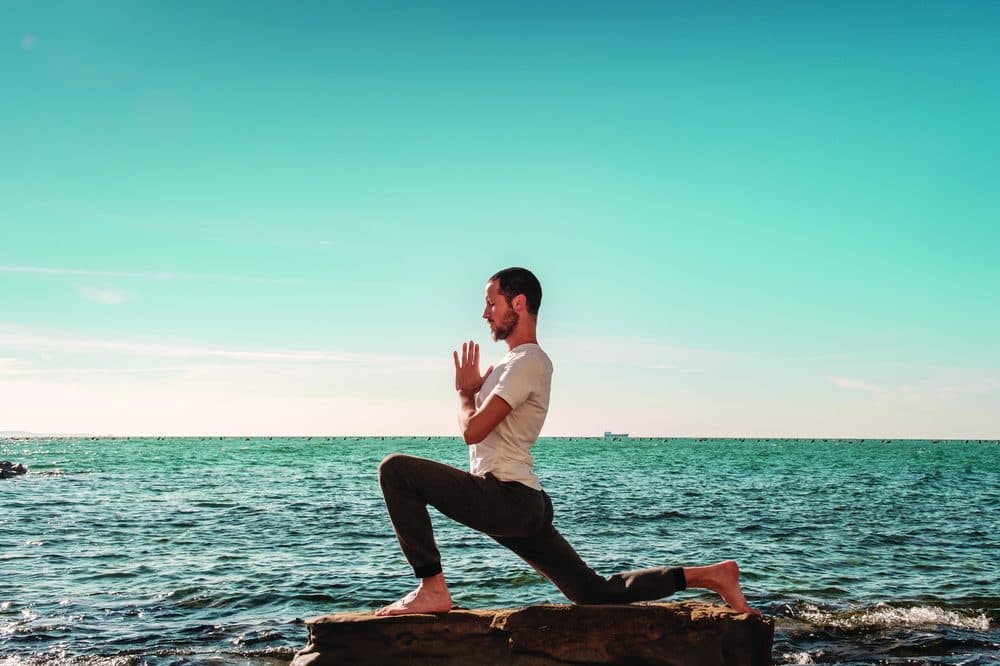
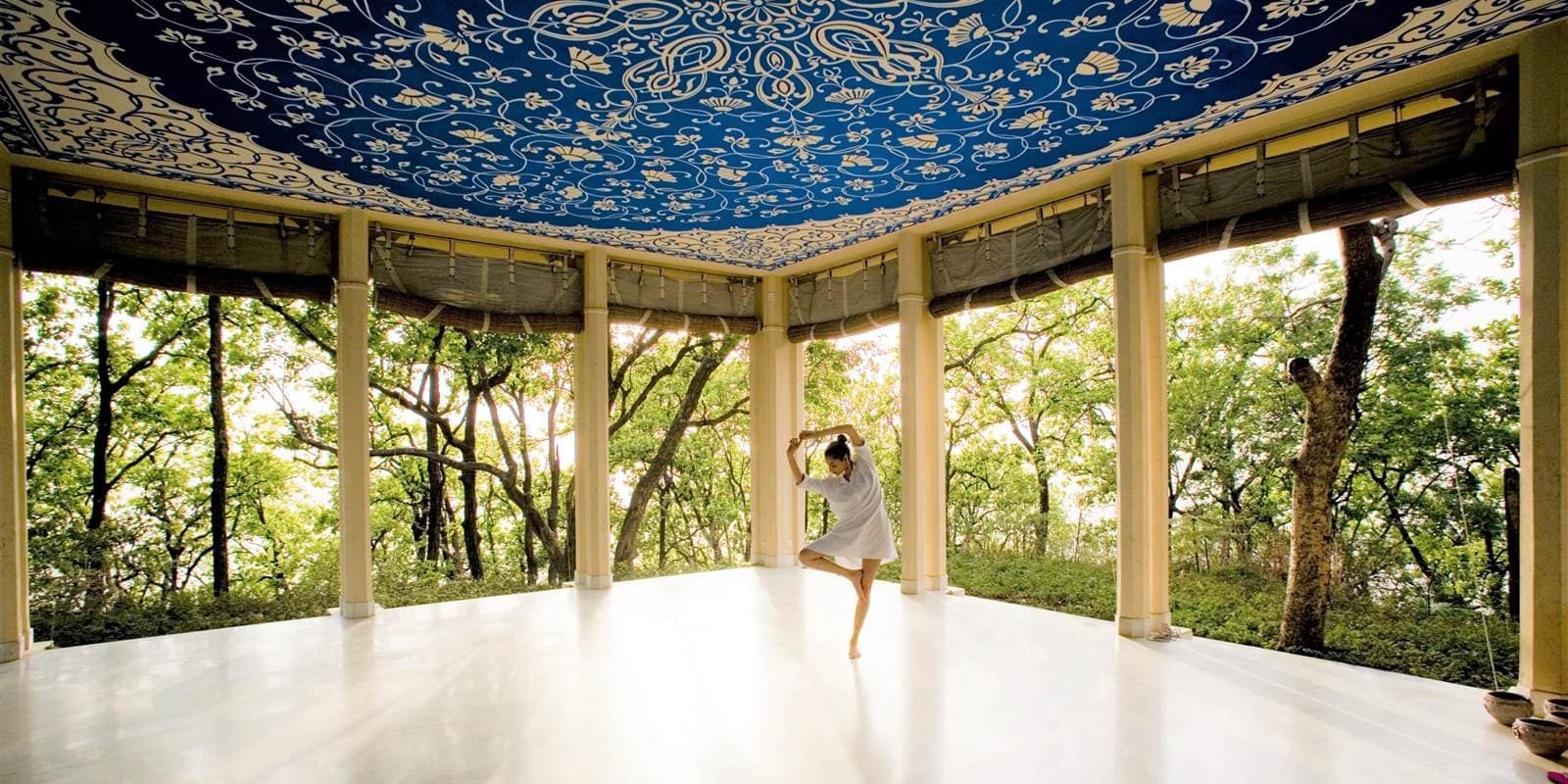
Ayurveda, which means the science of life and began to develop more than 3,000 years ago, seeks to restore balance from illness or to just gain greater wellness through doshas (life forces) and specific foods and medicines. Yoga connects body, mind and breath through asanas (physical postures), pranayama (breathing techniques) and meditation (focusing the mind to achieve relaxation), with the overall aim of well-being, stress relief, flexibility. Naturopathy, practised by Mahatma Gandhi, believes in the body’s innate ability to heal itself with a maximum-energy diet (mostly uncooked), massage, plenty of clean fresh water, sunlight, exercise and stress management.
How to find the right retreat
The key to finding the perfect fit for oneself is a bit of background research. The good retreats have informative websites and staff are available for email chats. For instance, the mere idea of drinking quantities of ghee for a full Ayurveda detox might be well above many people’s tolerance levels, whereas the gentler oil-pulling (gargling oil), favoured by naturopathy to maintain oral health and gut health, might be just about doable. The demands of yoga might not suit someone with high blood pressure. Naturopathy’s raw food might be indigestible for some or a welcome diet modification for others. Indeed, some call naturopathy ‘a doctor without medicine’, and it’s certainly easier to follow in post-retreat life than Ayurveda whose precision treatment requires a doctor’s supervision.
Investing time to decide what sort of programme will work best will have direct payback. One option is to start by choosing a retreat that offers all three systems for a first experience; then, next time – for this tends to be a progressive healing path – create a personal cocktail or go to a more specialised place.
For example, the pioneering CGH Earth group in south India has a range of retreats. Swaswara is set on a lush estate on the Karnataka coast just south of Udupi pilgrim town, and guests taking treatments can bring partners and children who are not; programmes range from a five-night mixture of treatments to one focusing on menopause. Next step up might be their mountain-top Prakriti Shakti for a deep dive into naturopathy, or a fortnight of rigorous ayurveda at Kalari Kovilakom or Kalari Rasayana.
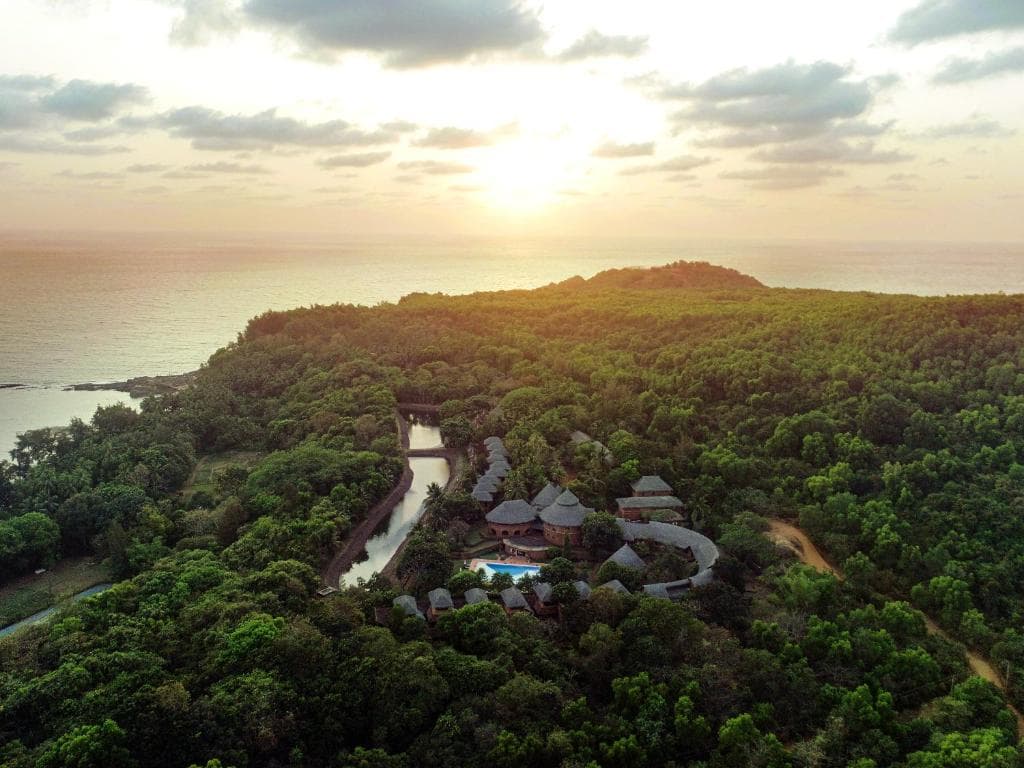
If location, luxury and a full range of programmes is important, perhaps go into the Lower Himalaya to anandaspa overlooking the Ganga near Rishikesh, skip up the Sahyadri mountains behind Mumbai to dharanaretreat’s 2,500-acre estate, or slide away from Delhi to Six Senses Vana at Dehradun to receive ayurveda as well as traditional Chinese medicine and Tibetan Sowa-Rigpa.
Patience is virtue
To go to a health retreat is to embark on a journey; it is not ‘medical tourism’ to quick-fix your teeth. In order to work, it requires an open mind. And patience, because holistic treatments take time. Being worried about losing muscle built-up in the gym is no help either, because the diet is likely to be gentle and low-protein to help the regime work. Nor is arriving with a fixed idea of the root cause of your lack of wellness; in fact, the experts might discover it is something quite different.
Give it time, at least a week but preferably two. Submit to the experts and trust them, they have the same goal as you: your greater fulfilment and happiness. You may start to feel better while you are there but the real improvement kicks in once you are home. Then, it’s time to book the next one.
Does India have luxury wellness retreats?
Yes, India has plenty of luxury wellness retreat options, key among them being Ananda Spa, Dharana Retreats and the Six Senses Vana
Best wellness retreats in India
Some top-rated wellness retreats in India are Ananda Spa, Dharana Retreats, Six Senses Vana and Swasara by the CGH Earth Group
Award-winning wellness retreat in India
Ananda Spa, nestled in the foothills of the Himalayas in North India is an award winning wellness retreat overlooking the Ganga in Rishikesh
What is Ayurveda?
Ayurveda, which means the science of life and began to develop more than 3,000 years ago, seeks to restore balance from illness or to just gain greater wellness through doshas (life forces) and specific foods and medicines
What is Naturopathy?
Naturopathy believes in the body’s innate ability to heal itself with a maximum-energy diet (mostly uncooked), massage, plenty of clean fresh water, sunlight, exercise and stress management.