Our ‘If you are ever in…’ series celebrates the hidden gems you find in small towns that rarely feature on travel itineraries. We shine a light on the priceless luxuries of tiny eateries, humble temples, and hidden sights worth exploring if you find yourself in the area.
Key Highlights
- In Cuttack, a single bowl of dahibara aloodum captures the spirit of the Silver City — messy, magical and unforgettable.
- This iconic Odia street food layers cool dahibara, fiery aloodum and warm ghugni into a riot of flavours, textures and temperatures.
- So beloved is the dish that March 1 is marked as Dahibara Aloodum Dibas, with efforts underway for a coveted GI tag.
- Born near Barabati Fort, the snack has travelled from historic lanes to every bustling corner of town and state.
- From steel bowls to sal-leaf plates, it remains affordable comfort at Rs 40–60, best savoured standing by a street cart.
- Michelin-starred chef Vikas Khanna has hailed it as “genius” — proof that Cuttack’s favourite bowl now tempts palates far beyond Odisha.
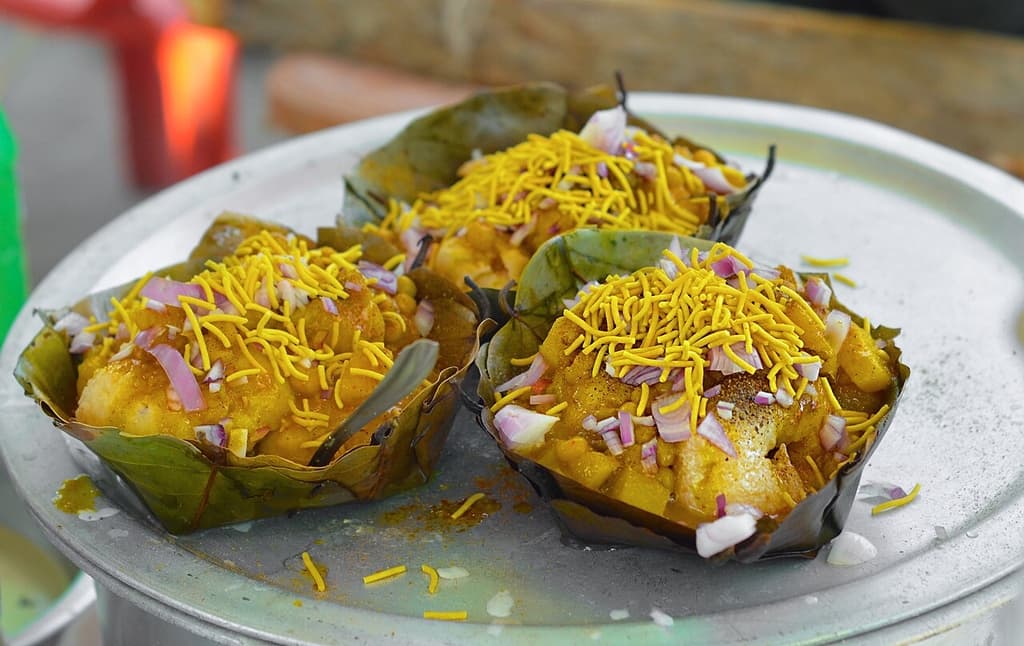
Wherever you are in the world, mention dahibara aloodum, and you will make any Odia’s mouth water.
Unlike other variations of the fresh and spicy snack dahi vada, the version from Cuttack, in the eastern Indian state of Odisha, teases your taste buds with a whole medley of flavours. In it, cool and tangy dahibara sits snugly alongside hot and spicy aloodum with (ghugni) warm yellow pea curry.
The streetfood is so beloved, fans even celebrate Dahibara Aloodum Dibasa on March 1. An entire day dedicated to a hyperlocal speciality for which the Cuttack administration has applied for a Geographical Indication (GI) Tag.
What it literally boils down to is this: Dahibara aloodum is simple comfort in a bowl — the kind of fare that makes you slow down, stand by a street cart, and feel briefly like you belong.
But you don’t have to be Odia to fall in love with it — you just have to be in Cuttack, Odisha’s quaint riverside Silver City. Here, with the clink of steel bowls and the ring of a cycle bell, a humble street cart serves up a dish that is less a snack and more a memory.
If you ever find yourself in this shy 1,000-year-old town, the dahibara aloodum is a tasty way to get to the heart of it. Hardly available elsewhere (something every Odia rues), the dish is comforting, filling and welcomes you in its own messy way.
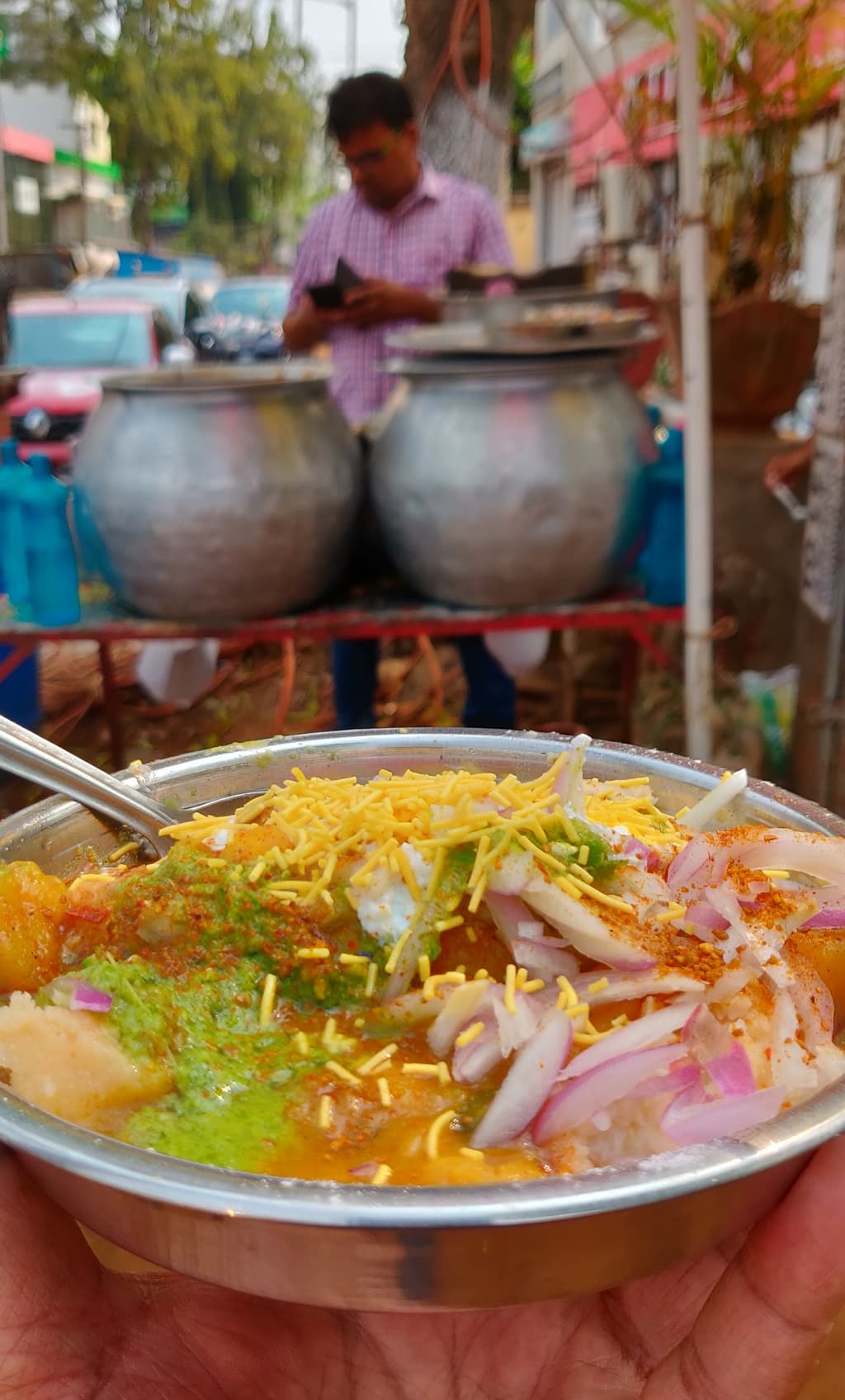
Bite into a soft white lentil fritter, soaked beforehand in yoghurt with a mild tempering of jeera and red chilli. The aloodum swims in a moody red gravy and the comforting yellow ghugni adds to the party. All with a colourful garnish of chopped onions, green chillies, coriander, chilli and cumin powder, and a generous sprinkle of crispy sev. It is a riot of colours, temperatures and textures — cool, hot, soft, spicy, tangy, and sweet, served on steel plates or bowls made out of sal or banyan leaves.
Build a perfect bite, making sure a bit of everything is included, and shovel it in, all in one go, for the most impact, locals say.
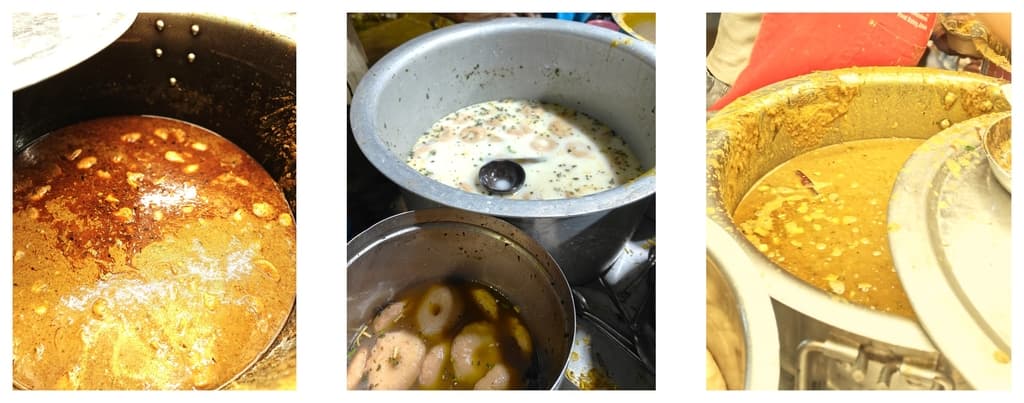
Previously clustered around the historic Barabati Fort, you can now find dahibara aloodum vendors in almost every nook and corner. Not to forget the ones who cycle along the lanes, balancing their pots with practiced ease. They dish out the dahibara with a coconut shell bowl, never forgetting to offer extra helpings of the dahi (yoghurt) to help soften the spice. Some even offer pedas (milk fudge) as a little dessert.
Dahibara sellers Trinath, Ishwar, Babula, and the famous late Raghu on the riverbank are household names in Cuttack, with visitors coming down from its twin city Bhubaneswar for their share of the deliciousness.
From the streets of Cuttack, this unforgettable dish has even caught the eye, and palate, of Michelin-starred chef Vikas Khanna, who called dahibara aloodum a “genius” and “magical” culinary creation.
(Watch him enjoy the dish on Instagram)
Khanna even recreated the dish at a special event in Mumbai’s SOMA restaurant, alongside chef de cuisine Reena. Clips of him declaring himself a fan for life quickly went viral on social media.
If you are missing a taste of home, or want to try a new twist on an old favourite, you can recreate dahibara aloodum in your own kitchen with this recipe.

What you will get: A bowlful of rich, colourful and varied flavours – a party in your mouth
Origins: Around Bidanasi, near the historic Barabati Fort, when a Cuttacki accidentally mixed dahibara and aloodum
Best spots: Barabati Fort, Stadium, Kanika Chhak, Badambadi, Bidanasi Chhak and many other spots.
When: While early evening is the best time to have it fresh, it tastes good at any time of day (or night)!
Price: Between Rs 40 and Rs 60 per plate