Key Highlights
- Chef Ranveer Brar explores five iconic dishes that capture the history, culture and culinary identity of Lucknow
- The legendary galawati kebab reflects the city’s ability to transform a practical challenge into a culinary masterpiece
- Lucknow’s shami kebab combines meat and chana dal, showcasing balance, economy and flavour in a single dish
- Yakhni pulao highlights Awadhi refinement, relying on a delicately flavoured stock rather than heavy seasoning
- Nihari demonstrates the importance of patience in cooking, with overnight preparation creating its signature depth and richness
- Seasonal favourites such as nimish and kali gajar ka halwa celebrate Lucknow’s connection to weather, tradition and fleeting culinary experiences
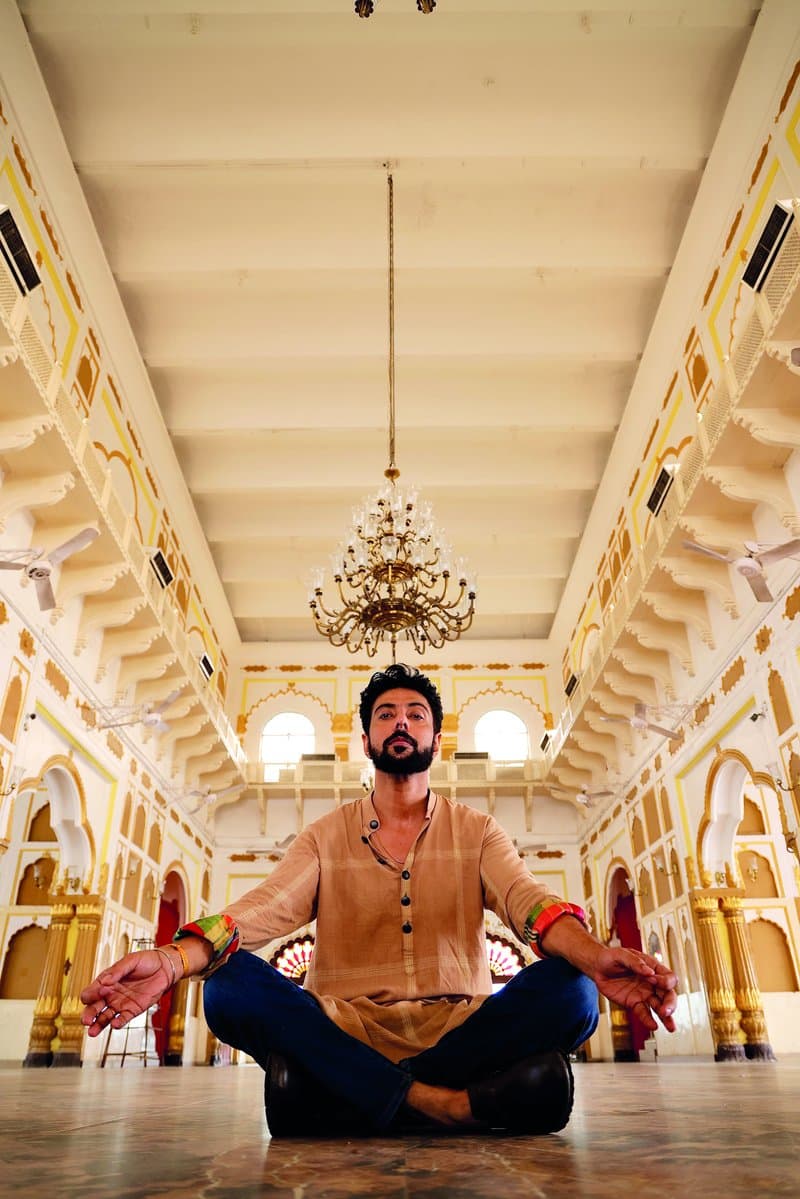
When people talk about Lucknow, they often talk about kebabs, biryani and nawabs. What fascinates me is something deeper. Every great Lucknow dish is actually a lesson in adaptation. A dish was created because a problem needed solving, a season needed to be celebrated, food had to be preserved or an ingredient had to be honoured.
When you visit Lucknow next, I hope you get to experience its unique magic through these five dishes.
GALAWATI KEBAB
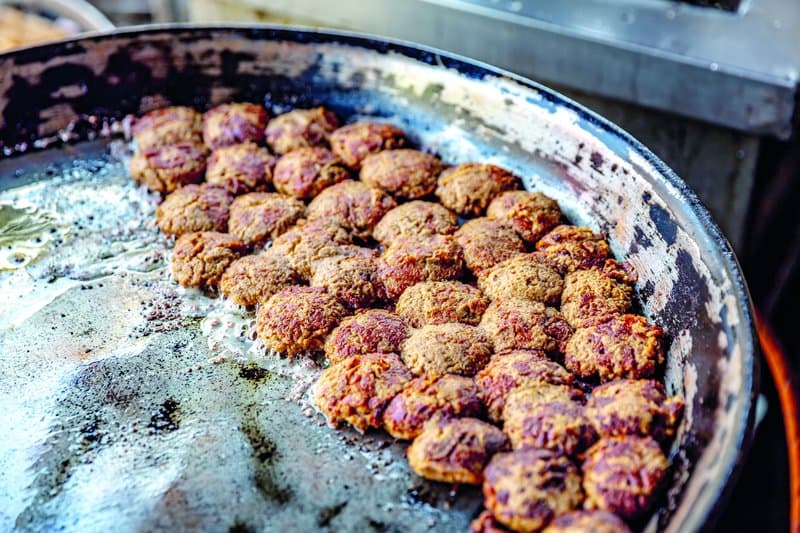
Legend says the galawati kebab was created for an ageing Nawab who could no longer chew his food comfortably. Whether every detail of that story is true hardly matters today because the dish itself proves the point. Here was a city that responded to a physical limitation not by compromising pleasure, but by reinventing texture.
What makes the galawati kebab unique is not just its softness. It is the balance between meat, fat and spices. The kebab dissolves almost instantly, yet it retains that structure long enough to carry flavour. That is the magic of its technique.
Today, there are many versions of the kebab but the challenge lies in keeping the traditional craftsmanship alive. Making a true galawati requires patience and precision, which is in itself an act of preservation.
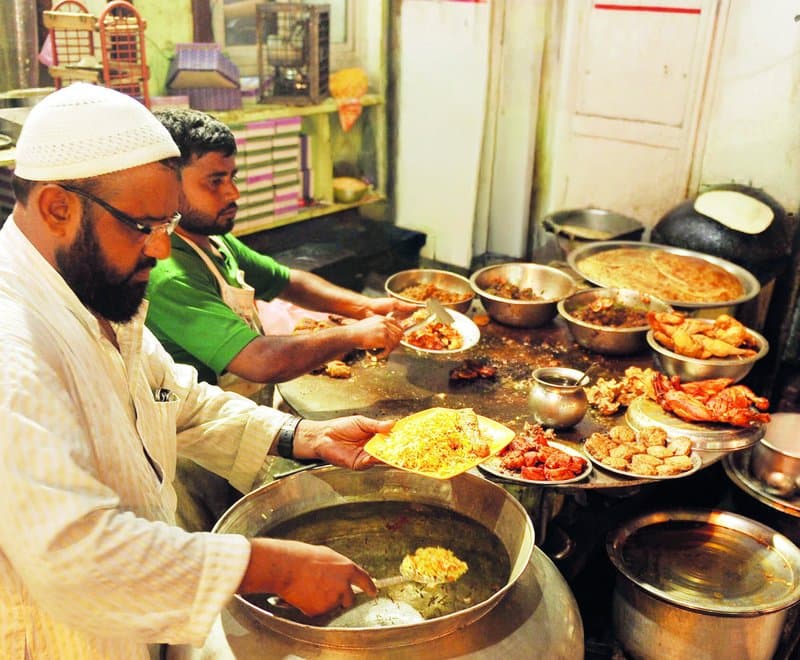
Where I go: Tunday Kababi, Chowk
A kebab that was created for a Nawab. A shami born from balance and economy. A pulao built on extraction rather than excess. A nihari dependent on time. A dessert dependent on weather. They survive because each generation chooses to preserve them. And nowhere is this being done better than in Lucknow
SHAMI KEBAB
Everyone knows galawati. But few appreciate the brilliance of a Lucknowi shami kebab. A proper Lucknowi shami is not just minced meat; it is meat and chana dal cooked together until inseparable. The kebab beautifully carries the richness of meat and the earthiness of lentils.
What also makes the shami special is its honesty. It doesn’t hide behind texture. It instructs the cook, ‘Hey, get the proportion, moisture and seasoning exactly right so I can be me!’
Today, dishes like shami are being rediscovered by chefs and food historians because they represent cooking traditions that are sustainable. In a shami kebab, nothing is wasted and every ingredient serves a purpose.
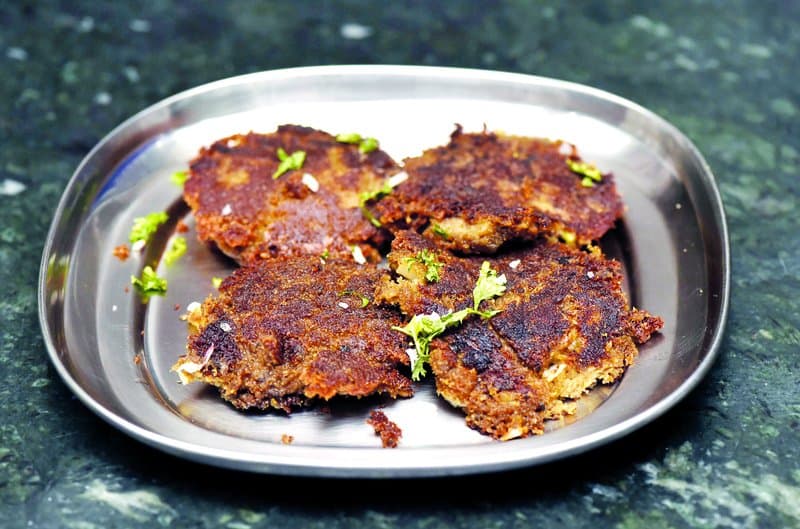
Where I go: Some of the finest examples survive at Sakhawat Restaurant in Kaiserbagh, reminding us that Lucknow’s culinary heritage extends far beyond the famous names.
MUTTON YAKHNI PULAO
The debate between Lucknow and Hyderabad is a long-standing one and I doubt it will ever end, nor should it. Cities need to be soaked in cultural conversations tempered with arguments. Kind of like the yakhni pulao itself.
When Lucknow’s yakhni pulao is made, the main pillar of its flavour is extracted before what you might think of as “the cooking process” begins. The yakhni or stock is first made from meat and spices and the rice then absorbs this flavour. Yakhni pulao is one of the finest examples of Awadhi refinement. Nothing shouts.
Where I go: Idrees Biryani.
NIHARI
Most recipes list spices. Nihari’s main ingredients are time and patience. Cooked overnight, in a pot of nihari, time does the work that shortcuts cannot. Collagen breaks down, flavours deepen and the broth develops complexity that is simply impossible to create quickly.
It likely originated in Lucknow, and what makes it unique is the finishing touch of flavoured ghee, known locally as tehra. That final aromatic spoonful transforms the dish. Today, as chefs around the world embrace long fermentations and slow cooking anew, nihari feels contemporary again. Not that it ever went anywhere for those who knew where to look!
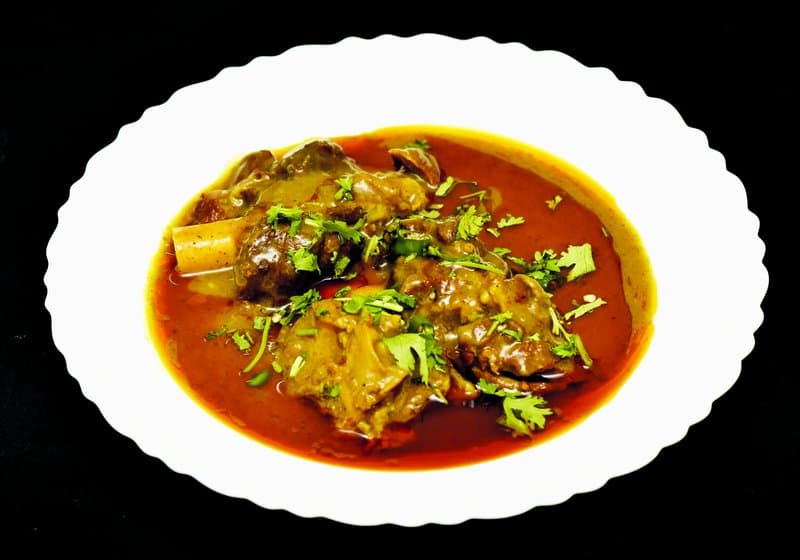
Where I go: Raheem’s.
NIMISH AND KALI GAJAR KA HALWA
Nimish is the poetry in Lucknow’s food. One of the most fragile desserts in India, it is made by aerating sweetened milk in the cold night air and whipping it into a cloud-like foam. It captures winter itself.
Pair it with kali gajar ka halwa and you have a seasonal experience that cannot be replicated anywhere else, anytime else. It exists for a few weeks and then disappears. Which makes it very much worth the trip!
In the age of fast food and mass-produced food, dishes such as nimish survive because people continue to care, to celebrate and more than anything else, to eat.
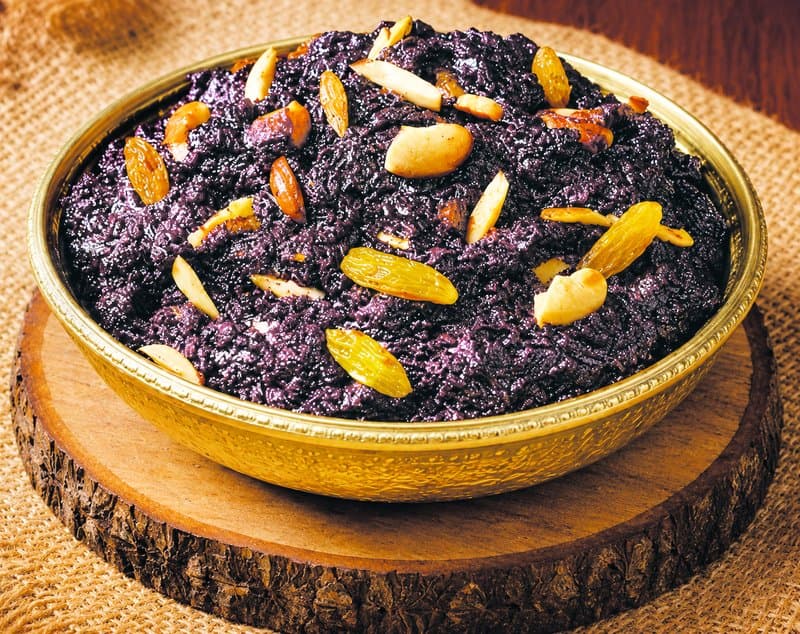
Where I go: The vendors around Gol Darwaza.
Why do these dishes matter? A kebab that was created for a Nawab. A shami born from balance and economy. A pulao built on extraction rather than excess. A nihari dependent on time. A dessert dependent on weather.
These dishes are challenging, fickle and fleeting. But they survive because each generation chooses to preserve them. And nowhere is this being done better than in Lucknow.
What are the most iconic dishes of Lucknow?
What are the most iconic dishes of Lucknow?
Galawati kebab, shami kebab, yakhni pulao, nihari, nimish and kali gajar ka halwa are among the city's most celebrated dishes.
Why is the galawati kebab famous?
Why is the galawati kebab famous?
The kebab is renowned for its exceptionally soft texture and is traditionally associated with a Nawab who reportedly had difficulty chewing.
What makes a Lucknowi shami kebab unique?
What makes a Lucknowi shami kebab unique?
A traditional Lucknowi shami kebab combines meat and chana dal cooked together until they become a seamless, flavourful mixture.
What is yakhni pulao?
What is yakhni pulao?
Yakhni pulao is an Awadhi rice dish in which rice is cooked in a rich stock, or yakhni, prepared from meat and aromatic spices.
What is special about nihari?
What is special about nihari?
Nihari is a slow-cooked meat stew prepared overnight, allowing flavours to deepen naturally. In Lucknow, it is often finished with flavoured ghee known as tehra.
What is nimish?
What is nimish?
Nimish is a delicate winter dessert made by aerating sweetened milk in the cold night air, creating a light, cloud-like texture.
Where does Ranveer Brar recommend eating galawati kebab in Lucknow?
Where does Ranveer Brar recommend eating galawati kebab in Lucknow?
Tunday Kababi is his recommended destination for galawati kebab.
Where can visitors try authentic Nihari in Lucknow?
Where can visitors try authentic Nihari in Lucknow?
Raheem's is one of the city's most famous destinations for Nihari.
What makes Lucknow a significant food destination?
What makes Lucknow a significant food destination?
Lucknow is considered the heart of Awadhi cuisine, known for its sophisticated cooking techniques, rich culinary history and iconic heritage eateries.