Key Highlights
- Lucknow’s reputation as a City of Poets dates back to the 18th century, when poets migrated from a declining Delhi to the flourishing court of Awadh
- Patronage from nawabs such as Asaf-ud-Daula and Wajid Ali Shah helped establish Lucknow as a major centre of poetry and literature
- Legendary poet Mir Taqi Mir found a literary home in Lucknow, contributing to the city's enduring poetic legacy.
- Lucknow’s poetry tradition encompasses ghazals, nazms, marsiyas, nohas, Dastangoi and Qissagoi, creating a rich and diverse literary landscape
- Poetry in the city has often intersected with politics
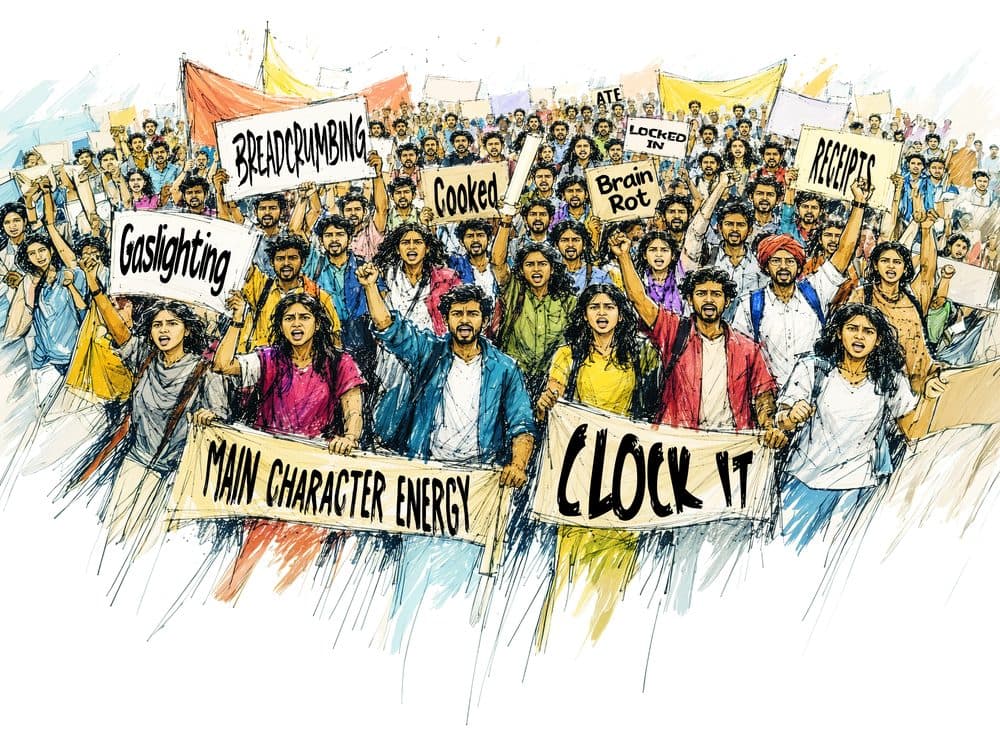
- Contemporary poetry thrives through open mics, spoken-word performances, literary festivals and digital platforms
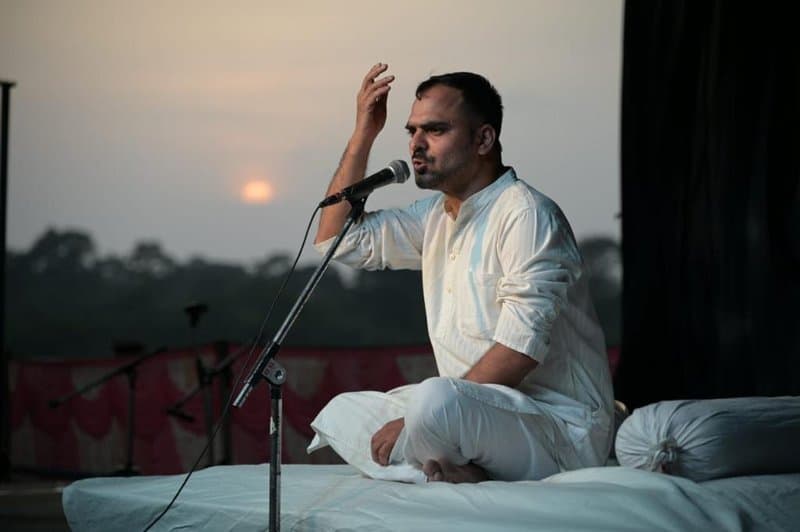
In Lucknow, poetry is not an art form — it is a way of life. It is no surprise, then, that this city is credited with producing some of the greatest masters of Urdu and Hindi literature, many of whom have been poets and shayars par excellence.
To understand why, one must go back a few centuries, to the 1700s, when the decline of Delhi’s Mughal court forced poets to shift further east.
A history lesson
Himanshu Bajpai, a well-known Dastango (long-form storyteller) from Lucknow tells DOT.in about a famous line, written for the fourth Nawab of Awadh, Asaf-ud-Daula: “Jisko na de maula, usko de Asaf-ud-Daula (Asaf-ud-Daula gives even to those whom God doesn’t).”
After a falling-out with his mother, when he shifted the capital of Awadh from Faizabad to Lucknow in 1775, word of his benevolence spread, attracting settlers from everywhere, but in particular from Delhi, which, by then, was reeling under the crumbling Mughal rule. “Jab Dilli ujad raha tha, Lucknow aabad ho raha tha (When Delhi was a mess, Lucknow was flourishing),” says Bajpai.
It was in such a political climate that Mir Taqi Mir, the Khuda-e-Sukhan (God of Poetry), arrived at the Court of Lucknow, at the Nawab’s behest from his beloved Shahr-e-Dilli (city of Delhi).
Over time, the significant influx of poets (and the consequent flourishing of Urdu) can be traced back to one reason: the Nawabs were true patrons of the art.
“Lucknow ke Nawaabon mein kuch khud shayar the, jaise ki Wajid Ali Shah… aur Asaf-ud-Daula… yahi wajah thi ki unke zamaane mein shayari ko itna waqar mila (Lucknow’s Nawabs, like Wajid Ali Shah and Asaf-ud-Daula were shayars themselves, and that is why shayari received that kind of push at the time),” says Bajpai.
One tree, many branches
Poetry in Lucknow has never been one single path, it has been many, all running parallel and complementary to each other. The most popular among these are the ghazals and the nazms, linked to mushairas that the city is so well known for. Then there is something more solemn.
“There is a poetic tradition of mourning associated with Muharram – Noha and Marsiya,” says Sabika Naqvi, a young spoken word artist in Lucknow. Some of the most popular of these verses are written by Salamat Ali Dabir and Mir Babbar Ali Anees, whose verses were “very dramatic... very revolutionary.”
Of course, if poetry is around the corner, can stories be far behind? That is where Dastangoi and Qissagoi come in — storytelling of two kinds: the former for epics and the latter for short stories and folk tales.
Interlaced among all of this is politics. “The Progressive Writer’s Movement brought together poets who were also activists and organisers,” says Naqvi. She notes that this thread of poetry seems to be slowly running out, as more and more young artists steer away from politics and find poetic fulfillment elsewhere, most notably in poems about love and heartbreak.
New verses, new voices
Nowhere is this more evident than in the enduring nature of ghazals. “A ghazal poet inherits a complete set of ready-made conventions — the lover, the beloved, the madness, the mehfil, the tavern, the temple, the heart. This allows a poet to begin composing ghazals without much groundwork,” says Timsal Masud, Professor at Columbia University.
What about social media?
Masud advises caution here: “These platforms have expanded the poet’s reach… they receive appreciation almost instantly…. This is good, but it is also a trap.” The poet must not forget to revisit their poetry before presenting it.
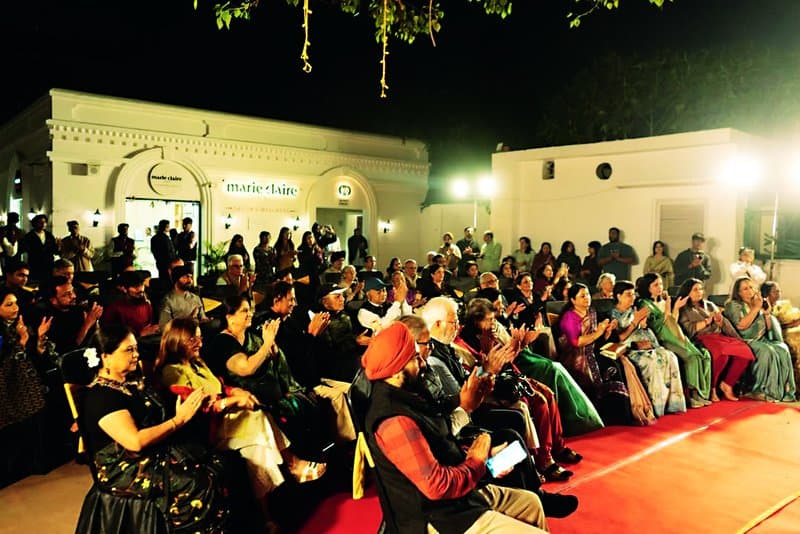
Cautious or not, poetry in Lucknow shows no signs of slowing down. The city continues to nurture a range of artist communities, mehfils, mushairas, literature fests — such as the popular Metaphor Lucknow Lit Fest — or national stages like Spoken Fest by Kommune.
The forms have changed, the language has transformed and so have the media, but one thing is undeniable. Every generation in this city has found its way to the same thing. The poem arrives (as do the poets), one way or another.
Why is Lucknow known as a City of Poets?
Why is Lucknow known as a City of Poets?
Lucknow became a literary hub in the 18th century when poets migrated from Delhi and found support under the patronage of the Nawabs of Awadh.
Who was Mir Taqi Mir?
Who was Mir Taqi Mir?
Mir Taqi Mir is regarded as one of the greatest Urdu poets and is often referred to as the "Khuda-e-Sukhan" or God of Poetry.
What is a mushaira?
What is a mushaira?
A mushaira is a traditional gathering where poets recite and share their self-composed works, typically in Urdu.
What are ghazals?
What are ghazals?
Ghazals are poetic couplets built around themes such as love, longing and philosophy.
What are nazms?
What are nazms?
Nazms can be written in rhymes or in prose and offer greater structural freedom.
What are marsiyas and nohas?
What are marsiyas and nohas?
Marsiyas and nohas are poetic forms associated with mourning and remembrance during Muharram, particularly within Shia cultural traditions.
What is Dastangoi?
What is Dastangoi?
Dastangoi is a traditional form of oral storytelling that presents long-form epics, adventures and historical narratives through dramatic narration.
How did the Nawabs contribute to Lucknow’s literary culture?
How did the Nawabs contribute to Lucknow’s literary culture?
The Nawabs actively patronised poets, writers and artists, creating an environment in which Urdu and Hindi literature could flourish.
Does Lucknow still have a strong poetry culture today?
Does Lucknow still have a strong poetry culture today?
Yes. The city hosts mushairas, open mics, literary festivals and spoken-word events that continue to attract both established and emerging poets.
What role do literary festivals play in Lucknow today?
What role do literary festivals play in Lucknow today?
Events such as the Metaphor Lucknow Lit Fest and Spoken Fest provide platforms for poets, storytellers and literary enthusiasts to connect and share their work.
What role do literary festivals play in Lucknow today?
What role do literary festivals play in Lucknow today?
Events such as the Metaphor Lucknow Lit Fest and Spoken Fest provide platforms for poets, storytellers and literary enthusiasts to connect and share their work.