Key Highlights
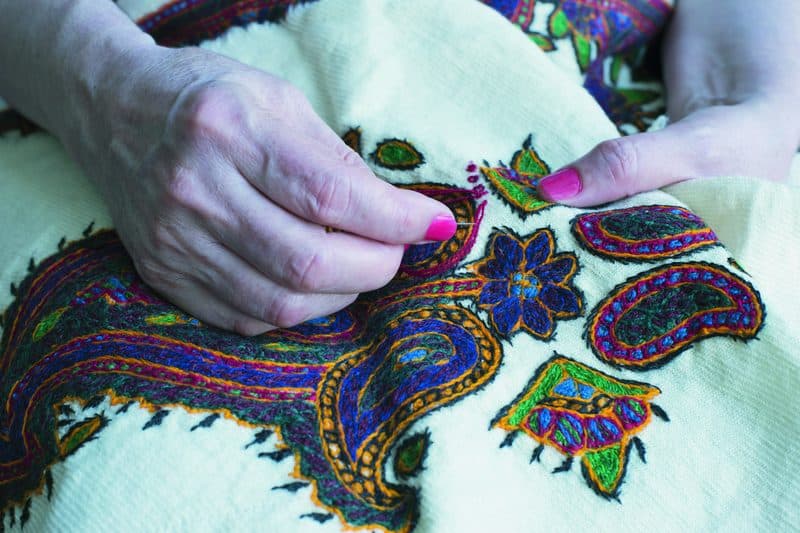
- Chikankari is one of Lucknow’s most celebrated embroidery traditions, known for its intricacy and elegance
- Behind every embroidered textile lies a network of skilled artisans, including designers, block printers, dyers, washermen and darners
- The creation of a chikankari piece begins with design tracing and printing long before the first stitch is embroidered
- Women artisans form the backbone of the chikankari industry
- Lucknow’s chikankari heritage is protected through a Geographical Indication (GI) tag that links the craft to the city
- Historical changes following the 1857 uprising contributed to the growth of chikankari as a source of livelihood for women
- Despite global recognition and appearances on international red carpets, many artisans remain economically and socially marginalised
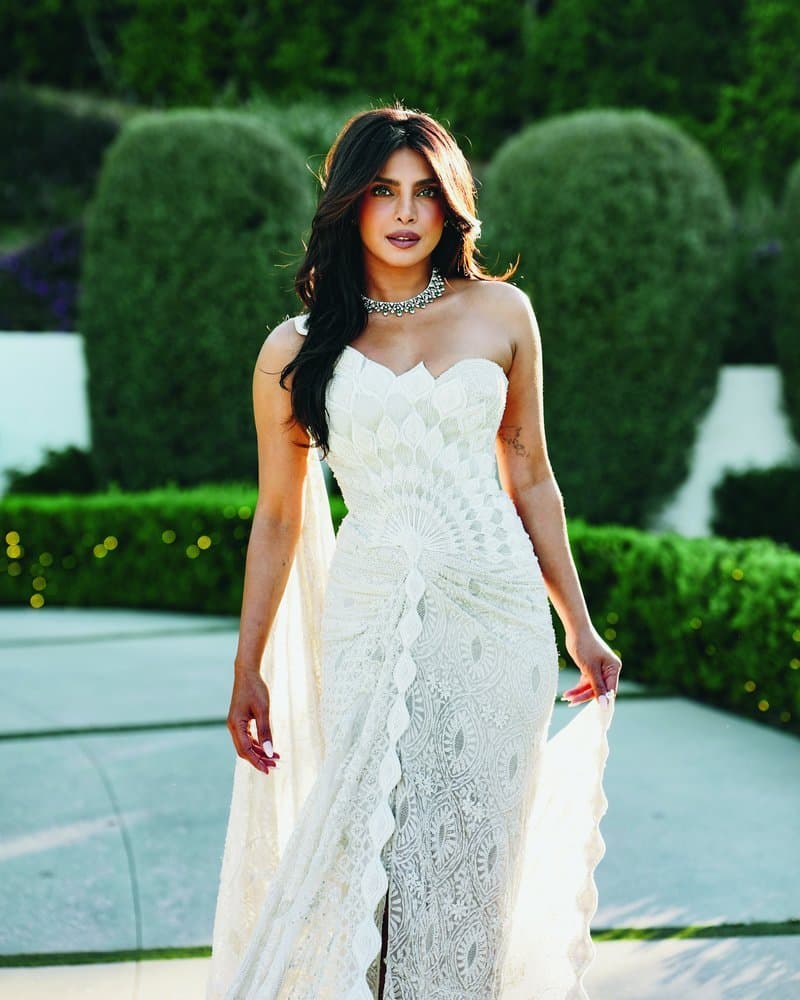
Priyanka Chopra Jonas stepped onto the red carpet at the Gold Gala in New York in a sculpted yet ethereal white gown and the global fashion press paused. The white-on-white embroidery, the multiplicity of stitches and the delicate strength of the ensemble spoke of a quiet glamour, quite at odds with recent red carpet appearances.
A recipient of the Global Vanguard honour for the second time, Chopra Jonas played her part to perfection with her choice — the custom Amit Aggarwal gown made from a 20-year-old saree hand-embroidered in the centuries-old craft tradition of chikankari.
Chikankari is usually hand-made by skilled kaarigars or artisans, primarily in and around Lucknow, Uttar Pradesh. Lucknow’s riches when it comes to skilled embroiderers — be it chikan or zardozi — are globally renowned. What is less known are two other threads of the story — one common to all embroidery forms while the other is specific to Lucknow.
The first is that of the crafts behind the art — all the pre-processes that are necessary before a single stitch is sewn on fabric as well as the post-processes before the textile reaches the retail outlet. The second is that chikankari is done mostly, if not completely, by women artisans.
What comes first
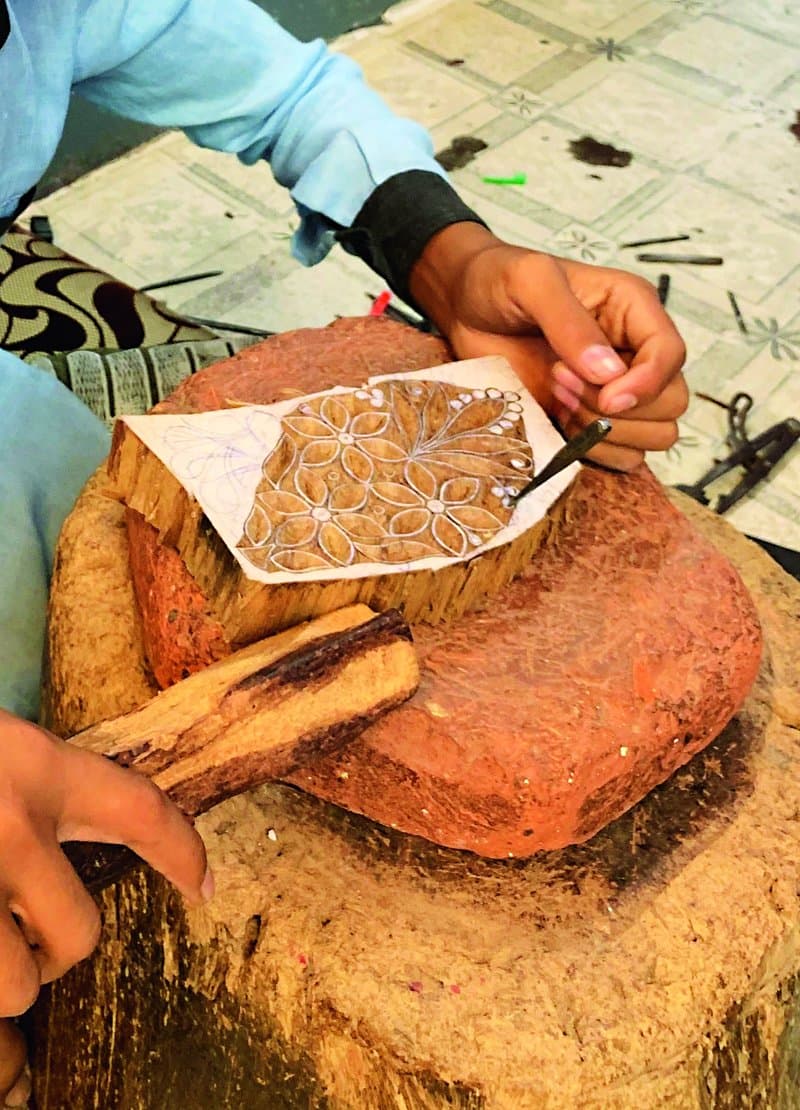
The designers, the woodblock carvers, the chhipa (printers) who print the motifs, the rangrez (dyers) who bring colour to the cloth, the skilled dhobis (washermen) who clean the stains of the printing ink or the raphugars (darners) who mend the tears that often appear during the process of embroidery — all are necessary to the process. And these are integral to any chikan or zardozi textile and not just the premium ones. Whether the final product costs ₹700 or ₹700,000, all of these artisans have a hand to play.
An embroidered textile is born in the hot environs of a karkhaana (workshop). This preparatory stage remains a male-dominated space. The first to put his mark on the cloth is the khaaka (design) maker — he translates the designer’s vision into a literal blueprint. With specialised tracing paper he drafts detailed patterns, plotting curves of vines or the mathematics of a Mughal jaali (lattice) stitch. Fine needles are then used to painstakingly perforate the paper along the lines of the design.
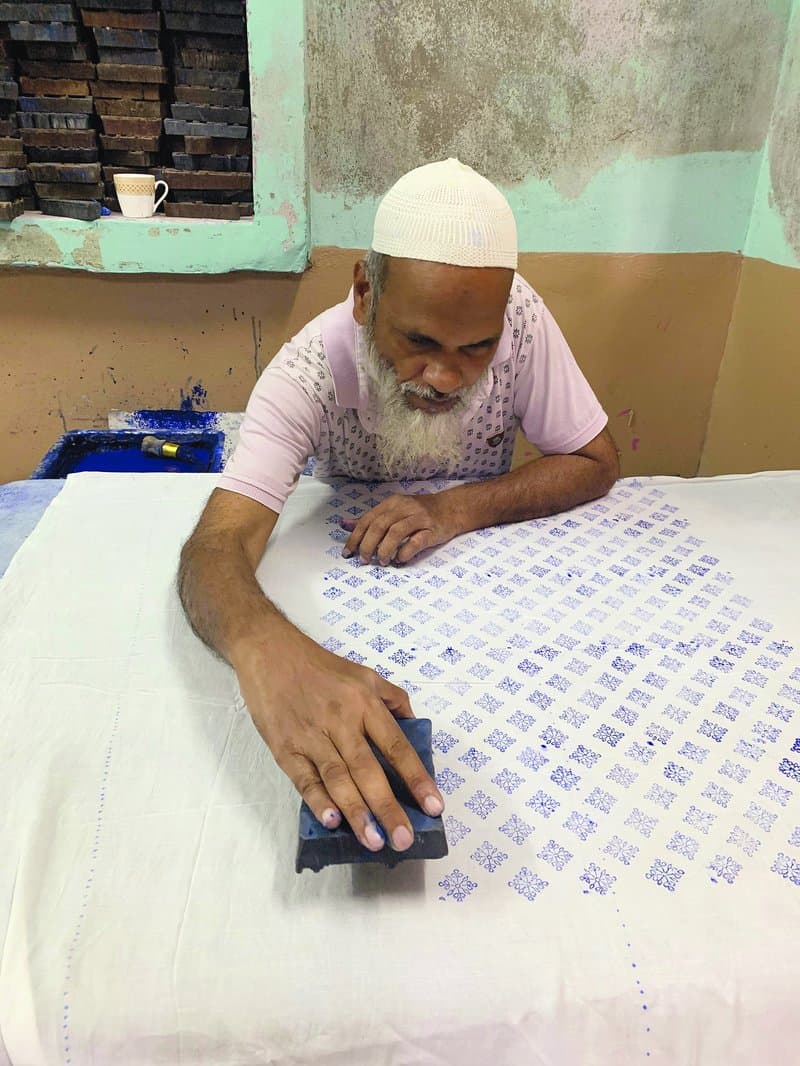
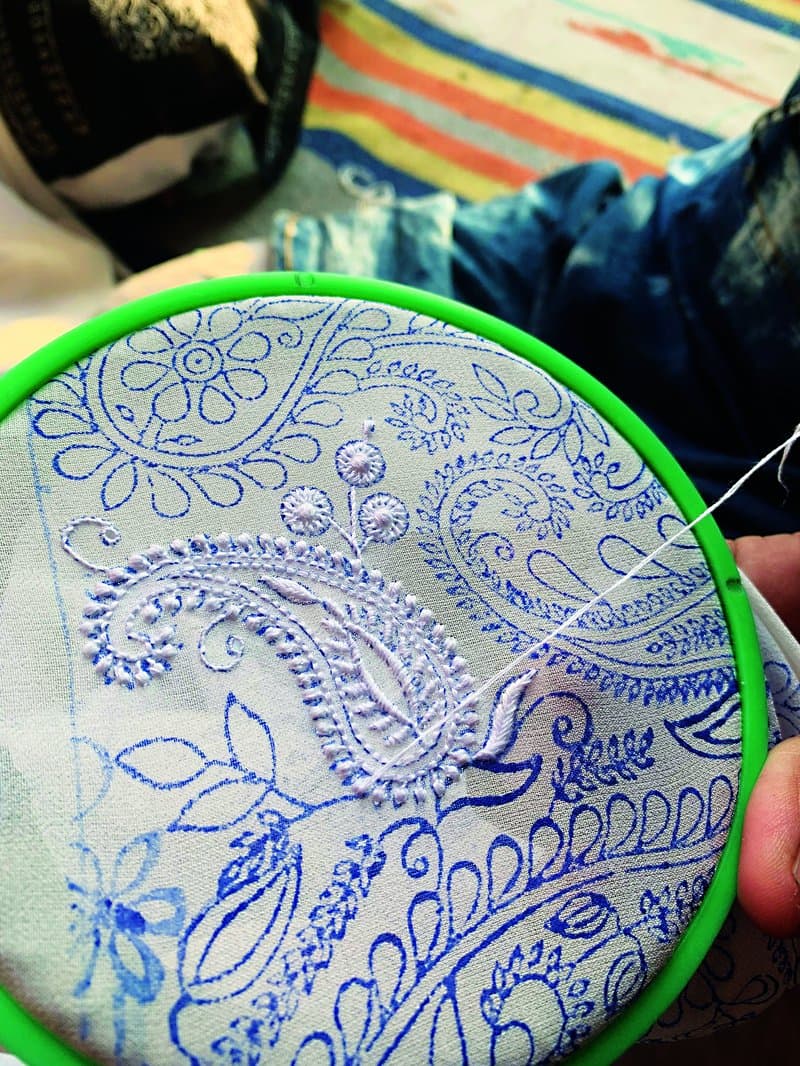
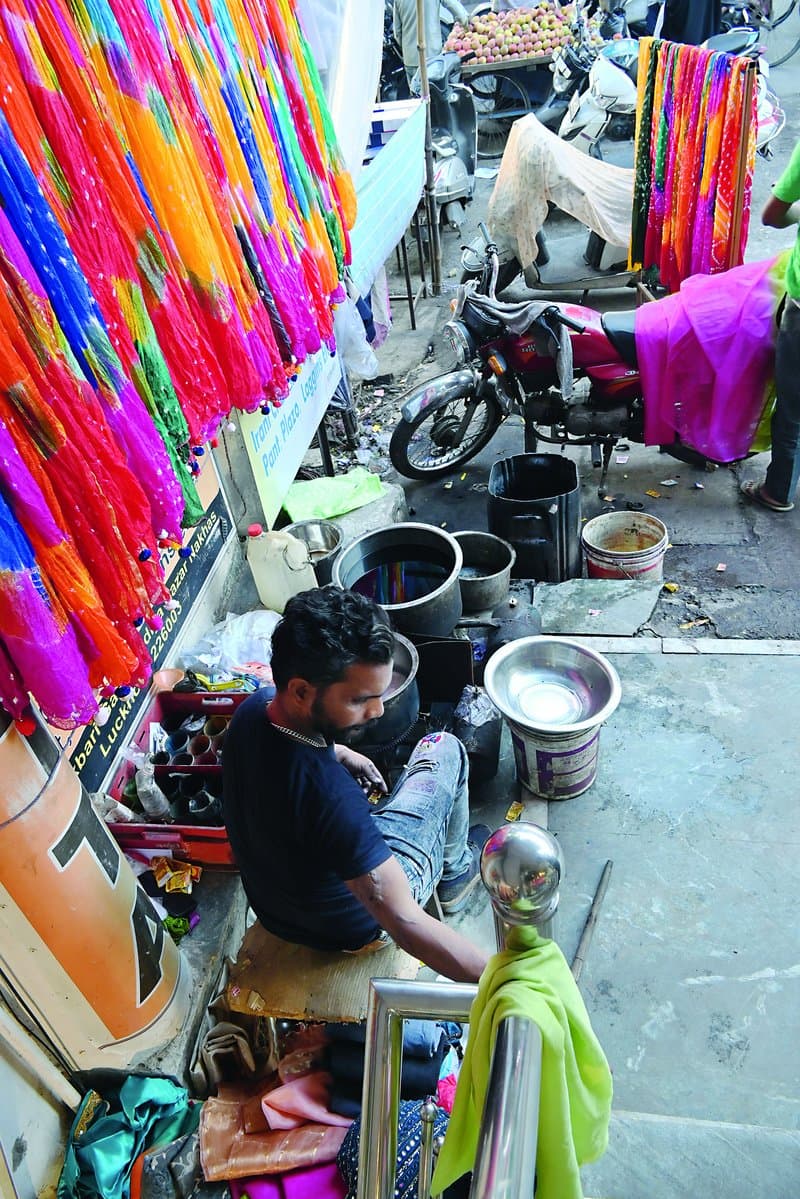
Then comes the rangrez (dyer). Bent over steaming vats, they treat the fabric with colour before or after it reaches the embroidery frame. They modify chemical baths by eye, matching precise designer swatches. Skilled at understanding fabric tension, they ensure that the dyes do not distort the textile, thus ensuring the structural integrity of the future needlework.
It is then that the fabric goes to the embroiderers. After months of hand-stitching, the piece is complete, but also usually stiff and soiled.
The last mile
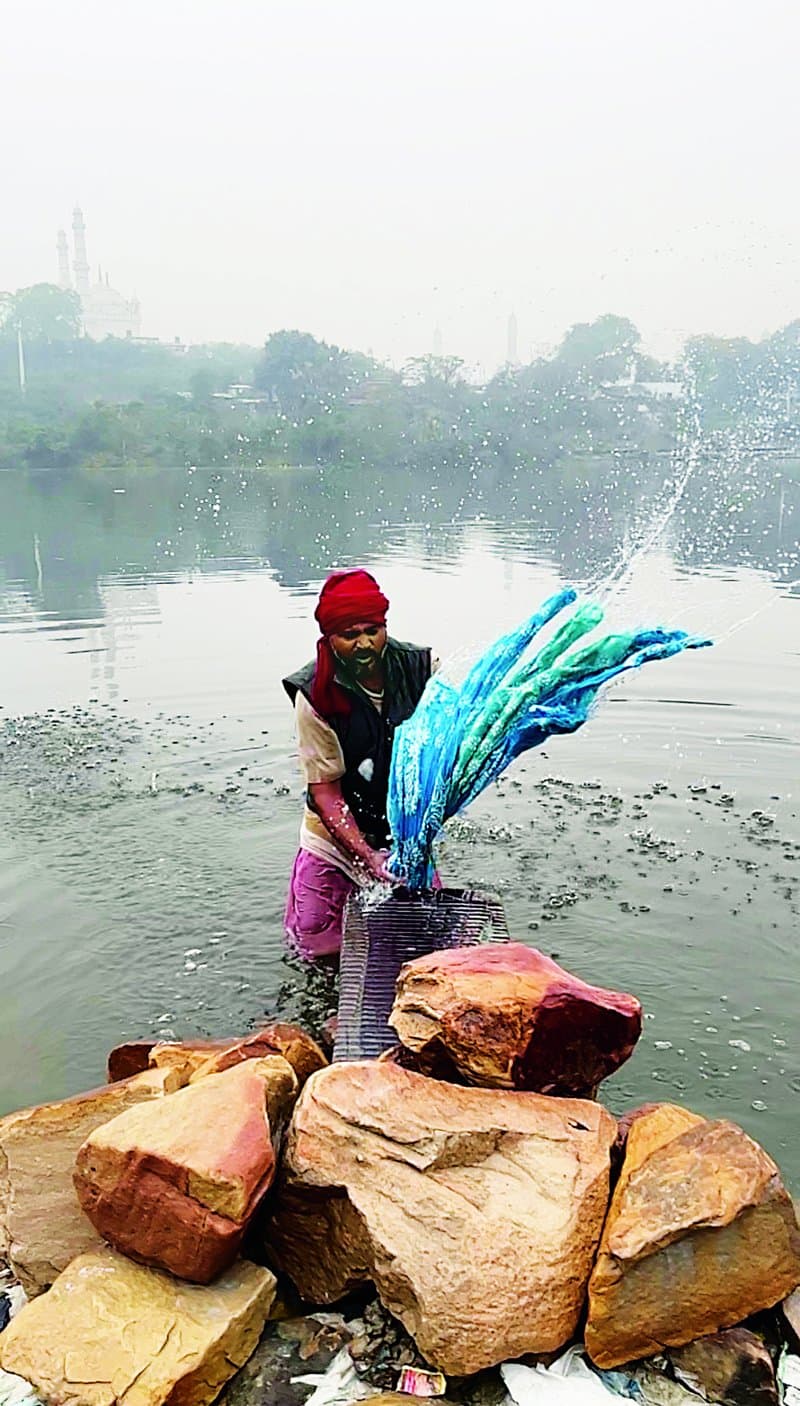
The fabric often is compromised by dust, skin oils and printing ink. Cleaning such an expensive textile is a dangerous science. The specialised dhobis first clear the indigo print, with a precise soak using diluted acid — roughly 50 grams per 20 litres of water — for exactly five minutes. An overnight chemical wash in a mix of caustic soda, bleach and commercial detergents later, the fabric is starched and sun-dried to its original texture.
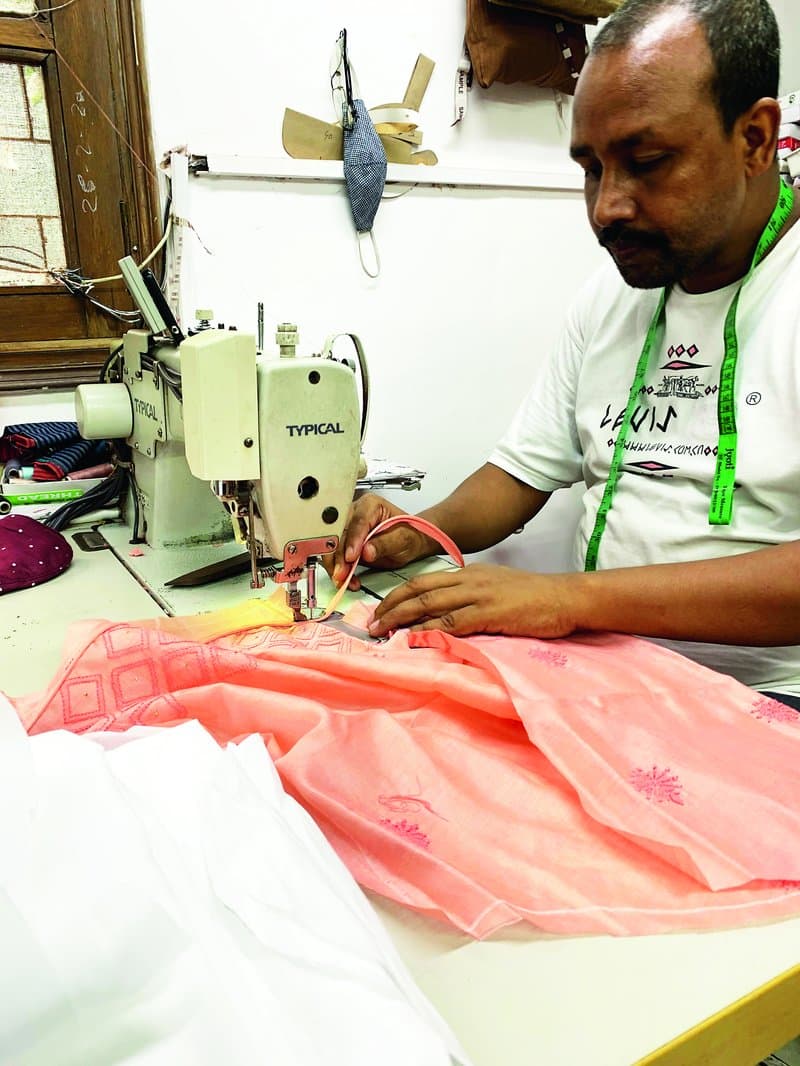
The final touch is the domain of the raphugar and other finishing artisans. Hand-embroidery exerts uneven structural tension on sheer fabrics. Tight stitches can warp the textile or create microscopic holes. The raphugars repair these flaws. Using a hair-fine needle, they harvest threads from the fabric’s raw edges to re-weave the warp and weft until the damage is no longer visible.
If metals are involved, such as in zardozi or mukaish, the embroidered textile then goes to a specialist for the process of ghutai. It is placed face-down on a rubber sheet and the artisan rolls the smooth, flat base of a glass bottle over it. This flattens the metal wires, and maximises the metallic shine. And finally, the textile is ready to be sold.
The place of women
Lucknow holds the Geographical Indicator or GI for chikan, thus locating it authentically in the city. Interestingly, zardozi is GI-tagged to cities such as Varanasi as well, and is practiced beautifully in other urban clusters such as Kolkata or Delhi. Chikan however has remained purely Lucknow’s preserve. This is tied to the fact that artisans are predominantly women, unlike most other professional embroiderers.
The reasons lie in history. With the decline of the Mughal Empire after Aurangzeb’s death, artisans started migrating. The Mughal mansabdars, Saadat Khan for Awadh, Murshid Quli Khan for Bengal and Asaf Jah for Hyderabad declared themselves as autonomous rulers and the three cities of Lucknow, Murshidabad and Hyderabad started developing. First as administrative capitals and then as cultural centres.
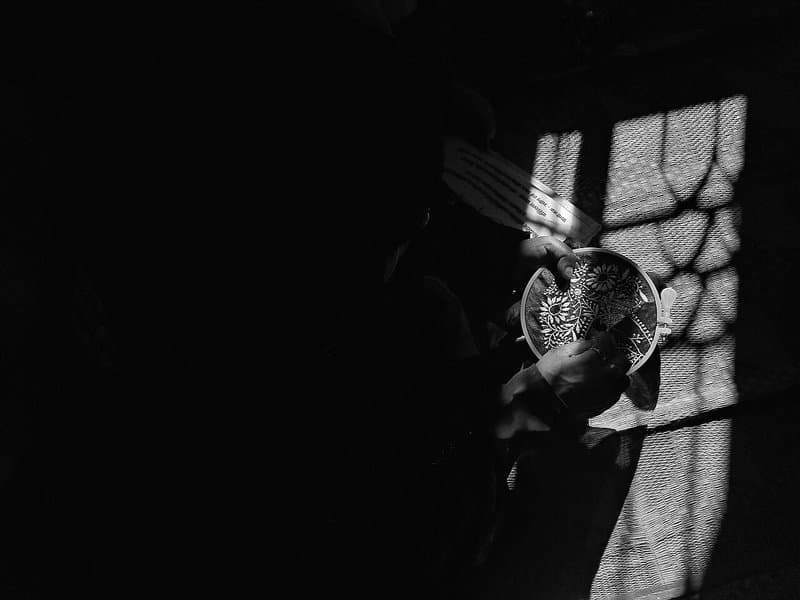
The migration of artisans from varied traditions made 18th century Lucknow a hub of skilled craftsmanship. Not just embroidery, but weaving, pottery and even architecture. History however talks only of men artisans during this time. The first proper historical references about women chikan embroiderers are found in William Hoey’s book, The Trade and Manufactures in Northern India published in 1880 by the American Missionary Press. A tax official in the North Western Provinces and Oudh, Hoey presented a detailed account of the trades practiced in the Provinces from which taxes could be accrued. He notes in his monograph that impoverished ladies from genteel families were commonly engaged in chikan embroidery all over Lucknow.
Hoey’s statements, along with other historical sources, warrant the question as to how chikan came to be taken up by women. Crucial here is the role of the First War of Independence (formerly referred to as the Revolt of 1857). This transformed Lucknow and some other cities of northern India. The subsequent takeover by the British monarchy in 1858 marked a significant economic, social and cultural shift. One of which was women taking up chikan as a source of income. And as women did not migrate as labour, the craft stayed within the larger area of Lucknow.
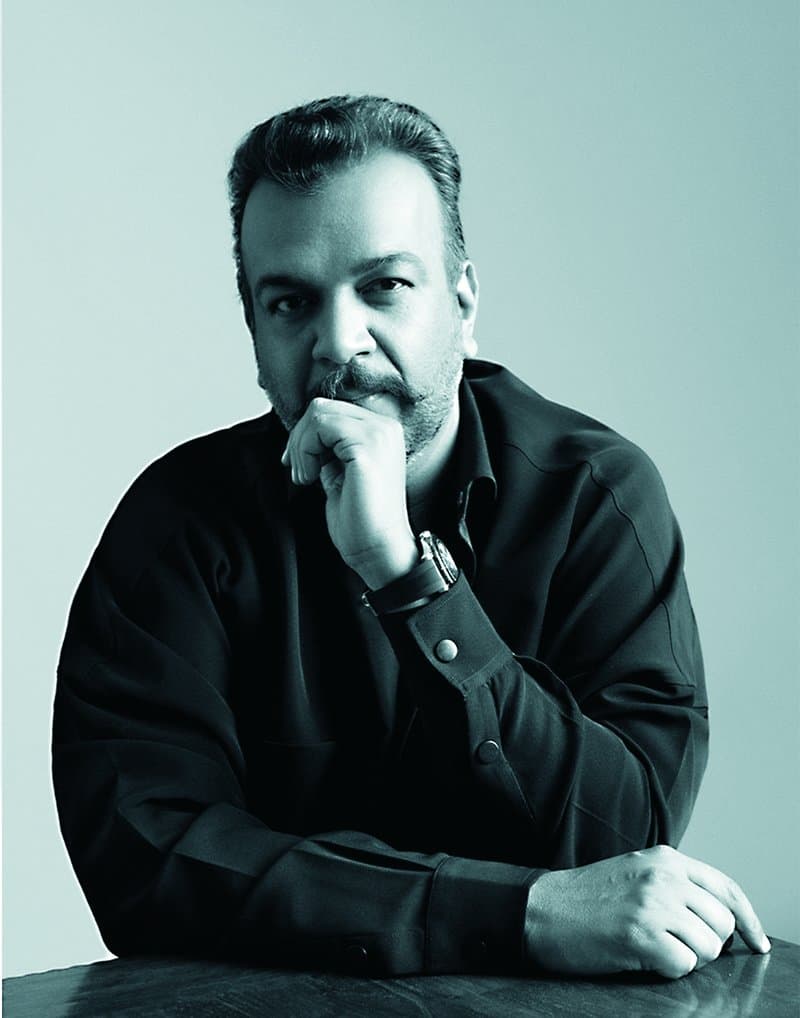
Working with the artisans, every thread of Chikankari carried the weight of tradition, while every material, texture and form became part of a contemporary dialogue.
— Amit Aggarwal (Designer)
The artists’ hand
Both chikan and zardozi have retained their core identities over centuries of history, while still evolving with newer sensibilities. Though prized on the red carpet, wedding hall or retail floor, the artisans remain economically and socially marginalised. Mamta Verma, a recognised craft evangelist and proprietor of Bhairvi’s Garments, says, “Few artisans want their children to join their own profession.”
Even award-winning artisans such as Mohd. Ali, a printer whose work is used by the who’s who of the design world, remain unknown outside the ecosystem. Aziz says, “It is fine; at least I get fairly remunerated because of my name.” It would be worthwhile to remember that Lucknow’s identity — and use — as the premier embroidery producing city of the world rests in the skilled but increasingly tired hands of its artisans.
What is chikankari?
What is chikankari?
Chikankari is a traditional style of hand embroidery associated with the Indian city of Lucknow, featuring intricate white-on-white and coloured threadwork on fabric.
Where is chikankari primarily practiced?
Where is chikankari primarily practiced?
Chikankari is primarily practiced in and around Lucknow.
What is the difference between chikankari and zardozi?
What is the difference between chikankari and zardozi?
Chikankari uses delicate thread embroidery, while zardozi involves metallic threads, sequins and embellishments to create ornate designs.
Who are the artisans involved in creating a chikankari textile?
Who are the artisans involved in creating a chikankari textile?
The process involves designers, khaaka makers, printers, dyers, embroiderers, washermen and darners, among others.
Why is chikankari associated with women artisans?
Why is chikankari associated with women artisans?
Historically, many women in Lucknow took up chikankari as a source of income, particularly during periods of social and economic transition in the nineteenth century.
What is a GI tag and why is it important for chikankari?
What is a GI tag and why is it important for chikankari?
A Geographical Indication (GI) tag certifies that a product originates from a specific region and possesses qualities linked to that location. Chikankari’s GI tag protects its connection to Lucknow.
What is ghutai in embroidery?
What is ghutai in embroidery?
Ghutai is a finishing process used in zardozi and mukaish work, where metal embroidery is polished to enhance its shine and finish.
What challenges do chikankari artisans face today?
What challenges do chikankari artisans face today?
Many artisans struggle with low visibility, limited financial security and declining interest among younger generations in continuing the profession.