


 ion
ionKey Highlights
- The FIFA World Cup serves as a powerful marker of time, connecting personal memories with football’s greatest moments and players.
- Veterans including Lionel Messi, Cristiano Ronaldo, Neymar and Luka Modric enter what may be their final World Cup chapter.
- The article reflects on iconic moments witnessed by a photojournalist covering major international tournaments around the world.
- Messi’s 2022 World Cup triumph is portrayed as a rare sporting moment where greatness achieved its perfect ending.
- Ronaldo, Neymar and Modric embody different responses to ageing, legacy and the inevitability of time.
- A new generation led by Kylian Mbappe, Lamine Yamal and Jude Bellingham is preparing to inherit football’s biggest stage.
The World Cup folds time in a way nothing else can. One anthem. One camera drifting down a tunnel. One familiar face beneath floodlights. And suddenly you are pulled back through entire versions of your life you thought were behind you.
Childhood living rooms glowing blue in the dark. Parents shouting that there is school in the morning. Watching matches under blankets with the brightness turned low. The smell of takeaway food and warm electronics in overcrowded university kitchens. Friends screaming at televisions as though volume itself could alter destiny.
I remember being a little girl sitting far too close to the television in Kolkata, convinced proximity mattered, as though leaning closer could pull you physically into those floodlit nights. Then, suddenly, you blink and you are no longer that child.
You’re standing pitch side at the biggest games, cameras wrapped around your body, hearing the sound of the ball off Lionel Messi’s left foot, Cristiano Ronaldo’s studs cracking against concrete in the tunnel and Neymar laughing during warm-ups while rain and jeers hammer sideways through the floodlights.
Not because a dream had happened. But because time had.
Somehow that distance between the little girl and the woman standing there feels like five minutes and an entire lifetime, all at once. Somewhere between those nights, life had unfolded quietly in the background. Schools had become offices, friends scattered across cities, marriages, obligations, ageing parents — entire versions of us fell away without ceremony. And still, they remained.
Still scoring, like lighthouses blinking steadily through fog-small points of light. Their moments of joy and agony became timestamps inside our own biographies.
And now, these same players who once seemed carved themselves into permanence are arriving, all at once, at the edges of their own stories at this year’s FIFA World Cup in North America.
The last dance
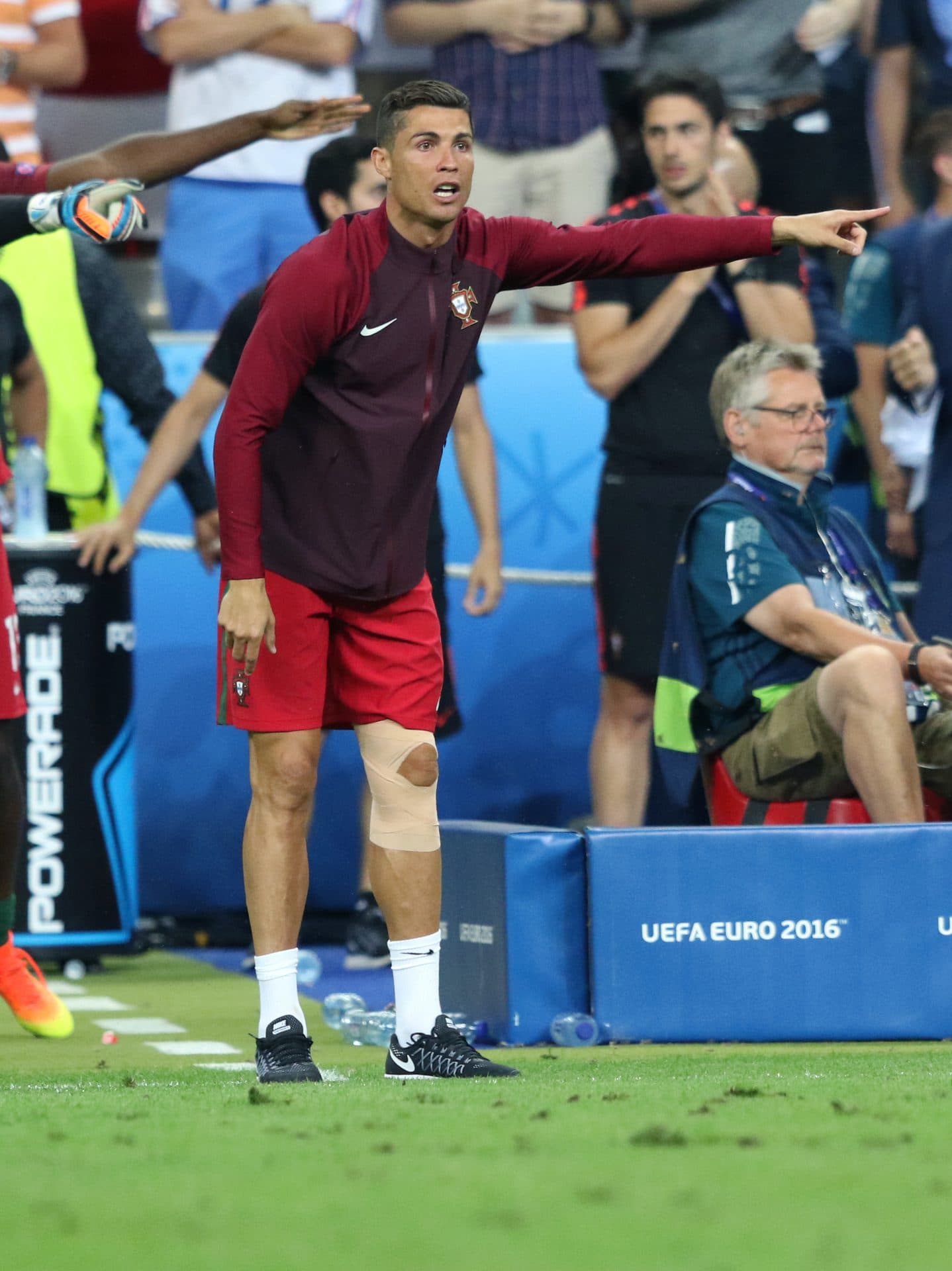
I remember Cristiano Ronaldo at Portugal’s Euros final in Paris in 2016 — the tears after the injury and the operatic tragicness of it all. But what stays is what came after: Ronaldo limping furiously along the touchline, shouting instructions, grabbing teammates by the shoulders, refusing to spectate on the story unfolding without him. Beneath that sculpted perfection and impossible self-belief was something painfully human. Not ego, but fear. Of irrelevance. Watching Ronaldo now is like watching an emperor refusing to surrender territory. The sprint is still there, but it arrives later. The leap still exists, but it feels negotiated. And yet there is something almost moving in his refusal to fade quietly.
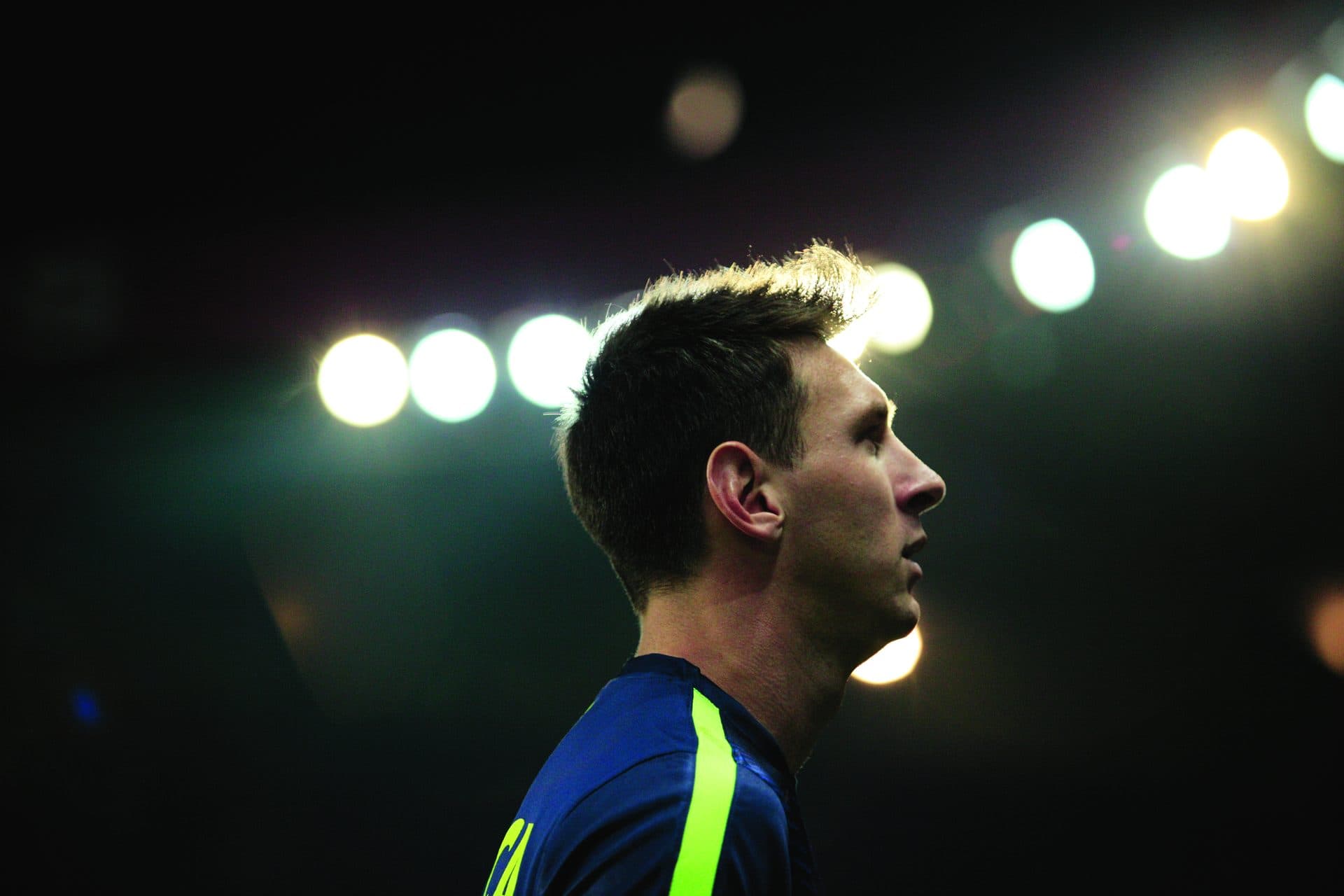
Lionel Messi was always different. He felt slightly outside the realm of ordinary decline, as though football emerged through him rather than around him. This World Cup was never supposed to be about him. He had already climbed that Everest in Qatar in 2022, carrying an entire nation screaming inside his ribcage for decades. And yet, here he is again, still moving through defenders with an eerie economy, like somebody bending time with minimal effort.
I have covered finals before. You learn to stay detached about work, to keep distance between what you are seeing and what it might mean. But after Messi’s Argentina won, that distance collapsed completely. Men stood motionless in the stands with tears running without sound. Journalists hugged people they had never met. Photographers lowered cameras because their hands would not stop shaking. And what filled the stadium was a sense that something fragile had been allowed to reach its zenith without being broken on the way. Perhaps that is why Messi is impossible to let go of — because somewhere inside him lives a version of life we thought we still had plenty of time for.
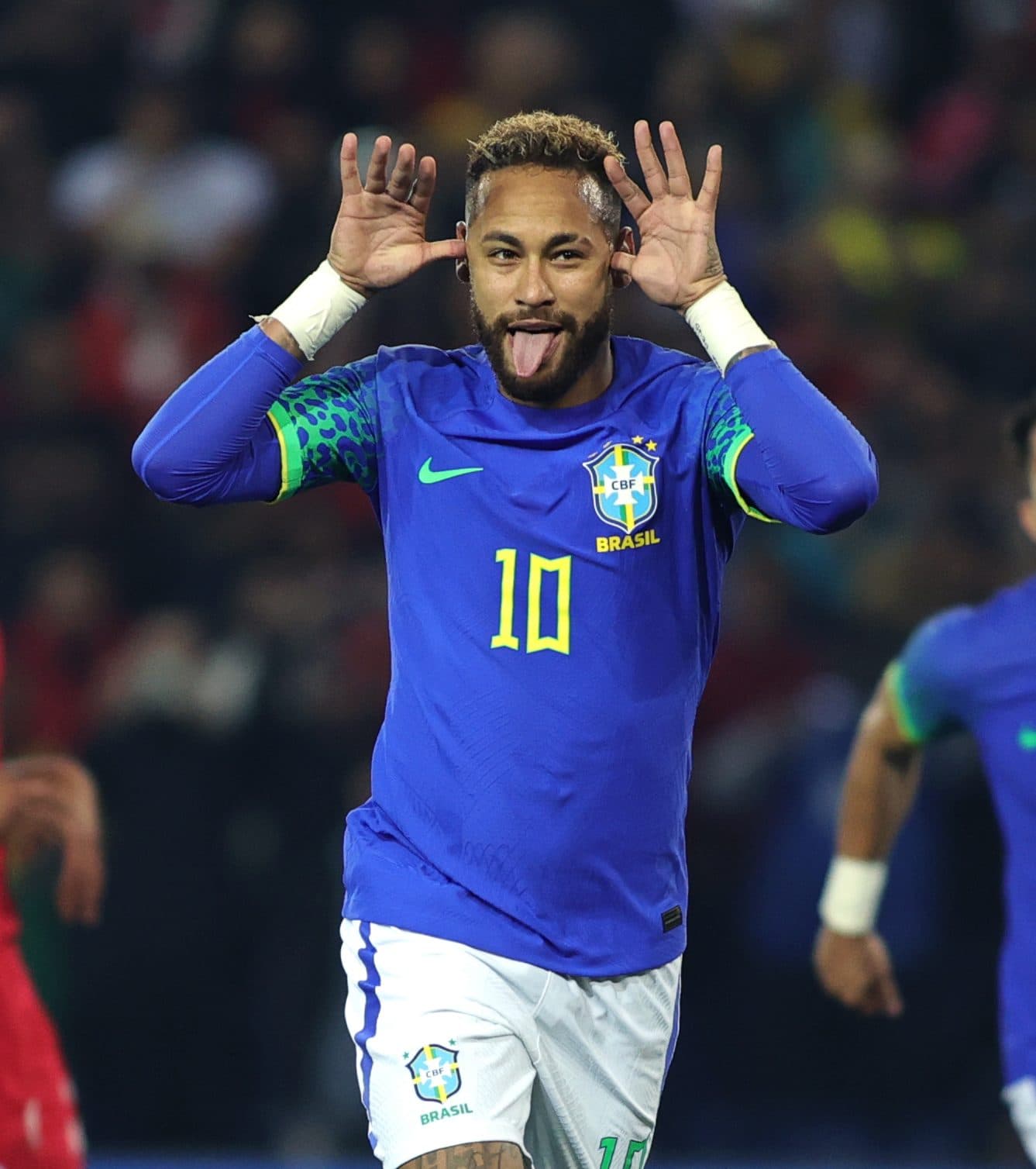
Neymar always felt like the last beautiful reckless thing in modern football, the final reminder that joy itself could still survive inside elite sport. Unfortunately, he also feels like a sentence still being written, interrupted too often to ever quite become a full conclusion. I watched him come back out after a PSG defeat, juggling a ball quietly in an empty stadium. No cameras. No audience. Just repetition. Just another boy refusing to let go of what once made him feel alive.
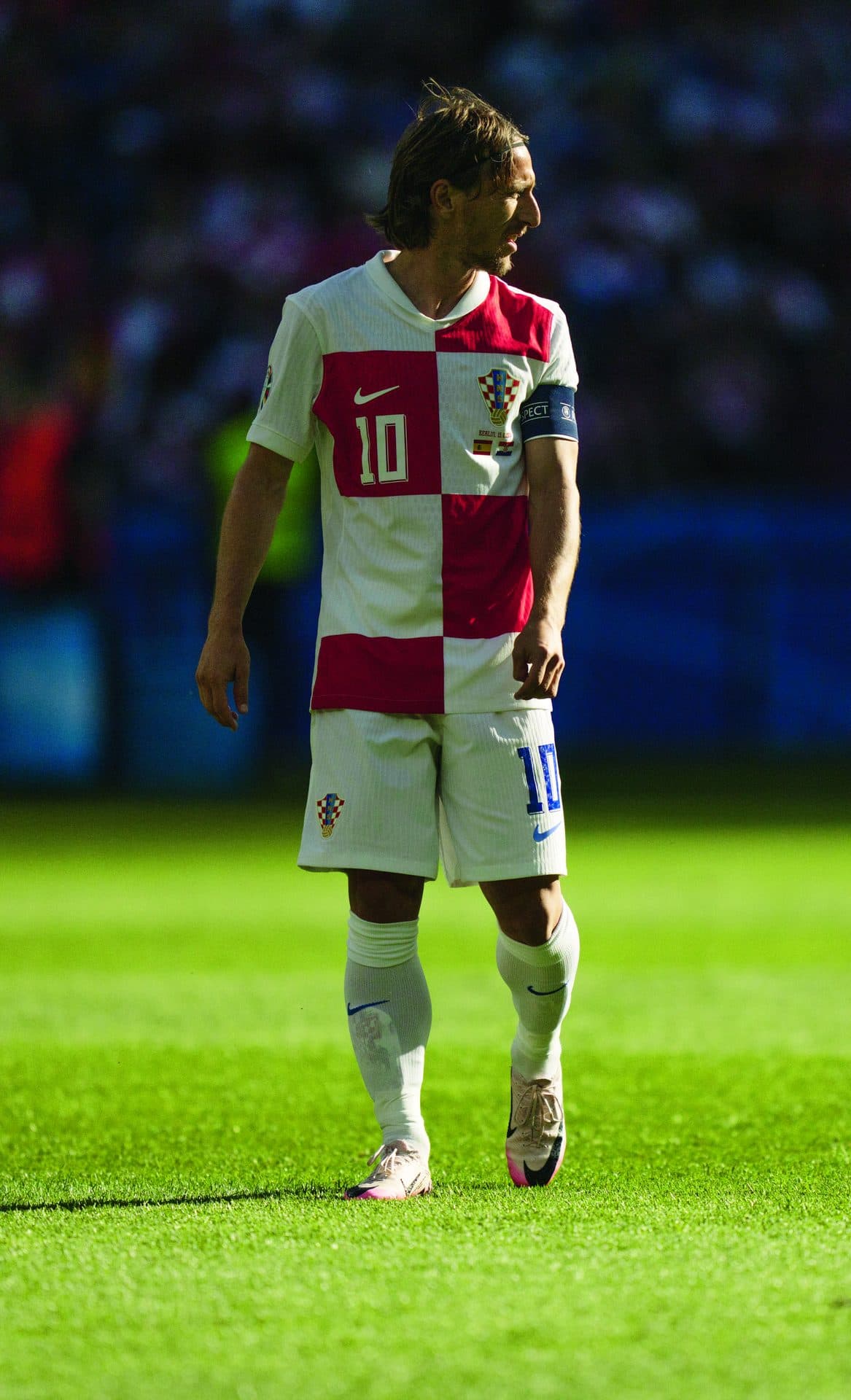
And then there is Luka Modrić, who somehow makes ageing feel almost sacred. After Croatia lost the World Cup final in Moscow in 2018, he moved through collapsed teammates quietly, lifting heads, touching shoulders, holding people together while carrying his own heartbreak.
And maybe that is what connects all of them. Not greatness. But mortality. For years, they have existed above ordinary life, suspended somewhere beyond consequence: beyond ageing, beyond endings. But football does not negotiate with time any more successfully than life does.
The next generation is up and running
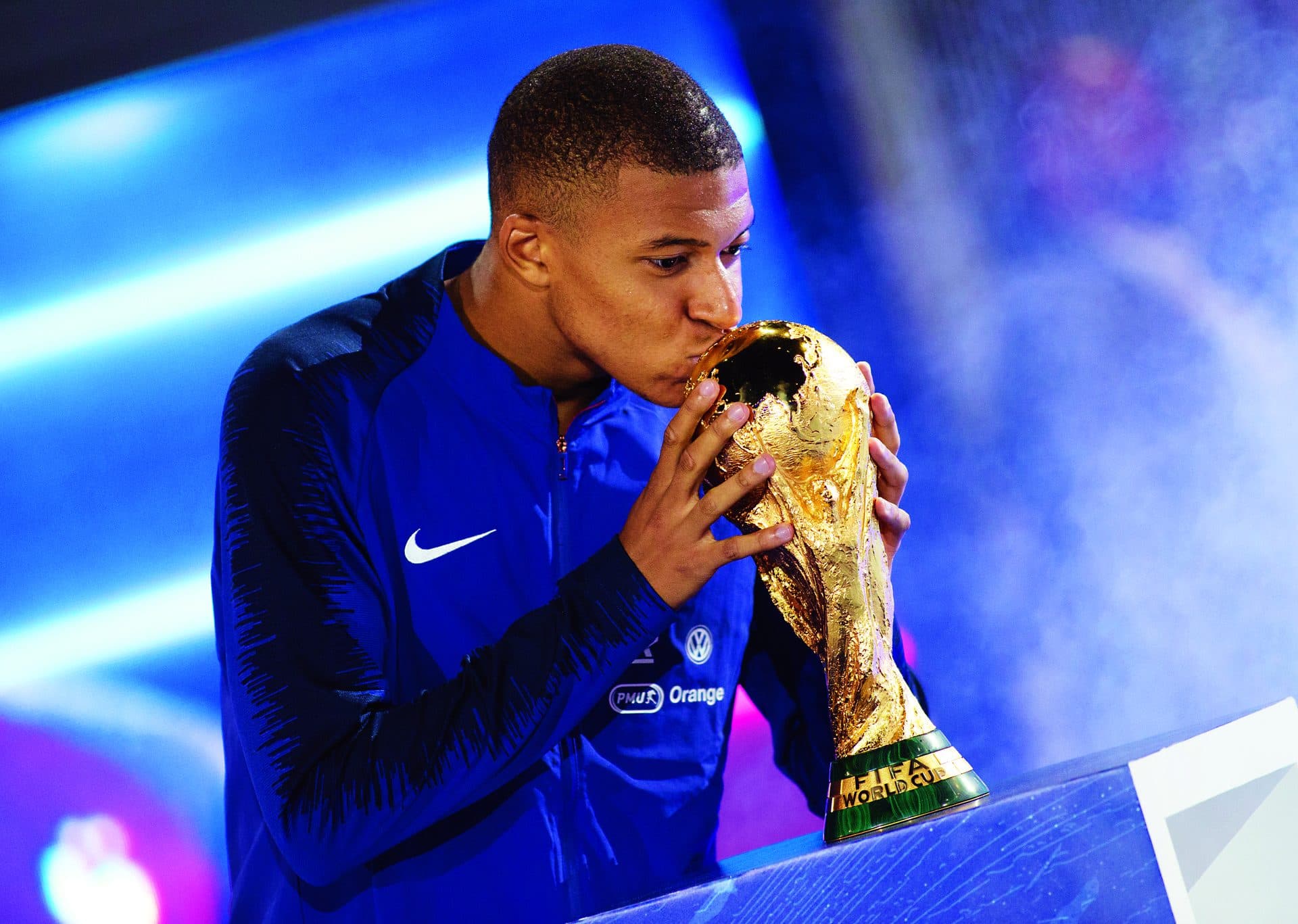
Kylian Mbappé arrived in football like history had accelerated without warning. In 2018, he lifted a World Cup at 19. Four years later, in Qatar, he experienced the other side of it. Between those two moments sits his trajectory: victory too early to feel complete, heartbreak too large to fade. I often go back to his portrait holding the World Cup in 2018 — a boy almost stunned by what he was holding, as if he had not yet caught up with the scale of what had happened.
And then again, in 2022, the first training sessions after that final in Qatar: a different posture entirely. Defiance, almost. The sense of someone standing inside the wreckage of a match he had nearly bent to his will, still refusing to look diminished by the ending. This time, he will run again, across North America, tearing through space like a sports car escaping gravity altogether.
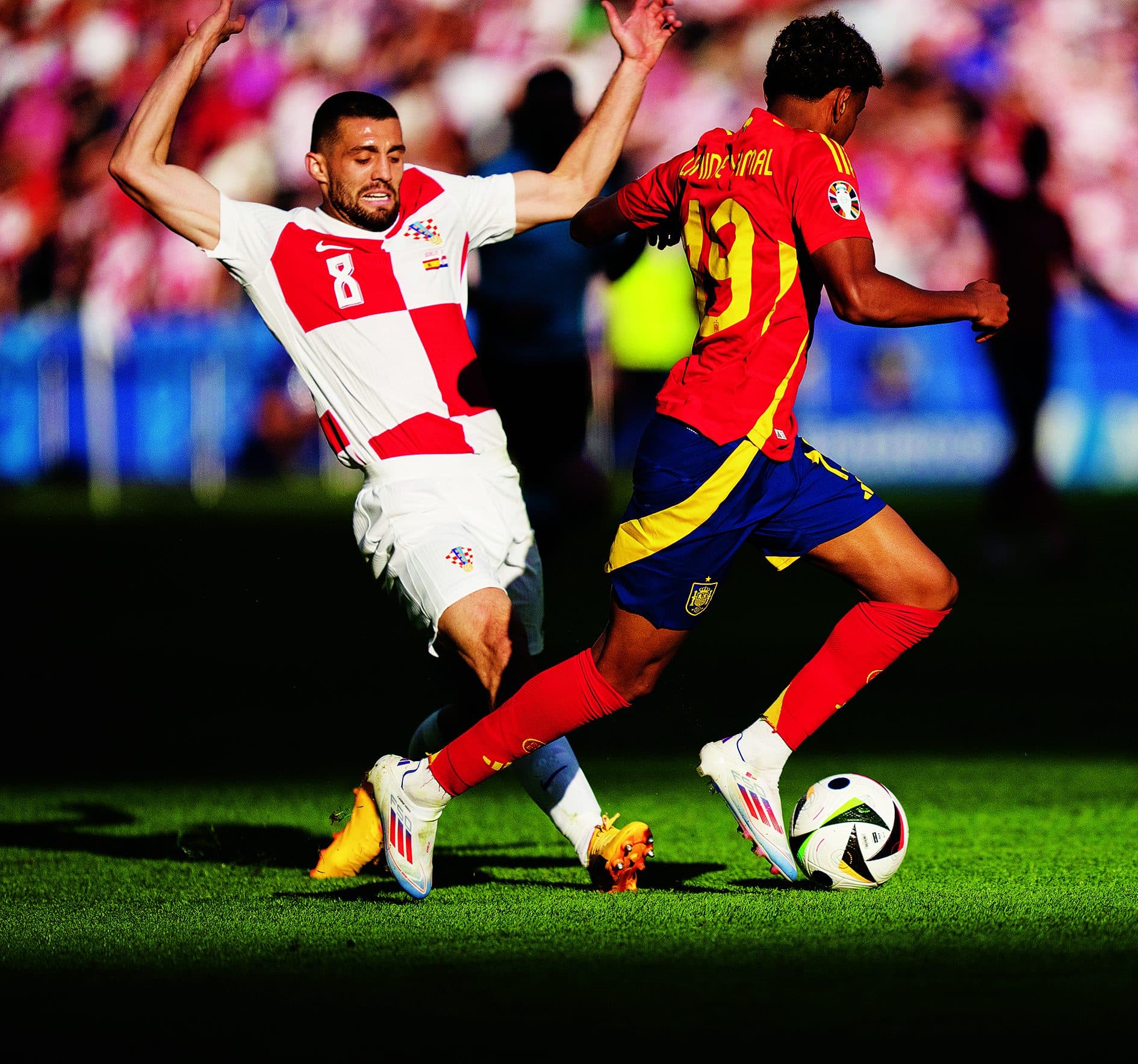
Speaking of space, there is Lamine Yamal — all teenage audacity and loose-limbed improvisation. Watching him in training adds something even more revealing. The drills unfold with their usual seriousness, yet he drifts through them with a bored, almost childlike resistance. And then the ball arrives at his feet, and everything snaps back into alignment. Focus. Instinct. Clarity. As if the game itself is the only thing capable of calling him fully awake and the rest is just noise.
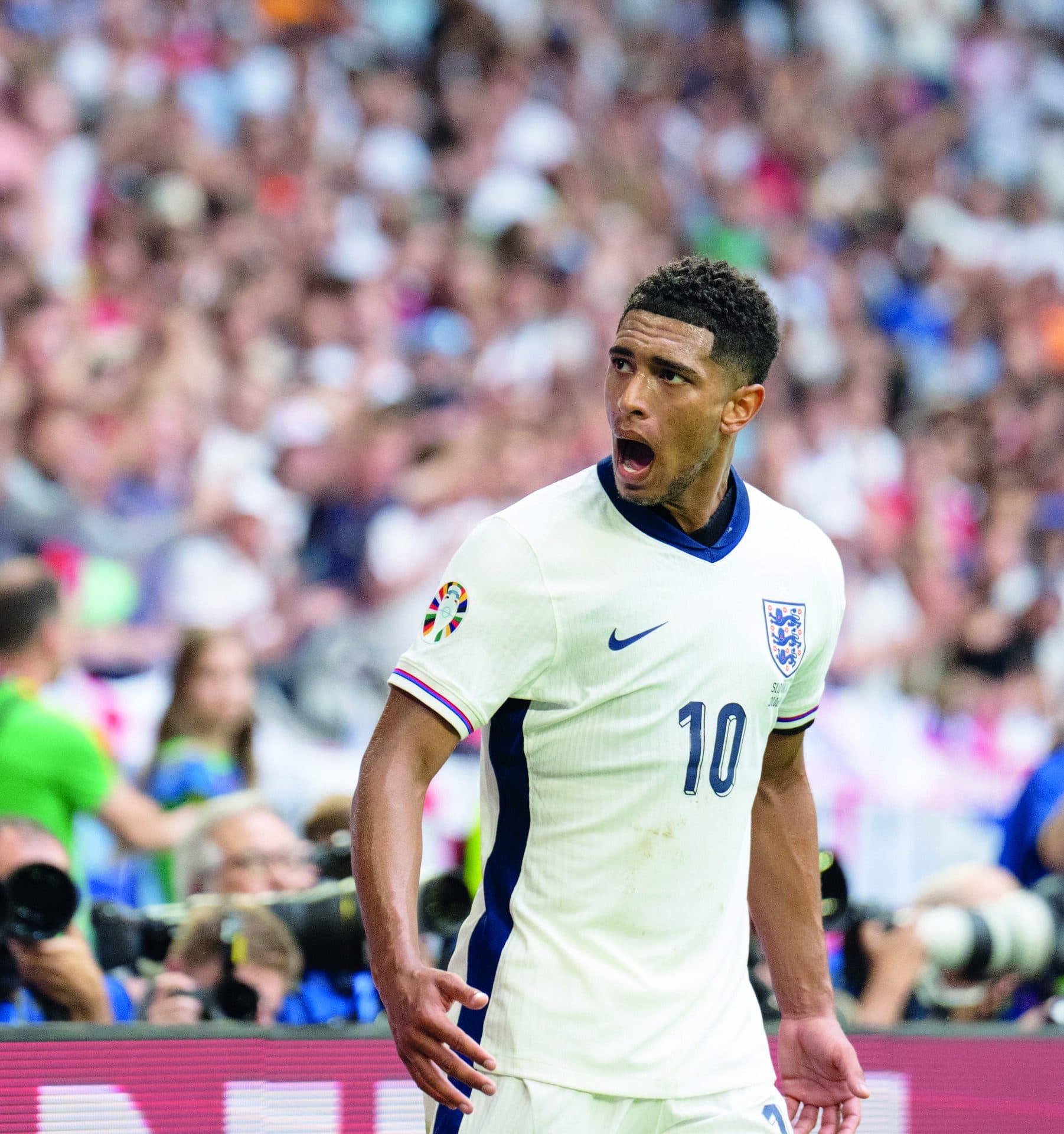
Jude Bellingham already carries himself with the gravitas of someone who does not wait for the future to arrive but assumes it is already his. England, as ever, return with their familiar weight: hope, carefully wrapped around inevitable dread. But Jude alters the temperature around them; he makes them believe.
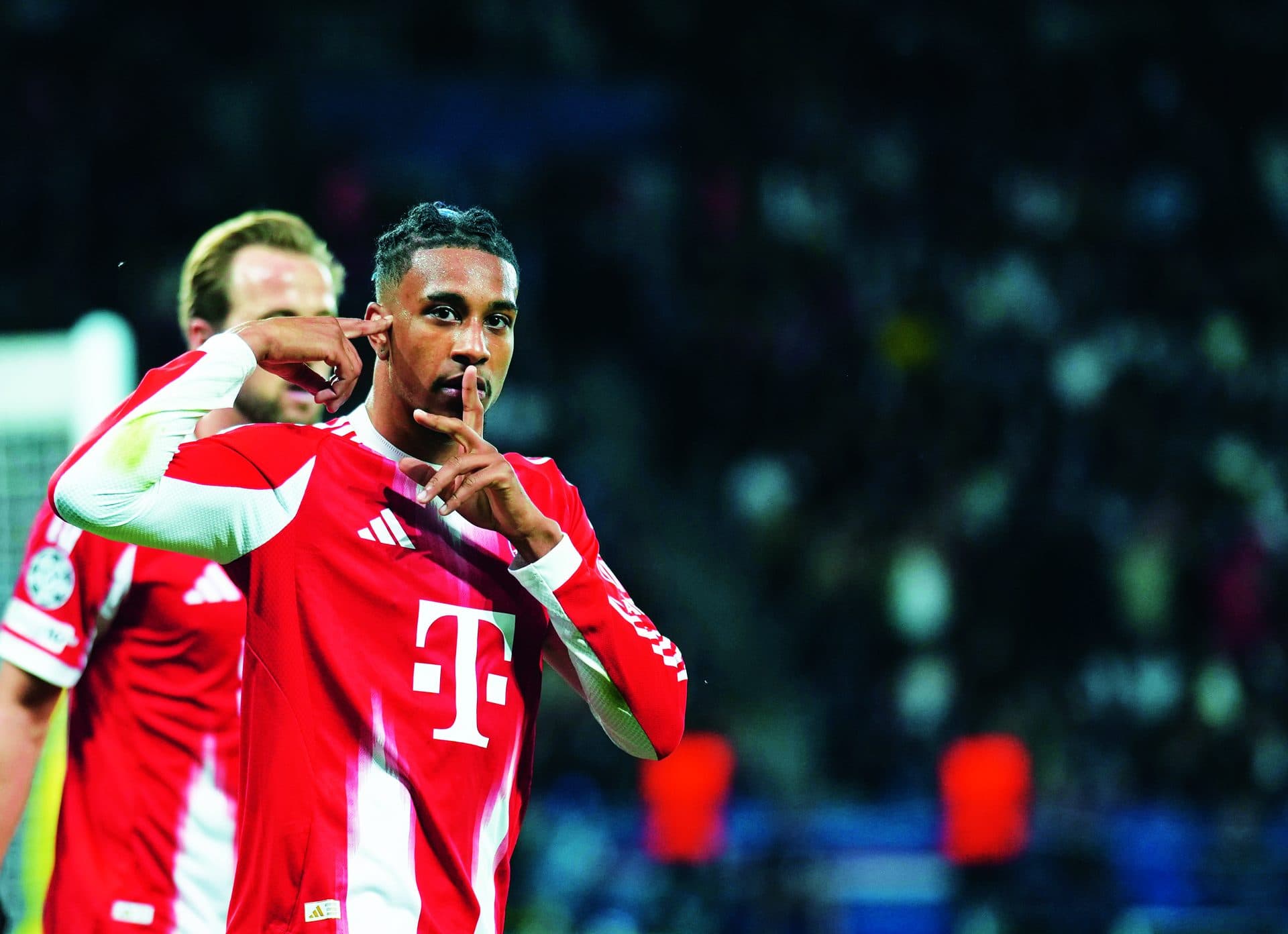
There are other talents, too, waiting to seize the moment. France’s Michael Olise and Germany’s Jamal Musiala, already superstars in European club football, but still curiously under-registered in the wider imagination. But these tournaments overturn the expected order. Somebody arrives half-known and leaves an immortal.
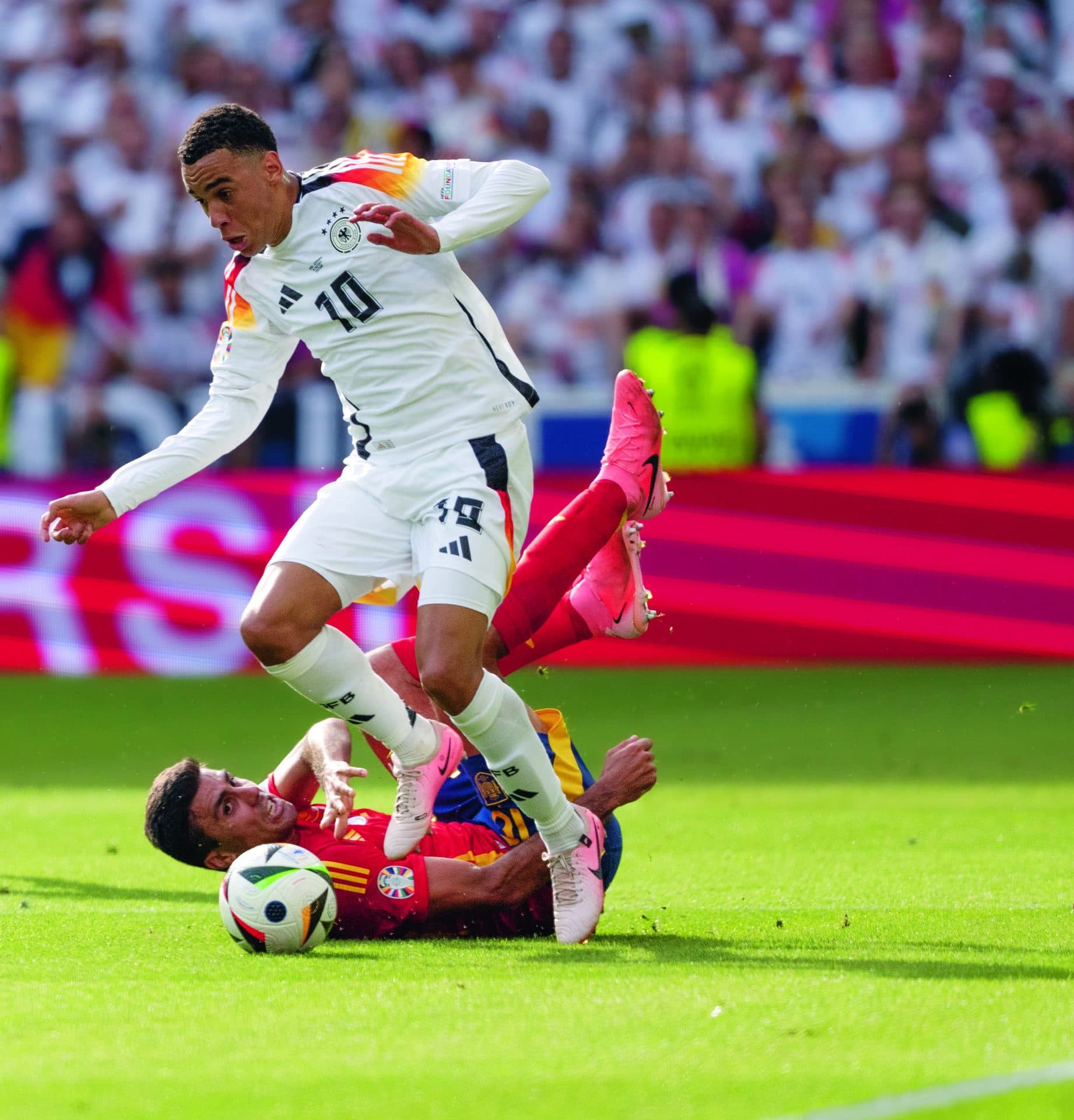
Watching them together, you begin to understand the common thread. Not trophies. Not goals. Not even greatness. Time. Or rather, their relationship with it.
Mbappé moves through it faster than others. Messi bends it. Neymar stretches it until it frays. Modrić slows it just long enough for everyone else to understand what is happening. Seen together, something shifts; you no longer see separate careers, but overlapping timelines — all visible at once, for one more decisive dance.
Eras and endings
Somewhere over the next month, a child will be sitting too close to the television during a World Cup match while the rest of the house sleeps. They do not know it yet, but football is about to attach itself invisibly to the rest of their life. They do not know that decades from now, they might stand pitchside themself, suddenly realising that they somehow walked all the way inside an impossible dream that had first entered through a flickering television screen.
But they will. Because every World Cup is really about time.
About who we were. About who we became. About the terrifying speed at which life keeps moving while we still beg certain things to stay. And that is why this World Cup feels heavier than the others, even before a ball has been kicked.
Not because football is ending. Because an era that carried our lives inside it is.
Why does the FIFA World Cup evoke such strong emotions across generations?
Why does the FIFA World Cup evoke such strong emotions across generations?
The World Cup often becomes intertwined with personal memories, family traditions, friendships and major life milestones, making it far more than just a football tournament.
Why are Lionel Messi and Cristiano Ronaldo considered defining players of their generation?
Why are Lionel Messi and Cristiano Ronaldo considered defining players of their generation?
Their extraordinary consistency, longevity, records and influence over nearly two decades have shaped modern football and inspired millions of fans worldwide.
Is the 2026 FIFA World Cup likely to be the final World Cup for Messi and Ronaldo?
Is the 2026 FIFA World Cup likely to be the final World Cup for Messi and Ronaldo?
Given their ages and career stages, many fans and analysts view the 2026 tournament as a possible final World Cup appearance for both players.
What makes Lionel Messi’s 2022 World Cup victory so significant?
What makes Lionel Messi’s 2022 World Cup victory so significant?
The triumph completed one of football’s most celebrated careers and fulfilled a long-held dream for both Messi and Argentina.
How has Neymar influenced modern football?
How has Neymar influenced modern football?
Neymar brought creativity, flair and individuality to elite football, becoming one of the most recognisable and entertaining players of his era.
Why is Luka Modric admired beyond his footballing achievements?
Why is Luka Modric admired beyond his footballing achievements?
Modrić is respected for his leadership, humility, resilience and ability to perform at the highest level well into his late thirties.
Who are the leading stars of football’s next generation?
Who are the leading stars of football’s next generation?
Players such as Kylian Mbappe, Lamine Yamal, Jude Bellingham, Michael Olise and Jamal Musiala are widely seen as future faces of the global game.
Why is Kylian Mbappe considered one of football’s biggest stars?
Why is Kylian Mbappe considered one of football’s biggest stars?
Having won a World Cup at 19 and delivered memorable performances on the biggest stages, Mbappe has already established himself among football’s elite.
What makes Lamine Yamal one of the most exciting young talents?
What makes Lamine Yamal one of the most exciting young talents?
His technical ability, confidence, creativity and maturity at a remarkably young age have made him one of football’s most closely watched prospects.
How does sports photojournalism capture the essence of major tournaments?
How does sports photojournalism capture the essence of major tournaments?
Photojournalists document not only the action on the field but also the emotions, stories, celebrations and heartbreak that define sporting history.