Key Highlights
- The Author had moved to Australia from Mumbai four years prior to becoming a mother
- As the Author’s child grew up, questions around identity and culture became increasingly prominent
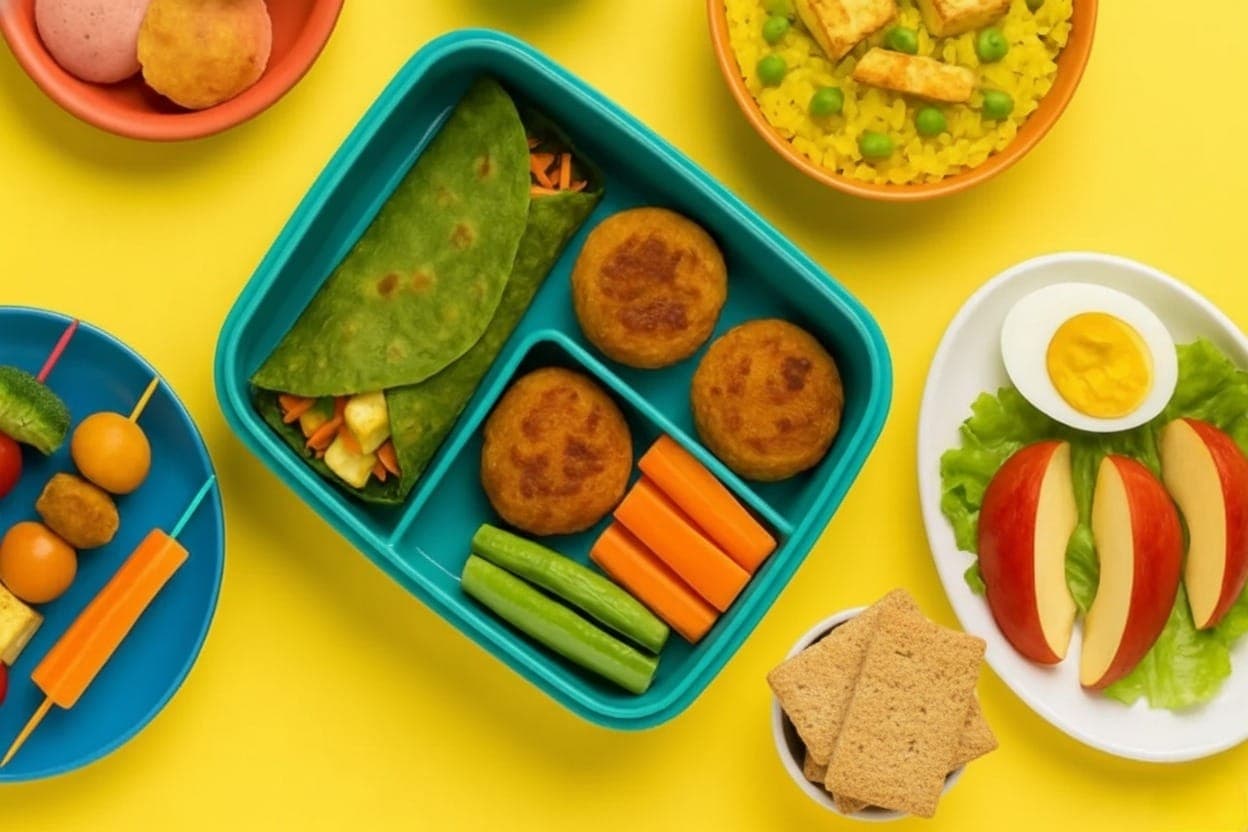
- This reflected even in food, where pasta nights mixed with khichdi, and in the tiffin box, makhana and Weet-Bix became friends
- The Author and her family began attending more festivals Diwali with board-chalk rangoli, sparklers and sweets; AFL season with footy at the park; Durga Puja celebrations and even Easter egg hunts
- At the local library, there were Hindi storytelling and craft sessions, while at home, The Wiggles played on repeat, Australian rhythms wriggling into daily life.
Becoming a mother in my forties was not part of my life plan. It arrived one day, quietly but with certainty. An unplanned pregnancy in a country far, far away from home, family support and friends who had been mothers for more than a decade.
What I got instead was space. The vastness of a space that forced me to confront who I am, and who I was becoming.
I arrived in Australia from Mumbai four years prior to motherhood and my husband and I slowly started building our life in Melbourne. ‘Belonging’ did not happen overnight. We attended Mass on Sundays and the church community gave us that grounding. Community was also found at work — colleagues who became, and continue to be, friends. Where we lived, neighbours slowly shifted from polite nods to casual chats.
Most of the friendships I formed in my initial years in Melbourne were with people in very different life stages, like retired partners, DINK couples, people with time to spare. We explored the city, hung out over cortados and cocktails, and made impromptu plans. It was an adult kind of freedom.
Motherhood changed that overnight. Love became fierce and gentle all at once, while exhaustion stripped me down to something raw and unfamiliar.
Some friendships stayed, others waned. Not because of unkindness but perhaps because our lives took different paths. A baby reshapes time, priorities and energy in ways that are hard to bridge.
At the same time, new bonds began to build. This time, with mothers in playgroups, Indian, Asian and Australian. All of us navigated motherhood across different cultures, languages and expectations but with similar emotions.
When I rejoined work, it felt both grounding and disorienting. I had a supportive manager and work mates who checked in on me during my pregnancy and offered flexibility when I returned to work. But I was no longer just a professional, nor only a mother. I was a tired, determined combination of both — holding meetings after sleepless nights, telling myself that ambition doesn’t disappear after a baby; it simply changes shape. I also learnt that this is not a one-fits-all formula. So, on some days, a good work day meant progress and on others, it meant just getting tasks done.
One of the two hardest things I learnt was that it’s okay to ask for help, and that it is important to step out — whether it’s to soak in some sunshine, for conversation, or community. It was not optional, it was survival.
As my child grew, questions around identity and culture surfaced. I remember holding this tiny human, wondering what the future would hold for an Indian-origin child growing up in Australia, and for me, learning to mother without a map.
Culture showed up in tangible ways through food, festivals and language. We embraced new foods alongside familiar ones, mixing pasta nights with khichdi, and in the tiffin box, makhana and Weet-Bix became friends. Celebrations expanded rather than replaced what we knew. Diwali time was marked with board-chalk rangoli, sparklers and sweets. The AFL season was spent with footy at the park. We joined Durga Puja celebrations in the community that felt familiar in the midst of strangers, and organised and attended Easter egg hunts.
We joined Hindi storytelling and craft sessions at the local library, while at home, The Wiggles played on repeat, Australian rhythms wriggling into our daily life. By embracing familiar and new traditions, culture became something we lived, and not something we had to choose between.
These days, when the conversation around immigration and “otherness” is becoming louder, I have begun to understand identity differently. It’s not only what is familiar or what is passed on; identity is the culture we choose to embrace. Motherhood in a new country taught me that identity stretches. It can absorb and let go. My child is growing up Indian, Australian, and something entirely their own. And so am I.