
I never planned to become a model.
My first designer show was for Ashish Soni while I was studying economics at Miranda House, Delhi. I had simply accompanied a friend, but when Ashish’s team suggested I try out a few outfits, the show choreographer looked at me and said, “Yeah, I think you kind of work.” It was this big production celebrating 1,000 years of Khajuraho, organised by the tourism board of India. With nearly 35-40 models and actresses, it was nothing like the smaller photoshoots I’d done until then. I was this new girl on the block, quietly taking it all in.
The world of Indian fashion was very different in those days. There were no influencers, no social media campaigns, no mobile phones recording every moment. Fashion shows were exclusive, and only a privileged few were invited to the glamour and glitz. One was a part of this little club. Backstage was kind of an organised chaos. Steam irons hissed in every corner, clothes were altered until the very last minute, and hairdressers and make-up artists went around in circles. Yet, when the lights came on, everything miraculously fell into place.
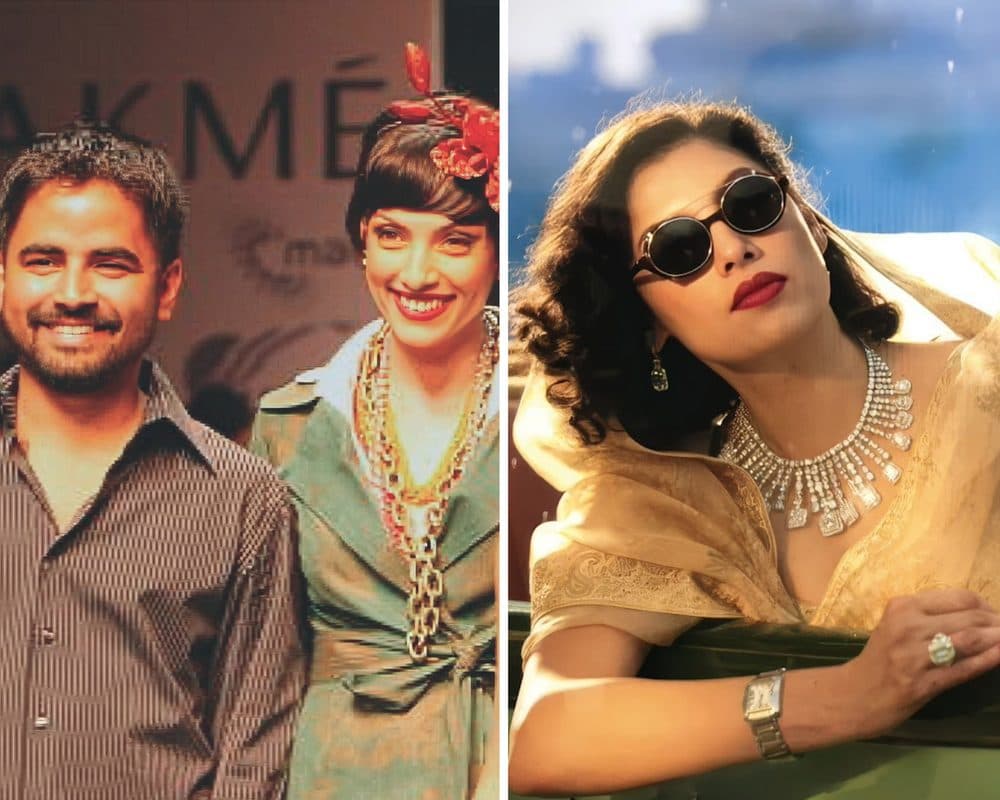
Coincidentally, my picture from the Khajuraho show was carried on the cover of a magazine — it was either India Today or The Week — I can’t remember which. It never occurred to me that modelling would be my first choice of career. Like many Indian parents, my father agreed to my side hustle on one condition: I had to take my studies seriously. So I learnt early to balance two worlds.
Then came my first major campaign; it was for apparel brand ITC Wills Sport. I was actually called in to shoot for the hanger tags that go on the clothes but when those pictures reached the client, I was selected for the campaign. The shoot was in Cape Town in June. “Great! It’s during my summer holidays; I can do it.” The shoot was with fashion photographer Prabuddha Dasgupta. And there I was, this athletic, sporty girl, not into make-up and high-heeled shoes. It was an amazing shift. My face was on billboards and bus shelters which I would see while heading to college. The campaign was a big launch for ITC as tobacco advertising was banned in 1999-2000. This was before the internet. My mother saved every newspaper clipping.
One memory has stayed with me all these years. I’ve always had natural curly hair which people would advise I cut or get chemically straightened. Prabuddha told me, “Don’t touch or change your hair. It’s what makes you YOU!” So while I grew alongside Indian fashion and was finding my own identity, the industry was moulding its own.
Today the world is looking at India differently. The diaspora is reconnecting with Indian design and international clients are discovering the value of our textiles and embroidery
In 2000, Indian fashion found its first real platform — Fashion Week. Designers could apply, get selected, get support and stage shows with choreographers, make-up artists, set designers and a venue. It was a proper supply chain. Fashion stopped being a series of isolated events and became an industry. One could feel that shift around oneself, even parents now felt positively about careers in fashion.
There were some designers who would go on to shape modern Indian fashion and I was fortunate to work with them.
Sabyasachi brought Indian craftsmanship into global conversations. We shared this Bengali connection and came from similar backgrounds. I became what he jokingly called his ‘sari girl’ and when he presented his first outing in New York Fashion Week, I was the only Indian model he took with him. It has been special to see his journey from a designer to the biggest fashion brand representing India globally. His stores translated into stunning spaces. When he launched jewellery, he wanted me to be a part of the shoot. I was pregnant. He said, “Don’t worry Indrani, just do two pictures. I want you to be a part of this.” His clarity of vision is his strength. I thought, you know, there are already so many jewellery brands. But he simply said, “No, I’m not one of them.” Even 25 years later, for his anniversary show in Mumbai, he still worked with the same tempo and commitment.
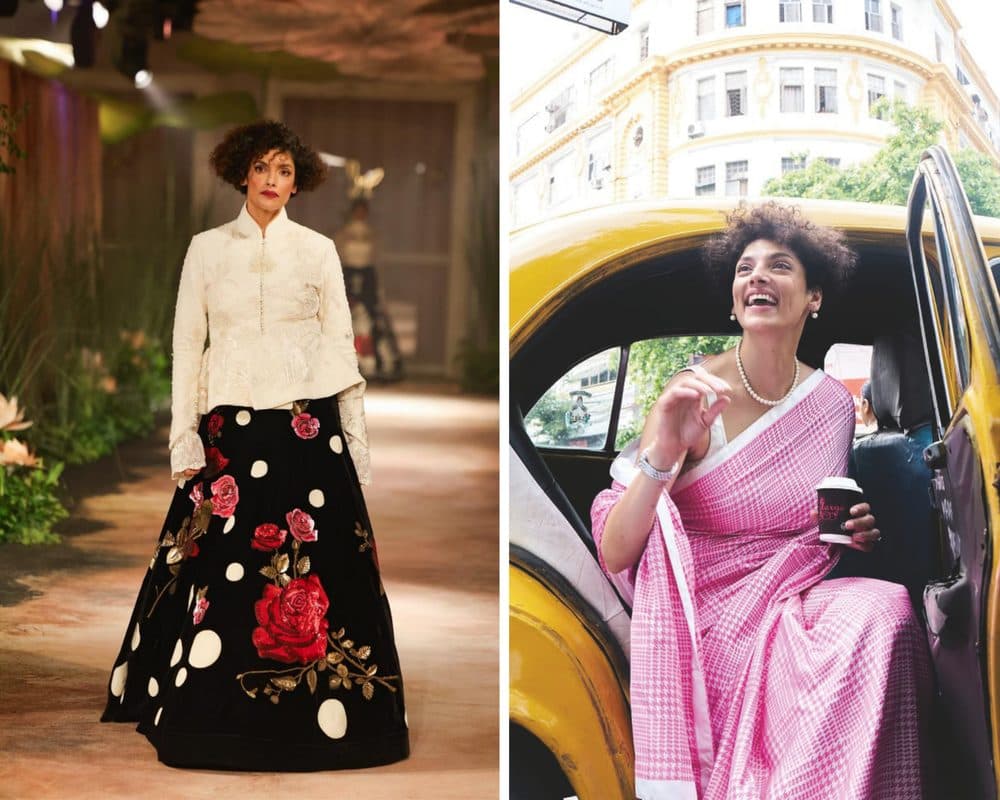
The other Indian designer who I have worked closely with, a legend and a friend — Rohit Bal — brought drama and poetry to fashion. There was always a sense of theatre in his shows. I remember one of the early fashion weeks. I was walking with faces I had grown up seeing and I was shaking a little bit. “You don’t have to be nervous,” he said. “Just enjoy yourself.” Gudda — as we called him — had so much flair. He was sweet and kind, joyful and easy and looked like he was always enjoying himself. When he passed in 2024, the industry truly lost one of its stars. Now his team, led by Tasnim, is taking the brand forward and it was a joy to walk for his label in Couture Week 2026.
Many designers have been shaping Indian fashion for more than 25 years. JJ Valaya celebrates India’s past with extraordinary richness. Tarun Tahiliani brought to fashion the Concept Sari, and with it a new way of thinking about drape, movement and modern Indian dressing. Rajesh Pratap Singh proved that Indian fashion could be quietly luxurious by marrying impeccable tailoring with indigenous textiles. Anamika Khanna changed silhouettes in new ways. Yet what all these designers shared was a respect for the artisan (karigar). Long before craftsmanship (karigari) became a buzzword, these designers understood that Indian luxury began with craftsmanship.
Today the world is looking at India differently. The diaspora is reconnecting with Indian design and international clients are discovering the value of our textiles and embroidery. Social media has pushed it to corners of the world. There’s something elegant, feminine and empowering in weaving Indian ensembles steeped in craft and design.
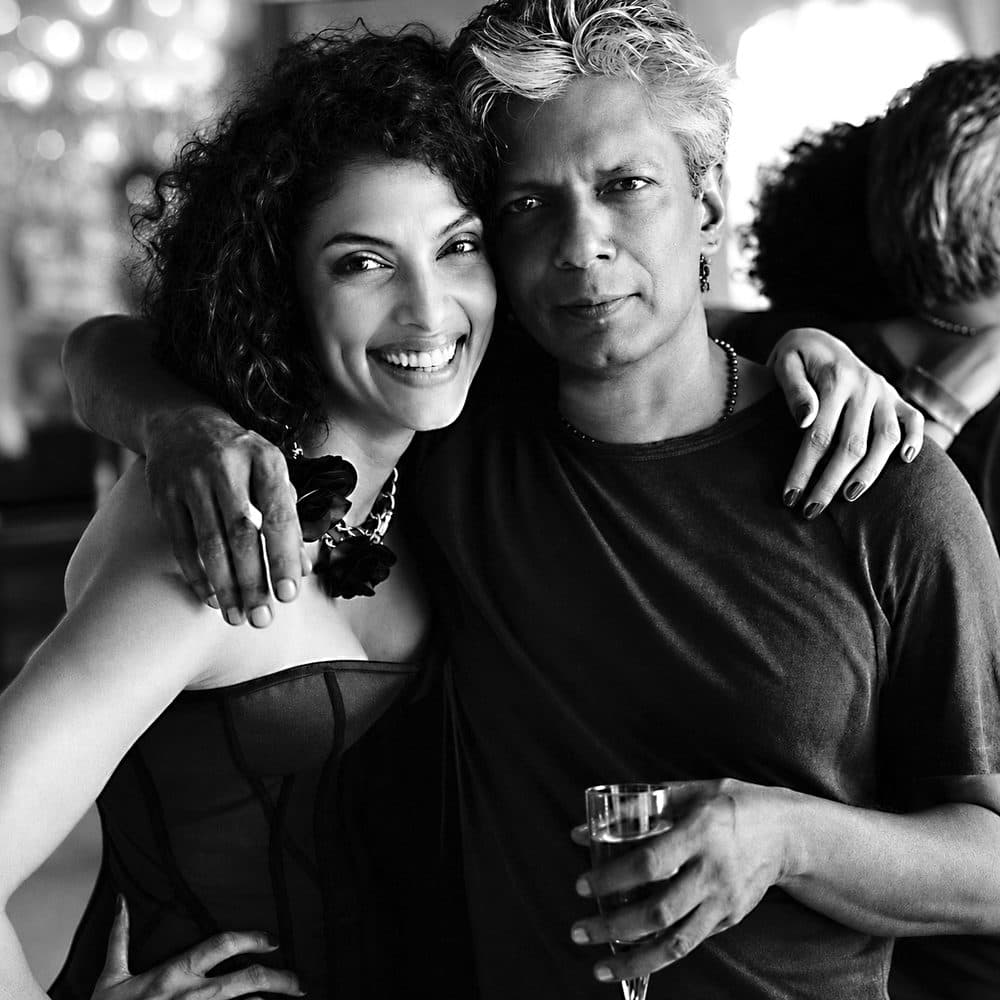
Over two decades, fashion has given me friendships I cherish. We have travelled for days together and the relationships have lasted decades. Models like Nayanika (Chatterjee), Sapna (Kumar), Michelle, Sonalika and Carol (Gracias) have been part of Indian fashion for as long and have influenced and shaped how we see fashion today in India.
When I walked into that Ashish Soni fitting all those years ago, I thought I was just trying something new. Twenty-five years later, I realise I wasn’t just walking the runway, I was walking alongside Indian fashion. My own relationship with fashion has become simpler. With time, I discovered the colours, silhouettes and clothes that resonate with me. Perhaps that’s what fashion has taught me after all, not how to follow trends but how to be comfortable in one’s own skin.