


 ion
ion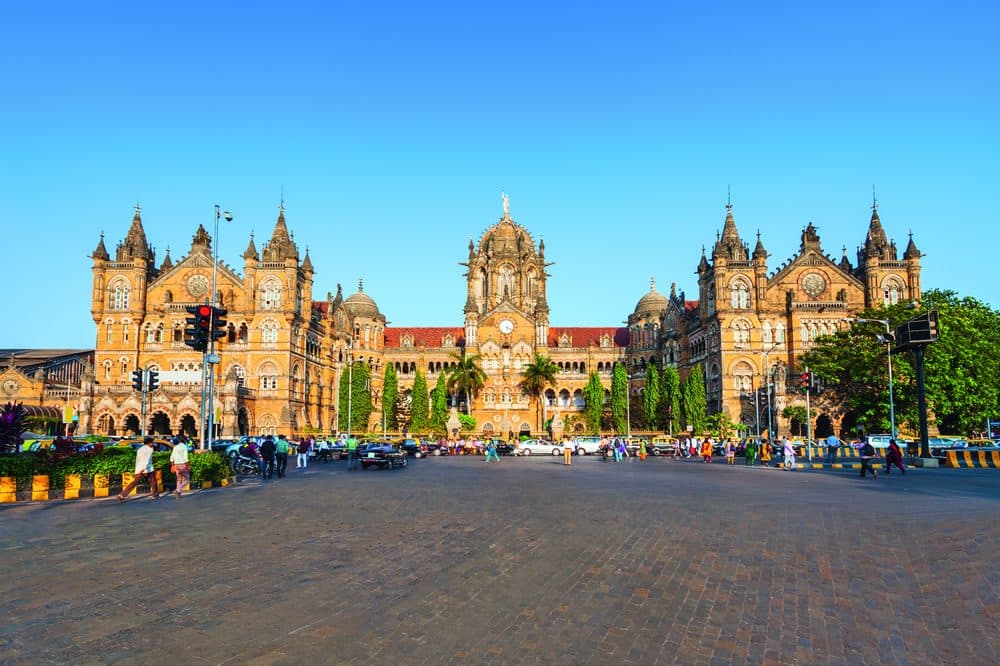
Iconic UNESCO World Heritage site; transit hub that sees three million people pass through its gates daily; scene of a deadly assault that shook a nation on a November night in 2008 — the Chhatrapati Shivaji Maharaj Terminus, once known as Victoria Terminus, is more than witness to a city that never stands still. It is its very heartbeat.
Built on the site of India’s first railway terminal, it has two distinct parts — the sheds that house the platforms of Mumbai’s mainline trains and the suburban rail, and the historic structure, one of the most photographed buildings in India. Fortunately, our admiration need not stop with a selfie, as a number of travel companies offer guided tours of the picturesque building.
Built primarily in sandstone and limestone, the building is a Victorian Gothic Revival with Indian influences typical of the Indo-Saracenic style. Richly ornate with turrets, gables, gargoyles and arches, it was designed by English architect Frederick Williams Stevens, who was also behind the equally dazzling Brihanmumbai Municipal Corporation (BMC) building across the road.
Built at a spot once known as Phansi Talao, a place for public hangings, construction started in 1878 and was completed in 1887. The building is now home to lounges, retiring rooms, food halls, restrooms and more on the ground floor, and a Railway Heritage Museum. The higher floors house offices of the Central Railways.
Outside, there is the central courtyard hugged by the wings of the building, from where you can best see the unmistakable dome. It’s topped by a statue of Progress — a woman holding a torch, surrounded by finials and gargoyles. There once was a statue of Queen Victoria in a niche in the façade, which disappeared during the second half of the 20th century under mysterious circumstances. The main gate is guarded by a benign lion and tiger on either side.
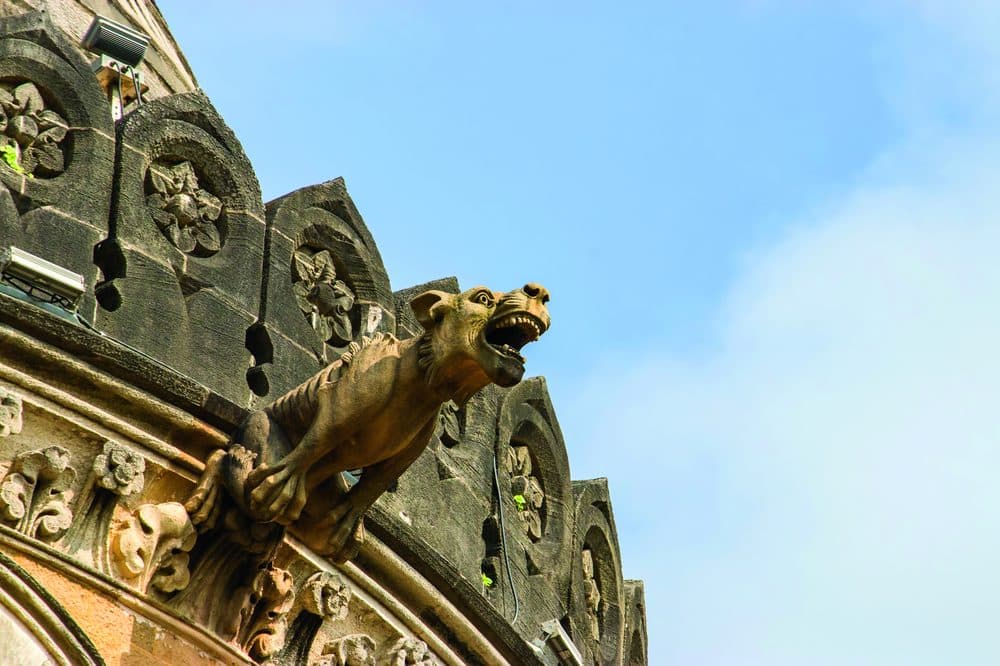
The protruding dog gargoyles across the building are truly an arresting sight, as well as being a functional part of the gutter system. There are also monkeys, rats, peacocks and tigers, in a nod to the local flora and fauna. All through the building, windows and columns are topped with animals, an intriguing mix of warning and whimsy produced by students of the J.J. School of Art.
On the ground floor, the Railway Heritage Museum is a small but fascinating look back at the history of the Great Indian Peninsular Railroad or GIPR, the corporation which predated the Indian Railways. Models of engines, logos, pictures of the inside of coaches — it offers a window into what it would have felt like to travel on the trains a century ago.
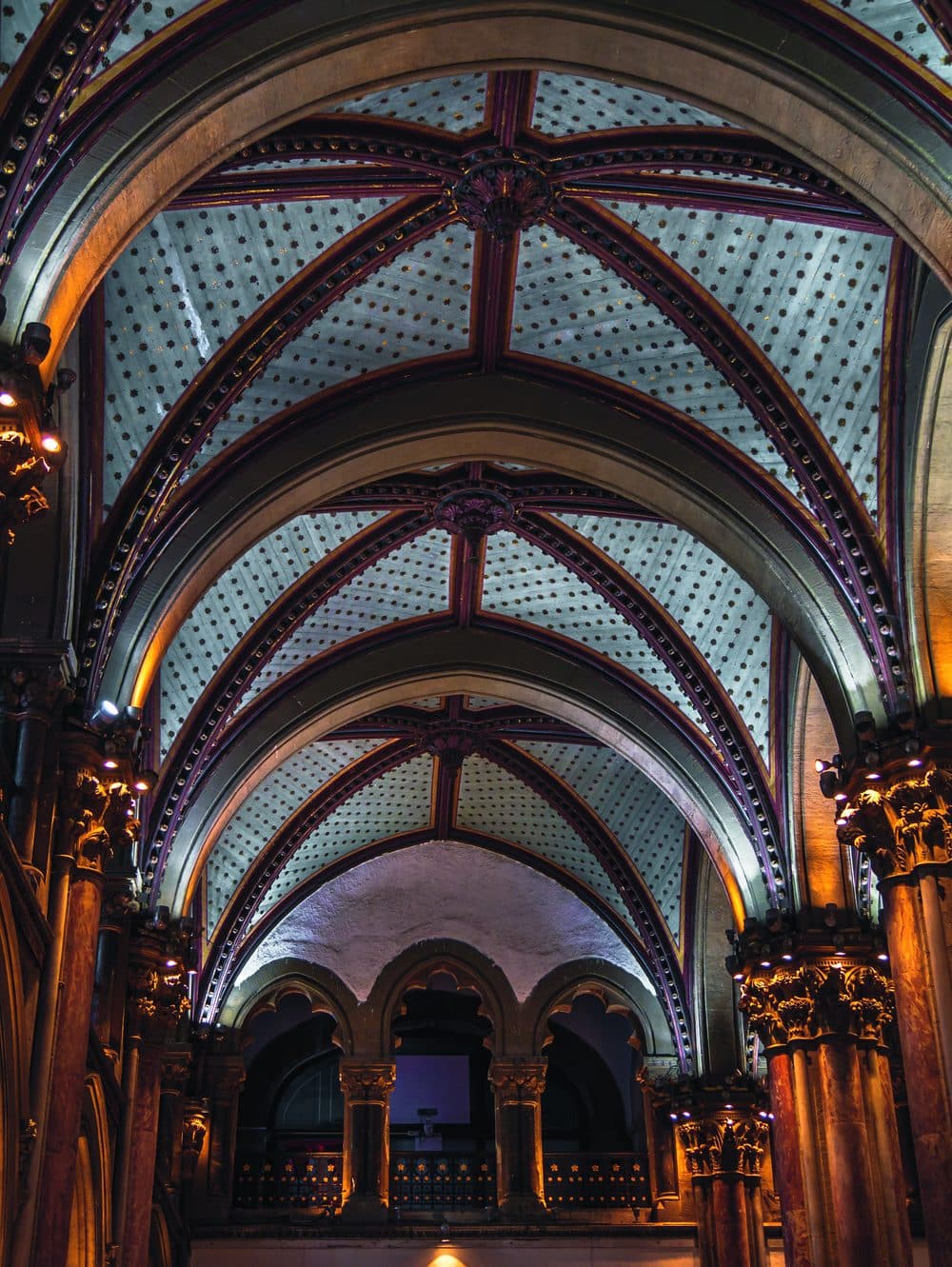
Entering the Central Hall through a set of heavy wooden doors, a vast stone staircase awaits with a lion from the GIPR coat of arms at its foot. Climb a floor and you will come to the balcony of the Star Chamber that serves as a ticket hall, with a beautifully lit vaulted roof held up by red Italian marble columns.
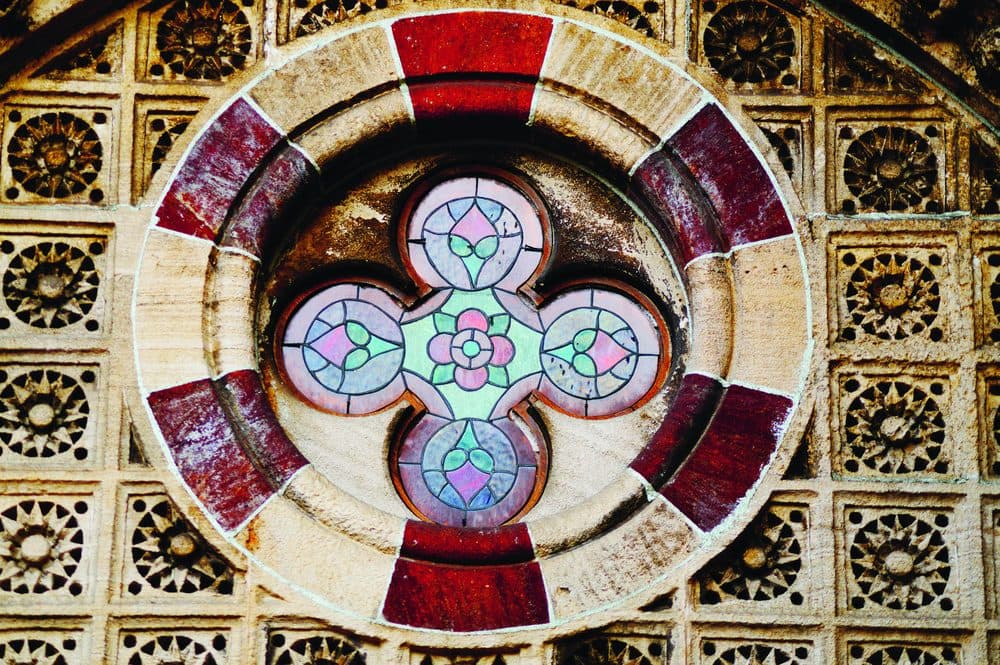
Climbing further up brings you closer to the original stained glass windows with elephants, steam engines and GIPR iconography. You can also step onto the terrace in front of the terminus for a wonderful view of the BMC building, a rare vantage point at this bustling junction that provides a peek into the past even as we rush to our next destination.