


 ion
ion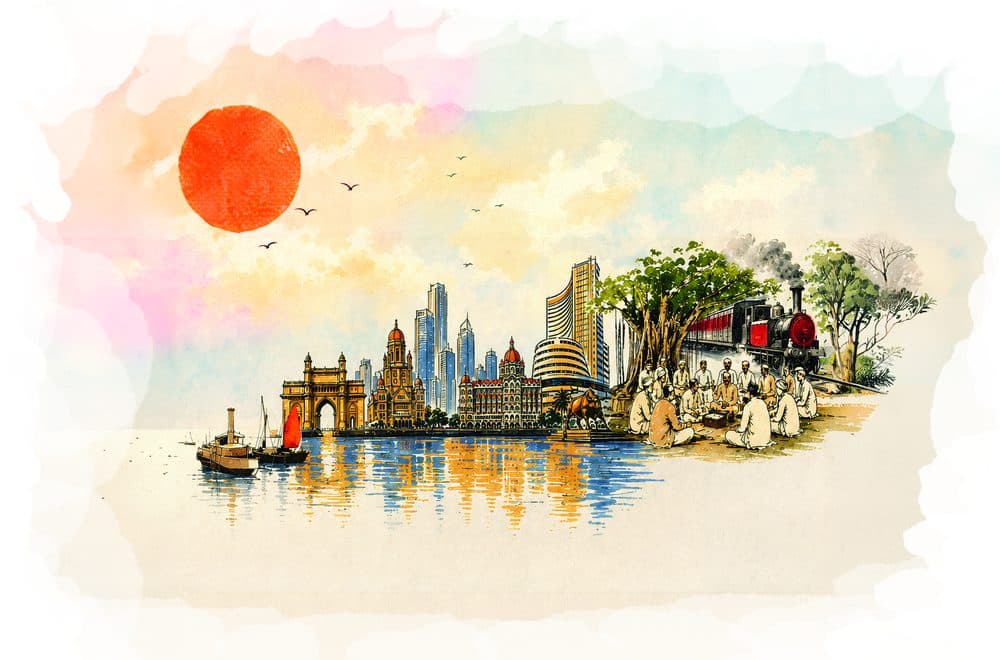
With a population of over 12 million, Mumbai doesn’t believe in subtlety. This is perhaps best evident in the city’s propensity for dhanda. This unrelenting business resourcefulness is what puts the ‘maximum’ in Maximum City, bringing thousands of dreamers to its shore every single day.
While Mumbai has been India’s undisputed financial capital for decades, the City of Dreams wasn’t always the business behemoth it is today. Although it has always been a prominent port, pre-independence Mumbai (then Bombay) largely played a supporting role to Kolkata (then Calcutta) when it came to commerce. But the tide turned within the first couple of decades of independence.
Today, Mumbai stands as the driving force behind the US $4 trillion GDP of India. How then did this city’s journey to the top unfold?
Find out as DOT.in takes you through the waves of Mumbai’s financial success.
Timeline:
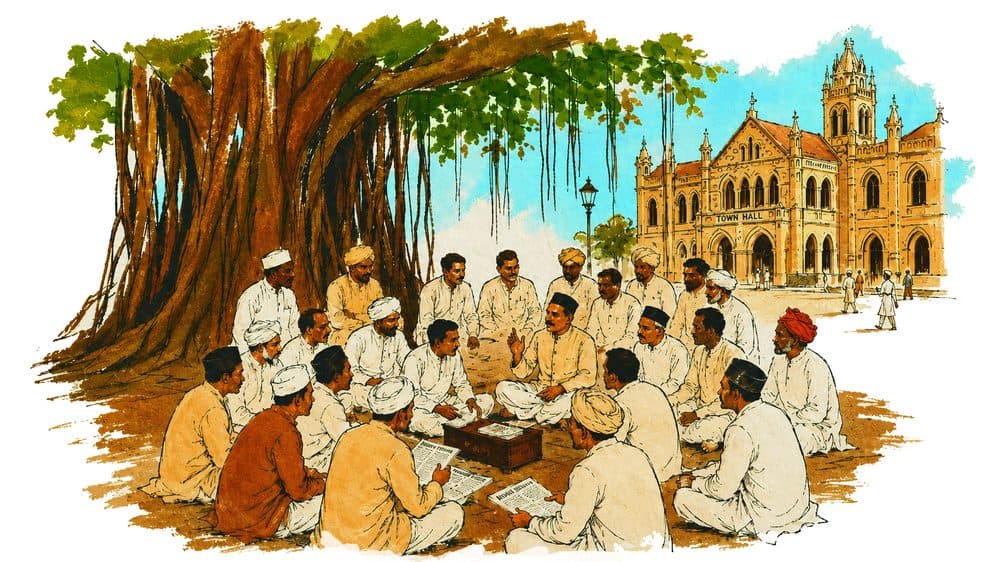
1853: India’s first passenger train connected the 33 kilometres between Bori Bunder and Thane, linking the port to its commercial hinterland.
1861-1865: The American Civil War transformed Bombay Presidency into one of the largest cotton exporters, accounting for bullion imports worth ₹52 crore by 1865. When the war ended, investors lost more than ₹45 crore.
1869: The opening of the Suez Canal considerably shortened the distance between London and Mumbai from 19,855 kilometers to 11,593 kilometers, giving a huge push to India’s trade with Europe.
1870’s: The Bombay Port Trust was established in 1873, with the Sassoon Dock opening in 1875. The very same year, Asia’s first exchange formally organised itself as the Native Share and Stock Brokers’ Association, which would go on to become the Bombay Stock Exchange Limited (now BSE Ltd).
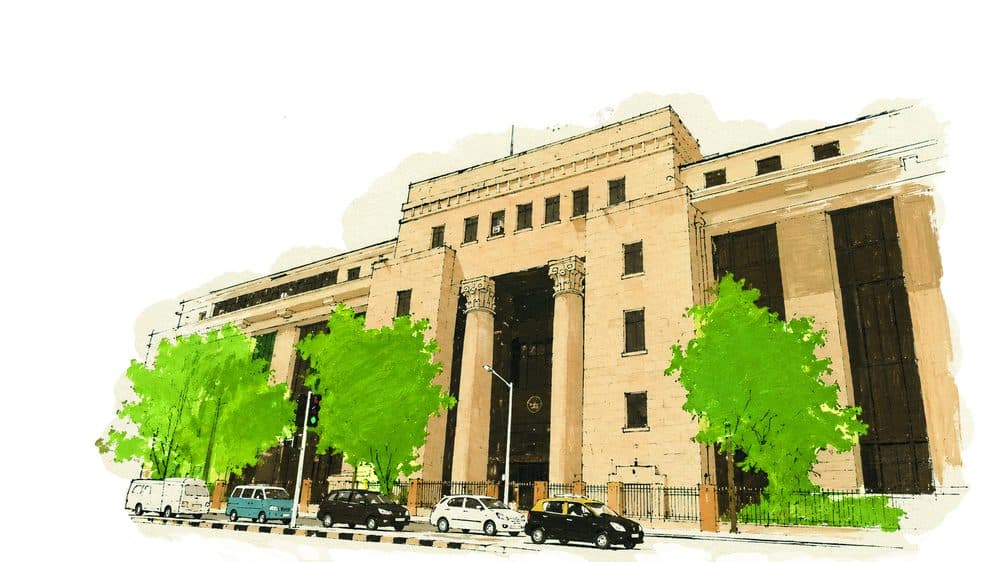
1937: The Central Office of the Reserve Bank of India was permanently moved from Calcutta to Bombay in 1937, thus centering all major decisions on the Indian economy in the Western port city.
1947-1950: While the share of clearing house transactions of both cities were approximately equal in 1947, Bombay had usurped Calcutta by almost 6% in 1950.
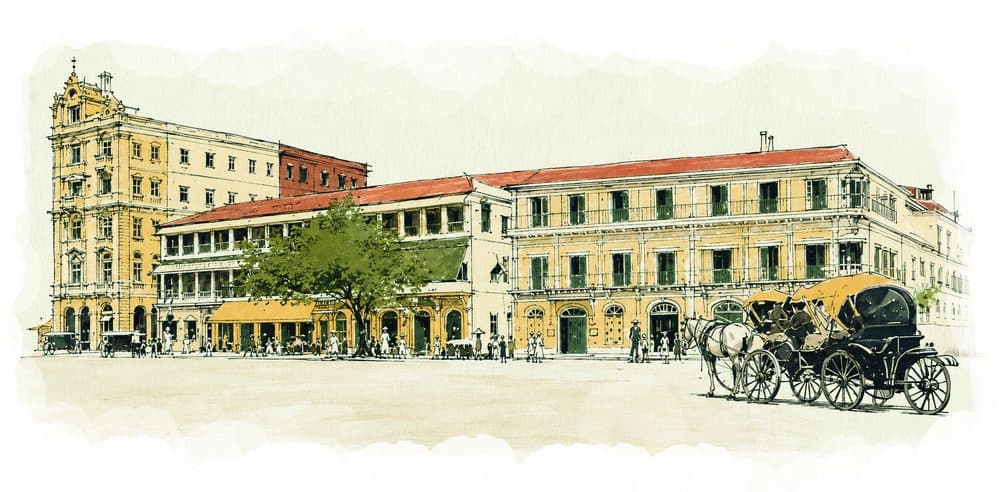
1956: BSE became the first stock exchange in the country to be granted permanent recognition under the Securities Contract Regulation Act, 1956.
1977: The Mumbai Metropolitan Region Development Authority (MMRDA) was appointed to plan and develop the 370 hectare Bandra-Kurla Complex as a second financial district, in order to reduce the concentration of commercial activities in South Bombay.
1982-83: Nearly 250,000 textile workers participated in the Great Bombay Textile Strike, leading to the closure of several mills and a wave of deindustrialisation, with finance and services taking up the economic mantle.
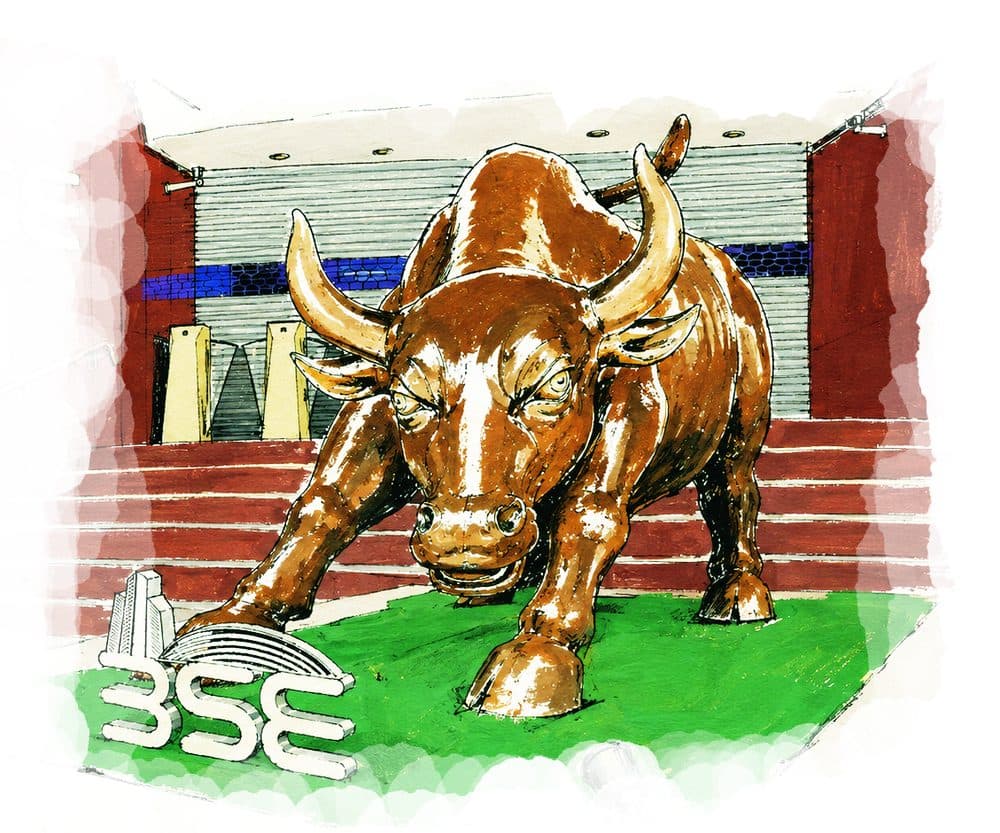
1986-1992: The BSE Sensex was launched in 1986, SEBI came into existence in 1988, and received statutory powers in 1992. Coupled with the liberalisation of the Indian economy in 1991, it paved the way for a more streamlined, internationally connected economy, centred in Bombay.
1992: The National Stock Exchange of India (NSE) was incorporated in 1992, and began electronic trading two years later.
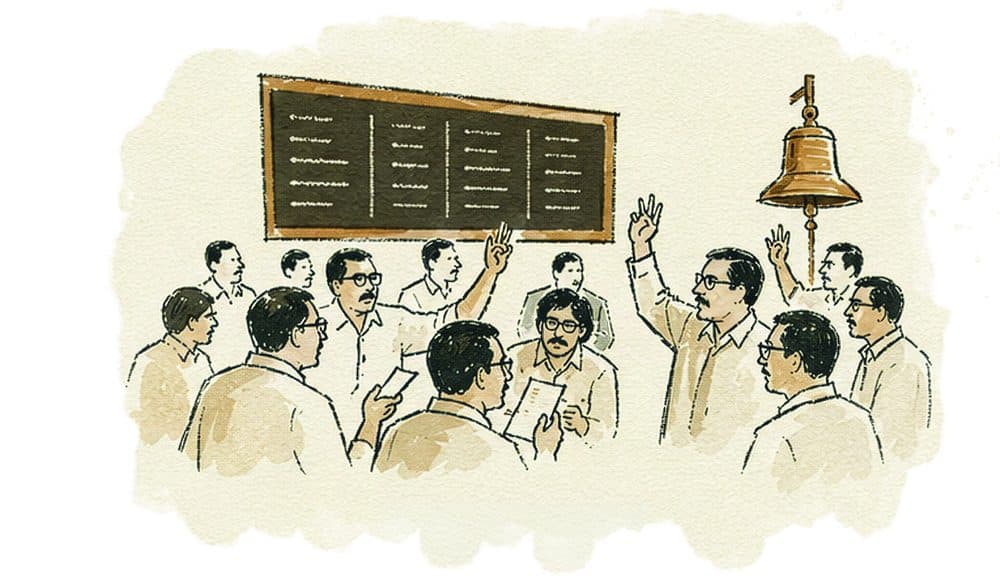
2005: The older broker-run association of the BSE was corporatised and demutualised.

2016: RBI Governor Raghuram Rajan led the pilot launch of the Unified Payments Interface (UPI) at Mumbai, paving the way for India's digital financial revolution.
2024: On May 23, 2024, market capitalisation of Indian listed companies on NSE surpassed US $5 trillion, with Nifty 50 touching an all-time high.