To many, golf might seem like a sport that’s about manicured fairways and private clubs. In India, golf has another layer to its greens, with an experience closely connected to the locale. Midway through a game, you enter the gates of a royal palace in Gujarat, or cross tracks with a racecourse in Mysuru. You pause before a putt because of the frame nature paints before the eyes: peacocks fanning their feathers in Hyderabad or a sloping hill that feels like it’s descending into the Dal Lake. The courses are, in many ways, a map of India itself.
Golden triangle of golf
If we had to divide India into four zones, let’s start with the north. Here, we have the famous Golden Triangle, the tourist circuit connecting Delhi, Agra and Jaipur.
Rajasthan already attracts travellers to its forts, local markets and palaces. The Rambagh Golf Club in the state’s capital city Jaipur, one of India’s oldest golf courses established in 1944, is set within the former royal estate opposite the Rambagh Palace. The view of the forts of Nahargarh and Moti Dungri is truly spectacular from the greens.
Neighbouring state Haryana started the trend of designer courses in Gurugram where the Classic Golf & Country Club became the first Jack Nicklaus-designed course to open for play in India.
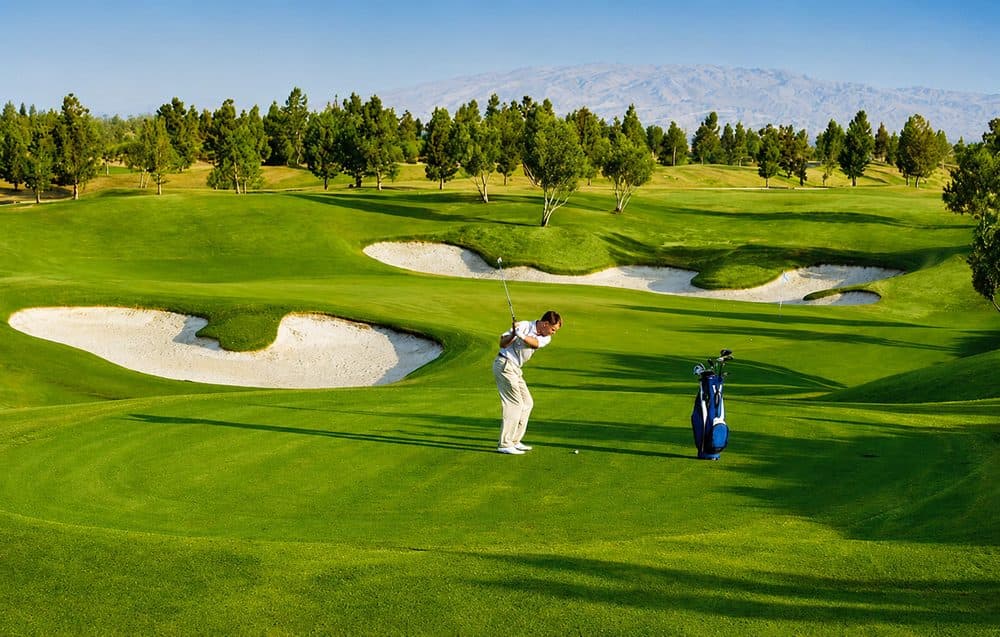
Further north, there is Kashmir, where the golf courses rival those anywhere in the world. At Royal Springs Golf Course in the capital Srinagar, designed by famous golf architect Robert Trent Jones Jr, you can play against the backdrop of the shimmering Dal Lake and the Zabarwan mountain range in the distance. The fifth hole is one of India’s most spectacular, where the tee shot falls dramatically towards the lake, framed by a bed of white flowers. I remember taking actress Sushmita Sen there for a photo shoot with Louis Vuitton.
The Pine and Peak Golf Course is a few hours away. Nestled among pine forests in Pahalgam, it is a stunning facility, and a great option if you want to step beyond Srinagar. And then, of course, there’s Gulmarg Golf Club, which is one of the highest green golf courses in the world at nearly 2,650m above sea level.
All these three fabulous courses are backed by great hotels. I always say this about tourism: it only works if everything is integrated: enough flights, easy transfers and good hotels.
If you are in Punjab, there is the Chandigarh Golf Club (1962) where legends like Jeev Milkha Singh were nurtured. From there, the golfing trail extends to Ludhiana, Jalandhar and all the way up to Kapurthala’s Rail Coach Factory Golf Club. Set within one of Indian Railway’s largest coach manufacturing towns, the golf course is a nod to the lesser-known legacy of the railways as patrons of the game.
The southern swing
South India may be India’s most underrated golfing region.
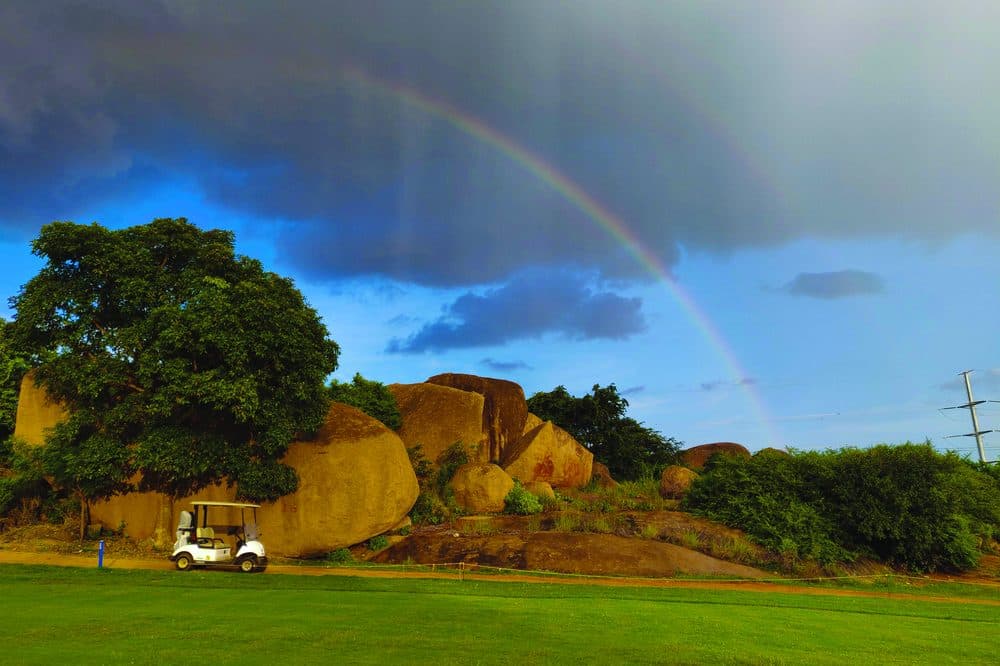
If you visit Hyderabad in Telangana, it has so much: temples, a booming IT industry and history at every turn. But people forget Chandrababu Naidu’s vision before the state split into two, before Telangana and Andhra Pradesh were divided. If Hyderabad wanted to be on a par with cities like Singapore, Dubai or Kuala Lumpur, it needed the kind of lifestyle infrastructure that would appeal to international visitors. The Boulder Hills Golf & Country Club reflects this. But forget about whether you play or not, just the scenic beauty of this place will blow your mind. It’s almost like nature painted its own picture.
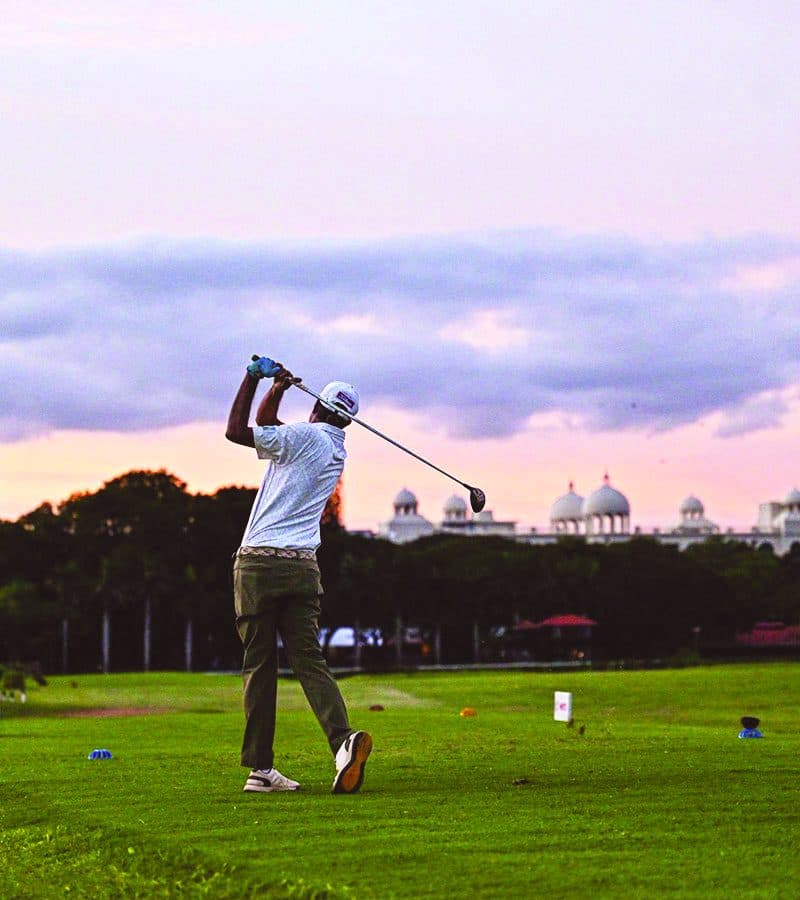
Karnataka has the second-oldest golf course in India, the Bangalore Golf Club founded in 1876, and in the same city as Prestige Golfshire Club, defining luxury with mansions on site. In Mysuru, there’s a lovely facility — the Jayachamaraja Wadiyar Golf Club (JWGC) — with a royal lineage and located in the middle of the Mysore Race Course! In fact, players crisscross the racetrack, with several holes located inside the racing oval. From these urban greens, head further south to coffee plantations in Coorg surrounding the historic 18-hole Mercara Downs Golf Club, established by British planters. Or to the hill stations of Ooty and Kodaikanal in Tamil Nadu where the courses are wrapped in rolling mists and the fragrance of eucalyptus.
A walk to the west
In Gujarat, where Narendra Modi was Chief Minister for more than a decade before becoming Prime Minister, five golf courses in Ahmedabad rose to prominence only to ensure that Vibrant Gujarat, the business angle, prospered. They included Kalhaar Blues & Greens, Kensville GC and Gulmohor Greens.
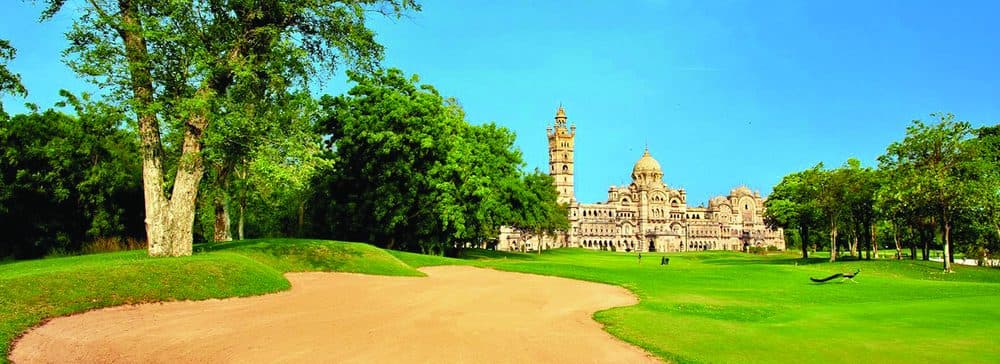
I often tell people if they really want a taste of royalty, go to Baroda, also in Gujarat, and play the golf course there. Midway through the round at Gaekwad Baroda Golf Club, you enter the Lukshmi Villas Palace, built by Maharaja Sayajirao Gaekwad III. The palaces are a part of the golf course. These are the destinations we should be telling the world about.
The beasts of the east
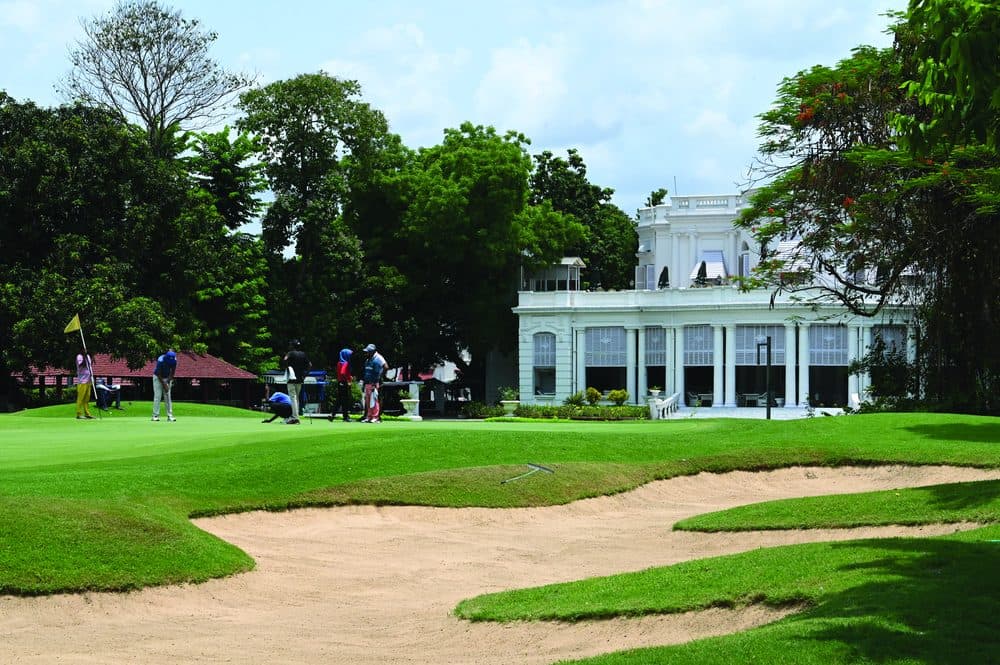
Finally coming to the east, the Royal (Royal Calcutta Golf Club) in Kolkata is turning 200 in 2029. It carries the same historical weight as the iconic courses of St Andrews and Royal Blackheath, and a challenging par-72 championship layout. The Tollygunge Club is a green oasis in the heart of urban Kolkata. Founded by a Scottish banker, it has fairways bordered by wooded areas and a clubhouse that is over 220 years old.
Beyond Kolkata is a route waiting to happen. I would resurrect Shillong in Meghalaya, which is a beautiful opportunity but the golf course needs revival. The Assam government is showing a lot of enthusiasm right now. If this continues, we’ll have the Misa Sports Club near Guwahati, Kaziranga Golf Club, and there’ll be a new facility in Dibrugarh. This will create an itinerary that combines wildlife safaris, tea estates and golf.
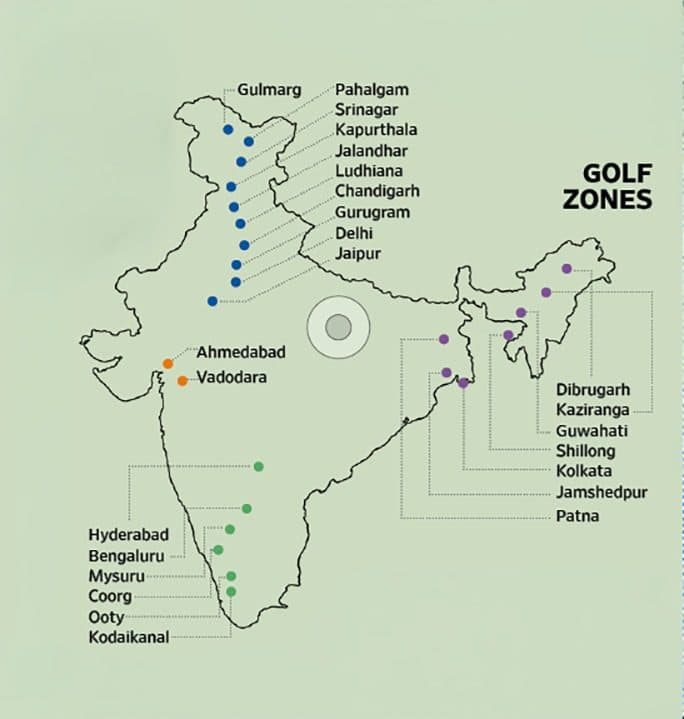
In the state of Jharkhand, Jamshedpur has twin courses at Beldih and Golmuri keeping with its industrial-era golfing tradition.
Finally, I am hopeful Patna will tap into the opportunity of being close to Bodhgaya.
The final putt
Globally, golfers resonate with the 19th hole, and while Scotland might be famous for its malts and whiskies, India can take centrestage with its food. Every state you play golf in will serve a different kind of cuisine. Breakfasts go from Parsi-style akuri to crisp dosas, lunches from curd rice to fiery fish curries and we still have the steaks and mutton crumb chops that roll back to the British.
Golf has always been about more than scorecards. It’s the experience that makes it above par.