Key Highlights
- Royal families of Rampur, Sailana and Mewar continue to preserve their secret recipes even now, long after the end of princely India
- Preparing sulas (barbecued meat) starts with the cut of the meat, which must be thinly sliced, coated with the masalas, marinated in yoghurt and slow-cooked while basting with ghee
- Lokaviaa Mewar Rathore, the daughter of former India polo captain Lokendra Singh and Princess Bhargavi of Udaipur and the granddaughter of the late Arvind Singhji Mewar, is currently working on The Archived Table, where she collects stories, recipes and more from Rajput families around Mewar, and archives them on Instagram and YouTube
- Lokaviaa says several techniques around game meat are disappearing
- Rampuri cuisine is famous for its aromatic, succulent meats, which is the result of an amalgamation of Afghani and Awadhi traditions
- Nawab Kazim Ali Khan now travels all over the world to promote Rampuri cuisine
- Shailja Katoch, Princess of Sailana, along with the chefs at Delhi’s Roseate House, recreated Mumtaz Mahal’s favourite dish in a recent pop-up, as part of Shailja’s attempt to preserve the cuisine of her royal family
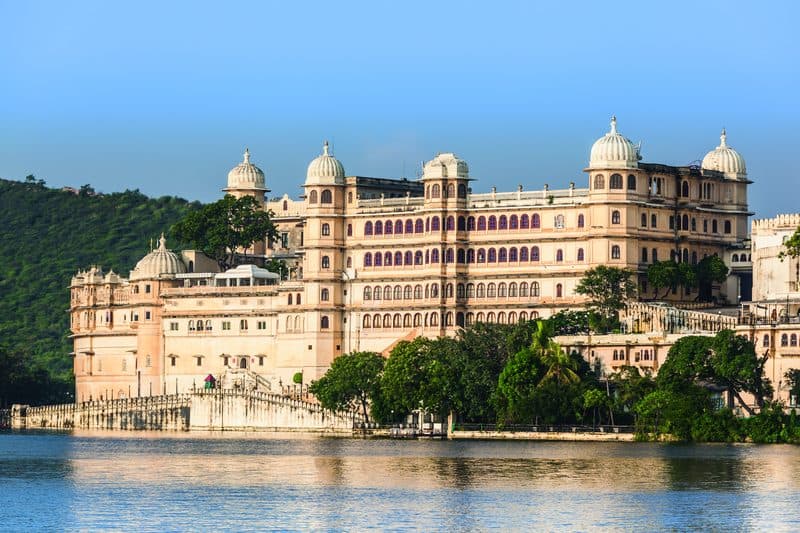
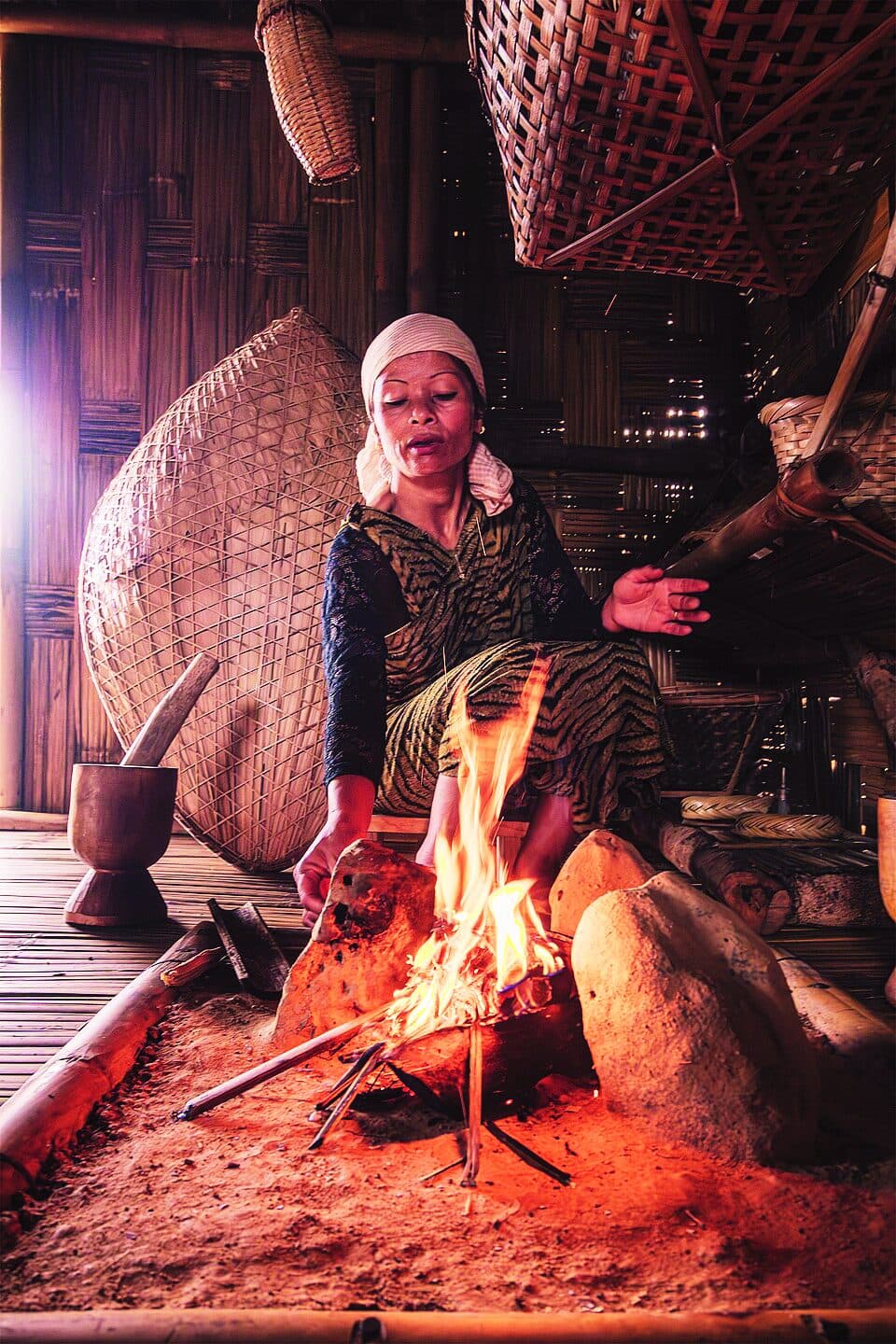
“My Nanosa would sit on a muddha (stool) in the courtyard, and in front a small chulha (fire oven) would be placed with a large degchi (vessel) on it,” says Lokaviaa, granddaughter of the late Shriji Arvind Singh Mewar, hotelier and patriarch of the Udaipur royal family. “He would instruct me when to stir, and what to add. ‘Put a little more of this, not too much of that,’ he would say.”
Often they would prepare sulas (barbecued meat) together. The art of making sulas starts with the cut of the meat, which must be thinly sliced, coated with the masalas, marinated in yoghurt and slow-cooked while basting with ghee. “There was also a bread called thotri, small, like a biscuit, but very dense and made of bajra (pearl millet) that traces back to Bikaner, the home of my great-grandmother,” recalls Lokaviaa.
The daughter of former India polo captain Lokendra Singh and Princess Bhargavi of Udaipur realised that many Rajput royal recipes were not written down. “They were just passed down by demonstration or oral narration,” says Lokaviaa. She’s currently working on a special project, The Archived Table, where she collects stories, memories, recipes and know-how from Rajput families around Mewar, and archives them on Instagram and YouTube, “before they are lost forever”.
Across India, royal recipes and dishes have survived thus far because they were passed down through generations of chefs and families. Today they are being preserved in books or being recreated in collaboration with luxury hotels. We take a closer look at three families that are trying to record a taste of the past for posterity.
NAWAB KAZIM ALI KHAN OF RAMPUR
On the journey of Rampur cuisine from Afghanistan to Bareilly
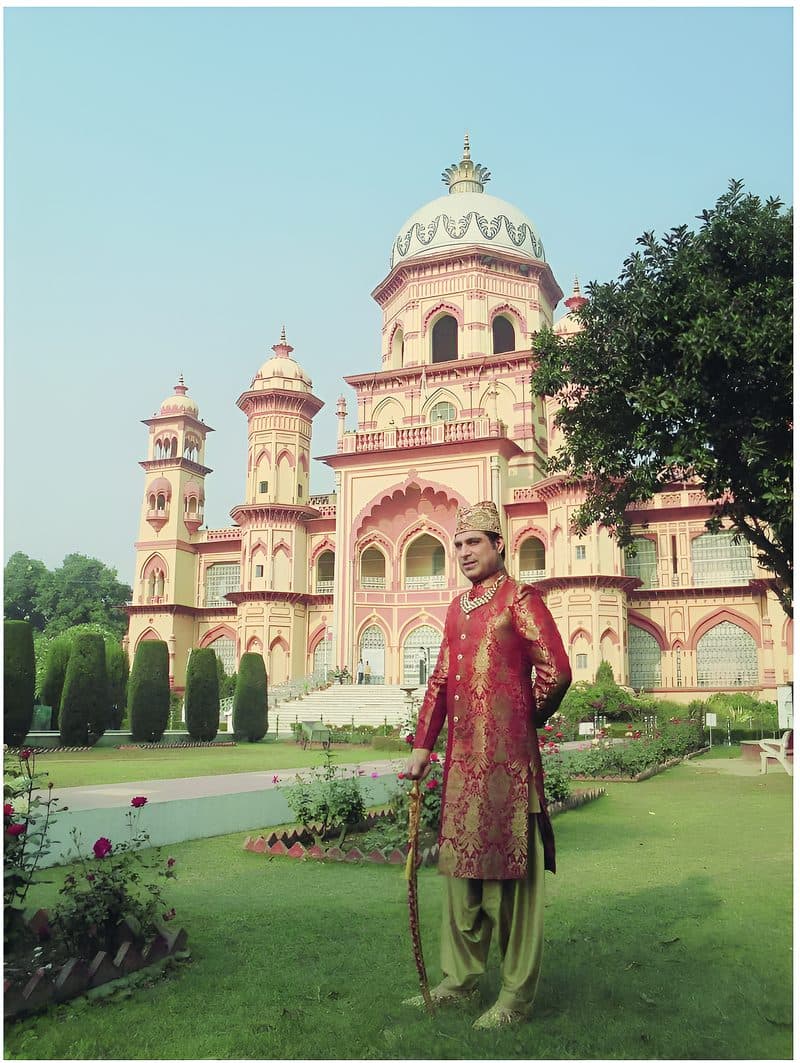
Rampuri cuisine is famous for its aromatic, succulent meats — the result of an amalgamation of Afghani and Awadhi traditions. “Our family came from a small town called Ghwara Margai, in the Kandahar province of southern Afghanistan,” says Nawab Kazim Ali Khan, former MLA from Uttar Pradesh, where the former princely state is located. “I’ve just returned from a trip to Afghanistan, where I met people from our family’s former district, Shah Wali Kot. The cuisine today is the same as it was hundreds of years ago.”
His ancestors left in 1680. “At that time the border between Afghanistan and India was five kilometres ahead of Peshawar,” says Kazim. “So the clan settled in this region of Peshawar, in Mardan and Mansehra (in the Pakhtunkhwa province of Pakistan), and Mingora (in the Swat district of Pakistan), and the cooking style became Shinwari — with no fragrances, just whole spices, cooking in ghee.”
“Then came time for my ancestors to move again from the Northwest Frontier into India, through the Almora mountains into Bareilly, in the Rohilkhand region.” In the Shinwari style, there was rice, meat, lamb, beef, little onion and no tomatoes. This cuisine carried on until the First War of Independence in 1857.
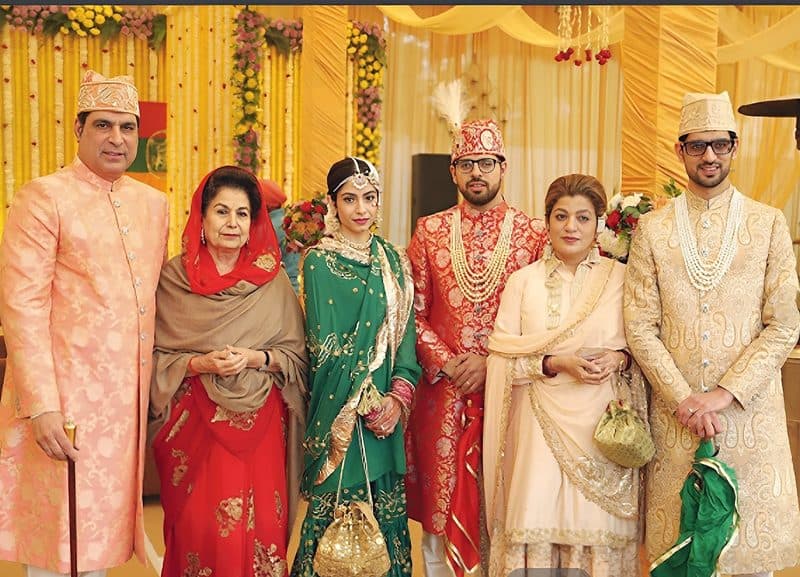
“We suddenly had an influx of chefs, poets, musicians, calligraphers and artists fleeing the court of Awadh, as it had been destroyed by the British,” says Kazim. This is where the fusion of the Shinwari and Awadhi cuisines took place. “That’s when all the other masalas and khushbu, the fragrances, came in.”
Kazim’s grandfather, Nawab Raza Ali Khan, and generations before him were renowned ‘hobby’ chefs. “There were 42 chefs at the time, and each chef specialised in a particular type of food,” says Kazim. Yakhni pulao, lamb, beef, dum pukht, musallam (a joint of meat cooked whole in an earthen pot), shab deg (turnip and mutton stew) and halwa were some of the specialties. Royal chefs had no written measurements. “It was all the hand of the chef — a chatak of this, a chutki bhar of that.”
Today, he travels all over India to promote Rampuri cuisine, has even gone to Albania to present his dishes, and is planning trips to El Salvador and Honduras next. “During my father’s time there were still many chefs alive from the olden days. And these chefs never taught their children, as they were insecure.”
LOKAVIAA MEWAR RATHORE
On archiving Royal Mewar’s culinary legacy
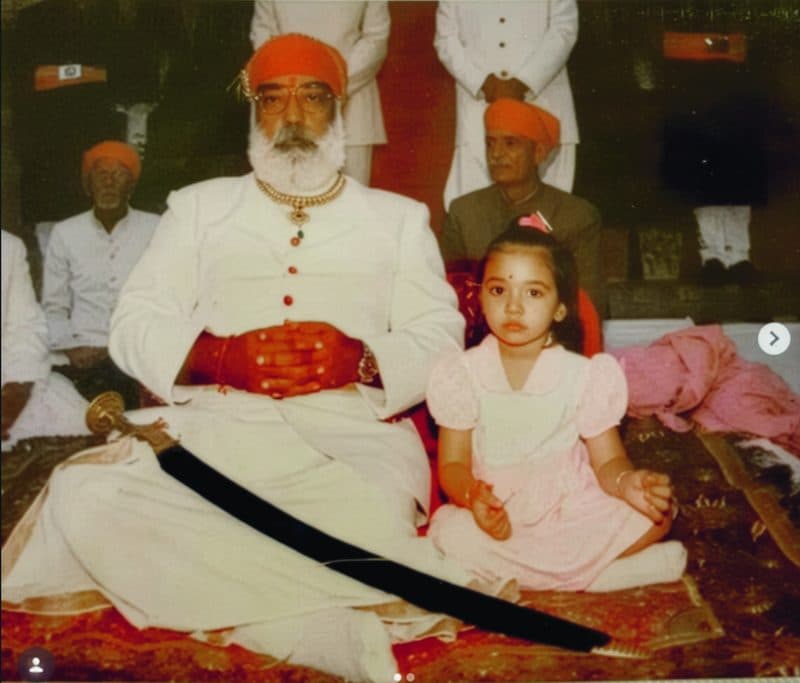
As the granddaughter of the late Arvind Singhji Mewar, Lokaviaa Mewar Rathore grew up around hearty family meals, and cooking with the late Shriji, her grandfather, in his palace in Udaipur.
“I loved cooking and learning from both my grandfathers, who were real foodies,” says Lokaviaa, who now lives in Jaipur with her husband, Aanjneya Singh Bissau, managing his family’s ancestral haveli, Bissau Palace.
Many of these dishes were never formally documented. “A lot of the dishes are non-vegetarian, due to the tradition of game meat, but there are lots of vegetarian dishes, especially pickles and preserves,” says Lokaviaa. In 2020, she shot 10 episodes with UK TV channel Foodxp, where she talks about lost recipes of her region.
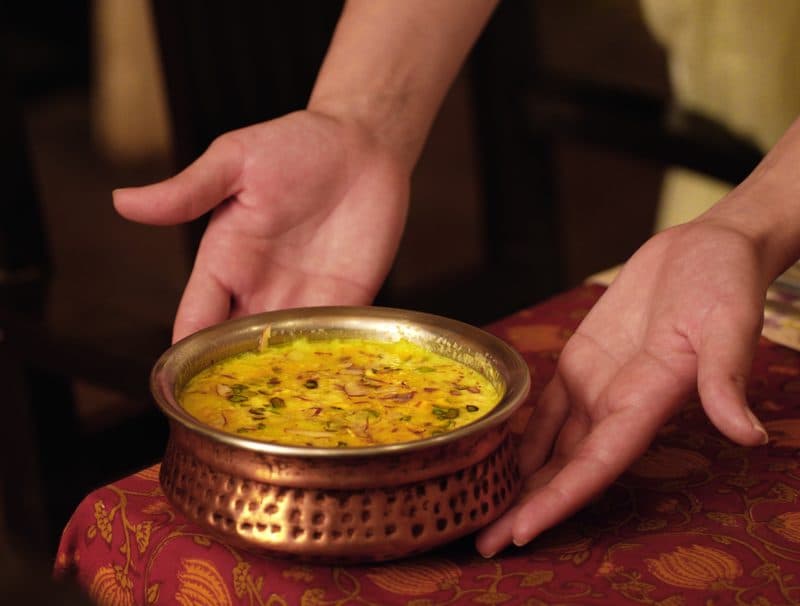
But it’s not only the recipes she is trying to preserve. “A lot of techniques around game meat are disappearing. People have substituted those rustic ways with a gas cooker, for example. One such technique, I would say, is khad maas (meat cooked in a pit). People don’t have time to sit around for slow cooking.”
For generations, royal households depended on hereditary cooks. “Each family has had staff working for generations. The cook’s son would become the new cook, and that’s how it went,” says Lokaviaa. “A lot of recipes were taught and practised between father and son. That’s how most of the recipes have actually passed down. These cooks were called waris in Rajasthan, and they carried our recipes forward.”
MAHARANI SHAILJA KUMARI KATOCH OF KANGRA-LAMBAGRAON
On preserving cuisine through books and royal pop-ups in luxury hotels
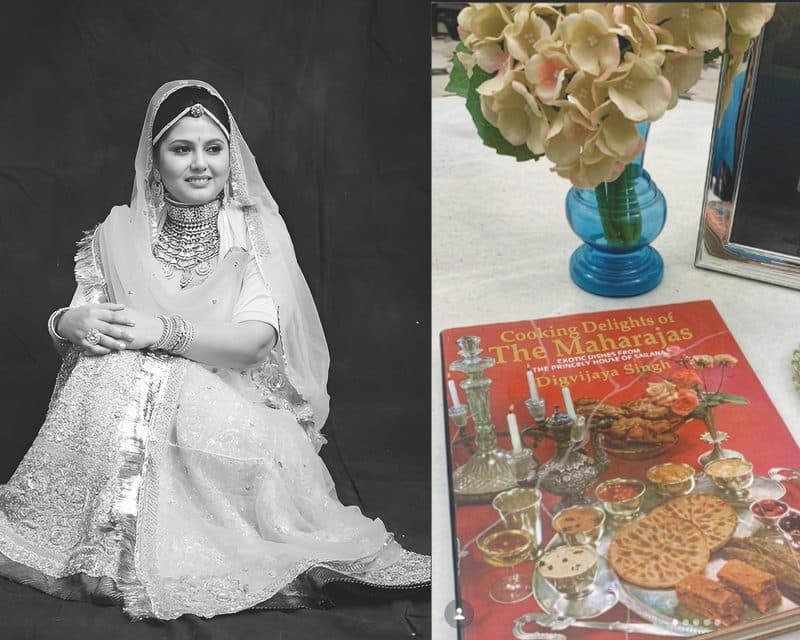
Imagine eating Begum Mumtaz Mahal’s favourite chicken dish (yes, that Mumtaz, as a tribute to whom the Taj Mahal was built). This was made possible a few seasons ago at a Kitchen of the Kings pop-up hosted by Shailja Katoch of Kangra-Lambagraon (Princess of Sailana), and the chefs at Roseate House, Delhi.
Shailja carries the culinary legacy of the royal house of Sailana on her elegant shoulders, the secrets of the world-famous royal cuisine having been passed on to her by her father. But it was her grandfather, Maharaja Digvijay Singhji, who published highly precise recipes in the celebrated cookbook Cooking Delights of the Maharajas. Legend has it that he would go to royal homes with his measures and painstakingly chronicle a recipe. So perfect are his instructions, it is said, that even a novice can recreate his dishes. (The book can be found in state homes of governors and ambassadors across the globe. In fact, when they bombed Saddam Hussein’s house, the book was apparently found there!)
The menu at Roseate House comprised appetisers including the famous Sailana Machhi Kebab (fish marinated with chilli and spices), Shalgam ke Kebab (roasted turnip kebab infused with a spicy mix), and nine main courses, and was replete with stories and techniques that are long forgotten.
“The Korma Asafjahi is a recipe by the Nawab of Awadh (Wajid Ali Shah), given to my great-grandfather in 1905,” says Shailja. “What’s special about this mutton dish is the tadka — it’s raisins and almonds, instead of jeera (cumin) and lal mirchi (red chilli). It gives a slightly sweet taste, so it’s spicy, but with a tinge of sweetness.”
“These recipes are ancient. Just look at the Murgh Mumtaz Mahal — it was Mumtaz Mahal’s favourite recipe. There’s onion, garlic, ginger, but no tomatoes. The gravy is made of a rich onion and cashew paste.” And yes, all her recipes are easily made in a regular pan. “The tandoor did not exist at that time,” she says.
There are also Kangra dishes on the menu (as she’s married to the present Maharaja of Kangra-Lambagraon, Aishwarya Katoch), which use yoghurt generously. The vegetarian temple dishes are still cooked for entire villages (up to 50,000 people). “Everyone is invited to sit together and eat,” says Shailja. “I found the dham food unique when I got married.” The Kangra palda (cauliflower cooked in a spicy yoghurt curry), and the Kangra saag (spinach, mustard and bathua or pigweed leaves cooked in ghee) are examples of Kangra dham cuisine.
And to end this royal repast, Shailja and the Roseate House chefs presented Gulab ki Kheer (rose kheer made of reduced condensed milk, with fresh Indian rose petals), another Sailana favourite.
Who is Lokaviaa Mewar Rathore?
Who is Lokaviaa Mewar Rathore?
Lokaviaa Mewar Rathore is the daughter of former India polo captain Lokendra Singh and Princess Bhargavi of Udaipur and the granddaughter of the late Arvind Singhji Mewar.
What is The Archived Table?
What is The Archived Table?
The Archived Table is an initiative by Lokaviaa to document stories, recipes, memories and more from Rajput families around Mewar, and archive them on Instagram and YouTube.
Who is Nawab Kazim Ali Khan?
Who is Nawab Kazim Ali Khan?
Nawab Kazim Ali Khan from Rampur is now focusing on taking Rampuri cuisine to different parts of the world
What is Rampuri cuisine like?
What is Rampuri cuisine like?
Rampuri cuisine is typically known for its aromatic, succulent meats, which is the result of an amalgamation of Afghani and Awadhi traditions
Who is Maharani Shailja Kumari Katoch?
Who is Maharani Shailja Kumari Katoch?
Maharani Shailja Kumari Katoch of Kangra-Lambagraon is the Princess of Sailana and hosted a pop-up called Kitchen of the Kings, in collaboration with the chefs at Roseate House, Delhi.
What is Gulab ki Kheer?
What is Gulab ki Kheer?
Gulab ki Kheer is a kind of rose kheer made of reduced milk, with fresh Indian rose petals.