


 ion
ion
The saffron and turmeric your mother stirred into your night-time milk to make you glow from within, the oil massaged into your hair every week for shine and the rose water to soothe your skin during a harsh Indian summer.
It’s not your imagination.
Skincare ingredients familiar to every Indian household are now starring in global luxury products, from Dior to Chantecaille.
Global brands have embraced cleaner formulations and plant-based actives, many of which have been in use for centuries in India, into their products. These ingredients have gone from kitchen cupboards, family recipes and Ayurvedic practitioners to being studied, formulated and marketed as high-performance actives.
Commonplace Indian techniques, such as oiling hair or champi, are finding their place in beauty routines in a new form, and with it, age-old ingredients such as bhringraj and sandalwood.
Brands like Kora Organics, founded by Australian supermodel Miranda Kerr, lean into naturally-derived ingredients like bakuchiol, turmeric and rosehip in modern formulations. Gwyneth Paltrow’s lifestyle brand, Goop, embraces ashwagandha, sandalwood and turmeric.
We take a look at some of these ingredients that are transforming beauty rituals and bringing together the language many of us recognise from back home and the demands of contemporary skin and hair care.

Saffron: The Golden Spice
Sanskrit: Kumkum (saffron-coloured substance), Agnishikha (flame of fire) and Mangalya (auspicious)
For centuries, Ayurvedic texts like Charaka Samhita, Sushruta Samhita, Ashtanga Hridaya and Bhavaprakasha Nighant have associated saffron (kumkum) with skin-enhancing properties. Across cultures, saffron has been prized for its colour, fragrance and therapeutic benefits. In India, Kashmiri saffron, known locally as kong, has found a place in traditional beauty rituals, from ubtans (scrubs) to bridal preparations. Rare, time-consuming to harvest and deeply rooted in our beauty culture, the world’s most expensive spice is now found in facial oils, brightening serums and creams.
Look for it in
- Zaffran Ultra-Technology range from the Italian skincare brand Milace
- Or Rouge Range from Yves Saint Laurent Beauty
- Radiant Rani Saffron Brightening Serum from Ranavat
- Skin Enhancing Treatment Cleanser & Radiance Boosting Moisturiser from Lisa Eldridge
Bakuchiol: Nature’s Retinol
Sanskrit: Bakuchi (Bākucī)
The bakuchi herb is mentioned in Ayurvedic texts like the Charaka Samhita and Sushruta Samhita as somavalli, chandrika, suprabha and chandrashalaka, evoking the moon and its luminous qualities.
Bakuchiol is extracted from the bakuchi plant and often described as a gentler alternative to retinol, used to boost collagen and reduce wrinkles without the side effects of traditional retinoids.
With its antioxidant, anti-ageing and anti-inflammatory properties, bakuchiol promotes smoother, firmer-looking skin, making it a great part of any skincare routine.
Look for it in
- Wrinkle Blur Bakuchiol Eye Gel Crème from Ole Henriksen
- Goodnight Glow Retin-ALT Sleeping Crème from KORA Organics
- Renewing Bakuchi Crème from Ranavat
- CE15 Bakuchiol Firming Oil from Allies of Skin
- Bakuchiol + Niacinamide Moisturiser from Eminence Organic Skin Care
Moringa: Skin Superfood
Sanskrit: Sigru (fast action) or Sobhanjana (the auspicious tree)
Rich in plant hormones that promote cell growth and replete with antioxidants, moringa extract is used to repair the skin barrier, prevent collagen breakdown, fade blemishes, and revive tired, dull skin.
Known colloquially as drumstick, the moringa leaf is high in iron and is a great addition to your diet, too, and has been popping up in health supplements around the world.
Look for it in
- Moringa All-Beauty Creme from Ere Perez
- Revitalizing Supreme+ Youth Power Creme from Estée Lauder
- Moringa Cleansing Balm from Emma Hardie
- Moringa Beauty Balm from Moringa Premium Cosmetics
- Kiehl’s Damage Repairing & Rehydrating hair care line
Rose: Not Just a Pretty Flower
Sanskrit: Shatapatri (one with a hundred petals) and Taruni (youthful maiden)
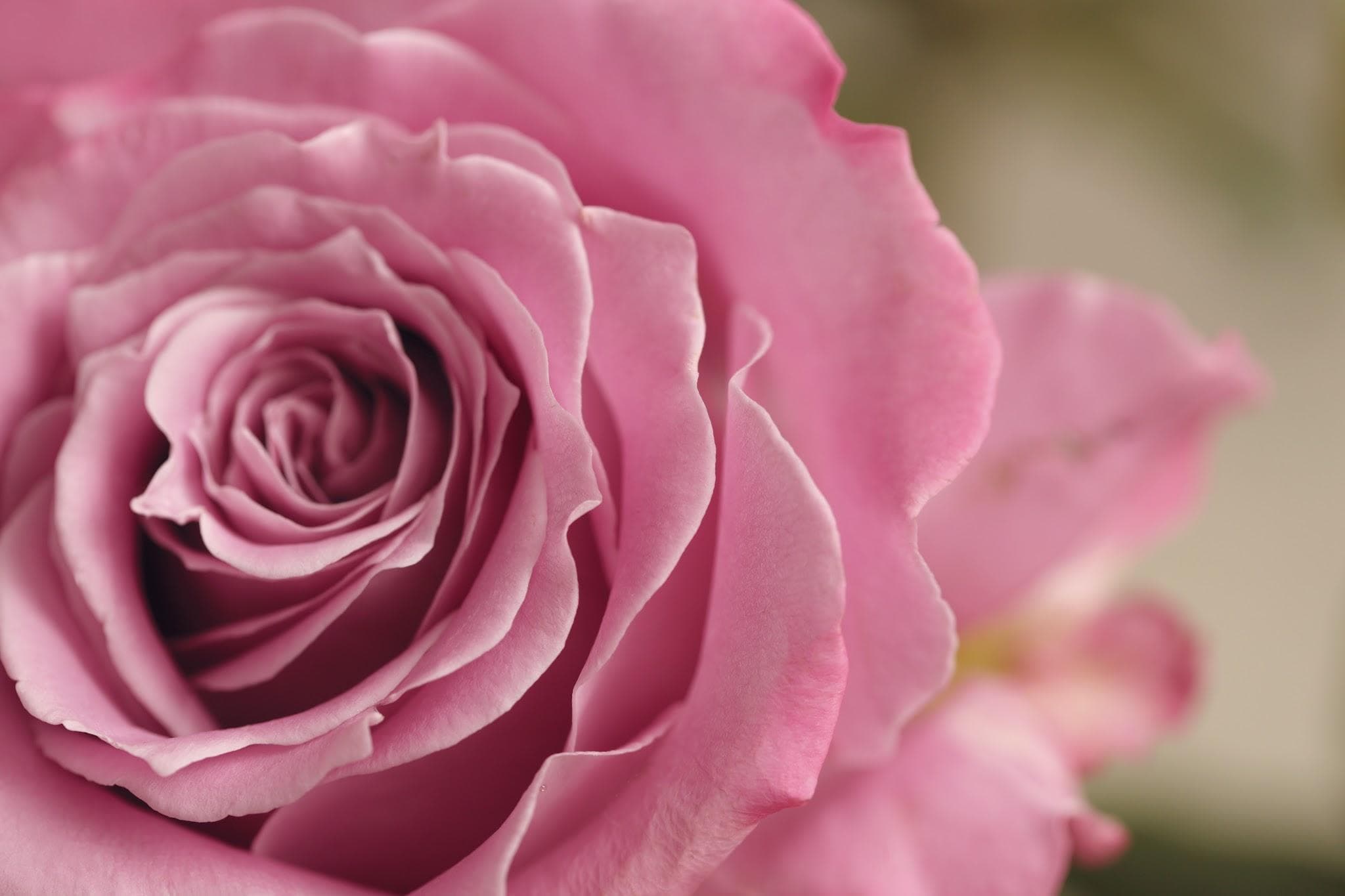
The rose has been an age-old representative of romance, beauty and wellbeing across a multitude of cultures. India, too, has its own rich history with the flower, with the Bhavaprakasha Nighant mentioning it as hrdya (beneficial to the heart) and rasayana (way of nourishment).
With origins in ancient Persia, in Ayurvedic tradition, rose is valued for its cooling, healing and rejuvenative qualities.
It refines pores, replenishes moisture and imparts a natural glow. Rose extracts and water are used to hydrate and soothe sensitive skin, while its delicate aroma — used in moderation — is lovely in its simplicity.
Look for it in
- La Micro-Huile de Rose Activated Serum from Dior Prestige
- Black Rose Skin Infusion Cream from Sisley
- Rejuvenating Face Mist from Sodashi
- Rose De Mai Cream from Chantecaille
Ashwagandha: Ditch the Stress
Sanskrit: Aśvagandhā (smell of a horse)
Known in Ayurveda as a powerful rasayana, or rejuvenating herb, modern beauty has found a star in ashwagandha as an adaptogen, an element that helps the body cope with stress and find its way to a healthy balance.
Used to calm inflamed skin and aid collagen production, it is also used in haircare to stimulate the scalp, improve blood circulation and fight dandruff.
Look for it in
- Adaptogen Deep Moisture Cream from Youth to the People
- Ashwagandha Ultra-Rich Restorative Cream from Éminence Organic Skin Care
- Emerald Deep Moisture Glow Oil from Herbivore
- G.Day Ginger + Ashwagandha Energy Body Wash from Goop Beauty
- Refining Lotus Gel-Crème from Ranavat
Ingredient to watch out for
Mahua: India’s best-kept beauty secret
Sanskrit: Madhūka or Madhukam or Madhu (honey or sweet)
Mentioned in the Atharva Veda, Charaka Samhita and Sushruta Samhita for its rejuvenating properties and healing powers and best known for its beautifully earthy fragrant blossoms.
The mahua tree yields a nutrient-rich butter, an elite emollient that aids deep barrier repair. Indigenous communities have long relied on it to protect skin from harsh climates.
Rich in fatty acids, mahua butter is now appearing in moisturisers, balms and body creams, offering intense nourishment and deep tissue repair.
It is increasingly available in virgin form, and you can try a more refined formulation with the Sohrai Mahua Miracle Oil and Sohrai Luminous Cloud Cream
THE OLD FAITHFULS
- The luxury skincare and beauty industry has been dipping into ancient wisdom for some time now. Here are a few star ingredients widely used in Ayurveda that are already mainstream:

Turmeric: The Healer
- Sanskrit: Haridra (the golden one)
- Turmeric's high curcumin content helps turmeric to boost skin radiance and clarity. It also heals the skin barrier, resulting in a youthful glow
Neem: The Purifier
- Sanskrit: Nimba (bestower of good health)
- The anti-bacterial properties of neem leaf extracts address acne, reduce blemishes and support a healthy skin barrier
Bhringraj: For the Good Hair Days
- Sanskrit: Kesharaja (King of hair) and Kesharanjana (hair colourant)
- This is the go-to herb, for a lustrous mane of hair. Usually infused in oil, this aids in scalp nourishment and strengthening of hair roots as well
Sandalwood: The Cooler
- Sanskrit: Chandan (from chand, the moon, meaning to shine, glow, or be radiant)
- Has soothing, calming and brightening properties, with a distinctive natural fragrance