Can you feel nostalgic about a place you have never left?
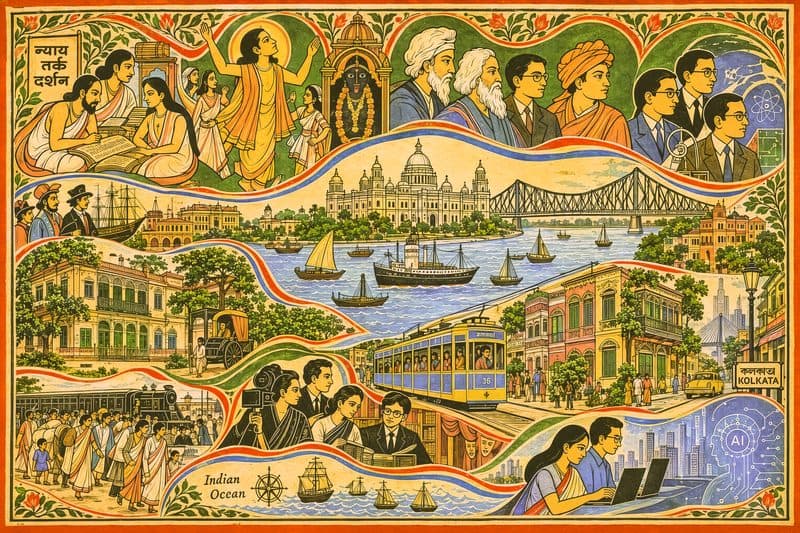
Growing up in Kolkata, where I still live and work, I have been unable to shake off the feeling that a section of the city, among its oldest, lies encased in a time capsule. While artisanal cafes dot the alleys of south Kolkata neighbourhoods and skyscrapers take over New Town, my birthplace and its vicinity, a stretch of roughly eight to 10 kilometres loosely called north Kolkata, feels exactly like it did some two-and-a-half decades ago, when I had first learned its serpentine lanes.
It is not that nothing changes in the north. Old buildings — large and leaky — frequently give way to homestays or boutique offices. The cafe craze, albeit tempered, is here, too. Occasionally, an age-old Xerox shop or tea stall will disappear, scattering precious memories with it.
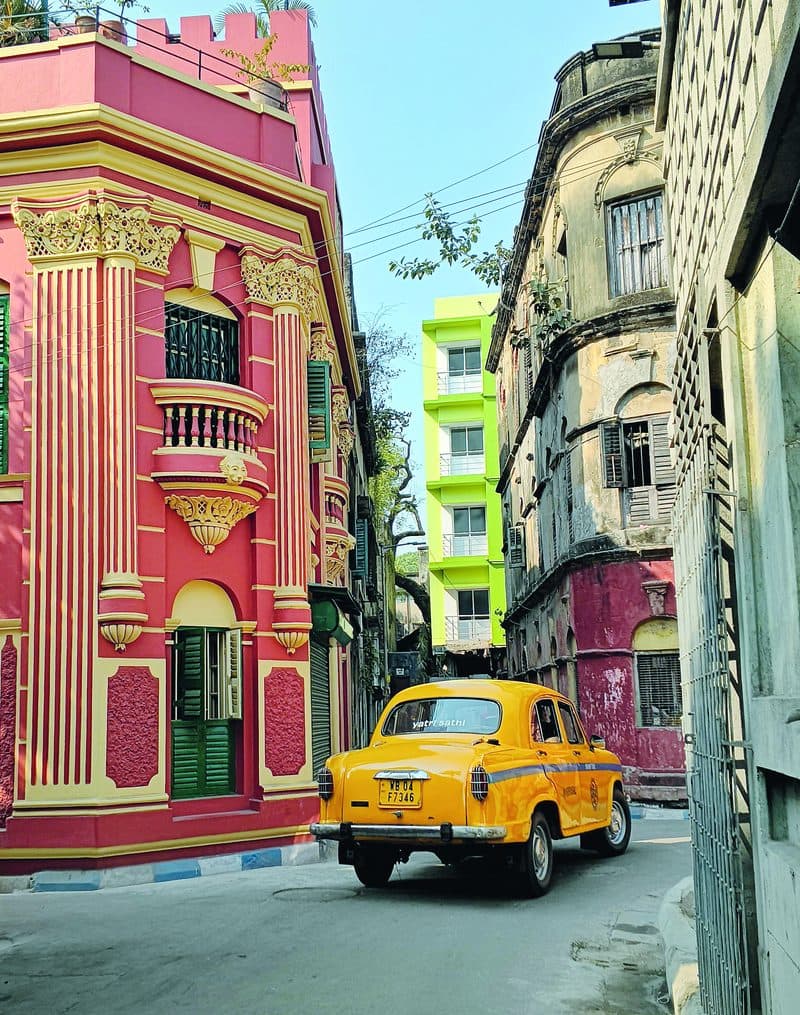
But, for the most part, north Kolkata evokes a nostalgia for the past that has trespassed into the present. This nostalgia can mean a few things — preservation veiled as romanticisation, resistance to gentrification, even a rejection of the modern mantra of minimalism.
When in north Kolkata, you don’t assume hustling is the default human condition. It is easy to find contentment in a red oxide floor, a khorkhori (Venetian window) or a stray cat that is in no hurry to go anywhere.
It is solitude that brings me back to the north, during long walks on weekends, punctuated with the aroma of sandesh (Bengali sweets) and the tunes of Rabindrasangeet wafting in with the breeze.
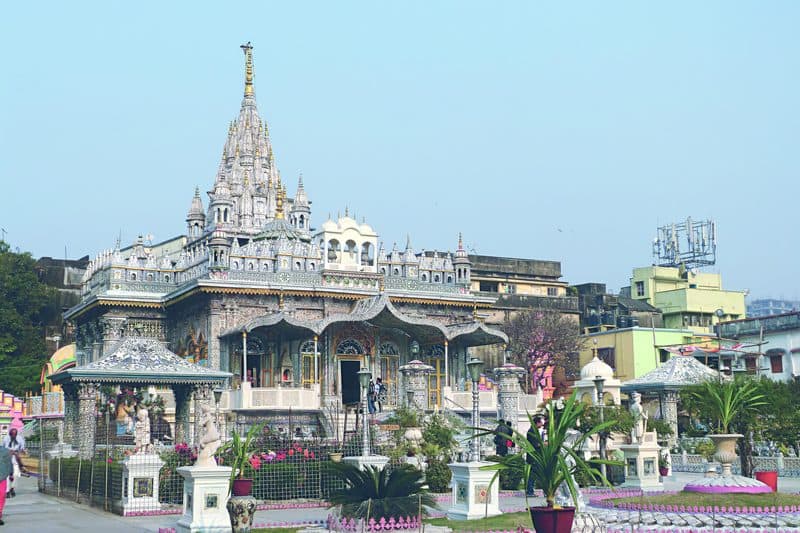
When I want to take a break from doomscrolling, I while away some time at the Pareshnath Jain Temple in Maniktala. Away from the bustling chaos of pedestrians, this complex of four temples provides an oasis of calm. Marble fuses with glasswork as gently as cha (tea) blends with adda. Once I have stopped admiring its chandeliers, I stroll out towards Shobhabazar, a brisk 15-minute walk.
Home to one of Kolkata’s most decorated rajbaris, Shobhabazar is also famous for Star Theatre, built in the late 1800s, with visitors including Rabindranath Tagore and Ishwar Chandra Vidyasagar. It is also the only place in the city where I can convince my mother to watch a film with me.
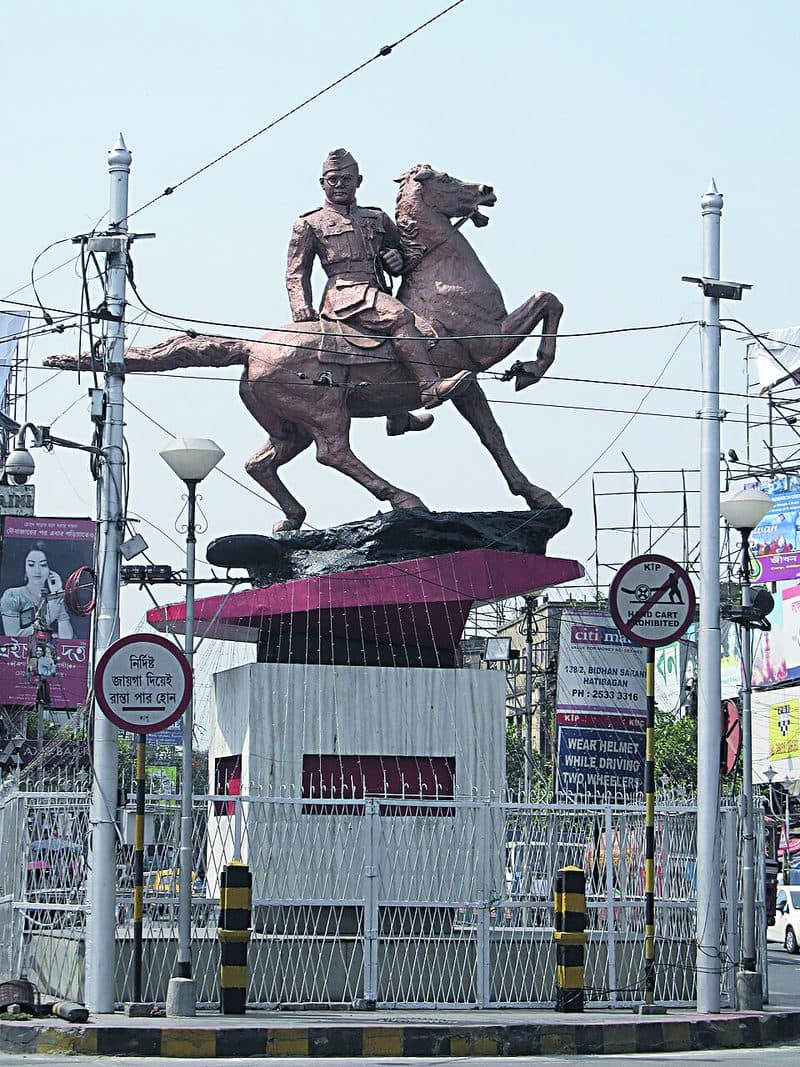
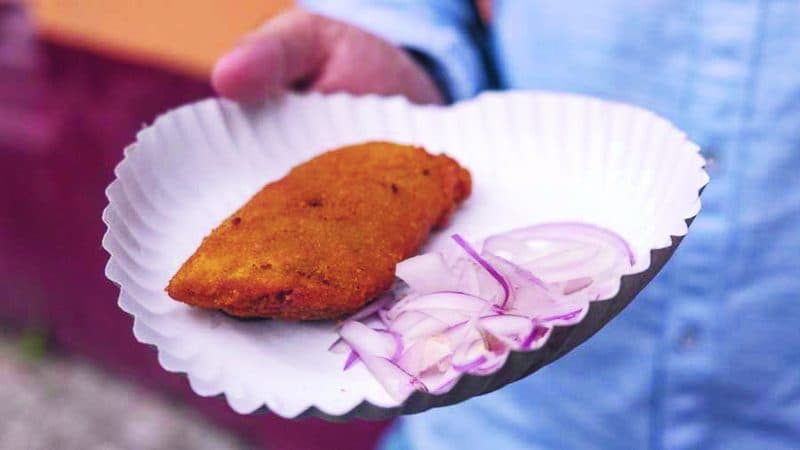
Three to four songs from a Kishore Kumar playlist last long enough to take me to Shyambazar, the quintessential heart of north Kolkata. With a bronze statue of Netaji Subhas Chandra Bose acting as a compass at the intersection of five major arterial roads, my feet automatically guide me to Barua & Dey, a hole-in-the-wall eatery (next to gate five of the Shyambazar metro station) known for its exquisite evening snacks. While its cutlets and chops are deep-fried delights, nothing beats the mutton pantheras, minced mutton folded inside a crumb-fried crepe, unlike anywhere else in Kolkata.
Few things help digest telebhaja (batter-fried fritters) better than the daab er sherbat (a cold, tender coconut beverage) at Paramount, an iconic stop in north Kolkata’s intellectual nerve centre of College Street. Legend has it that many of India’s freedom fighters would plot their moves sitting at Paramount, sipping on its soothing drinks, which remain a popular post-college refreshment for current students of Presidency University.
As I head home, I walk past couples chit-chatting on broad pavements, barber shops playing Kumar Sanu on repeat, and neighbourhoods resounding with the sound of carrom. Past the many selves that I have left and rediscovered in the part of Kolkata that is not designed for moving on.