Key Highlights
- With the river Mandovi running through it and the sea never far, Panaji has several beautiful sights, churches and markets to explore and some excellent meal options for the traveller who is also a foodie
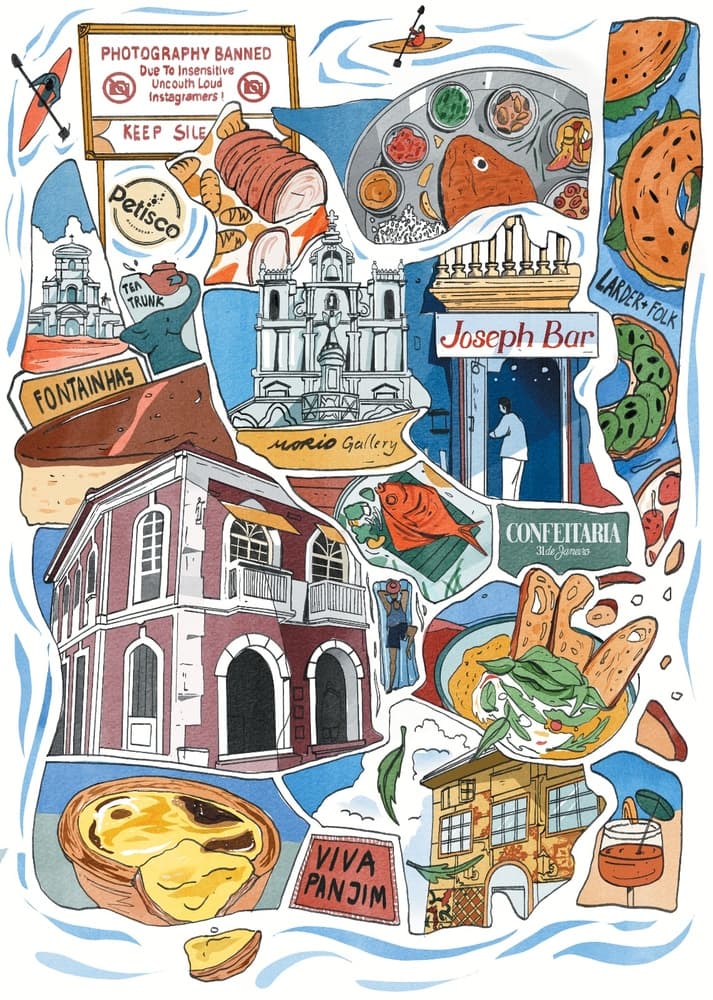
- Those who enjoy exploring a place on foot should definitely go for a walk around the Latin Quarter of Fontainhas
- A UNESCO heritage site, Fontainhas gets its name from a natural spring at the foot of Altinho Hill that bounds the area on one side.
- Some popular cafés and restaurants in Fontainhas include Confeitaria 31 De Janeiro, Larder + Folk, Tea Trunk Experience Centre, Viva Panjim, Praca Pazares and Ourem Bar & Restaurant
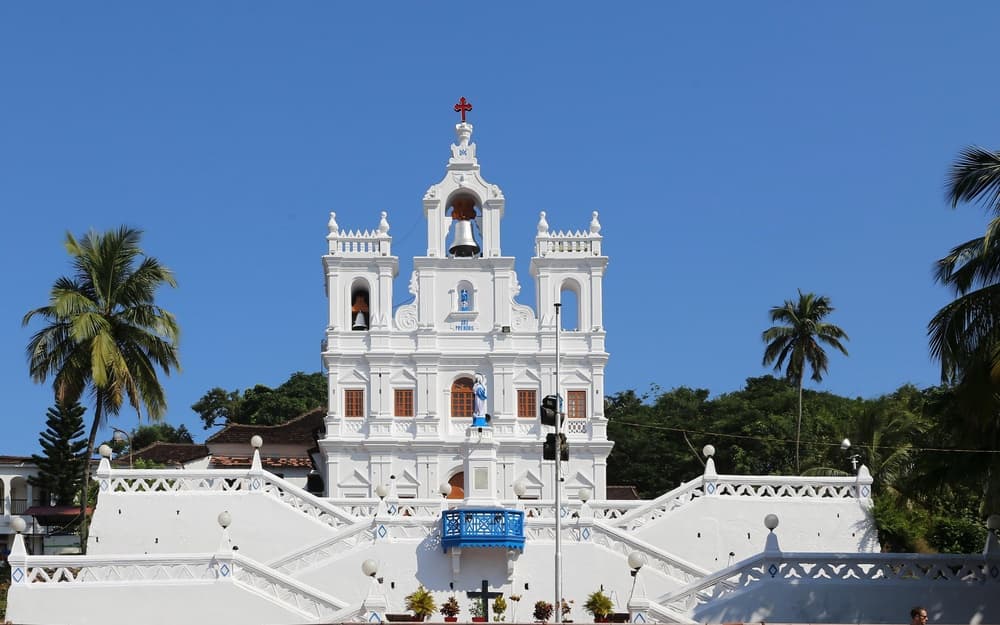
- Our Lady of Immaculate Conception Church is the most famous church in the area
- Another popular church is Chapel of St Sebastian, built in 1818, is home to a historic crucifix that stood witness to the Inquisition in Goa in the 16th century
- When in Fontainhas, shop from The Shop, celebrating handmade and artisanal clothing and home decor and art enthusiasts can head to Gallery Gitanjali and Mario Gallery
- Make sure to stop at Joseph Bar or Petisco as evening sets in
- Padaria Pazares is famous for its Pasteis de Nata, a classic Portuguese dessert
- Head to Copperleaf for a Goan fish thali or Mum’s Kitchen for a variety of Goan food options
It is easy to view Goa as nothing more and nothing less than an idyllic beach vacation, perfect for days spent in the water and evenings on the beach watching the sunset at a shack over a lager and calamari. And as wondrous as that experience is, there is much more for the traveller searching for some greater insight into this complex and storied state.
Goa is changing; some say for the worse, with the number of visitors and the entertainment they seek changing wildly over the decades. But if you know where to go, this is a land of never-ending treasures, and one of these is the sometimes overlooked-by-tourists capital Panaji.
Previously known as Panjim, this is not only one of India’s most beautiful cities with a unique history all its own but has shaped itself into one of India’s finest destinations for those in search of an excellent meal.
With the river Mandovi running through it and the sea never far, there are beautiful sights to take in from so many parts of the city. There are churches and markets to explore, too. But if you are making a day trip to take a break from a gruelling schedule of sea and sand in either the beaches of North or South Goa, we recommend taking a few hours out to walk around the historic Latin Quarter of Fontainhas.
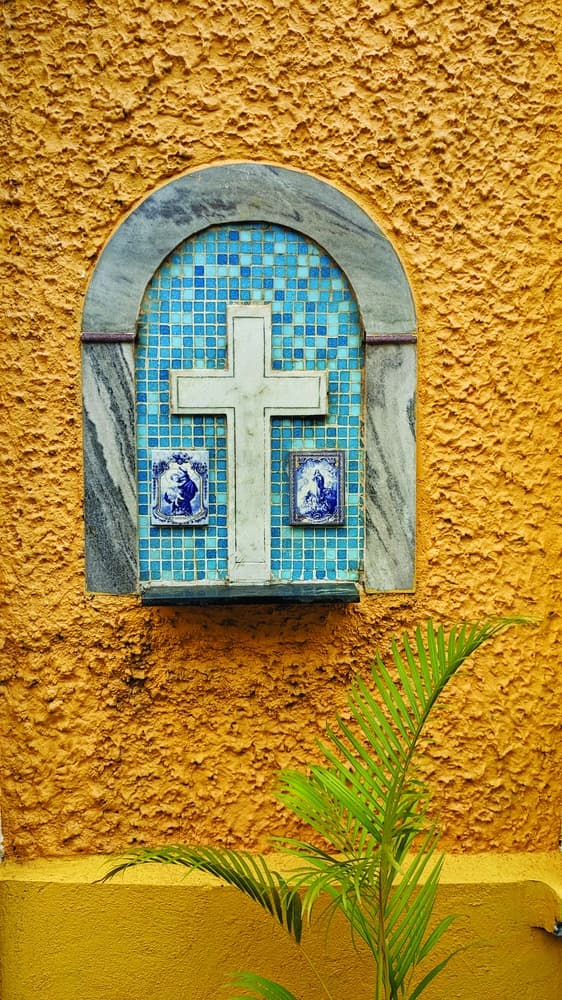
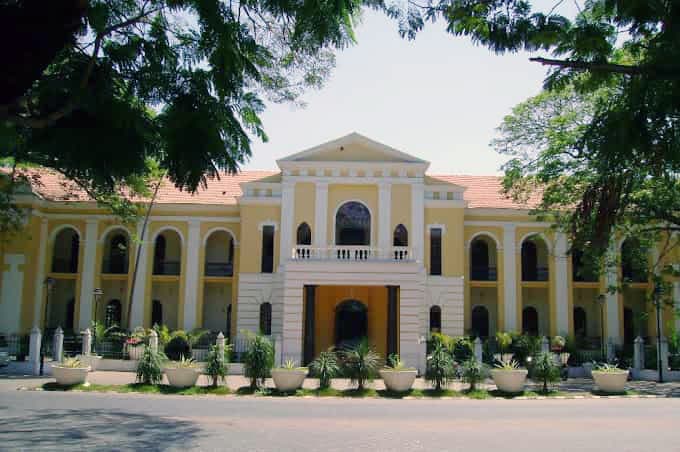
Nowhere else in Goa can you experience this: a time machine to 200 years ago, when this was still a Portuguese colony and the settlers were looking for a place to house government employees.
Every building here is bursting with colour — yellows, blues and greens — thanks to continued adherence to the Portuguese rule of painting every year after monsoon. It is unflaggingly charming, with the only affront to the senses the signs that proclaim: “Photography banned due to insensitive, uncouth, loud Instagrammers.”
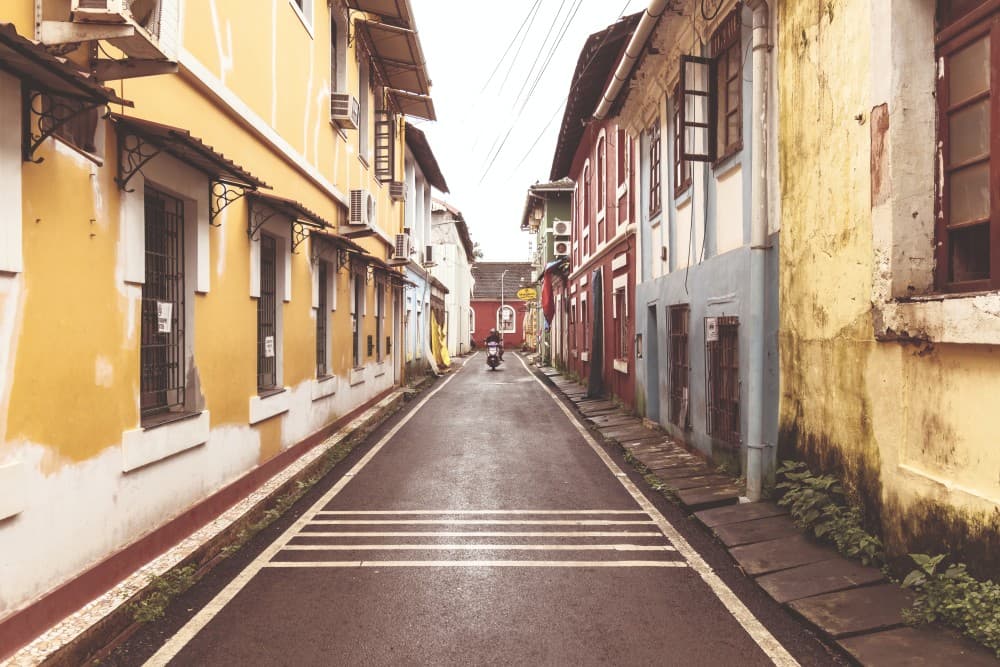
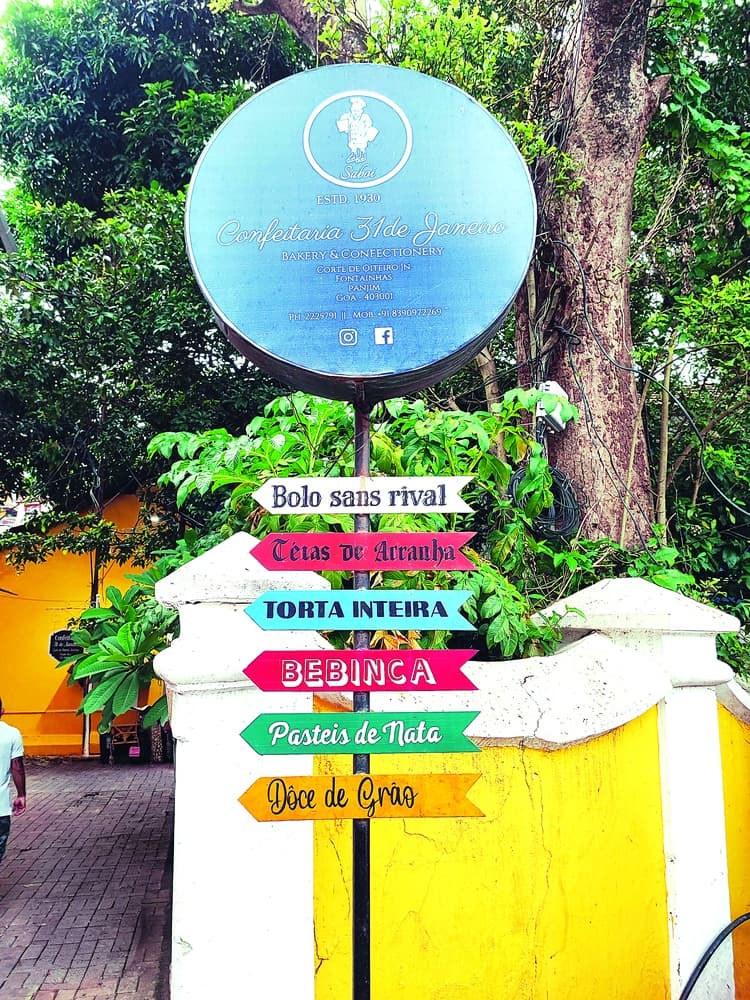
Fontainhas gets its name from a natural spring at the foot of Altinho Hill that bounds the area on one side. The Ourem creek is the natural end of the other. It’s just a handful of city blocks, with plenty of businesses too, which are great spots for pictures without violating the privacy of the residents. One such is bakery Confeitaria 31 De Janeiro, a small establishment that dates back almost a century to 1930. The glass case is filled with breads, cakes, rissoles, tarts and pasteis de nata. Affordably priced, this is the kind of bakery to visit for a feel of old Goa.
Past and present coexist graciously through most of Goa, and just a few steps away from this quaint bakery run by warm Goan ladies from another era, you will find trendy cafes with a decidedly modern sensibility. Such as the chic Larder + Folk, an upmarket cafe that celebrates the historic building it is in, while serving espresso-based coffees, sandwiches and fresh-fried Berliners. If tea is more your style, there is the Tea Trunk Experience Centre not far away, with a curated collection of tea and food.
You can digest your snack as you visit the churches big and small. Our Lady of Immaculate Conception Church is undoubtedly the most famous and most pictured, but depending on when you visit, you may not be allowed to enter. For a more intimate visit, the Chapel of St Sebastian, built in 1818, is home to a historic crucifix that stood witness to the Inquisition in Goa in the 16th century and was moved to this location later.
Past and present coexist graciously through most of Goa, and just a few steps away from a quaint bakery run by warm Goan ladies from another era, you will find trendy cafes with a decidedly modern sensibility
By then, you will surely be ready for your next bite. Viva Panjim has unbeatable location and vibes. On the north side of the quarter, there is Praca Pazares for European fare and craft cocktails, and Ourem Bar & Restaurant for upmarket Goan-Portuguese food and drink. Once you are done with your meal, stop by The Shop, the Goan outpost of a Delhi-based boutique celebrating handmade and artisanal clothing and home decor, which is quite close by.
There is also art to be browsed, such as Gallery Gitanjali whose maroon and white building itself will stop you in your tracks. Inside are works by modern Indian artists. You can also step into the Mario Gallery, which has curios, decorative pieces and other bric-a-brac all bearing the iconic Goan illustrator Mario Miranda’s distinctive artwork.
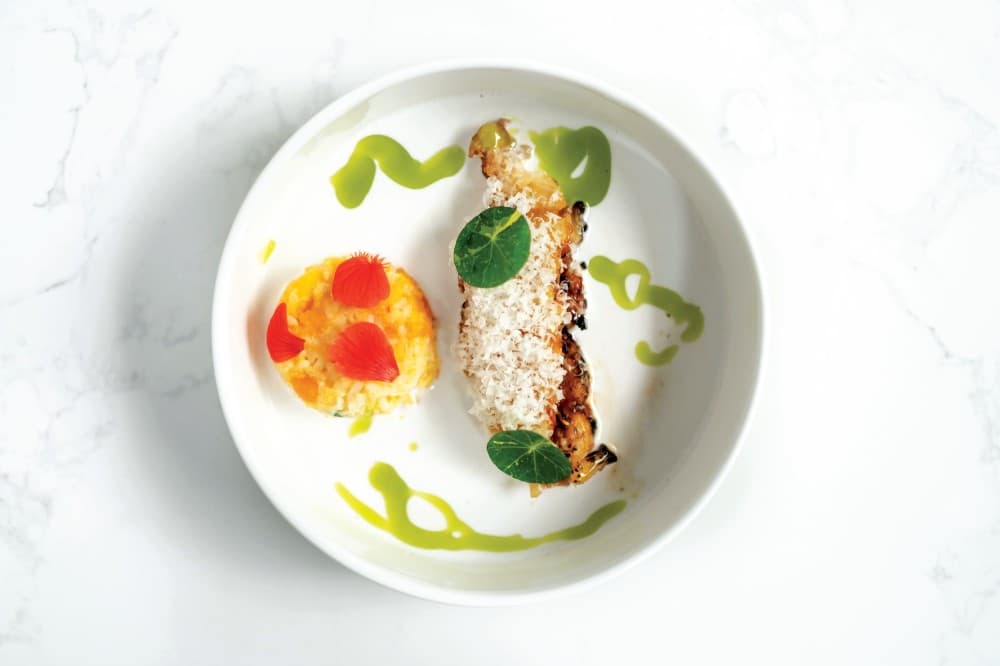
As the sun goes down, if you can get a toe in, Joseph Bar is a cult classic. The problem really is one of plenty. So it is worth a second trip if you can’t manage dinner that same evening for a stop at the inventive Petisco, not far from Our Lady of Immaculate Conception Church, which reimagines Goan flavours in a modern form.
The good news is that the city promises good food no matter where you are. Elsewhere in Panaji, too, there is no shortage of delicious stops to explore. There is Padaria Pazares, which is famous for its Pasteis de Nata. The classic Portuguese dessert has had a modern resurgence in popularity, popping up in cafes across the country. But Goa is its natural habitat. A buttery crispy, flaky tart shell with a delicate custard filling, scented with cinnamon, these are almost too easy to eat. They serve Subko coffee and sandwiches and other bistro-style eats as well.
For a very Goan fish thali, Panaji has several worthy contenders. Copperleaf is one such destination, where you get a plate of rice and other staples, with dal, vegetables and your choice of fish fried and curried. It is excellent, fresh food at low prices that might take you by surprise after seeing the bills at all of Goa’s tourist spots. Worthy of repeat visits. Mum’s Kitchen, a solid choice on Miramar Road, provides a closer look at a variety of Goan foods from across the religious spectrum that are part of Goa’s social fabric.
This is hardly an exhaustive list. There are too many delights in Goa for anyone to sum it up and the joy is in discovery. If you plan to stay in Panaji to make the most of it, Fontainhas has its share of small boutique hotels and homestays. There are a couple of large hotels in the vicinity too, including WelcomeHeritage Panjim Inn and Vivanta Goa Panaji. But it is also an easy drive of an hour or two from many parts of North and South Goa.
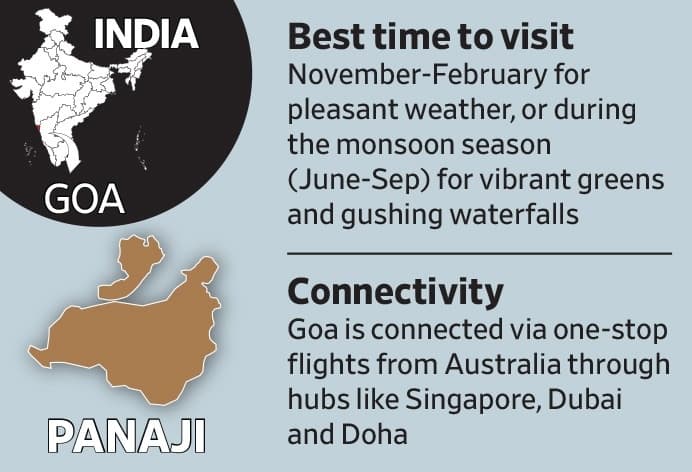
Most tourists fly into one of the state’s two airports, Dabolim and Mopa, and drive straight to their resort and leave only for a local meal or bar visit. But this is your reminder that Goa contains multitudes, and you won’t regret delving beyond the sun and sand.
How to reach Panaji?
How to reach Panaji?
Fly to the Dabolim airport and take a taxi or a bus to Panaji, which is 29km from there.
Best time to visit Panaji
Best time to visit Panaji
November to February for pleasant weather or June to September to experience the monsoon season.
What to do in Panaji?
What to do in Panaji?
When in Panaji, go for a walk around the Latin Quarter of Fontainhas, check out art galleries, go cafe hopping, explore churches and markets and finish the day with a hearty Goan meal.
Things to eat in Panaji
Things to eat in Panaji
When at Padaria Pazares, try the Pasteis de Nata, a classic Portuguese dessert. That apart, have a fish thali from Copperleaf or modern Goan fare at Petisco.
Best places to eat in Panaji
Best places to eat in Panaji
Some of the best places to eat in Panaji are Petisco, Padaria Pazares, Copperleaf, Mum’s Kitchen, Confeitaria 31 De Janeiro, Larder + Folk, Tea Trunk Experience Centre, Viva Panjim, Praca Pazares and Ourem Bar & Restaurant.
Best cafes in Panaji
Best cafes in Panaji
Some popular cafés include Confeitaria 31 De Janeiro, Larder + Folk and Tea Trunk Experience Centre.
Is Panaji the same as Panjim
Is Panaji the same as Panjim
Yes, Panaji is the official name and Panjim is the name from the colonial era.
Churches of Panaji
Churches of Panaji
Our Lady of Immaculate Conception Church is undoubtedly the most famous one, but depending on when you visit, you may not be allowed to enter. For a more intimate visit, the Chapel of St Sebastian, built in 1818, is home to a historic crucifix that stood witness to the Inquisition in Goa in the 16th century and was moved to this location later.
Where to eat in Panaji?
Where to eat in Panaji?
Padaria Pazares is known for its Pasteis de Nata, a classic Portuguese dessert. Those looking for a fish thali can head to Copperleaf. Mum’s Kitchen offers a variety of Goan food.