Key Highlights
- Tamil Nadu has approximately 36,000 temples and now, thanks to improving accommodation options, tourists can venture some of the lesser known ones, beyond Thanjavur, Trichy and Madurai.
- The daily rhythm at these temples involved music and locals singing, perhaps from the Tevaram, an ancient compendium of Tamil devotional hymns to Shiva composed by the poet-saints Appar, Sambandar and Sundarar.
- During her temple tour, the Author stayed at Isles B&B (hidden near a beach just north of Mamallapuram), CGH hotel group’s new Saha Experiences called Isai Karai, LuxUnlock’s Mangala Heritage homestay at Tirupugalur and Anantya-in-the-Village at Alwarthirunagari village in the Tirunelveli area.
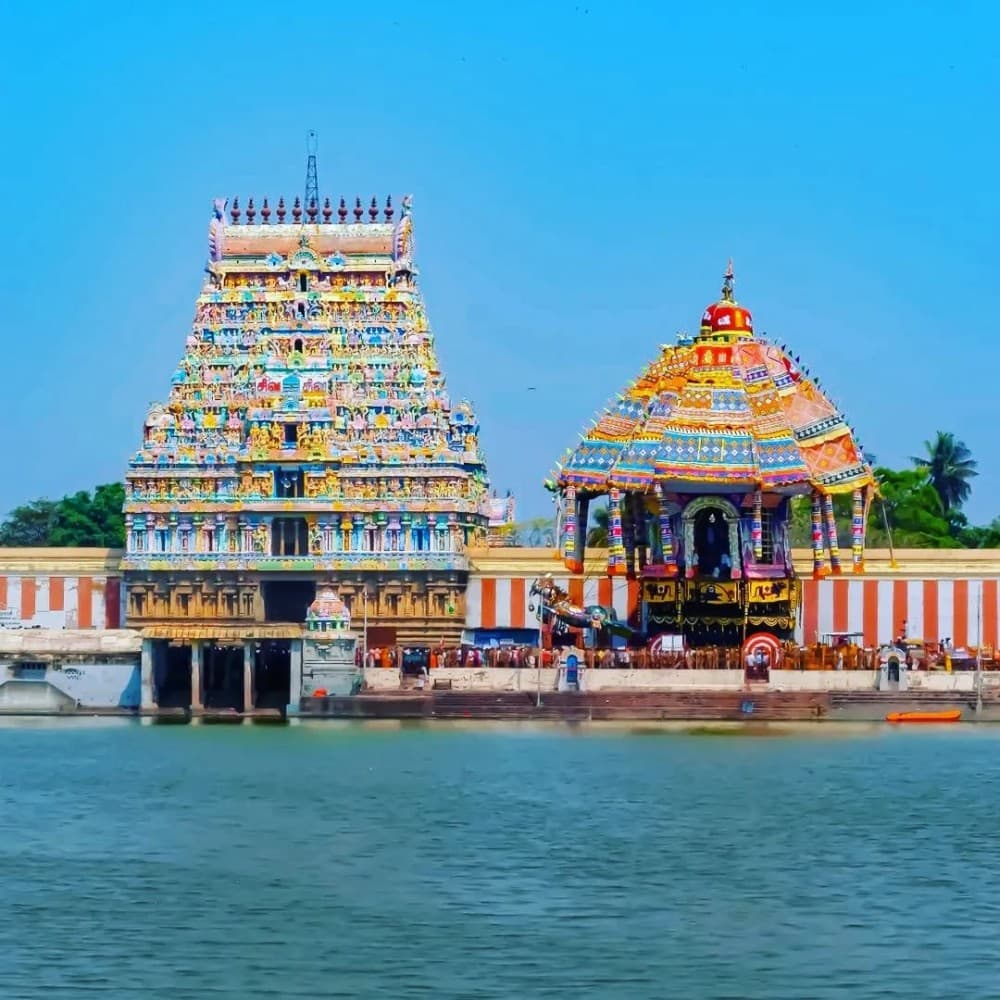
- At the 20-acre Thyagaraja Temple, one of India’s largest, the author roamed among the nine gopurams, 80 vimanas, 12 temple walls, 13 mandapas, 15 temple water bodies, three gardens and three large courtyards, including an excellent museum.
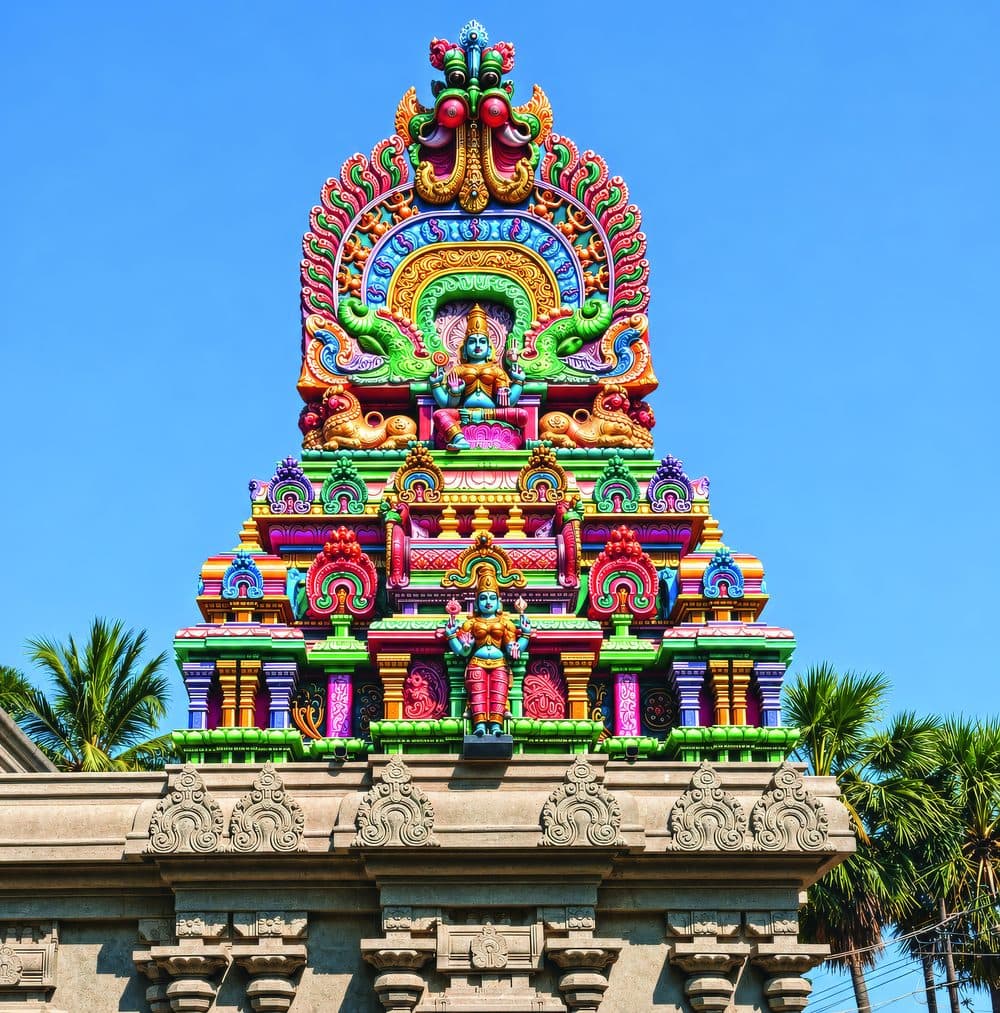
In the past, the joy of exploring a range of Tamil Nadu’s estimated 36,000 or so glorious temples (who ever managed to count them?) full of sublime sculptures, devotional singing and puja rituals witnessed by elephants, has been tempered by the lack of congenial places to stay in. But all this is changing. No longer must visitors stick to the touristy trio of Thanjavur, Trichy and Madurai if they want night-time comfort.
On a recent trip back to delve more deeply into the cornucopia of Dravidian culture, I embarked on this new freedom to roam by day and be pampered by night.
Staying in small, well-run guest houses with refined interiors, hot showers and excellent cooks, I visited temples with wondrous carvings made for Pallava, Chola, Pandya and Nayak patrons, which I would rate every bit as classy as the big three. But there was a singular difference: I was usually the only visitor, Indian or foreign. And so, I could experience intensely what made each particular temple special in atmosphere, architecture, sculpture and ritual.
The daily rhythm often involved music and locals singing, perhaps from the Tevaram, an ancient compendium of Tamil devotional hymns to Shiva composed by the poet-saints Appar, Sambandar and Sundarar. I never felt a drop of temple fatigue. Quite the opposite. Over three weeks, the addiction took hold.
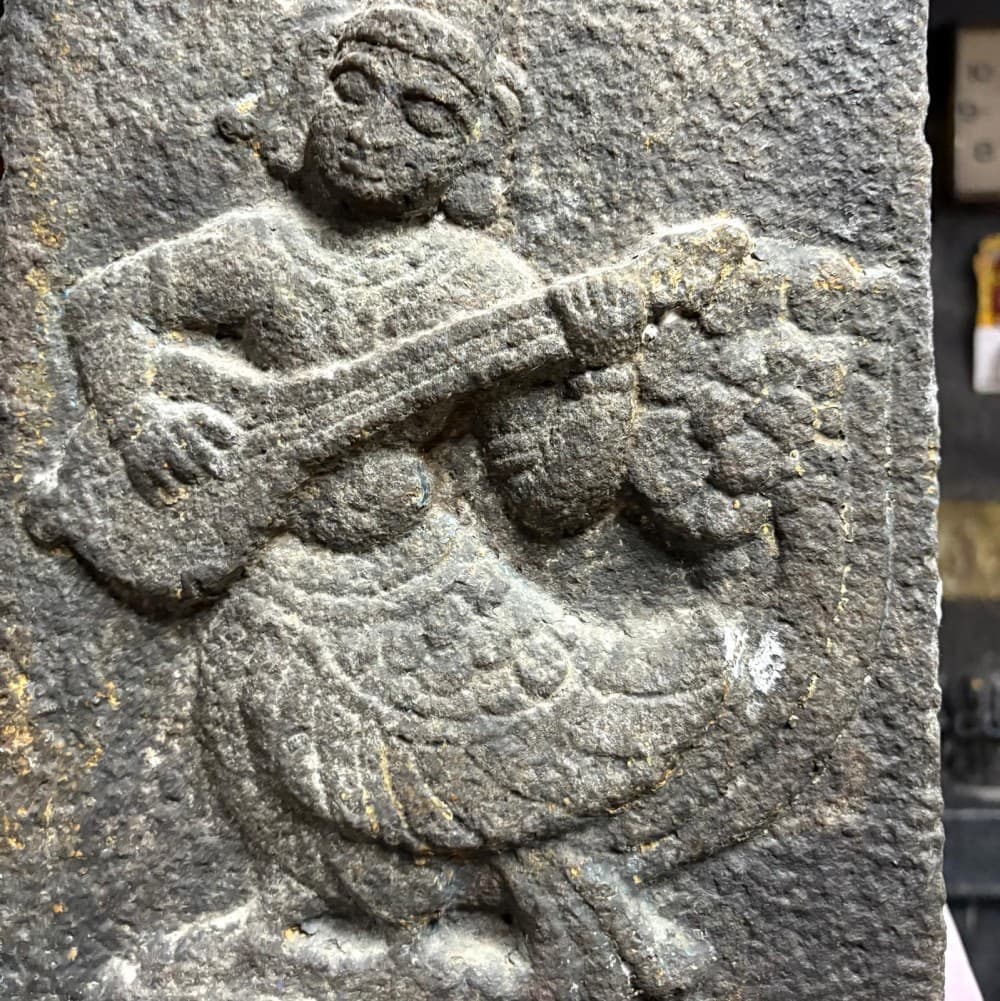
I started from Chennai. To get into temple mood, before I left town, I sought out the lively fish market in Chinthadripet district — smelly, loud, piles of odd-shaped sparkling marine life for sale. Nearby, down a lane, the Adi Narayana Swamy and Adi Pureeswarar temples stand in timeless tranquility: simple low-relief symbols on the modest structure, the courtyard’s nature-worship tree surrounded by Shiva-related sculptures, Ganesh and the 63 saints in a row inside.
Down to George Town and through the dazzling flower market where ladies swathed in Madras check sarees bargain fiercely for bag-fuls of jasmine. Then past V.M. Velu Chettiar the renowned turmeric merchant, I found the twin temples of Chenna Kesava Perumal and Chenna Malleeswarar.
A brick firepit laid out by local devotees and doused with a rainbow of coloured powders almost stole the show from mature pillar sculptures crafted with wit — Narasimha’s tongue reached down to his navel.
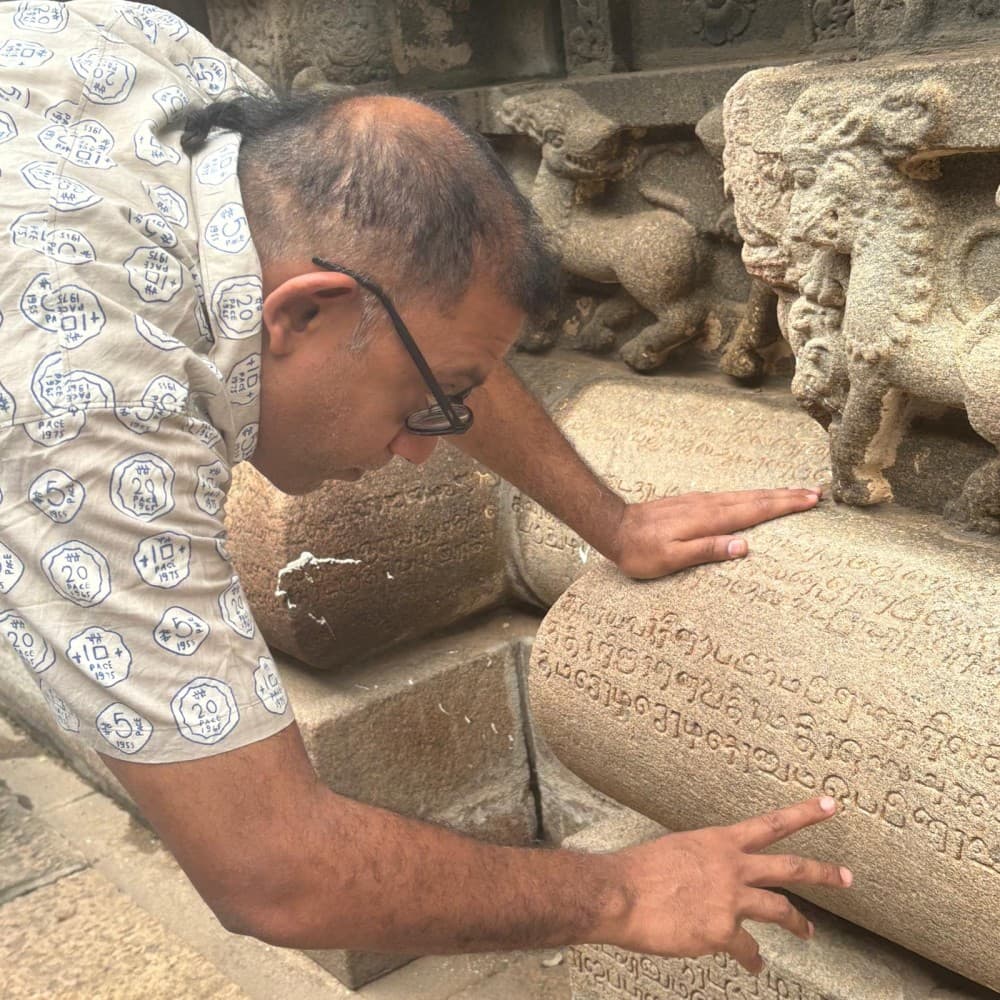
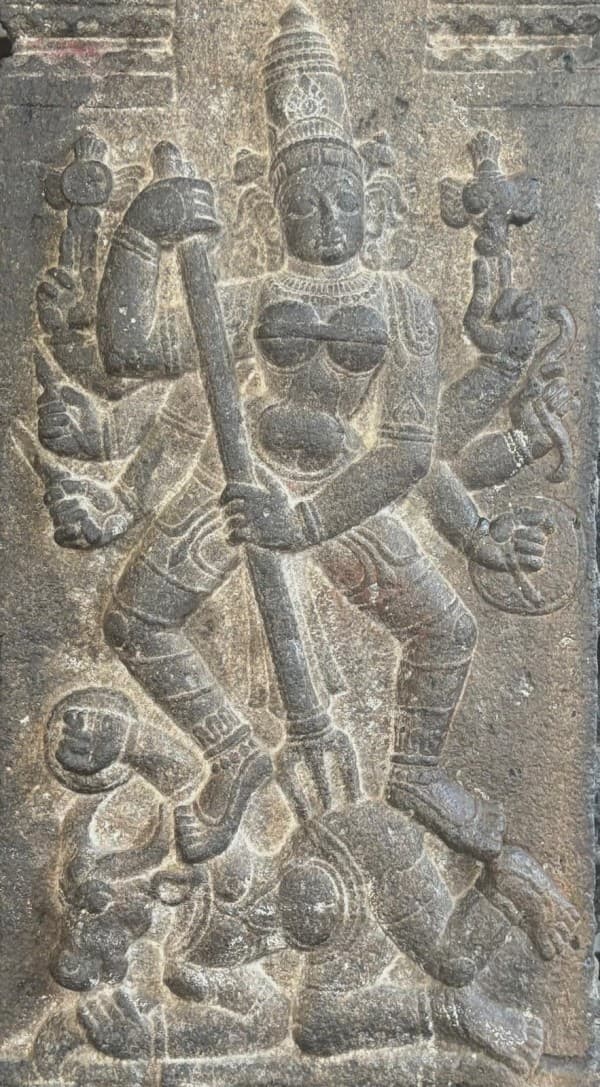
All this was thanks to Pradeep Chakravarthy’s gem of a book, A Road Less Travelled, about lesser-known Tamil Nadu temples. But it was just the start. His next suggestion blew my mind: 10th century Dhenupureeswarar temple at Madambakkam, whose great tank bordered by ancient banyan trees gives it a rural look-and-feel. Only 30 minutes’ drive south-west of Chennai, it felt like a Daniell’s print of the early 1800s come to life. Inside, the low-relief deities prancing on the pillars have so much energy that I found myself dancing, too.
My mind was full of them as I drove through farmland to the coast — now horribly built-up — to stay at the elegant Isles B&B. An oasis of peace hidden near a beach just north of Mamallapuram, it is part of the LuxUnlock’s expanding stable of private villas large and small, to be rented by the room or whole villa. Near there, I visited a recent addition to the trailblazing CGH hotel group’s new Saha Experiences — Saha is Sanskrit for togetherness. It is called Isai Karai and is just about perfect: an exquisite bungalow near the sea, beautiful art indoors, mature garden outdoors, all run by Kavitha Vignesh, who has a gimlet eye for detail.
Was I now on a roll of amazing temples matched by delightful accommodation? Could this continue? It did for three weeks. A handful of peak experiences.
With LuxUnlock’s Mangala Heritage homestay at Tirupugalur as my base, I found time suspended at the smartly restored Sattainathar temple at Sirkazhi. All notable Chola rulers added to it, and it is mentioned in the Tevaram; so it seemed utterly normal that one devotee was singing a medieval saint’s poems in one mandapa, while around the corner his wife’s melodious voice gave sound to others.
At Nagapattinam, the priest, accompanied by musicians on the oboe-like nadaswaram and the thavil drum, made his daily puja progress out from the temple to surrounding shrines. When I followed him back inside, I heard a sweet voice in the distance and found a man singing Thiruppugazh songs which stimulate spiritual awakening, reading the words off his phone.
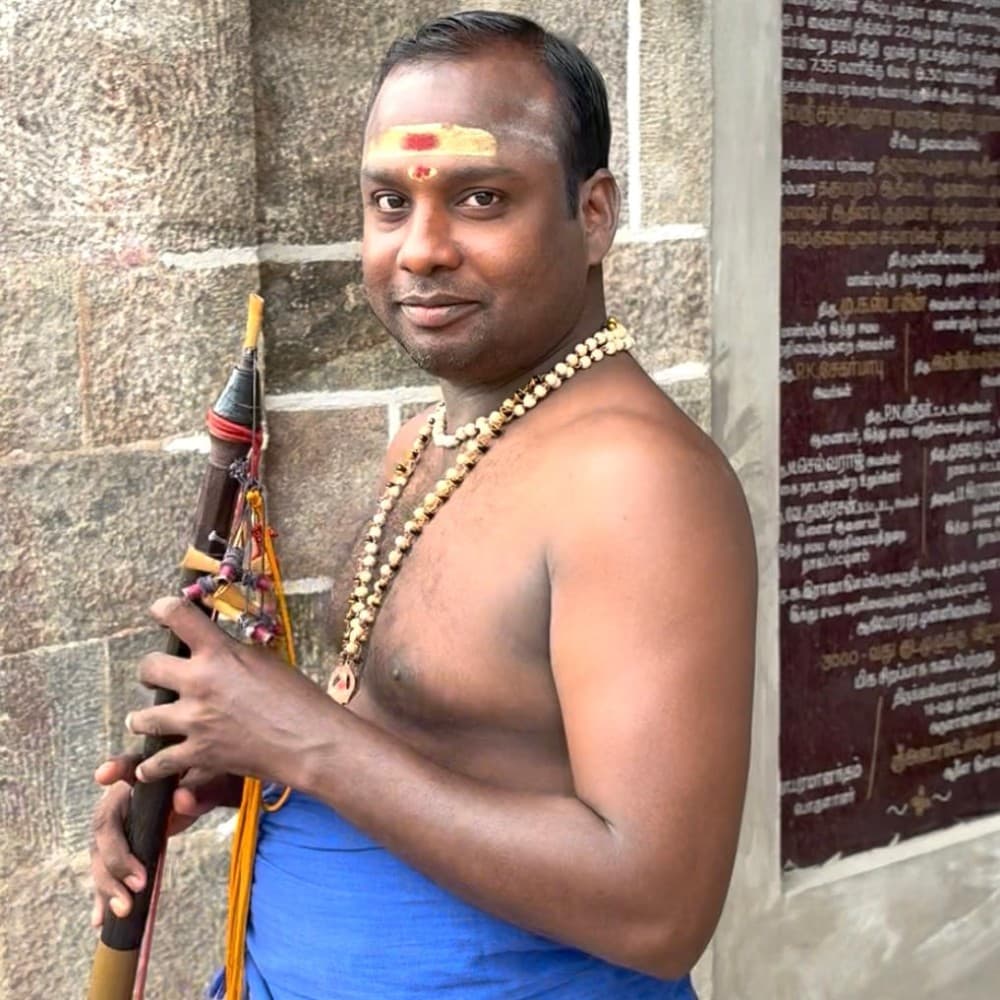
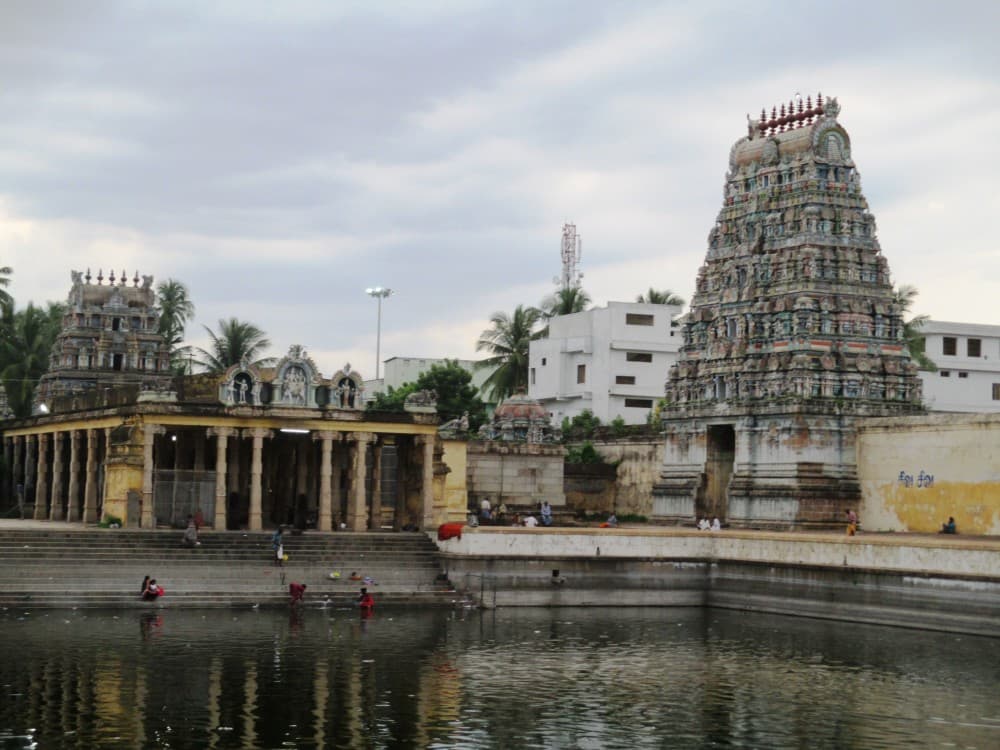
At Tiruvarur, I was not at all prepared for the 20-acre Thyagaraja Temple, one of India’s largest, today maintained at showpiece level. I roamed among the nine gopurams, 80 vimanas, 12 temple walls, 13 mandapas, 15 temple water bodies, three gardens and three large courtyards, including an excellent museum. I watched devotees dress the 63 saints in matching pink dhotis, listened to the daily devotional singing at 6pm prompt and visited the 20 cows who supply temple needs and are housed in palatial quarters.
To end my odyssey, I visited the Tirunelveli area for the first time, a well-kept secret that I intend to break. Staying in Alwarthirunagari village at Anantya-in-the-Village, a house built in the traditional local style, I joined a group for a four-day temple immersion led by Anantya’s owner, Pradeep Chakravarthy, who wrote the book that inspired me to do my trip.
Before going out each morning, we would nip round to the village’s own notable temple to attend sunrise puja, joined by the temple cow and elephant. I must have seen at least a 100 temples and not one dud — including one I clambered up through monsoon-verdant foliage to take a closer look at, along with the local goats. I also found hero stones now adopted for Shiva worship, and isolated water tanks with suggestive party-time carving.
Fortunately, there are plenty more temples to enjoy on my next Tamil Nadu trail. And a growing number of good homestays.
What are the popular temple towns in Tamil Nadu?
What are the popular temple towns in Tamil Nadu?
The popular temple towns are Thanjavur, Trichy and Madurai.
Where is Isles B&B located?
Where is Isles B&B located?
Isles B&B is located near a beach just north of Mamallapuram and is part of the LuxUnlock’s expanding stable of private villas large and small, to be rented by the room or whole villa.
What is Saha Experiences?
What is Saha Experiences?
CGH hotel group’s new Saha Experiences is called Isai Karai and is just about perfect: an exquisite bungalow near the sea, beautiful art indoors, mature garden outdoors, all run by Kavitha Vignesh.
Where is the Thyagraja Temple?
Where is the Thyagraja Temple?
The 20-acre Thyagraja Temple is at Tiruvarur.
Where can I stay near Tirunelveli?
Where can I stay near Tirunelveli?
At the Alwarthirunagari village in Tirunelveli, one can stay at Anantya-in-the-Village, a house built in the traditional local style.