Key Highlights
- Lotus silk, or kouni phee, is one of the world’s rarest textiles, crafted from fibres extracted from lotus stems
- In Manipur, artisan Bijiyashanti Tongbram pioneered lotus silk production using stems harvested from Loktak Lake, transforming agricultural waste into luxury fabric
- The craft supports rural livelihoods through Sanajing Sana Thambal, a women-led initiative
- Producing a single lotus silk scarf can require up to 9,200 lotus stems and nearly two months of meticulous handwork
- The fabric’s understated texture and natural appearance are prized as marks of authenticity rather than imperfections
- Lotus silk is an eco-friendly, naturally dyed textile that aligns with the growing global demand for sustainable and ethical fashion

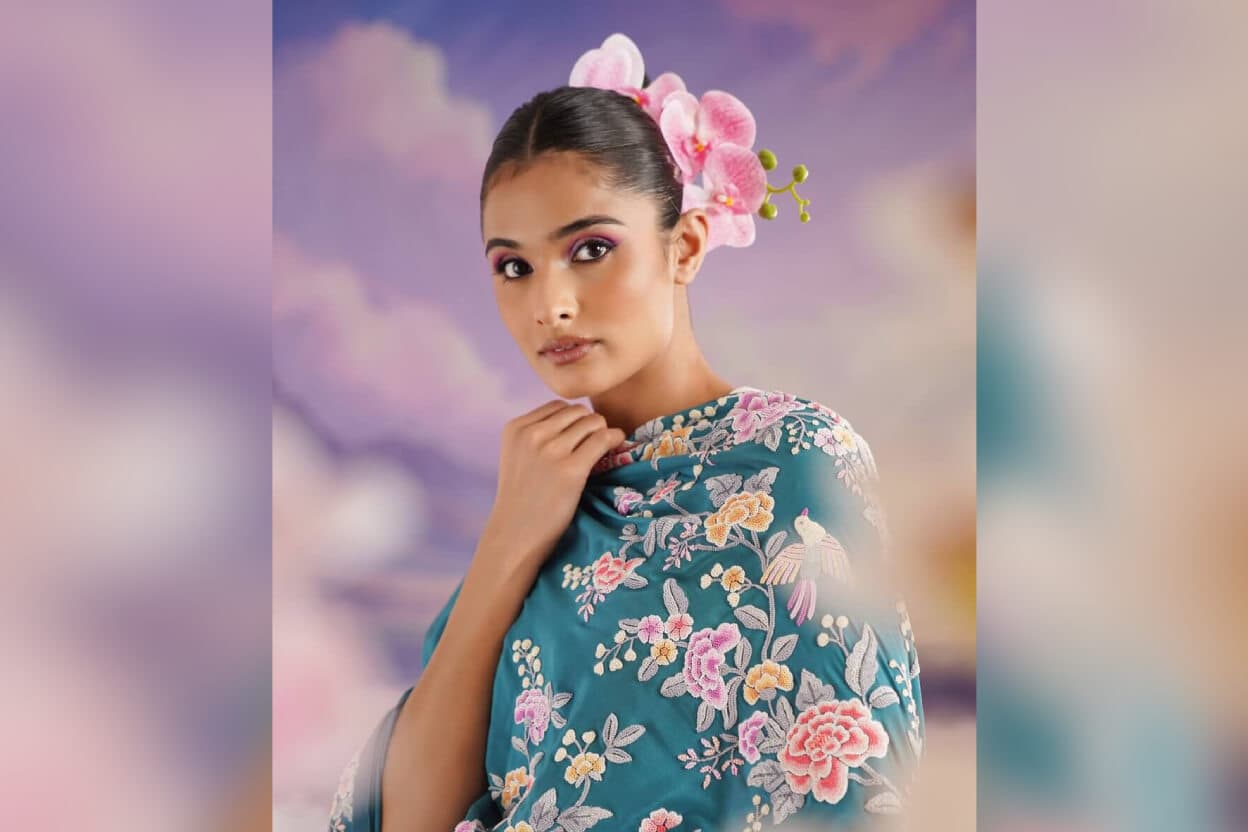
Lotus silk is a textile shaped by both nature and human patience. Drawn from the stems of flowers harvested in Manipur’s Loktak Lake, its quiet beauty evokes a fairy-tale land that feels half-real, half-remembered.
Lotus silk is believed to have originated around Inle Lake in Myanmar, where an Intha woman named Sa Oo is said to have woven the first lotus-fibre Buddhist robe in the 1900s. In 2017, Vietnamese artisan Phan Thi Thuan revived the craft near Hanoi. Due to the labour-intensive nature of weaving it, lotus silk is considered one of the most expensive fabrics in the world.
A lakeside story
In India, Bijiyashanti Tongbram began developing lotus silk in 2019 from stems gathered in Loktak Lake and weaving it into different accessories like stoles, scarves and hair ties, coloured with natural dyes — creating one of the country’s most remarkable sustainable textiles.
Tongbram grew up in Thanga village in Bishnupur district, close to the lake. Fascinated by lotus flowers, she realised that while the flower is used, the stems usually go to waste, and thought of spinning them into yarn.
She put in years of painstaking research on how to make the yarn and started the Sanajing Sana Thambal in 2019, working with 10 women. The organisation has won awards for its innovation and contribution to rural livelihoods.
A labour of love
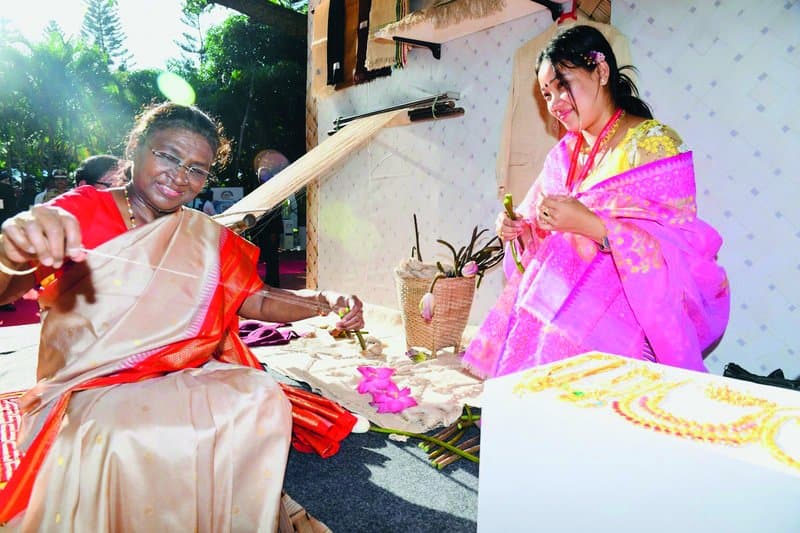
Weaving lotus silk — known as kouni phee — is time consuming; one scarf can require up to 9,200 stems and around two months to produce.
The women break the stems to hand-pull, twist and spin the fibres into yarn. The yarn is handwoven on traditional looms. Given the short length and fragility of the fibres, the process is slow and requires exceptional skill.
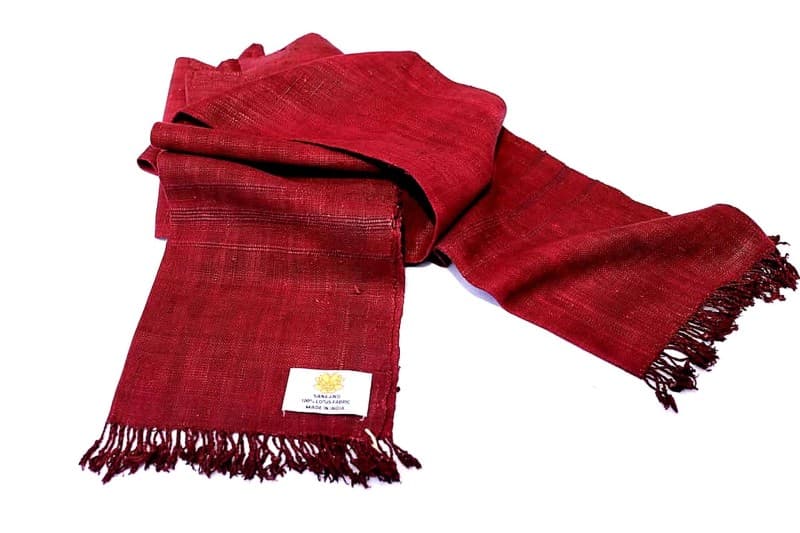
The weave is slightly textured, highlighting irregularities of the fibre rather than masking them. This gives the silk an understated, almost raw elegance. Lotus silk is rarely heavily embellished, for its value lies in its purity.
The eco-friendly fabric is prized more for its rarity and craftsmanship than ornamentation, and is a reminder of a land that, to most of the world, presents a hint of mystery and wonder.
Raw and real
Lotus silk products are sold through the Sanajing Sana Thambal’s Instagram page and Amazon. You can also purchase accessories like pretty hair ties, wicks and coasters.
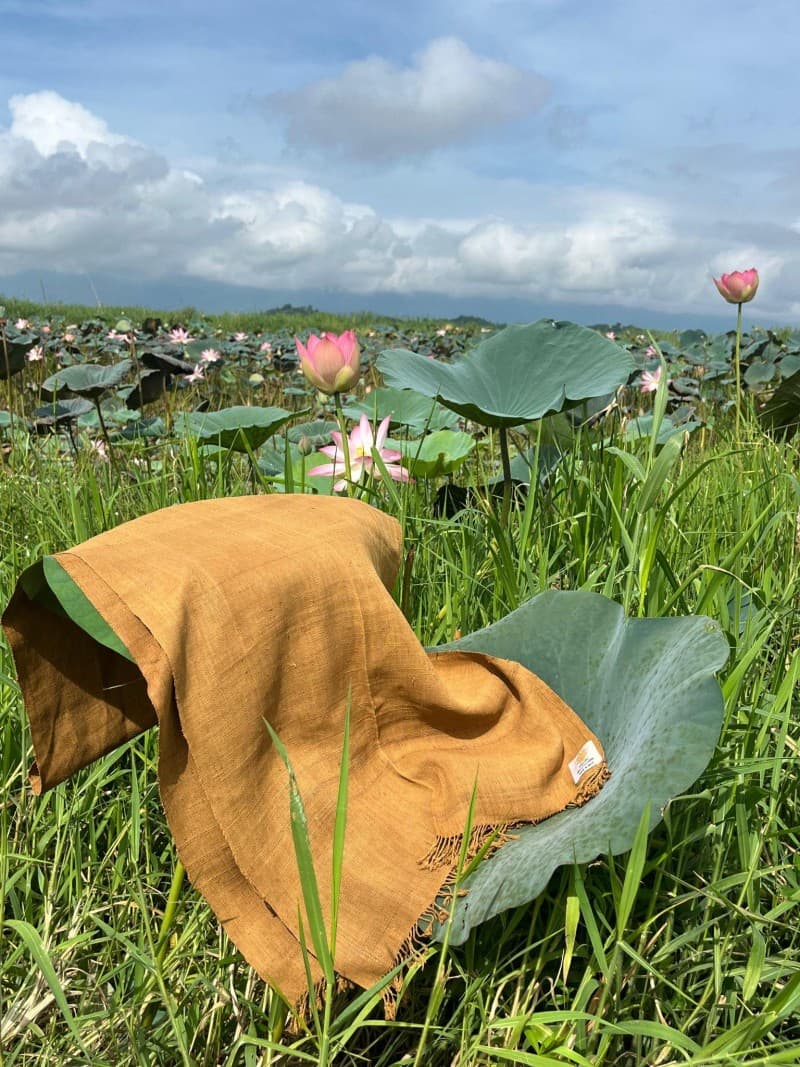
And Loktak Lake, by itself, merits more than one unhurried visit. With its backdrop of misty mountains and abundant floating islands, called phumdis, it presents a surreal landscape.
Lotus silk is just one of its many wonders. For this isn’t just a souvenir; it’s a piece of India’s sustainable future, woven from one of its most sacred waters.
What is lotus silk?
What is lotus silk?
Lotus silk is a rare natural textile made from fibres extracted from the stems of lotus plants. It is known for its softness, breathability and sustainable production process.
What is kouni phee?
What is kouni phee?
Kouni phee is the traditional name used in Manipur for fabric woven from lotus fibres.
Where is lotus silk produced in India?
Where is lotus silk produced in India?
Lotus silk is produced in Manipur, primarily using lotus stems harvested from the waters of Loktak Lake.
Why is lotus silk so expensive?
Why is lotus silk so expensive?
The fibre extraction process is entirely manual and extremely time-consuming. Thousands of lotus stems are needed to produce even a single scarf.
Who pioneered lotus silk weaving in Manipur?
Who pioneered lotus silk weaving in Manipur?
Bijiyashanti Tongbram began developing lotus silk products in Manipur in 2019 through her organisation, Sanajing Sana Thambal.
Is lotus silk environmentally friendly?
Is lotus silk environmentally friendly?
Yes. Lotus silk uses plant stems that are often discarded, requires minimal processing and is frequently paired with natural dyes, making it an eco-friendly textile.
What products are made from lotus silk?
What products are made from lotus silk?
Artisans create sarees, shawls, scarves, stoles, hair accessories, meditation wicks and decorative items using lotus fibre.
What makes Loktak Lake special?
What makes Loktak Lake special?
Loktak Lake is famous for its floating islands, known as phumdis.
How long does it take to make a lotus silk scarf?
How long does it take to make a lotus silk scarf?
A single scarf can take around two months to complete, depending on the availability of fibres and the complexity of weaving.
Where can lotus silk products be purchased?
Where can lotus silk products be purchased?
Products are available through Sanajing Sana Thambal’s Instagram page and online marketplaces such as Amazon.