


 ion
ion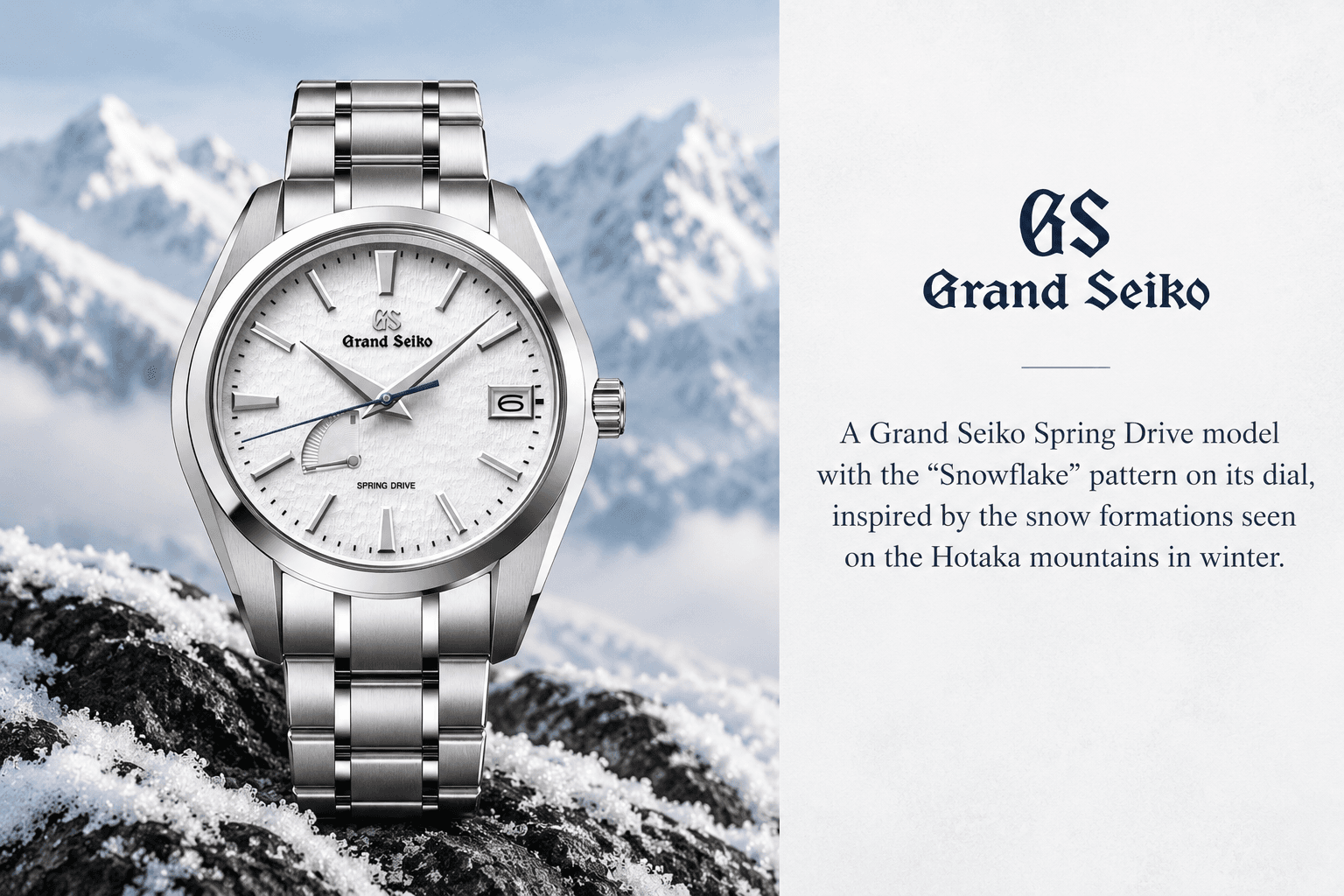
Geneva’s Flower Clock is one of the quintessential tourist photo stops. A botanical delight made up of 6,500 flowers and plants that usually change according to the season, its highlight is a 2.5-metre-long seconds hand, which is the world’s longest. Most casual visitors don’t realise the time is actually transmitted via satellite. It’s why this clock that dates back to 1955 has never missed a beat.
Switzerland’s dense grid of trains, buses and ships crisscrosses the country with incredible accuracy. You probably get the drift. Punctuality and precision are among the key values that define Switzerland. Did the country’s watchmaking traditions contribute to these values or did these intrinsic Swiss values provide the catalyst for the world’s finest watchmaking culture?
The question becomes more interesting when you look east, towards a country that absorbed some of Switzerland’s watchmaking knowledge and then developed a technological language entirely its own.
Precision, the Japanese way
The first Swiss watches appeared in Japan after the Friendship and Trade Treaty was signed between Swiss and Japanese governments in 1864. Japanese businessman Kintaro Hattori was mesmerised by the mechanics of timekeeping and initiated trade partnerships with Swiss watch brands before establishing Seikosha (that translates to ‘House of Success’) in 1892. It laid the foundation for one of the world’s most successful watch brands — Seiko — and eventually paved the way for the Laurel, the first wrist watch to be produced in Japan in 1913.
If the Swiss approach was largely artisanal, the Japanese relied on engineering with design, becoming a natural extension of expert precision. The Japanese cultural value of harmony comes to the fore in watchmaking, allowing watchmakers to balance engineering excellence with design.
In 1969, Seiko introduced the Astron, the world’s first quartz wristwatch, with an accent on accuracy. ‘Quartz precise’ became a buzzword and precipitated a crisis for the Swiss watch industry.
More innovations followed but perhaps none captures the Japanese approach better than Grand Seiko’s Spring Drive, the most accurate in watchmaking craftsmanship. It took 28 years and over 600 prototypes. The brainchild of Toshikazu Akahane, a Seiko engineer, it bridges traditional mechanical watchmaking with electronic quartz precision. Akahane’s vision was a watch wound by a mainspring with one-second-a-day accuracy, a precision that only the finest electronic watches could deliver.
Grand Seiko also demonstrates how far Japanese watchmaking has travelled beyond technology alone. A Spring Drive model with the delicate “Snowflake” pattern seeks inspiration from the delicate snow formations seen on the wind-swept surfaces of the Hotaka mountains in winter. The watch represents the harmony between technology and the Japanese aesthetic that Grand Seiko holds dear, expressed through masterful craftsmanship.
Switzerland, where time becomes a craft
The origins of Switzerland’s modern watchmaking culture can be traced to Europe’s Reformation movement. John Calvin, one of the religious movement’s key reformers, banned wearing jewellery and ostentatious displays of wealth in 1541. There was a loophole though: watches and portable clocks were seen as utilitarian tools and escaped the ban.
Geneva’s highly skilled enamellists and jewellers teamed up with clock makers and eventually formed the Watchmakers’ Guild of Geneva in 1601. The industry spread to nearby towns and cantons along the Jura Arc.
I recently revisited one of my favourite Swiss towns — Le Chaux-de-Fonds, that won UNESCO world heritage site status along with the town of Le Locle. These mono-industrial towns demonstrate a fascinating symbiosis between the watch industry and urban planning. After a massive fire destroyed most of Le Chaux-de-Fonds in 1794, the town was rebuilt with a grid-street plan that emphasised natural light — essential for watch technicians.
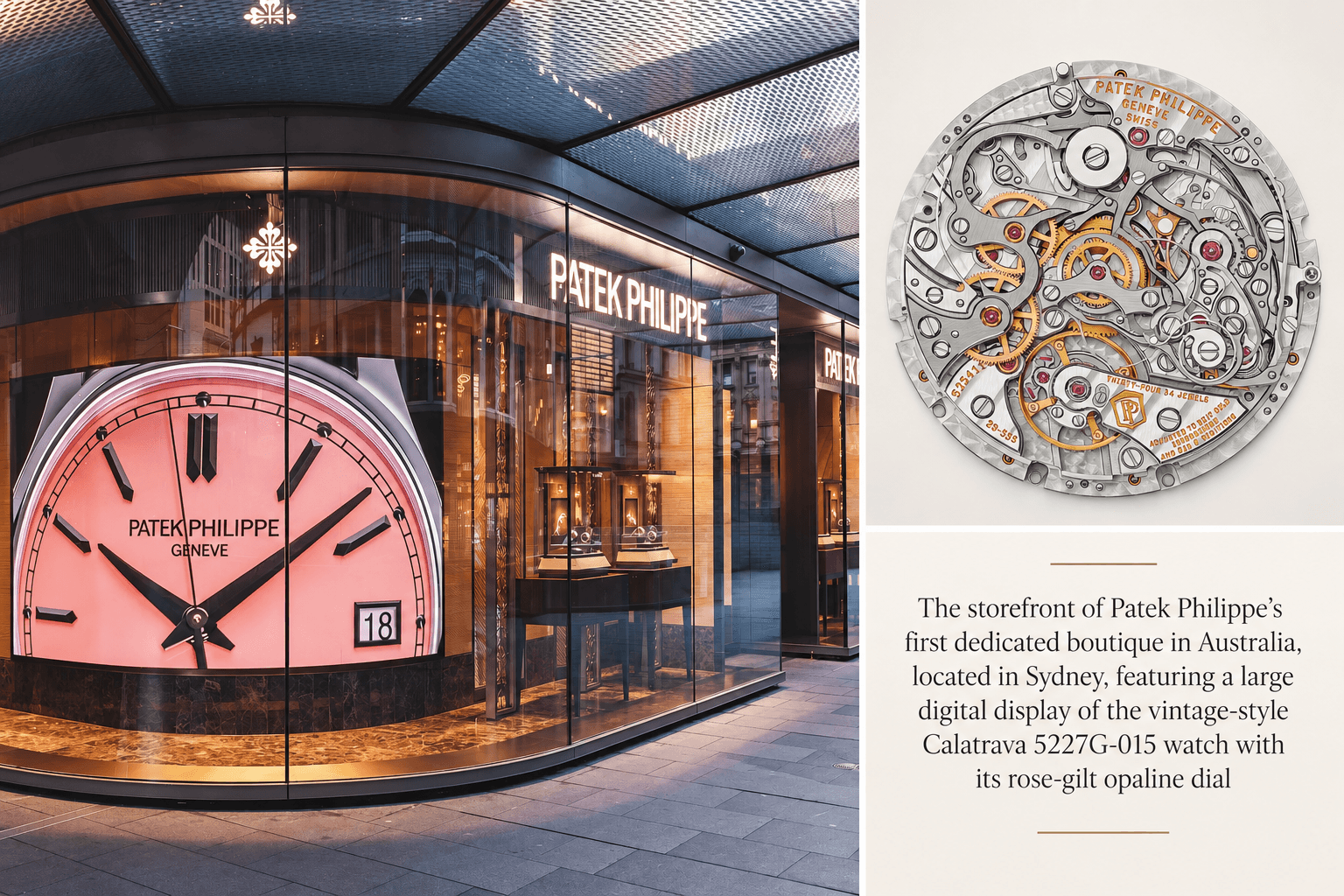
That evolution ultimately led Switzerland to dominate high-end mechanical watchmaking. Patek Philippe, founded in Geneva in 1839, represents one of its highest expressions today. The brand celebrated the 50th anniversary of one its most defining models in 2026 — Nautilus, with three limited-edition wristwatches and one desk clock. The collection strips away the date window and the central seconds hand to highlight flawless proportions, and each piece features a commemorative “50 1976–2026” inscription engraved on its ultra-thin Caliber 240 mini-rotor.
The Quartz crisis of the 1960s and 70s nearly brought the Swiss watch industry to its knees. Swatch eventually helped put the mojo back into Swiss watches and created a new halo around “Swiss made”. But at the very top of the market, brands such as Patek Philippe, Audemars Piguet and Breguet continue to sell something that technology alone cannot replicate — history, rarity, craftsmanship and mechanical theatre.
In France, where the watch became jewellery
The French side of Jura might have been overshadowed by its neighbour but France emerged as another hub for mechanical craftsmanship by the mid-19th century. Besançon became one of the country’s horological centres of excellence and by 1867, the city established its own Observatory, issuing chronometer certificates.
But the French contribution to watchmaking is perhaps most interesting where horology meets jewellery. The French idea of art de vivre (art of living) is exemplified by the high-fashion approach to watches. Louis Vuitton created the Tambour luxury line while Cartier’s iconic geometric shapes like the Tank and Santos have helped carve a niche for French watches.
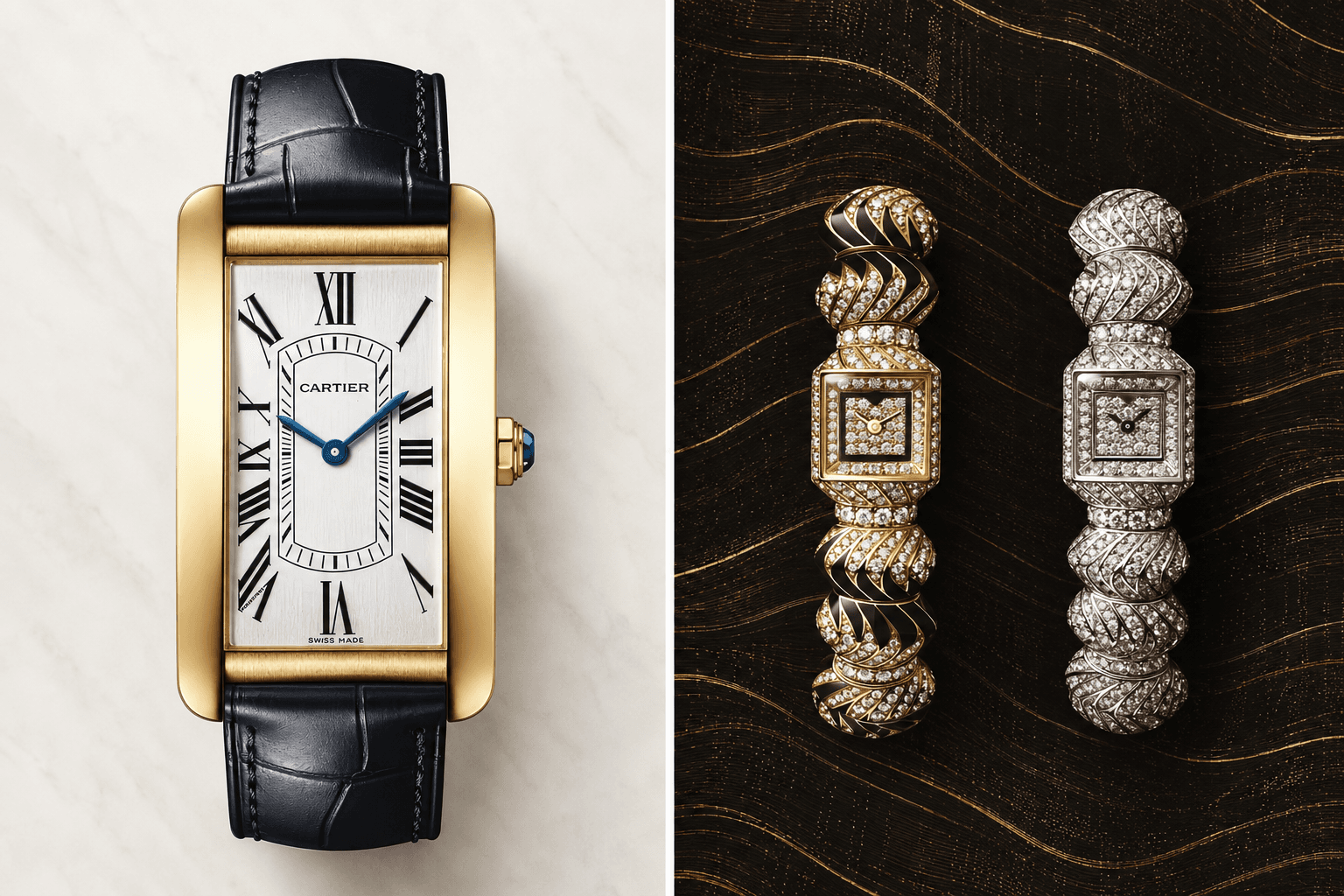
Cartier and Chopard occupy an interesting position as jeweller-watchmakers. Their relationship with watches did not begin with the movement inside the case, but with precious materials. A watch could be both a timepiece and an ornament. Part investment and part object of desire.
INDIA FINDS ITS TIME
India’s post-Independence watch story began with national pride and self-reliance. HMT became the pre-eminent Indian brand for decades, with Allwyn adding another chapter to India’s mechanical-watch history. These were reliable, attainable products of an industrialising country that wanted to manufacture what it consumed.
That history gives vintage HMT watches a special appeal today. Their history, mechanical simplicity and scarcity can make them more desirable than an expensive contemporary watch. Then came India’s own quartz revolution and a new ‘titan’. Titan became synonymous with India’s post-liberalisation success story, helping turn the watch from utilitarian to a form of personal expression.
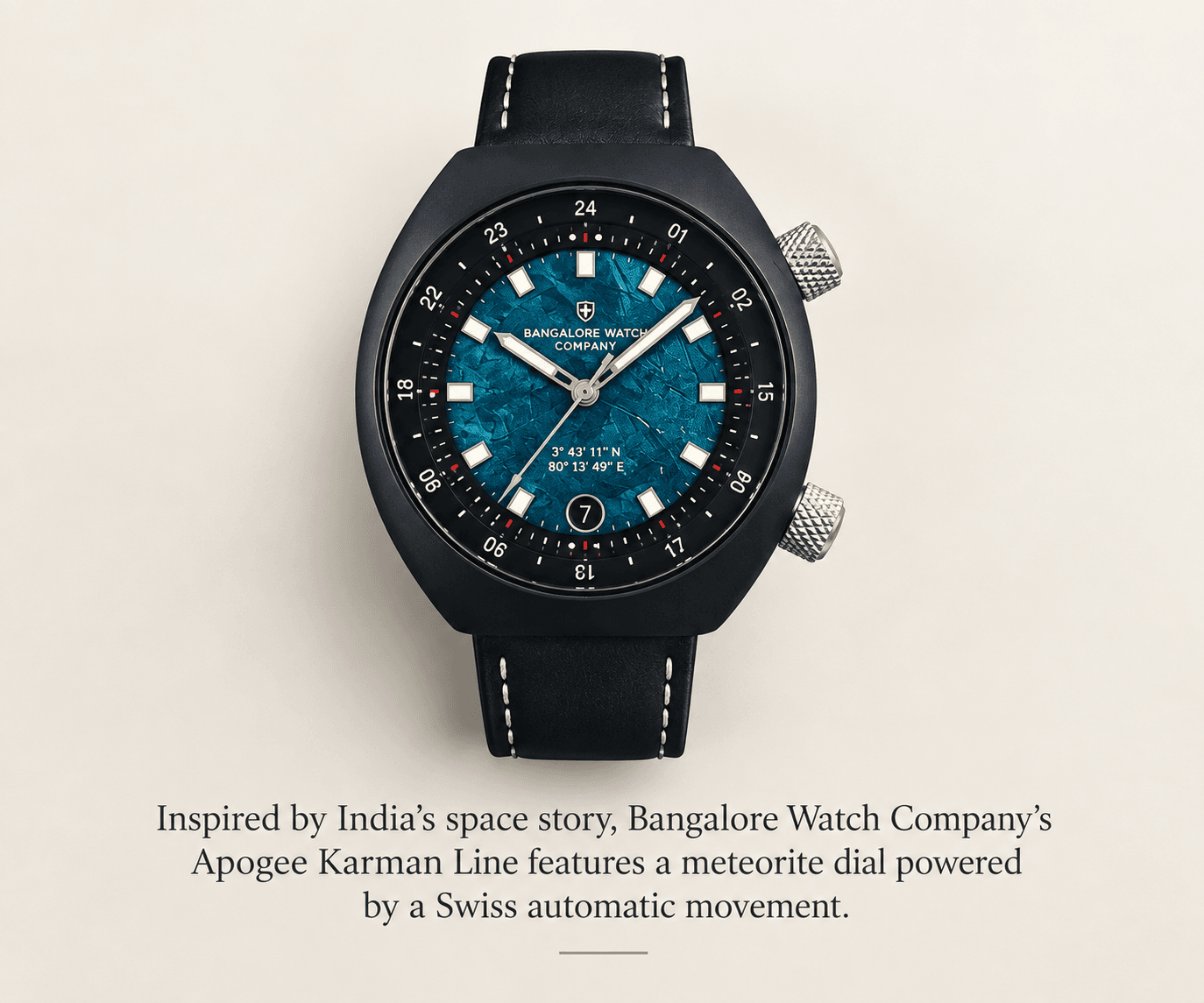
Today, design-led brands are approaching luxury from another direction. Bangalore Watch Company leans on modern Indian storytelling, with some of its popular collections celebrating 21st-century national achievements in aviation, cricket and space exploration.
HMT represented industrial confidence. Titan reflected a newly aspirational India. Today’s independents are turning Indian stories, design and identity into something collectors want on the wrist