Key Highlights
- A BBC report theorises that people go out to vote less when the weather is bad. Example, the stormy weather the day of the Brexit vote, which they feel influenced the Brexit outcome
- The former ruling party in West Bengal gave prospective voters who attended their rallies a little card that came with a Snakes and Ladders board game
- The heads of the snakes were photos of the Opposition leaders and once you got to that box, you slid all the way down.
- Tamil movie stars are almost God-like, and when one of them chooses to run in an election, there is going to be some form of chaos
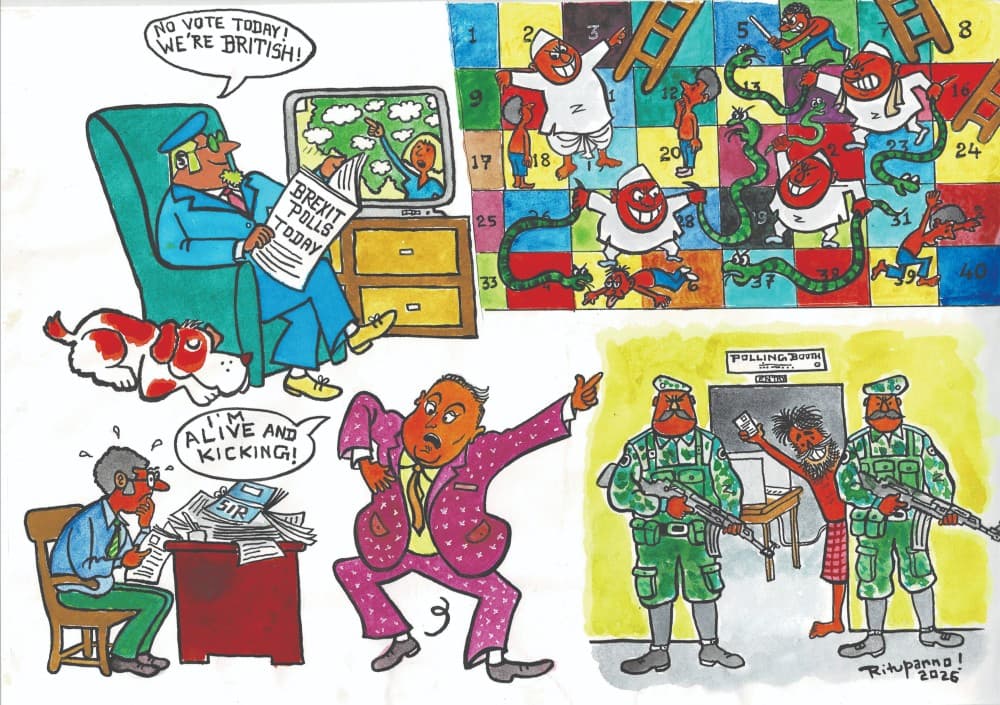
Recently, the BBC did a story about an odd phenomenon — the connection between climate change and elections. People go out to vote less when the weather is bad, was their argument, pointing to terrible stormy weather the day of the Brexit vote, which they feel influenced the Brexit outcome. In typical British fashion, it appears rain decided the fate and future of the nation, almost living up to comic stereotype.
In India, a number of states held polls in April, and very different factors affect these elections, some so mad it would make the climate change case seem plausible. I live in Mumbai but am a registered voter in Kolkata, which is in West Bengal, one of the states that had state Assembly elections. I was quite looking forward to going and voting when I found out my name wasn’t on the electoral rolls anymore and that I’d have to attend a hearing before a Kolkata magistrate in the middle of the work week, with no notice, flying there at my own expense, to essentially plead that I am indeed still me.
Much has been written about the political machinations of why this happened but to the average person busy with life and just wanting to vote, having to stand before a magistrate to prove they haven’t died or aren’t lying about who they are, every time an election is held, is a hassle that makes them likely to forego voting entirely.
The erstwhile party in power in West Bengal gave prospective voters who attended their rallies a little card that came with a Snakes and Ladders board game. I’m not making this up. The cheeky thing here was, the heads of the snakes were photos of the Opposition leaders and once you got to that box, you slid all the way down. The ladders were photos of the former ruling party leader. The goal, I imagine, was a metaphorical reptilian association with their adversaries. The irony was, the average voter, before they even acknowledged the built-in joke, had slid to the bottom by not being able to vote.
And yet, they don’t need to suggest you would be voting for a snake, when just voting itself can be a Snakes and Ladders game. Who needs a storm when every day is stormy?
In the world’s largest democracy, election supervisors need armed protection, and voting is a three-act Bollywood movie.
In Tamil Nadu, another state that cast its vote, the chaos is of a different nature. Tamil movie stars are almost God-like, and when one of them chooses to run in an election, there is an inevitable stampede, either at their rallies or the voting booth, leading to a number of deaths.
The middle classes, sensibly, conclude they’d just rather watch the star’s movies rather than die trying to vote them into power.
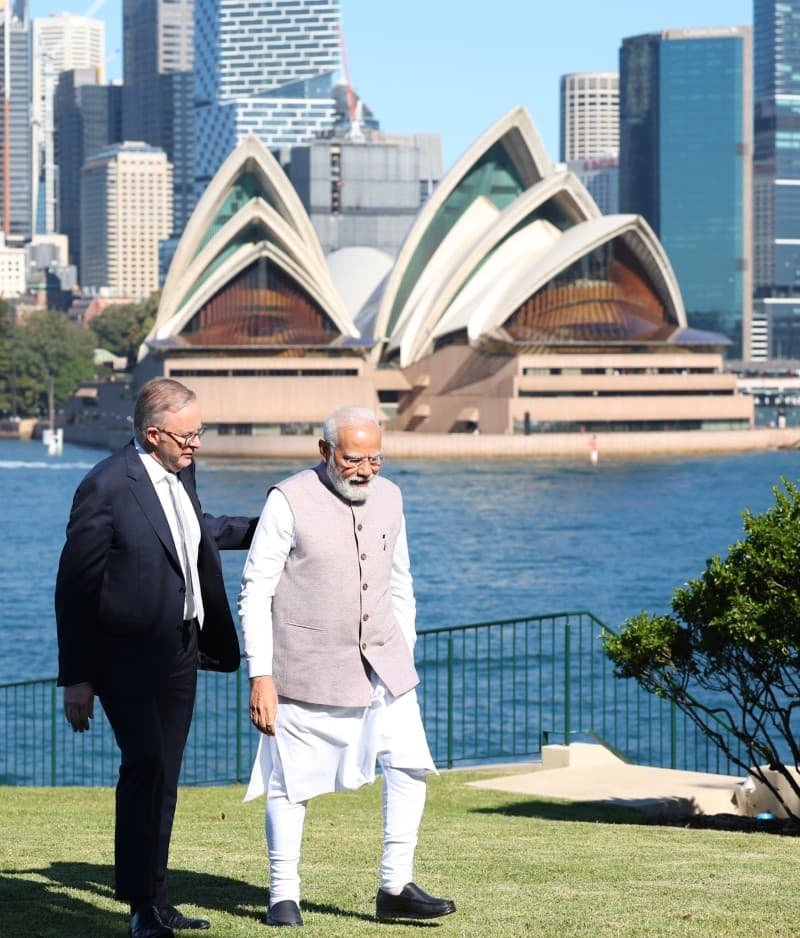
In Australia, I assume voting is silent, uneventful, in a school somewhere which closes for half a day, and most people take an hour off work and go do it like it’s no big deal. Election supervisors are harmless retirees who volunteer and oversee the process. In the world’s largest democracy, election supervisors need armed protection, and voting is a three-act Bollywood movie, at the end of which, you’re not even sure the movie has ended. And yet, through all this madness and mayhem, and clear logistical and legal chaos, there’s still a voting process that’s by and large free, fair, without mass violence. How that happens is anybody’s guess — the ninth wonder of the world.