


 ion
ionKey Highlights
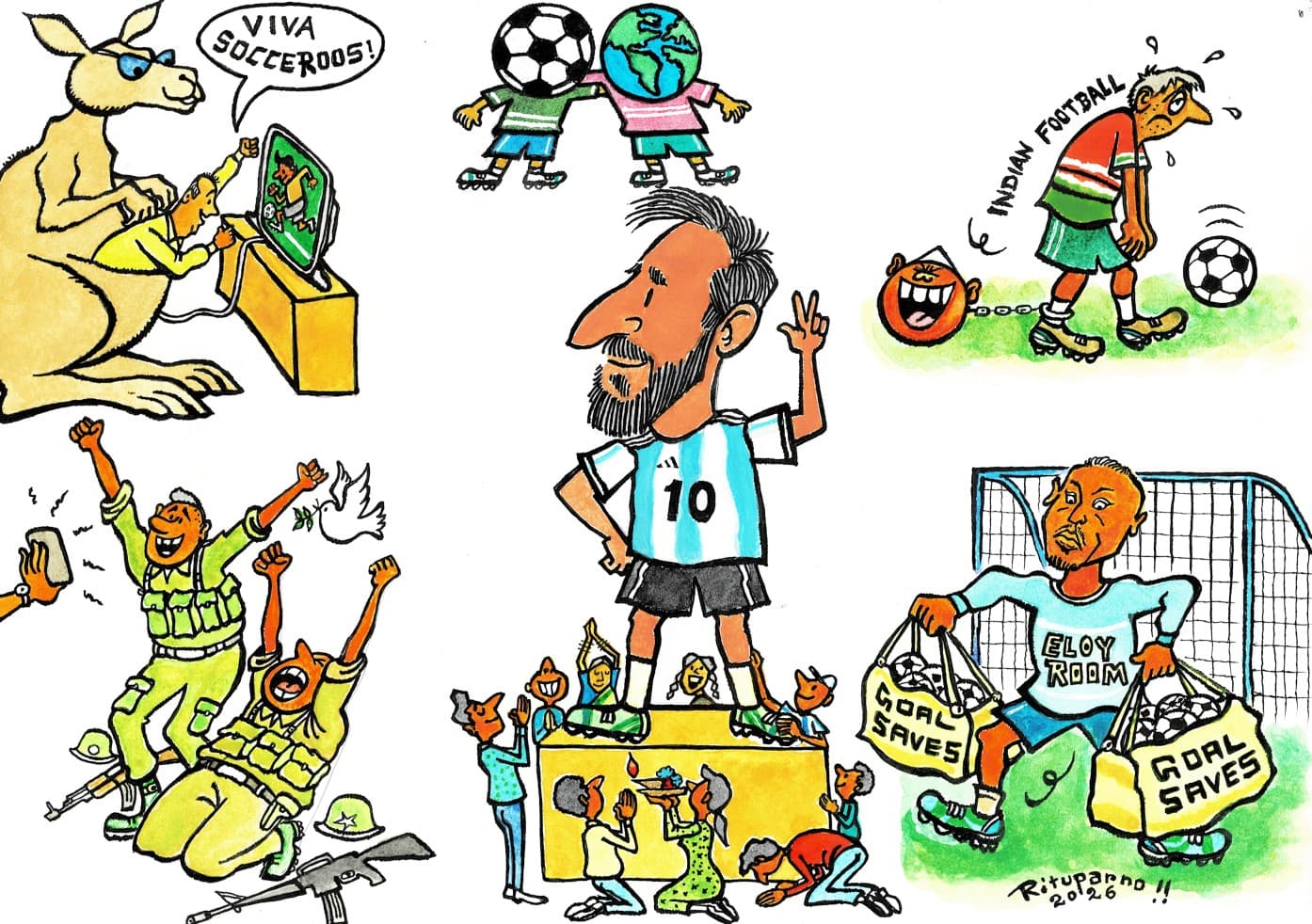
- India’s slide to 139th in the FIFA rankings has reignited the familiar question: why has a nation of 1.4 billion people never qualified for the FIFA World Cup?
- Experts argue the problem is not talent but decades of shortcomings in grassroots development, youth football, scouting and club structures
- Countries such as Japan and Uzbekistan demonstrate how long-term planning, robust youth systems and infrastructure investment can transform football fortunes
- Indian football often focuses on the senior national team, while successful football nations build strong pathways through age-group competitions and academy networks
- Poor playing infrastructure, limited scouting networks and a lack of competitive development environments continue to hinder player growth
- Despite reforms, new leagues and academy initiatives, Indian football has struggled to create systems that outlast administrators, coaches and policy cycles
- Qualifying for the FIFA World Cup will require sustained investment, patience and a decades-long commitment to structural change
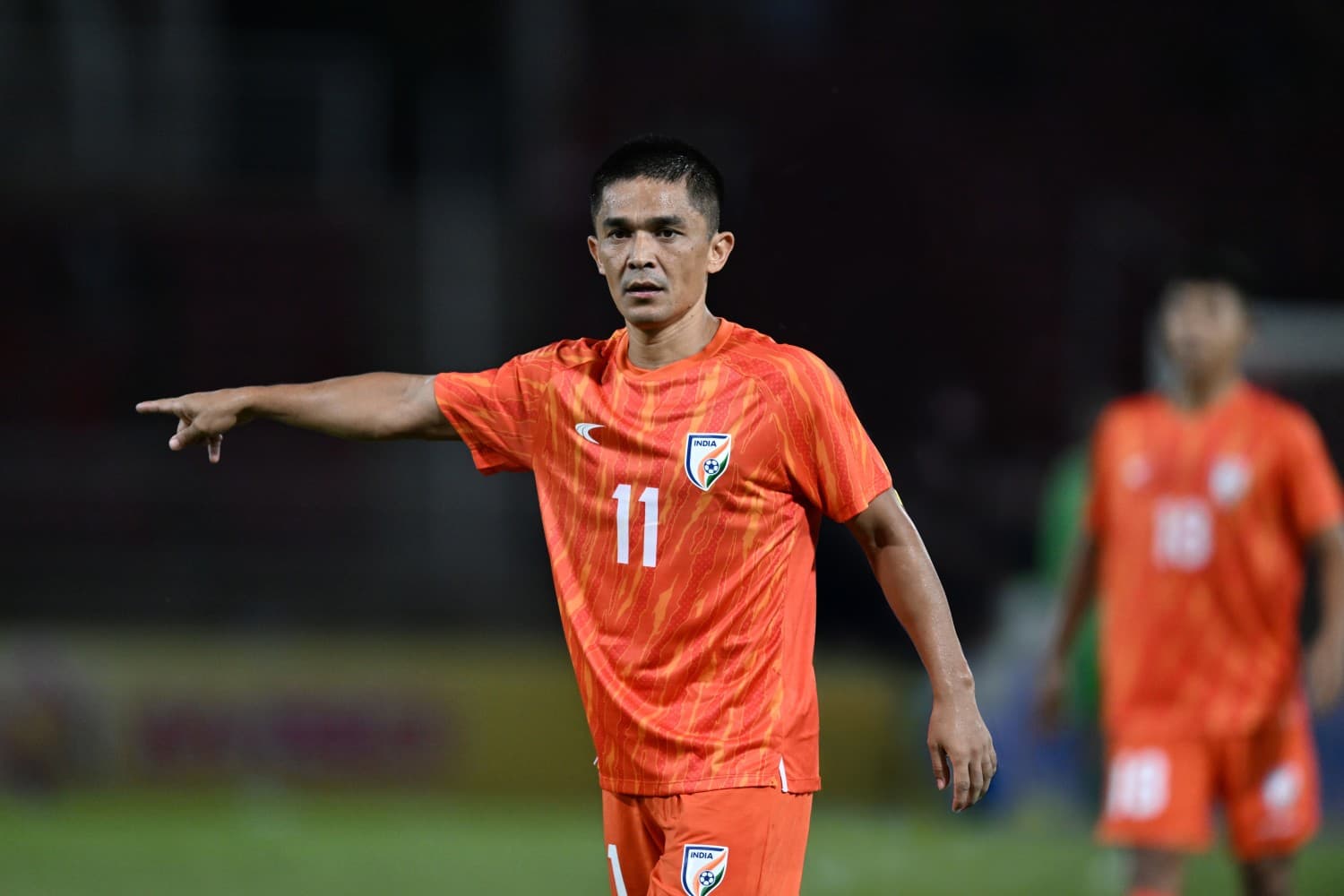
On a November night in Kuwait City in 2023, Indian football briefly felt like it was moving somewhere. In the 75th minute at the Jaber Al-Ahmad International Stadium, Lallianzuala Chhangte burst down the left and delivered a low ball into the box. Manvir Singh met it and scored. India won 1-0 away from home in its opening FIFA World Cup qualifier. It was India’s first away win in a World Cup qualifier in more than two decades and it felt way bigger than three points on a table.
For a few days, the mathematics of hope returned. There were discussions about qualification scenarios. India had spent much of the year gathering momentum, winning the SAFF Championship and climbing into the top 100 of FIFA’s rankings. Online football forums buzzed with excitement. The high did not last long.
For many years now, Indian football has lived on moments like these. A young academy side upsets a bigger team, a ranking improvement, a famous victory and there is a buzz that the long-promised turn is finally coming. Then, reality catches up.
Today India sits at 139 in the FIFA rankings, its lowest position in years. And once again the familiar question has returned. How does a country of 1.4 billion people keep finding itself here?
For Jaideep Basu, who has spent decades covering the game, the cycle itself has become predictable. “This question comes every four years,” he says. “Nobody bothers in between.”
The expansion of the World Cup to 48 teams created the illusion of proximity. Curaçao, with a population smaller than Shimla, and Cape Verde, about the demographic size of Ujjain, has already made it for this summer’s edition in North America. The broad feeling is that the new format means more Asian teams will qualify. But Basu doesn’t see it that way. India’s ranking within Asia has spent much of the recent years hovering in the twenties. Expecting it to suddenly become one of the continent’s top teams simply because more places opened up, he argues, was never realistic.
The problem lies much deeper. “We have gone wrong in club football. We have gone wrong at the grassroots. We have gone wrong in youth football development. We’ve gone wrong in scouting,” he says.
The list is long enough to sound overwhelming. But perhaps the more uncomfortable lesson is that Indian football has often looked for quick solutions to what are fundamentally long-term problems.
Sports producer Joy Bhattacharjya reaches for a metaphor to explain. “In the global football race,” he says, “you have to keep running to stay in the same place.” Japan understood this decades ago. In the early 1990s, it drew up a hundred-year football plan. Today it qualifies regularly for World Cups and speaks openly about becoming genuine contenders in the future.
Ranjit Bajaj, owner of Minerva FC, whose youth team beat Liverpool’s counterparts earlier this year, points toward Uzbekistan. “Last time they won the Asian Cup under-17, under-21,” he says. “Obviously they’re going to have a great future.”
This comparison matters because Uzbekistan lacks many of India’s advantages. It does not have India’s economy or population scale. Yet its youth systems continue to produce players who move into stronger football environments and grow there.
Indian football, meanwhile, often starts at the wrong end. It begins with the senior national team. Basu, Bhattacharjya and Bajaj all return instead to what exists underneath it.
“We have gone wrong in club football. We have gone wrong in the grassroots. We have gone wrong in youth football development. We’ve gone wrong in scouting.”
Bhattacharjya believes Indian football lacks something that cricket gradually built over decades: a middle class. “There aren’t feeder tournaments… You’re picking from here and there.” Cricket has age-group structures that create a pipeline. Football still largely depends on isolated scouting and scattered academy systems.
Then there is the question of infrastructure. Bajaj believes many of India’s footballing problems begin with the fields children play on.
“In India no one plays passing football in local grounds,” he says. “Because if my centre-back passes to another centre-back, the ball won’t reach him because the ground is so horrible.” He points to hockey’s revival as a contrast.
Odisha invested heavily in infrastructure. More accessible playing surfaces appeared. Talent had somewhere to develop. Football still asks children in many parts of India to learn the game on what Bajaj calls “injury factories”.
Bhattacharjya sees another contradiction. “For a country 139 in the world, our players are pretty well paid,” he says. His argument is not about players earning too much. It is about incentives. Players from smaller football nations often move abroad, even to lower divisions, because stronger environments improve them. Indian footballers rarely have that pressure. Little cross-pollination, little exposure to different systems and standards results.
There is another contradiction here, too. Indian football has spent years talking about change. There have been new leagues, new academies, grassroots programmes and repeated promises of reform.
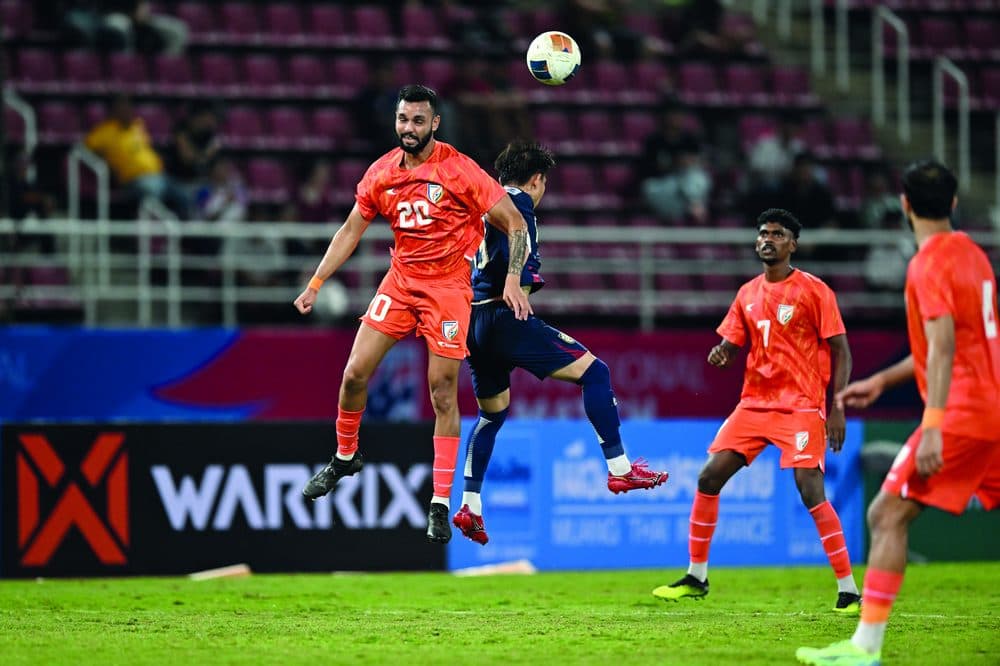
The Indian Super League (ISL) arrived promising transformation. Every few years there is another blueprint, another technical committee and another announcement about the future. But football has rarely worked through announcements. Countries that have changed themselves did so through structures that survived administrators, coaches and election cycles. India’s conversations still tend to begin at the top and move downward, argues Bhattacharjya. The issue is not finding players. It is building pathways.
Which brings Indian football back to Kuwait. Because perhaps what that night really captured was not progress itself, but how badly Indian football wants signs of progress. One result, one run of form, one brief climb in rankings and suddenly the conversation shifts to distant possibilities.
But the experts all agree that football today needs vision and the confidence of committing to a plan that may take decades before there is any real result. So that when the results start showing, they are not just sparks but a fire that can ignite a new era.
THE QUEST CONTINUES
- In the 1950 FIFA World Cup, India withdrew before playing, turning qualification into Indian football’s original ghost story.
- India’s best real qualifying campaign came for the 2002 edition: three wins, two draws, and elimination by a single point.
- The 2026 dream died earlier in India’s home form — two home defeats, one home goal, and only three goals in six games.
- India has more people than all 48 World Cup nations combined, yet countries with smaller populations than Indian cities like Shimla and Ujjain have made it to the biggest stage.
Why has India never qualified for the FIFA World Cup?
Why has India never qualified for the FIFA World Cup?
India has struggled with long-standing issues in grassroots development, youth football, scouting, infrastructure and player pathways.
What is India’s current FIFA ranking?
What is India’s current FIFA ranking?
At the time of writing, India was ranked 139th in the FIFA rankings, one of its lowest positions in recent years.
Did India ever qualify for a FIFA World Cup?
Did India ever qualify for a FIFA World Cup?
India qualified for the 1950 FIFA World Cup but withdrew before the tournament began and never played a World Cup match.
What are the biggest challenges facing Indian football today?
What are the biggest challenges facing Indian football today?
Key challenges include inadequate infrastructure, weak scouting systems, inconsistent youth development, limited feeder competitions and a lack of long-term planning.
What impact has the Indian Super League (ISL) had on Indian football?
What impact has the Indian Super League (ISL) had on Indian football?
The ISL has increased visibility, investment and professionalism, but critics argue that league growth alone cannot replace strong grassroots and youth development systems.
What must India do to qualify for a future FIFA World Cup?
What must India do to qualify for a future FIFA World Cup?
India needs a long-term football blueprint focused on grassroots participation, youth academies, coaching standards, infrastructure, scouting networks and sustainable player development pathways.