Key Highlights
- The Indian Premier League has evolved into one of the world’s most valuable sports properties
- In 2026, Rajasthan Royals and Royal Challengers Bengaluru were valued at over $1.6 billion each in major franchise deals
- More than 70 per cent of IPL franchise revenue comes from centrally shared media rights and sponsorships
- The IPL’s 2023–27 media rights cycle was worth $6.2 billion, making it one of the richest leagues globally on a per-match basis
- Australian cricket and investors are becoming increasingly linked to the IPL ecosystem through players, ownership and media interest
- Despite massive popularity, IPL merchandising remains underdeveloped compared to leagues like the NFL and NBA
- The IPL’s biggest strength is its scarcity model — limited franchises, guaranteed participation and enormous audience loyalty
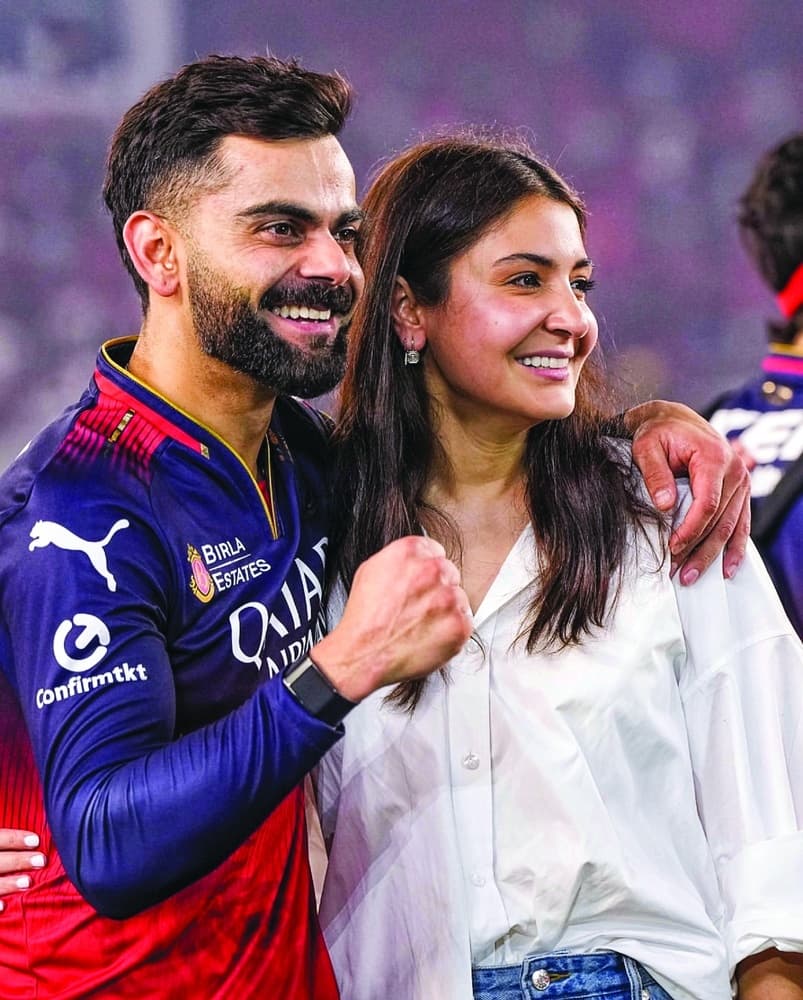
On a single day in late March 2026, two franchise transactions rewrote the economics of cricket in the space of hours. Rajasthan Royals (RR) changed hands at $1.63 billion, snapped up by a US-based consortium. Hours later, Royal Challengers Bengaluru (RCB), a franchise that hadn’t won a men’s title until 2025, was acquired by a group including Aditya Birla Group, The Times Group and Blackstone for $1.78 billion.
The man who dreamed all of this up, Lalit Modi, the IPL’s founder and first commissioner, predicts that franchise valuations may double within the next five years. Unlike most global leagues, where revenue depends on gate receipts, naming rights, or a revolving door of owners, the Indian Premier League operates as a closed, centralised financial system. Over 70 per cent of franchise revenue flows from a centrally shared pool of media rights and sponsorships, meaning teams enjoy extraordinary income visibility before a single ball is bowled.
The 2023-27 IPL media rights cycle fetched $6.2 billion, making the IPL the second-most valuable sporting league on a per-match basis. The National Football League in the US generates over $23 billion annually — but it has had a century’s head start. The IPL is just 18.
The IPL’s genius has always been structural: a closed system, guaranteed participation and a scarcity of franchises that keeps valuations elevated regardless of on-field results
“What makes the IPL uniquely powerful is not just its scale, but its rare combination of deep and expanding audience reach across genders and age groups, along with its proven ability to deliver measurable impact across the full marketing funnel,” feels Kingshuk Mitra, former Head of Sports Ad Sales at Disney Star, now co-founder of AdStitch. “It has evolved into a high-performance brand engine, driving strong recall, sales uplift and storytelling impact across categories — from new-age brands and product launches to established, mature sectors. It’s interesting how bite-sized pricing packages are lowering entry barriers and offering clearer ROI visibility, which is why brands and investors continue to return year after year for consistent, high-impact outcomes,” Mitra tells DOT.in.
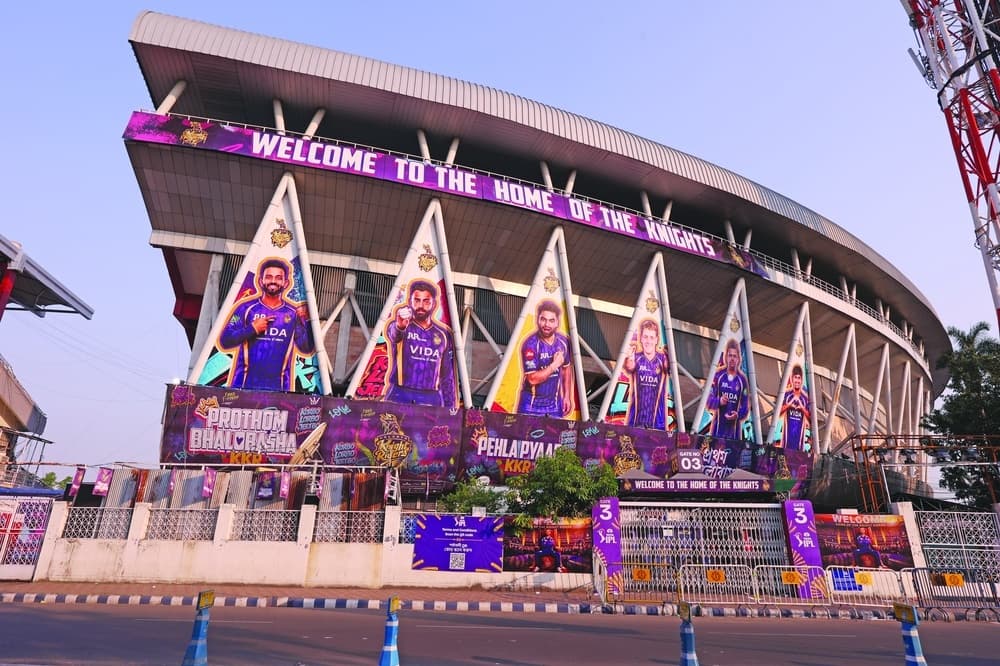
The Australian angle is becoming increasingly central, too. Cameron Green was the most expensive overseas player in IPL history at the 2026 auction, fetching $2.77 million from Kolkata Knight Riders (KKR). Meanwhile, IPL-linked investors are circling Cricket Australia’s proposed privatisation of the Big Bash League, a development that could see the IPL’s financial gravity extend directly into Australia’s own domestic game.
The IPL’s brand value was pegged at $9.6 billion in 2025, but there remains untapped potential, such as in merchandising. The entire annual IPL merchandise market sits at just ₹200-500 crore, a fraction of what a single NFL team earns in licensing. The audience is there — hundreds of millions of viewers, ferocious loyalty, a thriving e-commerce ecosystem — but 10 franchises each manage their own fragmented licensing deals. Lalit Modi himself has called for a centralised IPL store, and with India’s sports merchandise market projected to grow at nearly 20 per cent annually through 2030, whoever cracks that model first will find an enormous prize waiting.
The IPL’s genius has always been structural: a closed system, guaranteed participation and a scarcity of franchises that keeps valuations elevated regardless of on-field results. “Even as categories like edu-tech and gaming face regulatory and market shifts, AI and tech companies are building new advertising categories around the IPL, recognising its unmatched reach, strong brand-building power and the deep emotional connection it creates with audiences,” says Mitra.
What the IPL now needs is the retail and brand discipline the National Football League and the National Basketball Association spent decades building — so that a teenager in Melbourne one day wears a Mumbai Indians jersey not because they understand the Impact Player rule, but because the brand speaks a language that transcends the sport.
What is the IPL?
What is the IPL?
The Indian Premier League is India’s professional Twenty20 cricket league, launched in 2008.
Who founded the IPL?
Who founded the IPL?
Lalit Modi was the founder and first commissioner of the IPL.
Why is the IPL considered so valuable?
Why is the IPL considered so valuable?
Its massive audience, lucrative media rights, centralised revenue model and limited number of franchises make it one of the world’s most profitable sports leagues.
Which IPL teams are the most successful?
Which IPL teams are the most successful?
Chennai Super Kings and Mumbai Indians are the most successful franchises, with five titles each.
Why are IPL franchises attracting global investors?
Why are IPL franchises attracting global investors?
The league offers strong revenue visibility through central sponsorships and broadcasting deals, making franchises attractive long-term assets.
How is Australia connected to the IPL?
How is Australia connected to the IPL?
Australian players are major IPL stars, and investors linked to the IPL are showing interest in Australia’s domestic cricket ecosystem, including the Big Bash League.