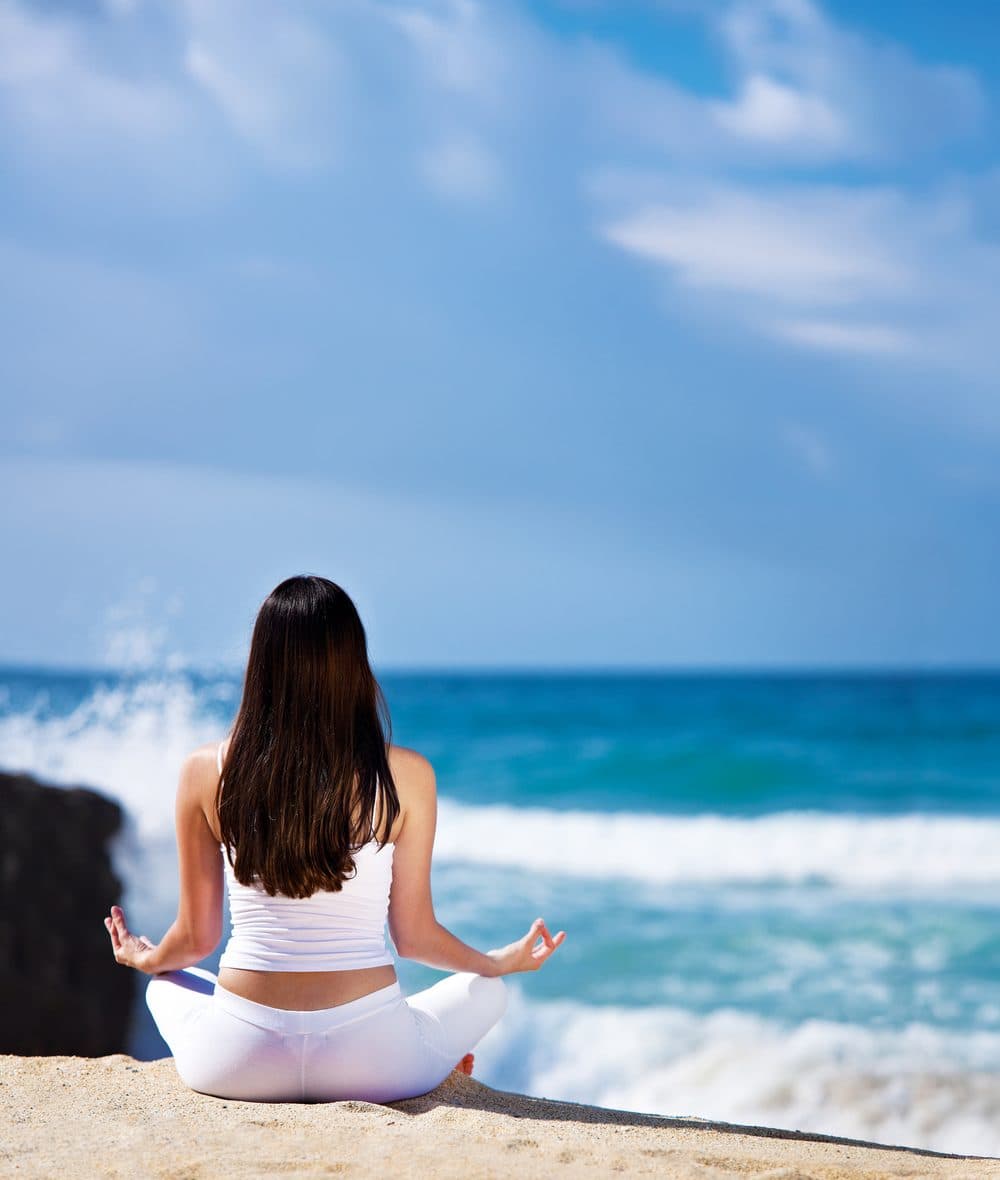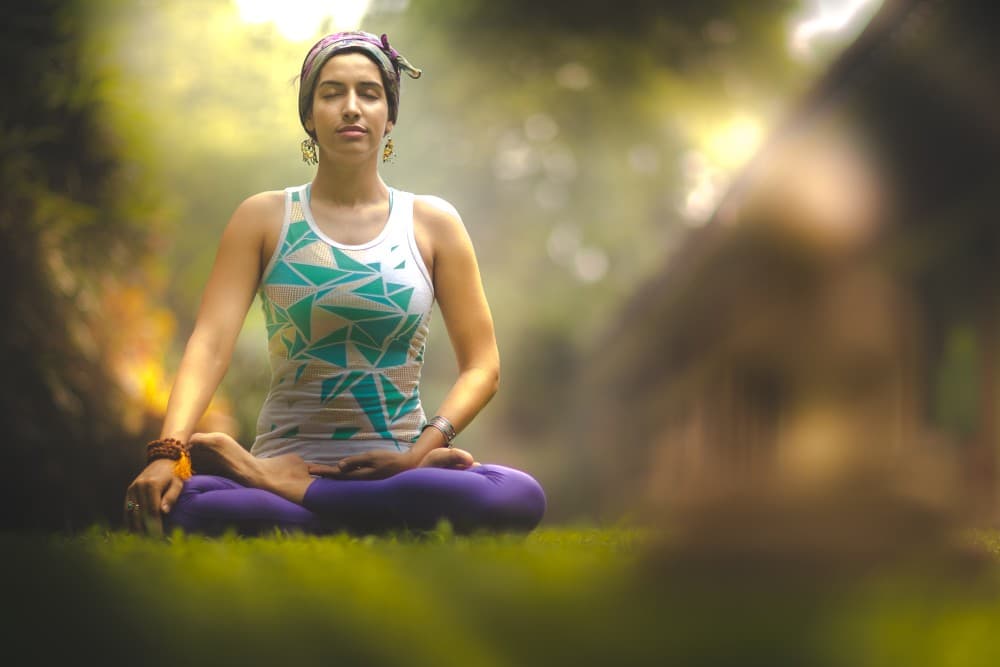
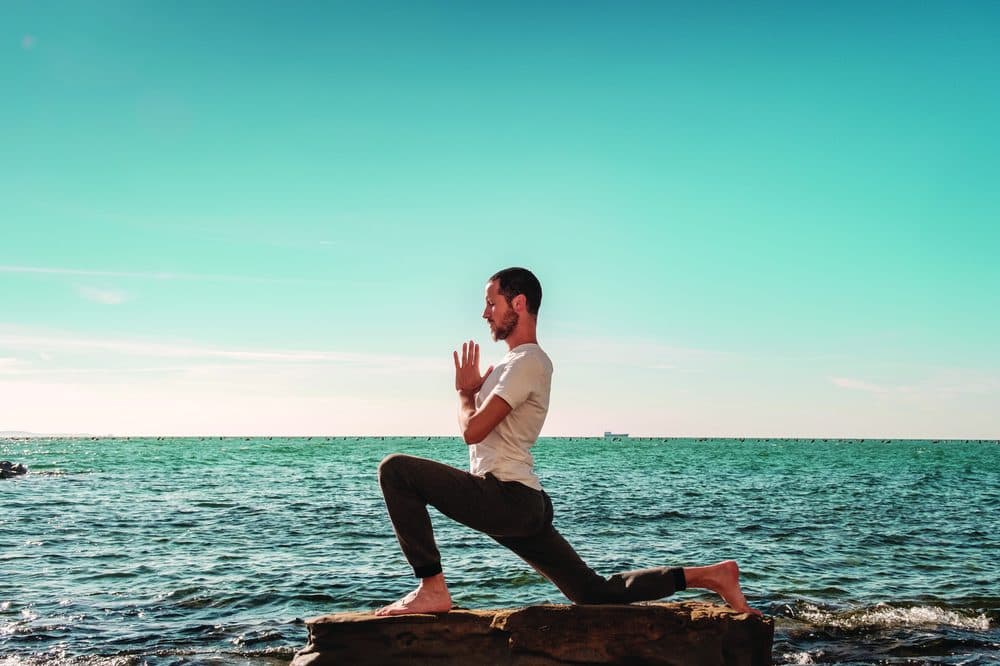
There is a highway of energy that exists inside your body, and it connects your gut to your brain. Signals from the gut determine how relaxed you stay and how your brain processes information.
Today, our brain has 47 tabs open — three are frozen, one is playing music and one is recalling that embarrassing thing we did in 2018. Congratulations, we’re totally adulting in 2026.
We’ve been “on” for so long that our dysregulated nervous system is constantly on caffeine overload, and few things feel inspiring or purposeful. We’ve become like Neo before Morpheus offers him the red pill, convincing us that if you just think harder, hustle faster and answer one more email, life will magically make more sense.
Spoiler alert: It won’t.
Burnout isn’t usually caused by doing too much but because of never really stopping. Constantly being switched on, not resting adequately and experiencing symptoms such as tightness in the chest, locked jaw or even migraines stem from a need to pause. So how can we change our reality?
Rest is not a luxury or a passive switch. It is a biological skill you can master. Repetition creates flow
Brain wave descent
When our attention has become the world’s favourite currency, yoga quietly enters the chat with its sthiram sukham asanam. The posture (asana) should be steady (sthira) and comfortable (sukha). Guided yoga and yoga nidra practices bring your brain from the active ‘beta’ state to the gentle ‘theta’ and ‘delta’ state. The brain frequency literally shifts from the range of 30 Hz to .5 Hz.
Nervous system triage
When the stress is acute, you need a massive shift to halt the rolling ball. Physicists talk about the Quantum Zeno effect. When you observe certain quantum systems, it can slow how they change. The metaphor is brilliant for what the yogis call sakshi bhava. The observer mode is like a break in the circuit that stops your brain from frying.
Here is where vinyasa flow, pranayama or breathwork, gentle practice with forward folds, yoga nidra or non-sleep deep rest comes to the rescue. This combination of yogic practices calms the amygdala and down-regulates the brain’s fear centre, bringing you to a space of safety.
Maintenance mode
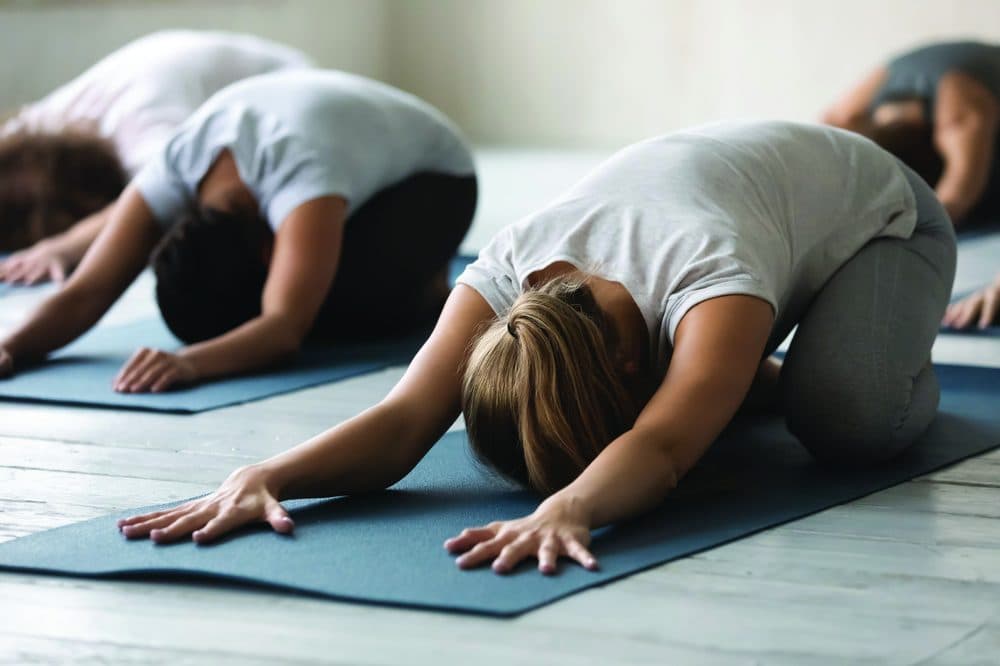
Yogis knew and neuroscientists now confirm that you can’t think your way out of a stressful situation. Calm the body, the mind follows. Samatvam yog ucchyate or breathe, move and regulate your way into true equanimity. Daily practices of simple poses like legs on the wall, child’s pose and guided relaxations can bring a powerful dimension to the healing process. Try 4-7-8 breathing — inhale to the count of four, hold for seven, exhale for eight.
Reset routine
Rest is not a luxury or a passive switch. It is a biological skill you can master. Repetition creates flow. Observation creates distance. Distance creates choice. Choice creates freedom. Unfortunately, this isn’t a one-time software update. It’s like going to the gym. Except instead of building physical biceps, you’re building mental muscle.
TRY THIS PROTOCOL
Morning: Start with gentle stretches and breathwork to release “feel good” endorphins for the day.
Midday: Needs an immediate reset with 4-7-8 breathing.
Evening: Calls for a somatic release with child’s pose and hip openers. This drains physical tension and signals the end of a hyper-vigilant workday.
Night: Before bedtime, Viparita Karani (legs on the wall) and yoga nidra guide the brain down to ‘delta’ and give you a nourishing rejuvenation while you sleep.