
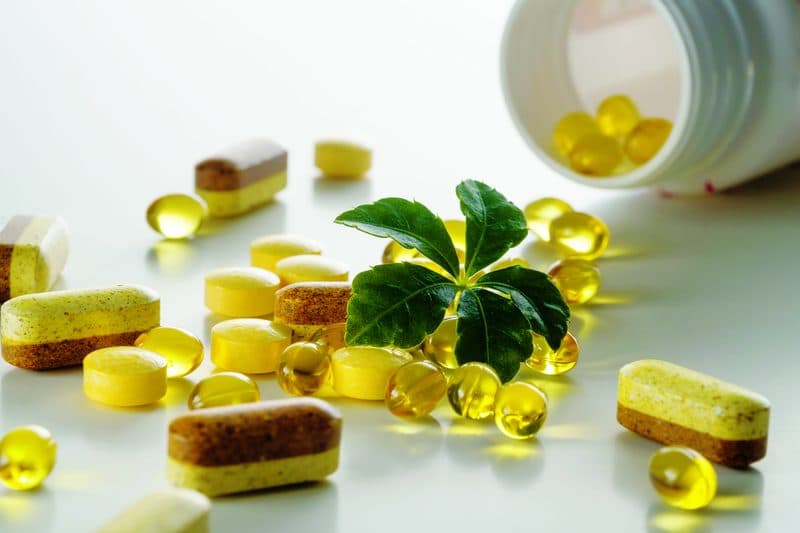
In early May this year, I was walking through the halls of Vitafoods Europe in Barcelona, among the world’s largest gatherings for the nutraceutical, functional food and wellness industries. In previous years, wellness conversations had often revolved around broad promises such as immunity, energy, vitality and longevity. This year, however, at booth after booth, companies were leading not with marketing language, but with data.
This shift offers an important lesson for Indians. Despite being one of the world’s largest pharmaceutical and nutraceutical manufacturing hubs, India remains a wellness paradox. It is not that consumers do not care about health. It is that even highly educated consumers often struggle to distinguish science from the performance of science.
A great deal of this has to do with the increasing sophistication of the modern wellness economy. Beautiful packaging, clinical-sounding terminology, influencer endorsements, imported labels and biohacking jargon can all create an illusion of credibility. Yet credibility and evidence are not the same thing.
A common example is the use of the phrase ‘clinically proven’. It sounds authoritative, but what does it actually mean? Is it supposed to signify a study on a broad ingredient category, a specific branded ingredient, or the finished formulation being sold to consumers? Similarly, products that proudly advertise that they contain collagen, curcumin, probiotics or adaptogens often omit a far more important factor: how much?
The problem is not unique to India or Indians, of course. Most wellness markets are grappling with the tension between science and storytelling. The difference lies in how mature ecosystems learn to manage that tension.
My own understanding of this came from spending nearly a decade in the United States, training as a biochemist and working across biotech, medtech and biopharmaceutical consulting environments before returning to India.
Some products with extraordinary science struggled commercially because their benefits were not adequately valued by the healthcare system. At the same time, products with more modest efficacy succeeded because they earned trust and communicated value effectively.
Science and communication need to be married effectively. Evidence has to be supplemented by trust.
The challenge, therefore, is not simply manufacturing more. It is creating more value.
For consumers trying to navigate this increasingly crowded wellness landscape, I have found three questions particularly useful.
First, what exactly is the ingredient form? Not all curcumin is the same. Not all probiotics are the same. Standardisation, extraction methods and delivery systems matter.
Second, what is the dose? A clinically studied ingredient used at one-tenth of the validated dose may create a compelling label but a less meaningful outcome.
Third, what level of evidence actually exists? Is the claim supported by mechanistic research? Animal studies? Human clinical trials? Or studies conducted on the exact finished formulation? These are very different standards of evidence and deserve to be treated as such.
None of this means consumers need to become scientists. But it does reveal a need for consumers to become more curious.
The wellness industry itself is becoming too important to ignore. India’s nutraceutical market is estimated at nearly US$39 billion and is expected to continue growing rapidly over the coming decade. Yet the most interesting aspect may be not whether India can become a bigger wellness market, but whether India can become a more original one.
The United States, for instance, excels at translating science into companies. Its strengths lie in venture capital, university ecosystems, clinical research infrastructure and the ability to commercialise innovation.
The Wellness Lexicon
Nutraceutical: A food-derived product positioned to support health and wellbeing
Functional food: Food designed or marketed to offer benefits beyond basic nutrition
Extraction method:The way useful compounds are taken from a plant or raw material
Mechanistic research: Research that explores how something may work in the body
Human clinical trials: Studies conducted on people to evaluate safety, effect or performance
Preventive nutrition: Nutrition aimed at supporting long-term health before illness begins
Metabolic health: The body’s ability to manage blood sugar, insulin, lipids, weight and energy
Healthspan: The period of life spent in good health, not simply the number of years lived
India’s strengths are different. We possess scientific talent, manufacturing capability, cost efficiency and entrepreneurial flexibility. What we have historically lacked is the ability to consistently connect science, evidence, branding and consumer trust.
India has opportunities that extend far beyond importing global wellness trends. If we get that translation right, India could become the country that democratises evidence-led wellness.
Women’s health is a particularly compelling example. Conditions such as PMOS, menopause-related challenges, fertility health and iron deficiency affect millions of Indian women, yet remain under-addressed.
Metabolic health presents another opportunity. South Asians develop insulin resistance and diabetes at lower BMIs than many Western populations. We need evidence that reflects our own genetic, dietary and metabolic realities rather than relying exclusively on imported data.
Preventive nutrition may be the most exciting frontier of all. Over the next decade, the boundaries between food, diagnostics, supplementation and healthspan management will continue to blur. India has the scientific talent, manufacturing capability and consumer scale to build solutions that are both evidence-led and accessible.
I used to believe strong science would naturally prevail. But I have come to understand that consumers do not buy molecules. They buy trust.
That does not make evidence less important. If anything, it makes it more important because trust that is not rooted in evidence eventually breaks. The most enduring wellness brands of the future will not be those with the loudest claims, but those with the discipline to be transparent about what they know, what they don’t and what remains to be proven.
DON’T SWALLOW THE CLAIMS
- 'Clinically proven' does not always mean the finished product was tested
- The form of an ingredient matters as much as the ingredient itself
- Attractive packaging is not the same as stronger evidence
- Consumers do not need to be scientists, but they do need to be curious
- The best wellness brands will sell trust
- No one should make miracle claims