We live in the age of the summary and the takeaway: things that can be absorbed at 1.5x speed and digested by lunch. Excessive curiosity has been demoted to a design flaw, and falling down a rabbit hole has become something we apologise for. I think we have it backwards.
The phrase “down the rabbit hole” comes from Alice’s Adventures in Wonderland, of course. But many forget how she falls. The descent is slow enough that she takes a jar of marmalade off a passing shelf, inspects it, finds it empty and sets it back as she drifts down. Lewis Carroll, a logician by day, wrote the most gloriously illogical fall in English literature. That is the very point of a rabbit hole: that you fall slowly enough to read every label.
And in life, labels are everywhere: a marble fountain in a run-down Kolkata park, a faded granite dog bowl in a quiet corner of Cambridge, a European fireplace in a Mughal palace in Delhi, Lifebuoy soap in a hidden London garden, an Ashoka Chakra on a Bratislava street corner. Each label looks too ordinary to read at first sight. But let’s read all of them and see where that takes us.
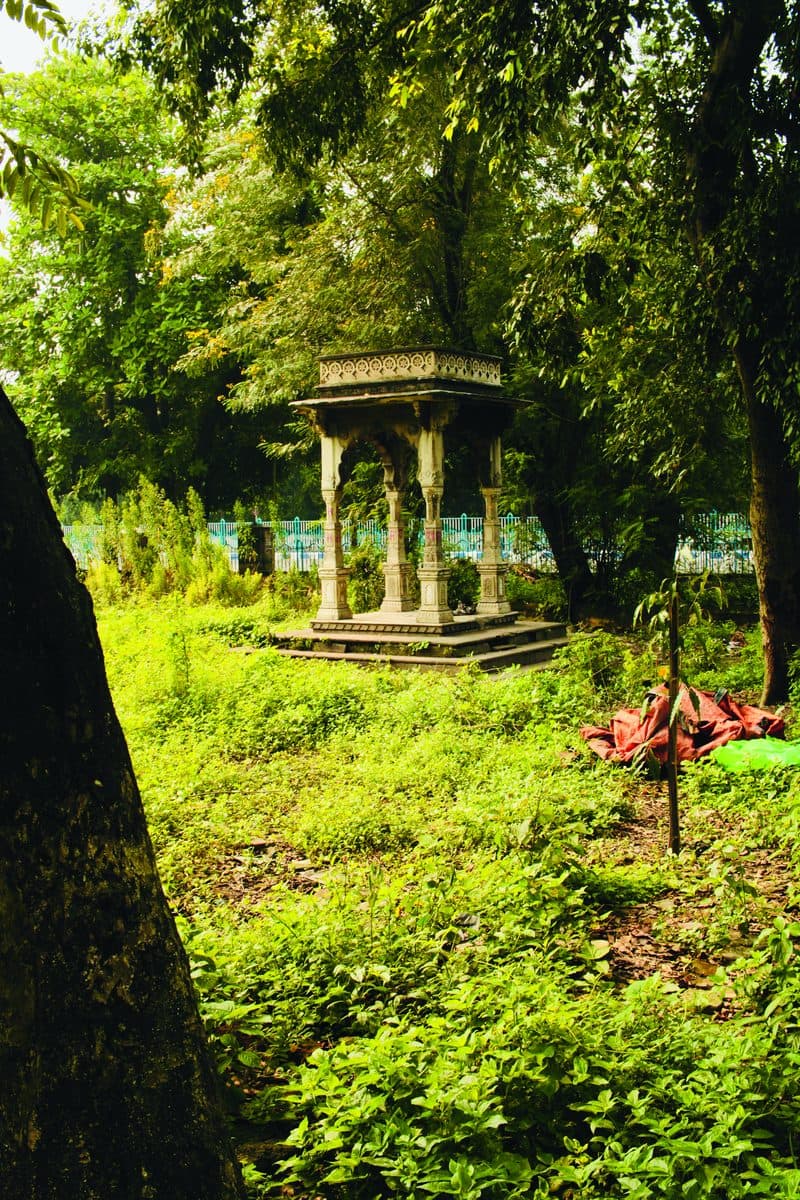
We start in Kolkata, at the Panioty Fountain, where Satyajit Ray staged the discovery of the philosopher’s stone in his 1958 classic Parash Pathar — a sorry tale about a bank clerk who chances upon infinite wealth before falling prey to hubris and trouble. The fountain honours Demetrius Panioty, born to a modest Greek merchant family in Kolkata in the 19th century that had slipped into clerking, who climbed his way back to private secretary to the Viceroy. Its inscription quotes the Book of Proverbs: a good name is worth more than great riches. The verse goes on, though the stone does not. The missing half says that favour is worth more than silver and gold. For a film about a man undone by sudden wealth, there was no better place to find the stone.
Ray had hidden this remarkable Easter egg in plain sight.
Set into a Cambridge pavement is a granite drinking bowl for a dog. The dog was Tony, a terrier belonging to Prince Chula Chakrabongse of Siam, who came within touching distance of the throne of Thailand. Chula read history at Trinity College, rowed for his college and went on to run one of the most elite motor racing teams in 1930s Europe.
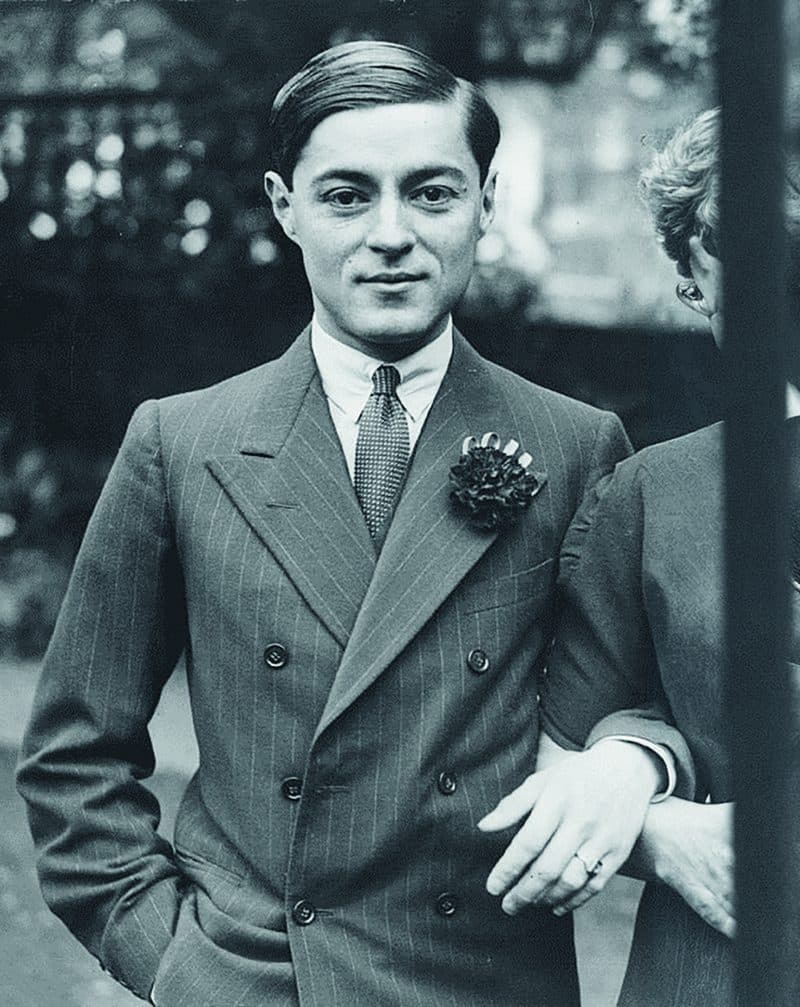
He never became king, but he ruled the track instead, and somewhere in Cambridge his beloved dog still has a water bowl. It is easy to miss, but if you read the inscription, and care enough to look it up, you will stumble across a touching story spanning continents and species.
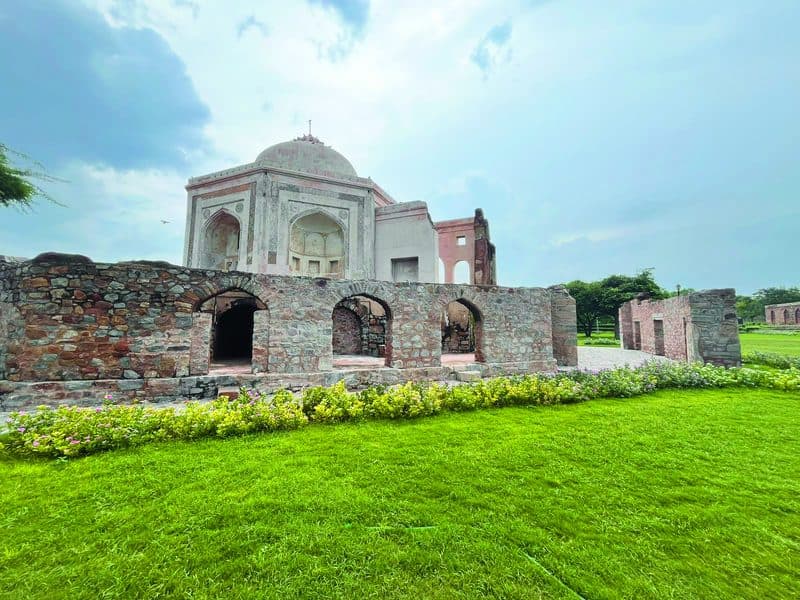
Near the Qutub Minar, two fireplaces sit a kilometre apart. One is in Dilkhusha, the summer retreat of Thomas Metcalfe, the British Resident whose task was to hollow out Mughal rule from the inside. The other is its near-exact copy, possibly built by the last emperor, Bahadur Shah Zafar, Metcalfe’s political opponent, inside the summer palace he retreated to from the Red Fort, as his power drained away. In a remarkable twist of irony, the Resident’s preferred architectural style had found its way into the emperor’s own house. Today Metcalfe’s fireplace stands restored and admired as part of a renovation drive. Zafar’s summer palace is on its last legs, and the fireplace is barely hanging on. The connection can only be made by someone adventurous enough to walk from Dilkhusha to Zafar Mahal and curious enough to notice the striking similarities.
To fall down a rabbit hole is to pick up what efficiency, the currency of our times, throws away. It is slow and it is useless. But it may be the last unhurried thing we have left
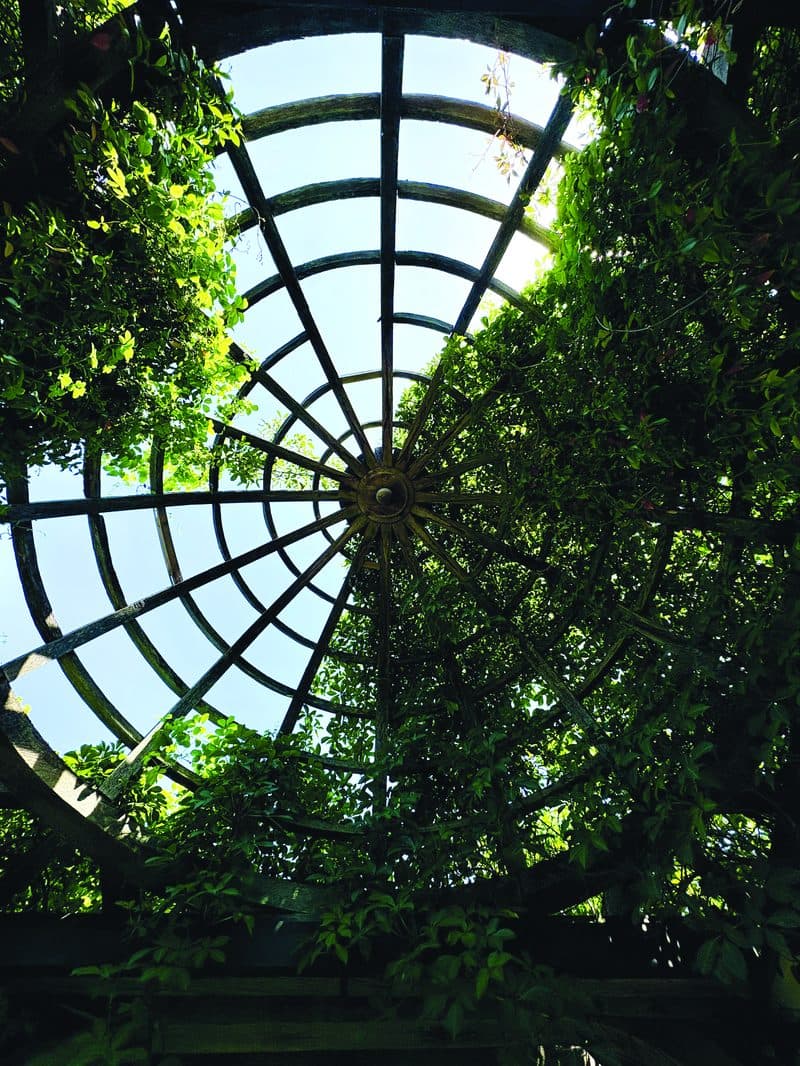
On a hilltop in Hampstead hides one of London’s loveliest secrets, the Hill Garden and Pergola, a collection of stone follies lost under heavy foliage. It was built by William Lever, the soap magnate whose Sunlight, Lifebuoy and Lux would go on to become Unilever. The palm oil that lathered Britain came from colonial Congo, where Lever’s plantations ran on coerced labour at a fraction of an English wage. The evidence suggests that he knew. The same soap that sold the empire on cleanliness was made on the backs of men with no say in it. The garden is lovely, but its foundations are not. You reach the truth only by following a bar of Lifebuoy soap through a secret garden all the way back to the Congo.
On a street corner in Bratislava, at the bottom of a modest plaque, sits an Ashoka Chakra. In 1938, weeks before the Munich Agreement, Jawaharlal Nehru and his daughter Indira Gandhi broke bread here with Vladimír Clementis, a Slovak idealist who shared his training in law and his loathing of fascism. Within weeks the powers that be handed swathes of Czechoslovakia to Adolf Hitler without a Czech at the table, and Nehru called it a moral surrender.
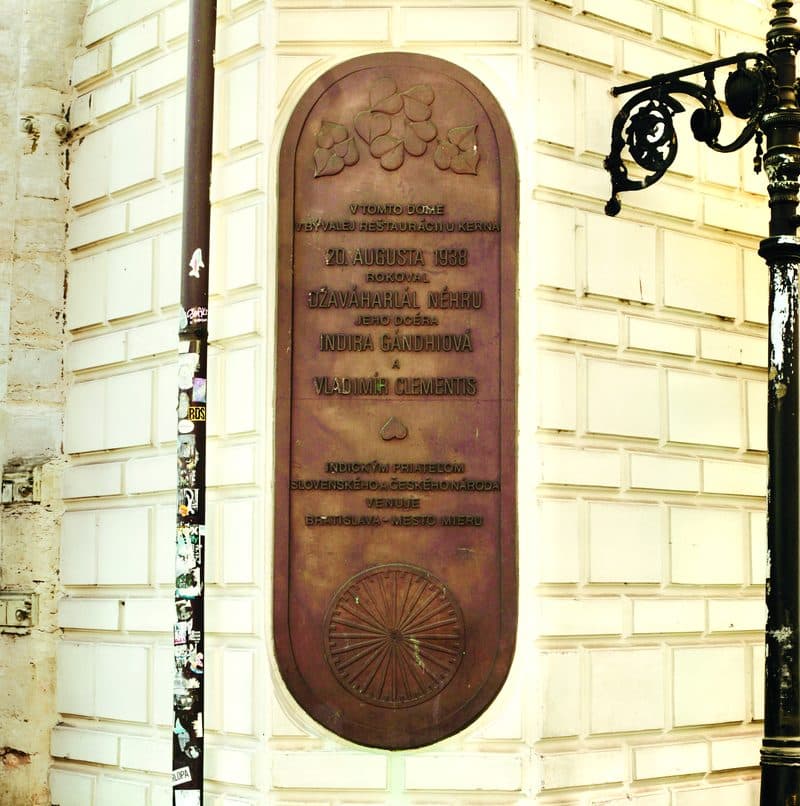
Clementis later became Czechoslovakia’s foreign minister. Then a 1952 show trial had him hanged, and the state airbrushed him out of its photographs. The Ashoka Chakra appearing in the unlikeliest of places serves as an everlasting mark of a dinner with a man the camera was ordered to forget. Keen linguists who look at the plaque closely will be amused to see the Slovak transliterations of Indian names: Dzavaharlal Nehru and Indira Gandhiova!
Far too often, we jump to the destination and ignore the descent. But the descent is where the marmalade jar lives, and in it hides the most wonderful, occasionally poignant stories. To fall down a rabbit hole is to pick up what efficiency, the currency of our times, throws away. It is slow and it is useless. But it may be the last unhurried thing we have left. From now, be sure to read every label on the way down.