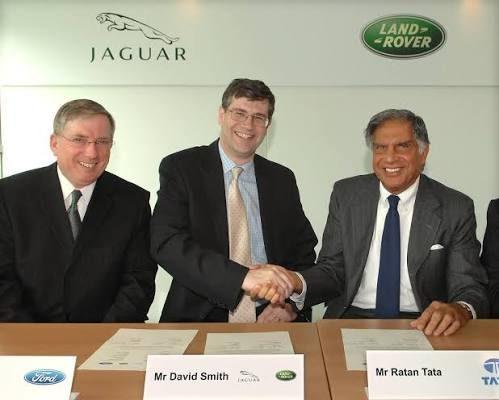
When Tata Motors acquired Jaguar and Land Rover from Ford Motor Company in 2008, it took responsibility for two of Britain’s most recognisable automotive names. Each carried decades of engineering achievement, design distinction and cultural significance, not just at home but globally.
“We have enormous respect for the two brands and will endeavour to preserve and build on their heritage and competitiveness, keeping their identities intact,” Ratan N. Tata, Chairman of Tata Sons and Tata Motors, had said following the agreement with Ford.
The Tata story began in 1868, when Jamsetji Nusserwanji Tata established a trading company in Bombay (now Mumbai). He established industries in steel, power and engineering, alongside institutions for scientific research and technical education. Tata’s industrial development was closely associated with the larger project of building India’s economic capabilities.
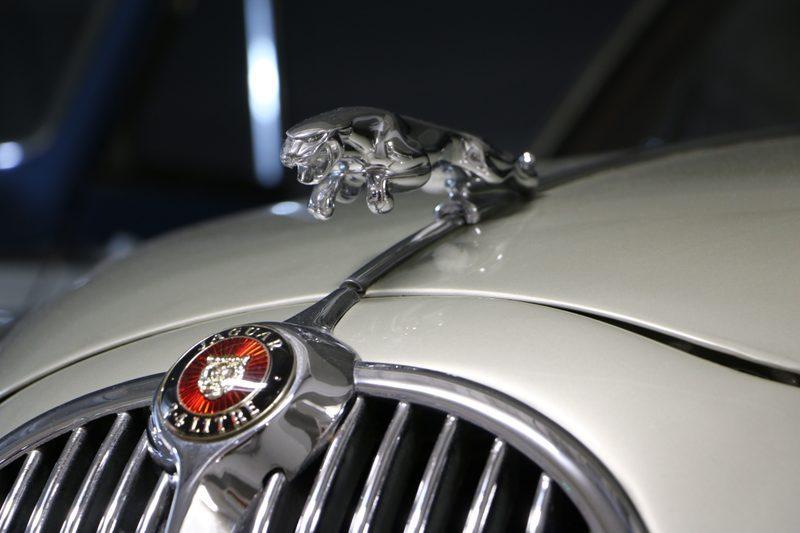
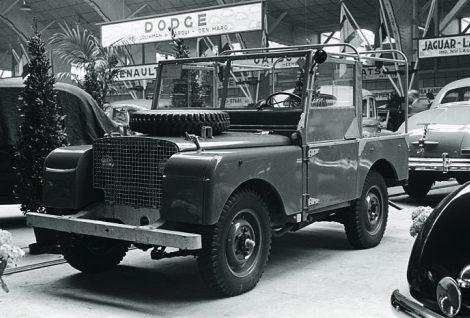
The histories of Jaguar and Land Rover emerged from the very different industrial landscape of the United Kingdom. Jaguar traces its origins to the Swallow Sidecar Company, established in 1922, while Land Rover launched its first vehicle in 1948. One became synonymous with sporting performance and elegant design; the other with utility, endurance and the ability to travel beyond conventional roads.
For Tata, the acquisition presented an opportunity to participate in a mature global luxury market. For Jaguar and Land Rover, it brought a new long-term owner to support their next phase of development.
Distinct stories
The Range Rover continues to be a powerhouse in the stable; introduced in 1970, it established a new proposition – a vehicle equally at home crossing difficult terrains and arriving at a city address in style.
The distinctive silhouette, floating roof, clamshell bonnet and continuous waistline have evolved across generations without losing their essential character. Range Rover’s interpretation of luxury has since moved beyond materials, finishes and mechanical performance. Craftsmanship is visible in the selection and treatment of materials. It also encompasses bespoke finishes and configurations.
Under its Reimagine strategy, JLR announced plans in 2023 to invest £15 billion over five years, for electrification, digital technologies and the transformation of its existing facilities.
At the Halewood manufacturing plant in Merseyside, JLR has prepared the facility for electric vehicle production. At Solihull, the historic home of Range Rover, production facilities have also been adapted to accommodate electric models alongside existing powertrains.
JLR’s approach has been to develop dedicated electric vehicle platforms while retaining flexibility where markets require it. Its Modular Longitudinal Architecture, which underpins Range Rover and Range Rover Sport, accommodates different powertrains. Its Electrified Modular Architecture is intended for a new generation of medium-sized electric luxury SUVs, while Jaguar is pursuing electric architecture for its own reinvention.
Sustainability also extends beyond the powertrain. JLR’s ambition is to achieve carbon net zero across its supply chain, products and operations by 2039, which will require progress across materials, manufacturing, energy use and the wider supply network.
A new architecture
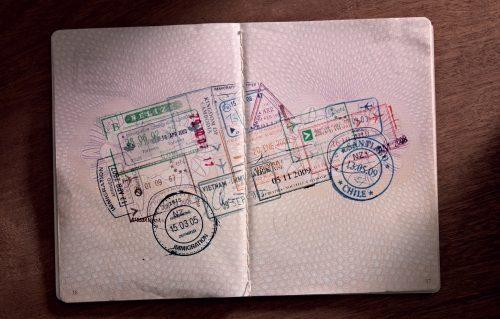
Jaguar and Land Rover have never represented the same idea of British automotive excellence. Their continued distinction is part of their value.
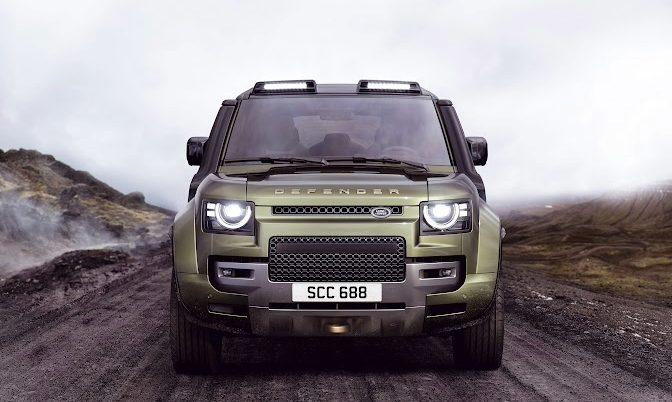
Land Rover’s portfolio has developed around capability and versatility, with Range Rover interpreting those qualities through luxury, Defender through durability and adventure, and Discovery through family-oriented utility. Jaguar’s heritage is rooted in performance, sporting proportions and the relationship between form and movement.
JLR’s move towards four distinct brands is intended to sharpen these identities and give each room to develop its own interpretation of modern luxury. The Type 00 concept, unveiled in December 2024, is a departure from the brand’s familiar style. Its dramatic proportions and all-electric direction were presented as a return to Jaguar’s founding spirit of originality. So too with the Type 01, launched this October.
If the task for JLR is to translate their individual British identities into products that resonate internationally without becoming indistinguishable from other premium offerings, for Tata, the opportunity is to provide the investment and global perspective required for this.
At its core, this is a relationship between an Indian industrial group with deep manufacturing roots and two British marquees with an abiding legacy. The measure of stewardship is not whether a brand remains exactly as it was, but whether it retains its character as it reimagines the future.