For years, Sandeep Sarkar has chased a shadow through the forests of India. He has visited the same forests many times, hoping to photograph a black panther, whose dark coat makes it exceptionally difficult to spot. When the opportunity finally came in Assam, he drove all the way from Kolkata, unwilling to risk missing his chance.
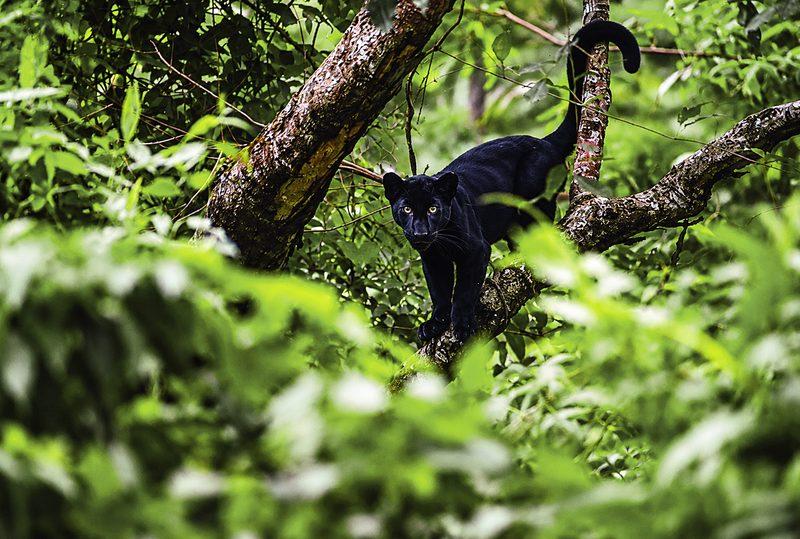
He arrived at Manas National Park at around 5pm, picked up his camera and headed straight for a tea garden adjoining the forest from where he had received reports of a sighting. Before he knew it, he spotted the animal sitting in a tree.
All it took was 15 minutes; 15 minutes and the years of patient waiting that came before it.
For Sarkar, the encounter reflects the spirit of his pursuit: chasing India’s elusive big cats, from the rocky landscape of Jawai Bera in Rajasthan to the forests of the Northeast, in search of animals that are as beautiful as they are challenging to photograph.
India has an estimated 13,874 leopards, according to its last national population assessment. Yet their numbers offer little assurance to a photographer hoping to find one. Predominantly nocturnal and masters of camouflage, these cats can disappear into undergrowth or remain almost invisible among tree branches.
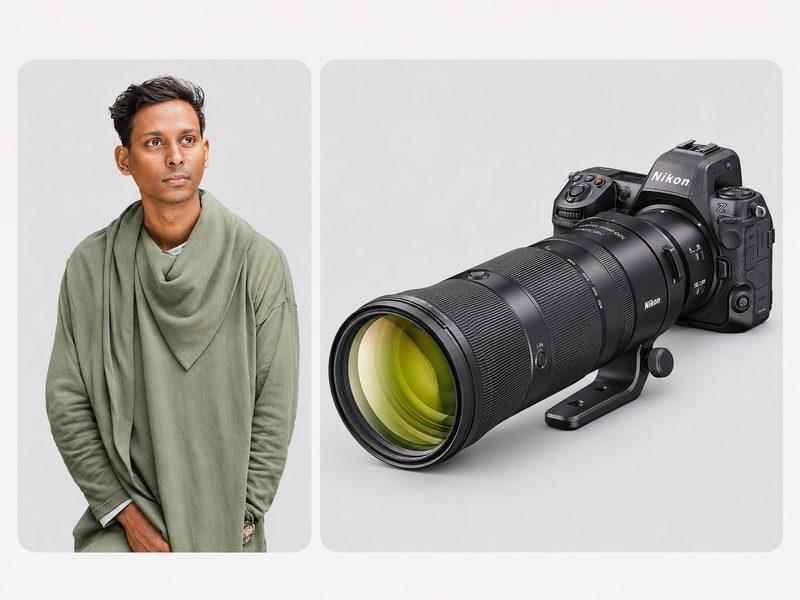
“I always wanted to see a leopard, but they were so difficult to spot,” says Sarkar, fashion consultant and educator, fashion and wildlife photographer who also conducts small-group guided tours. Tigers, he explains, are easier to track because their movements can be followed through the forest. Despite frequently popping up in urban locations, leopards are far more difficult to trace, and it is this mystery that has sustained his fascination.
Sarkar’s interest also has a literary connection. Reading naturalist Jim Corbett’s account of the man-eating leopard of Rudraprayag prompted him to think more deeply about how these animals function in the forest. Their elusive habits became a subject he wanted to understand as much as photograph.
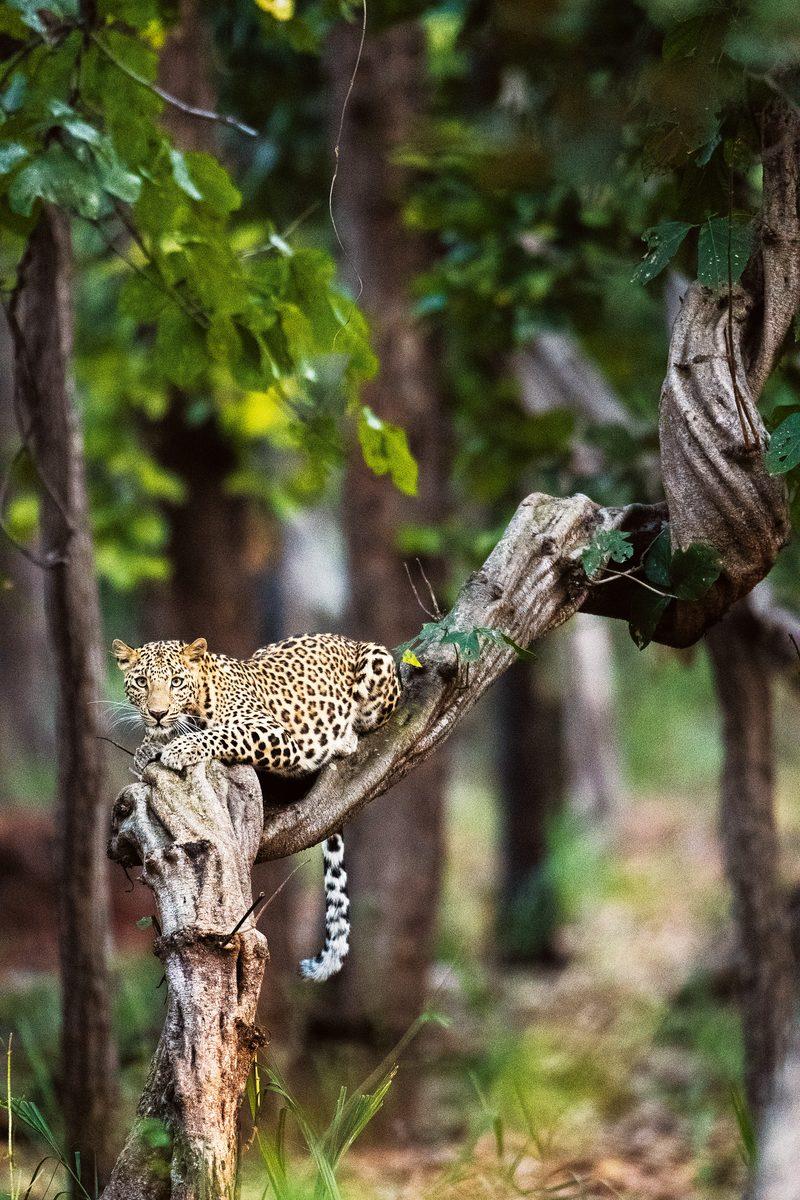
There is an aesthetic dimension, too. Sarkar finds leopards particularly rewarding subjects because of the way they interact with their surroundings. A cat stretched across a branch, basking in the sun or blending into tree bark offers opportunities for striking compositions.
Sharing spaces
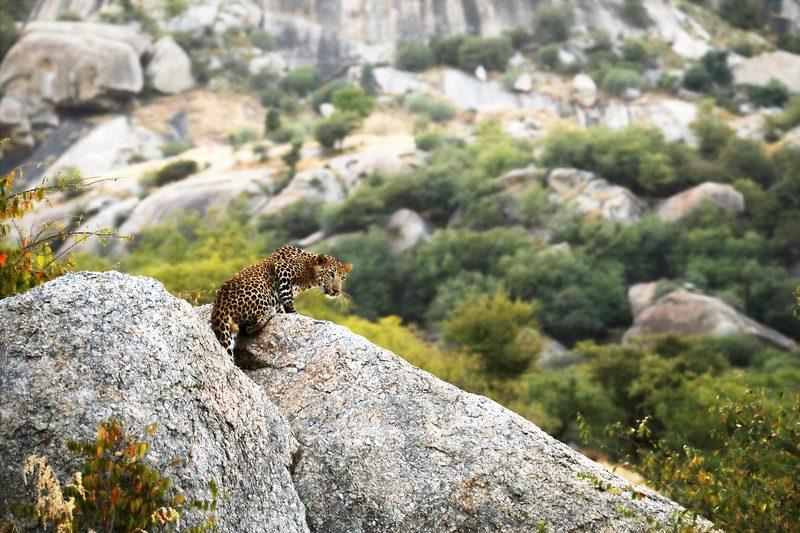
There is good news, however, for hopeful photographers. This elusiveness is surprisingly missing at one leopard location: Jawai, in the Pali district of western Rajasthan. The rocky terrain is the perfect place for photographers hoping to capture a leopard. Unlike a conventional national park or wildlife sanctuary, Jawai is a landscape of villages, scrubland and dramatic granite hills, where people and wildlife live in close proximity.
The rocky formations provide natural shelters and vantage points, allowing the cats to move through the landscape and rest in crevices, often within sight of human settlements. This unusual coexistence has made Jawai one of India’s best-known destinations for sightings.
Sarkar spent three or four days in the region. The frequency of encounters surprised him. “Over three or four days, I probably saw seven or eight leopards at different times,” he recalls.
The terrain offered striking photographic possibilities, with the cats appearing against rock faces, among boulders or moving across open ground.
But Jawai’s appeal extends beyond the prospect of a good photograph. It offers a glimpse of how a large predator can adapt to a landscape shared with people, making coexistence an essential part of its story.
The ghost of the forest
If Jawai offers relatively frequent sightings, finding a black panther is an altogether different proposition.
A black panther is not a separate species from the panthera pardus but a melanistic leopard, its dark colouring resulting from an excess of pigmentation. Its characteristic rosettes may still be visible in the right light, but the coat makes the animal particularly difficult to distinguish in dense vegetation.
Sarkar’s long-awaited opportunity came in Manas, where a female black panther and her two black cubs had been seen moving between a tea garden and the adjoining forest. Upon receiving this news, unable to secure the train or flight arrangements he needed, in the heat of the moment, Sarkar decided to drive for over 20 hours from Kolkata to Assam. He reached the area in the early evening and went straight to the site, not even stopping to check into his hotel.
His dedication was richly and rapidly rewarded.
The thrill of the search
Leopards are among India’s most adaptable large predators, inhabiting forests, rocky scrubland and areas close to human settlements. They prey on animals ranging from smaller mammals and birds to ungulates such as sambar and chital deer. Their adaptability also brings them into conflict with people as settlements and agriculture expand into wildlife habitats.
Karnataka and Maharashtra are home to the largest numbers, but you can never count on spotting them in the wild. That’s the enduring appeal for photographers like Sarkar: the challenge of finding these animals in their natural surroundings.
Aside from the clouded leopard in Sarkar’s sights, there are other spotted challenges to pursue. Further north, the snow leopard inhabits the high-altitude mountains of Ladakh and other parts of the Himalayas. The stunning animal with a lighter coat is endangered, and with less than 6,000 animals estimated to remain in sometimes extreme habitats, it is reputed to be the hardest of all to sight or capture.
For the wildlife photographer, the quest is never complete. There will always be another forest to explore and another animal to seek, waiting for the moment when patience and luck finally converge, and a majestic creature steps into view.
WHERE TO PHOTOGRAPH INDIA’S BIG CATS
Sightings are never guaranteed, but knowing where to look is part of the adventure.
1. Jawai, Rajasthan
You may encounter: Leopard (Panthera pardus)
Best time: October–March
Landscape: Granite hills, scrubland and rural settlements.
2. Manas National Park, Assam
You may encounter: Leopard; rare possibility of a black panther (a melanistic leopard)
Best time: November-April
Landscape: Dense forests, riverine areas, tea gardens
3. Tripura and other Northeastern hills
You may encounter: Clouded leopard (Neofelis nebulosa)
Best time: No established season; best to consult local experts
Landscape: Tropical forests, wooded hills, highlands.
4. Ladakh and the Himalayas
You may encounter: Snow leopard (Panthera uncia)
Best time: October-March
Landscape: High-altitude mountains, rocky slopes and snow-covered valleys.
5. Kabini and Nagarahole, Karnataka
You may encounter: Leopard; rare possibility of a black panther.
Best time: March-May
Landscape: Tropical forests, riverine habitats and the Kabini backwaters.
6. Satpura Tiger Reserve, Madhya Pradesh
You may encounter: Leopard (Panthera pardus)
Best time: March-May
Landscape: Forested hills, sandstone formations, ravines and riverine habitats, rock faces
Wildlife photography demands patience, respect for natural habitats and an understanding that the animal, not the photograph, comes first.