
Why does one story disappear almost as soon as we close the book, while another follows us for years? A character returns unexpectedly. A line surfaces during a difficult moment. A book read long ago seems to explain something we have struggled to put into words.
That question was part of what drew Susan McLaine towards bibliotherapy. She was studying writing and literature and teaching literary studies at Victoria University, Melbourne, when she began exploring how literature had been used beyond conventional literary study. She found that teachers, librarians, psychologists and others had explored the possibility that stories could help people make sense of themselves and the world.
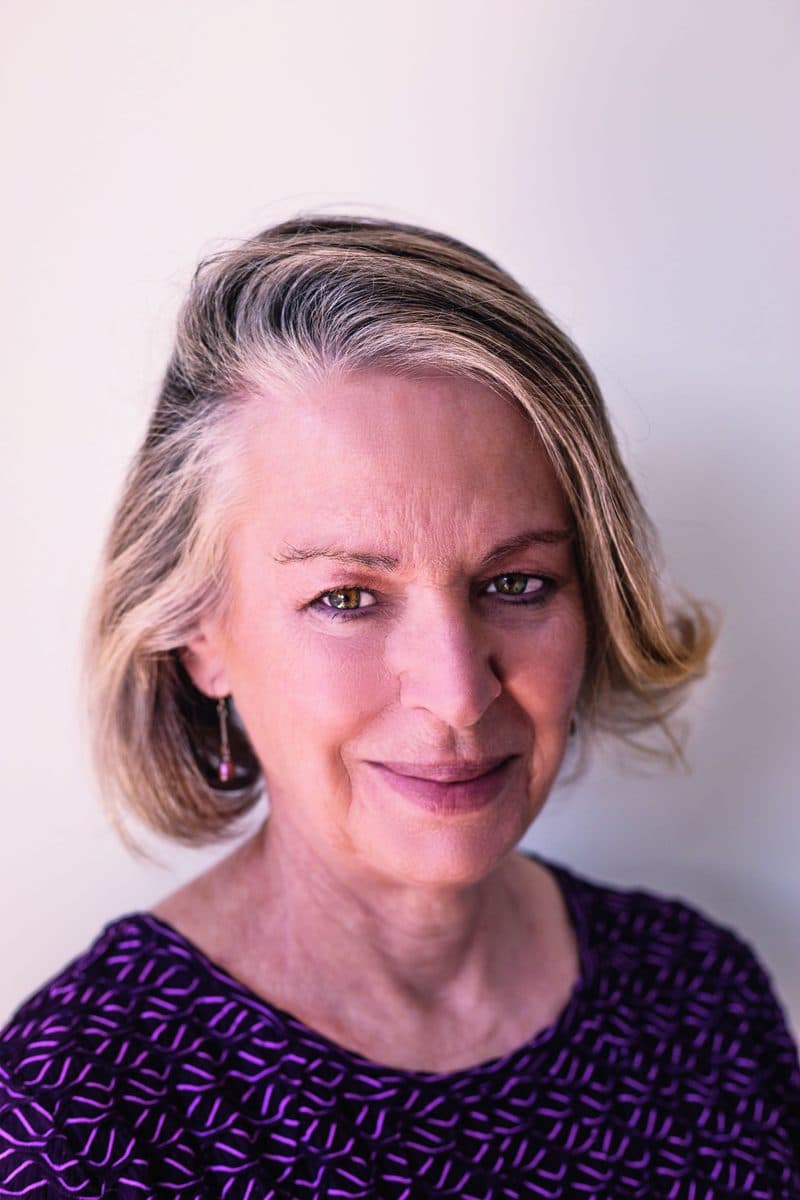
This eventually led to her doctoral research and the development of what she calls “heart-centred bibliotherapy”. It differs from the version of bibliotherapy most people might imagine, in which a psychologist or counsellor might recommend a particular book to someone to help with difficulty they are experiencing.
“Mine is the intentional use of stories and poems and other literary texts to support reflection, connection and wellbeing,” she says. The aim is not to make literature solve a problem. It is to use the encounter with a story to help people notice their own responses more closely. A session may begin with a carefully selected poem, short story or extract, often read aloud. Participants are not expected to have studied it in advance. Nor are they asked to analyse its structure, debate what the author intended or arrive at the right interpretation.
All they need to do is stay with the text and observe.
“The attention rests on that relationship between the reader and the story,” McLaine explains. In this practice, people are asked to slow down rather than produce an immediate response.
There is no requirement to disclose an anxiety, loss or crisis. “It is not a bibliotherapist’s job to fix someone or offer advice,” McLaine says. Nor does the facilitator decide what the story ought to mean to the person reading it.
The aim is not to make literature solve a problem. It is to use the encounter with a story to help people notice their own responses more closely
McLaine has adapted her selections for very different groups, including work with Vision Australia, people experiencing homelessness and inmates at a maximum-security prison in Victoria.
For someone curious about bibliotherapy, McLaine does not suggest a new reading list. She asks another question: What story has stayed with you?
It could be a novel read years ago, a poem, a character or even a single passage. She suggests returning to it slowly and noticing the sentence or image that draws attention. Instead of immediately asking what it means, become curious about why it has remained.
McLaine has seen this practice alter people’s relationship with reading itself. She noticed the change first in herself, catching how often she could reach the end of a page or chapter without having fully absorbed it. She began going back, rereading, refusing to turn the page simply for the satisfaction of progress.
“Sometimes we think we need to read more,” she says. “This is about reading deeply.”
Books Within Books
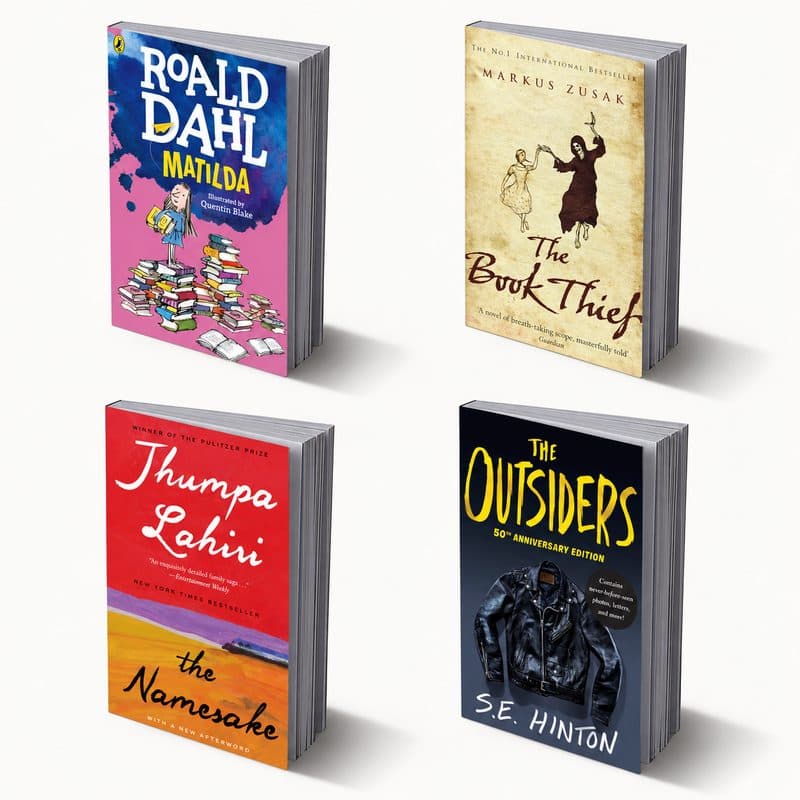
Some stories which examine the theme of self-exploration through fiction
The Namesake (Jhumpa Lahiri): Ashoke gives his son Gogol a collection of Nikolai Gogol’s stories, a gift carrying the hidden story of his father’s past and his own identity.
Matilda (Roald Dahl): Miss Honey identifies Matilda’s hunger for knowledge and gives her advanced textbooks to nurture her abilities.
The Book Thief (Markus Zusak): Hans Hubermann teaches Liesel Meminger to read and gives her books during the darkest years of Nazi Germany.
The Outsiders (S.E. Hinton): Johnny Cade gives Ponyboy a copy of Gone with the Wind, which becomes a shared refuge for two young boys to comprehend courage, loyalty and belonging.