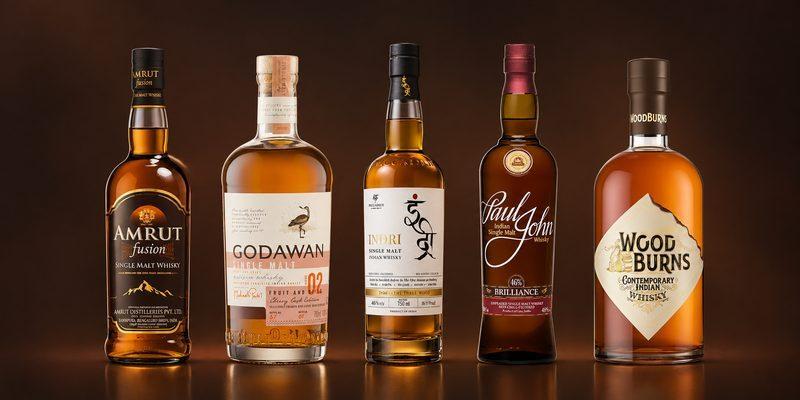
India’s whisky landscape has come a long way. What I find particularly interesting is that Indian whiskies are developing a character of their own. We don’t necessarily make the lighter styles you might associate with Scotch. In India, we generally move towards bolder flavours. I think that is one of the interesting things about our whisky-making. These are five Indian whiskies I enjoy, each for a different reason.
Amrut Fusion, Karnataka
For: A well-balanced whisky with a gentle smokiness
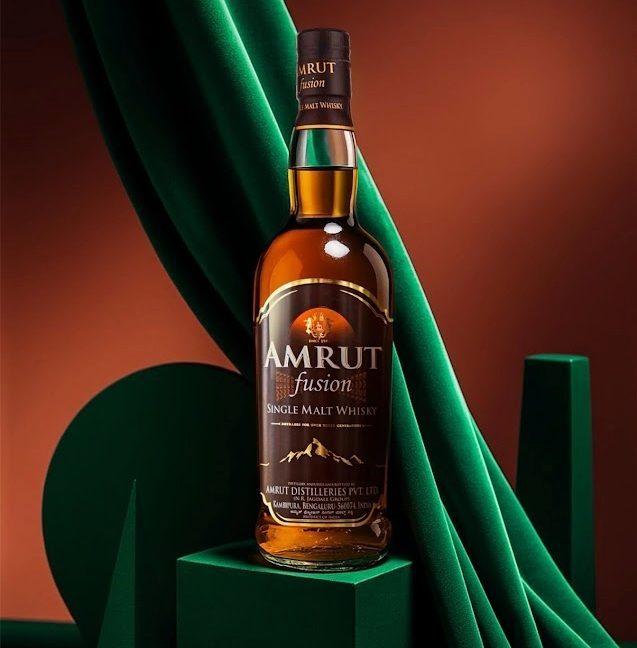
I think the beauty of Amrut Fusion lies in its balance. You get a bit of smokiness and bitterness though it’s more inclined towards caramel and sweet. Somewhere in the background, there is a touch of wood too. It’s nice and smooth with a gentle finish. Produced in Bengaluru, Amrut Fusion is a good introduction to what Indian single malt can offer.
Paul John Brilliance, Goa
For: Those who enjoy a pronounced spice character
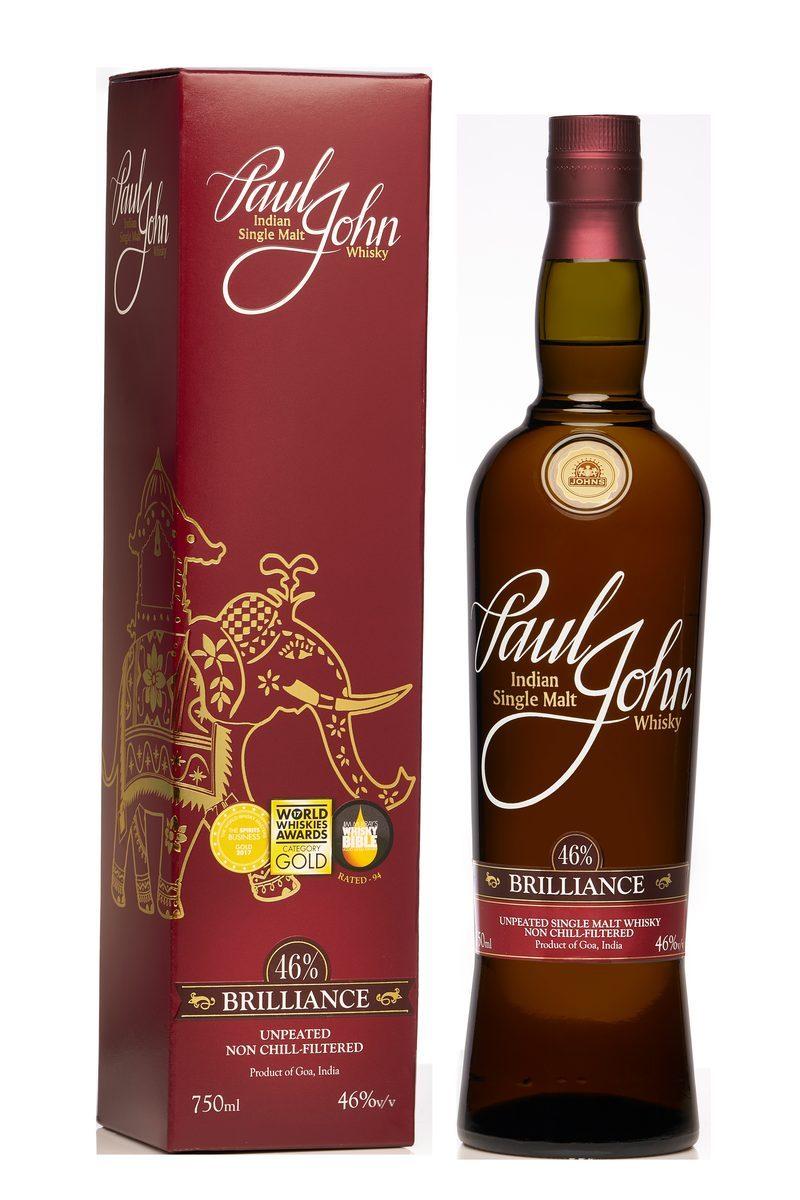
Paul John Brilliance has a lovely caramelly touch, but what stands out for me is its representation of spice. You get cinnamon, a slightly malty character and, most importantly, a prominent expression of spice. When you talk about India, you do expect some amount of spice in the whisky. But the good thing is the spice doesn’t overpower. It is rich, well-balanced and has all the characteristics a whisky drinker looks for. Produced in Goa, I think it is a very nice representation of what Indian whisky can be.
Godawan No. 2, Rajasthan
For: A gentle ginger-spice character and a meaningful story
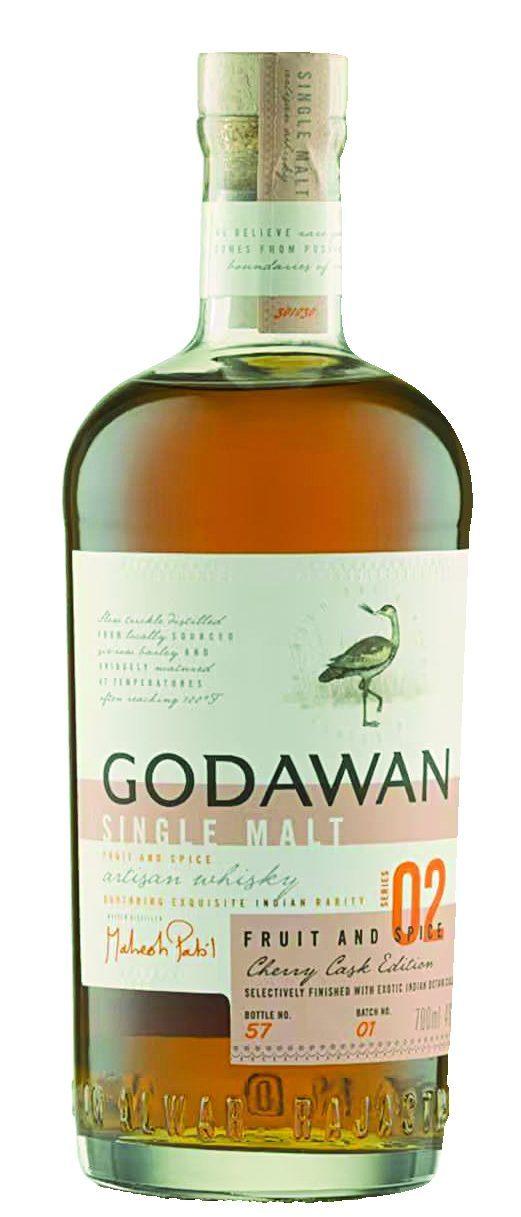
There are two expressions in the Godawan, but the one I prefer is Godawan No. 2. This has a touch of spice too, but it’s fruity. And when I say spice, I mean this nice gingery character. Godawan also has an interesting story. It is named after Godawan, or the Great Indian Bustard, an endangered bird found in Rajasthan. A portion of the revenue generated from each bottle goes towards the conservation of this bird so there is an effort to support India’s fauna. It is also interesting that this Indian whisky has been created and marketed by the global spirits giant Diageo. It brings together an Indian identity and a global approach to brand-building.
Woodburns, Goa
For: Whisky drinkers who enjoy a more pronounced smoky character
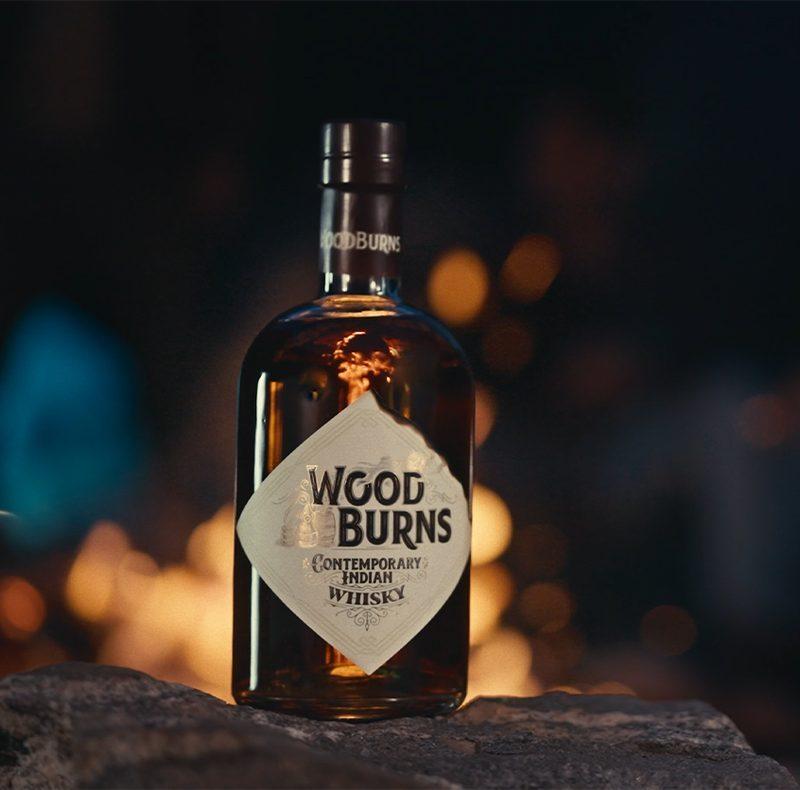
Woodburns is perhaps not as popular as Amrut, Paul John or Godawan, but I think it is a great whisky. What I enjoy most is its smokiness. To me, it has some resemblance to a Macallan in its character. It is oaky and resinous, with a slight touch of malt. It has a distinctive personality and is worth exploring, especially if you enjoy a whisky with a little more depth and smoke.
Indri-Trini, Haryana
For: A full-bodied whisky with the complexity of triple-cask maturation
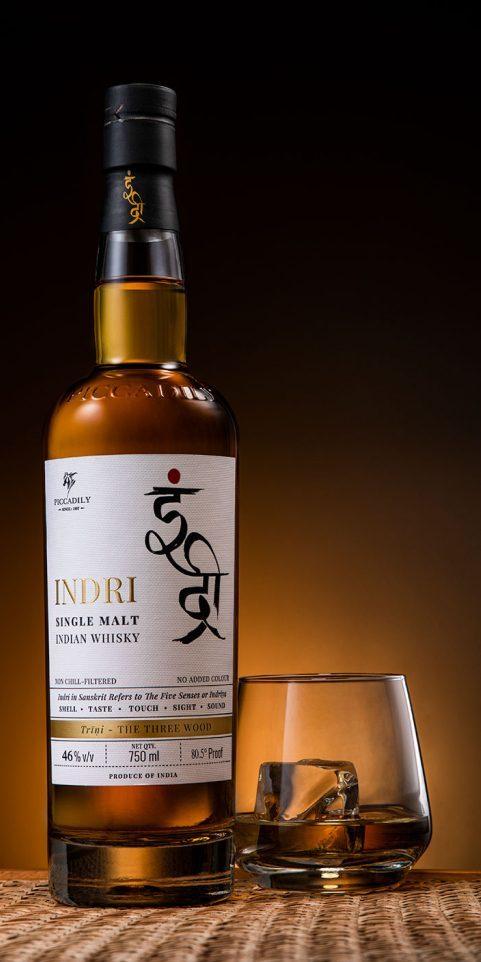
Produced at Indri in Haryana, not far from Karnal, the Indri-Trini is one of the most awarded Indian whiskies in the world. The name Trini refers to its triple-cask maturation. Unlike the conventional way of maturing whisky in bourbon casks and then finishing it in sherry casks, Indri-Trini uses three cask types — bourbon, French wine and Spanish sherry. The oaky vanillin notes come from bourbon, the French wine casks bring hints of honey and pineapple and the Spanish sherry casks add resinous character and cinnamon spice. The result? A full-bodied whisky with depth of flavour and colour.
AT THE CROSSROADS
From the vantage point of Changi Airport, one of the world’s busiest international travel hubs, Jenn Nguyen Thi Tram Anh, a single malt consultant, sees both the promise and the challenges facing Indian whisky. “Indian whisky has a lot of room to grow, but there are some interesting expressions to begin exploring. Amrut, Indri and Paul John are the three names that come to mind,” says Jenn, adding that at Changi, Indian whisky still attracts a niche audience, largely Indians living overseas.
For Indian whisky to reach a wider international audience, creating its own identity is important, she feels. “Scotch has established itself through its product and marketing; Japanese whisky through experimentation. India, with its vast resources and heritage, has an opportunity to do the same. The question is: what makes Indian whisky unmistakably Indian?”
(as told to Karo Christine Kumar)