Key Highlights
- Kashmiri shawls are as precious as heirlooms, a reminder of what Kashmir used to be
- The Kani shawl takes its name from the tiny wooden bobbins used in their making
- When the entire surface of the fabric is covered with Kani, it is known as a Jamavar Shawl
- The Sozni shawl has delicate needle embroidery
- For celebrations, the Tilla shawl has glittering gold or silver threadwork, done using five fingers
- The Doshala, or ‘twin shawl’ is an identical pair woven back-to-back, so that it has no wrong side, no matter which way it falls over the shoulders
- Both the Kashmiri pashmina and the handwoven Kani shawl now have formal Geographical Indication (GI) tags
- For decades, Kashmiri shawl-walas would travel the length and breadth of India, arriving at doorsteps bearing heavy cloth bundles wrapped tightly on their backs, from which they would produce one finely woven shawl after another
When the crisp air of autumn makes itself known, it’s time to bring out the woollens. And if the home is Indian, wherever in the world it might be, the steel trunk, wooden chest or wardrobe will always have a Kashmiri shawl. Or two. Or more.
Now, if the home is Kashmiri, the shawls take on much more meaning. For us, a shawl is an heirloom, witness to marriages and births, as well as lived in, every day. You might find tiny holes with charred edges in the most exquisite Jamavar — memories of long-ago embers from a kangri, the portable fire pot that Kashmiris carry to keep themselves warm.
Shawls also represent the syncretic world that Kashmir once was. The masterful fingers coaxing magic out of raw wool belonged primarily to our Muslim brothers, while the karkhanas (workshops) were historically owned by Hindus. This collaboration created an enduring legacy that was part of our shared identity and ethos — kashmiriyat as we call it. This legacy still resides in the fine weaves such as the now-banned ‘toosh’ (shahtoosh) and pashmina, the tapestry weaves and the exquisite embroidery forms.
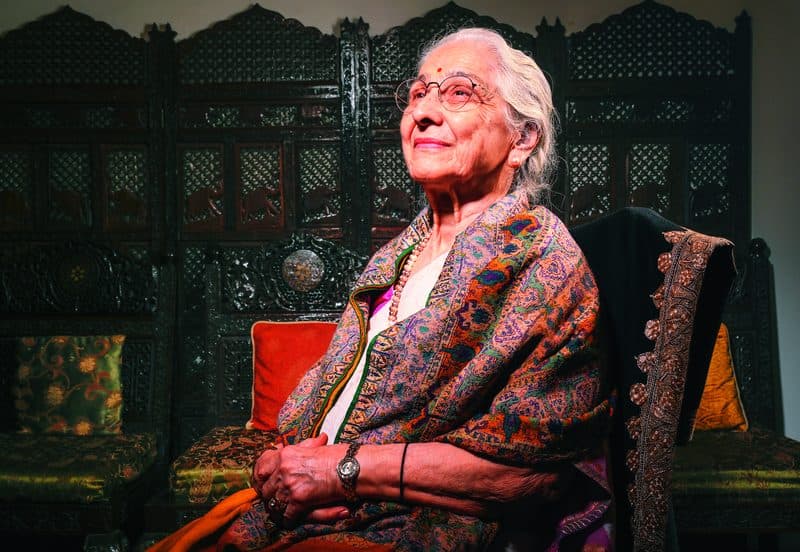
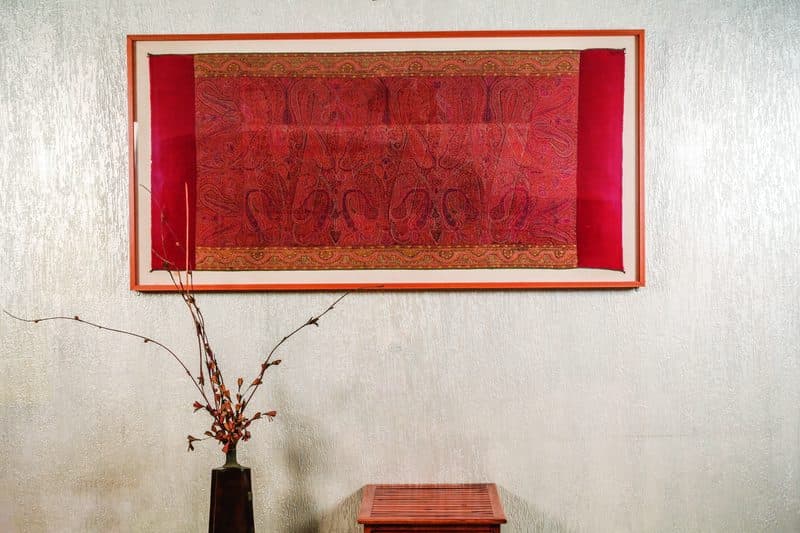
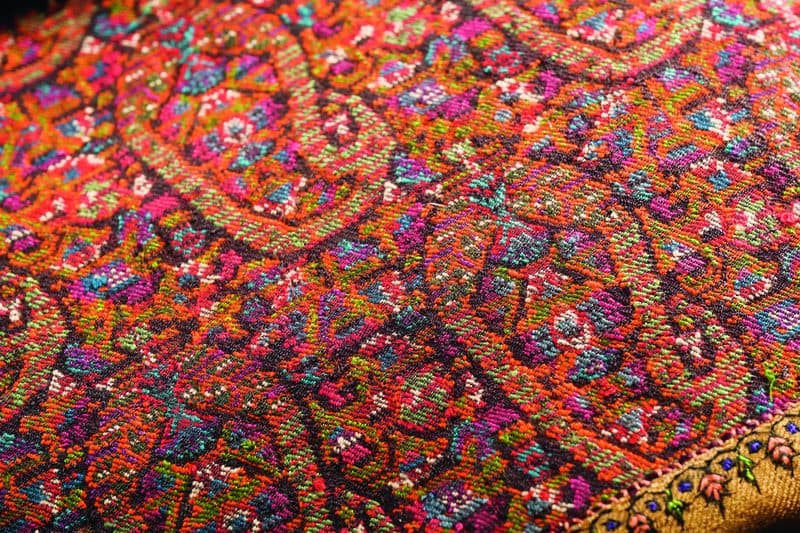
Let’s talk first about the Kani shawl. This is woven with tiny wooden bobbins called kanis and requires almost unimaginable patience. A single shawl takes a master-weaver years to complete, following a coded script called the talim which works as a blueprint, breaking down a complex visual design into line-by-line instructions, using a secret language of symbols developed over centuries. When the entire surface of a fabric is covered by Kani, it becomes the legendary Jamavar: jama, or garment, and var, or yard.
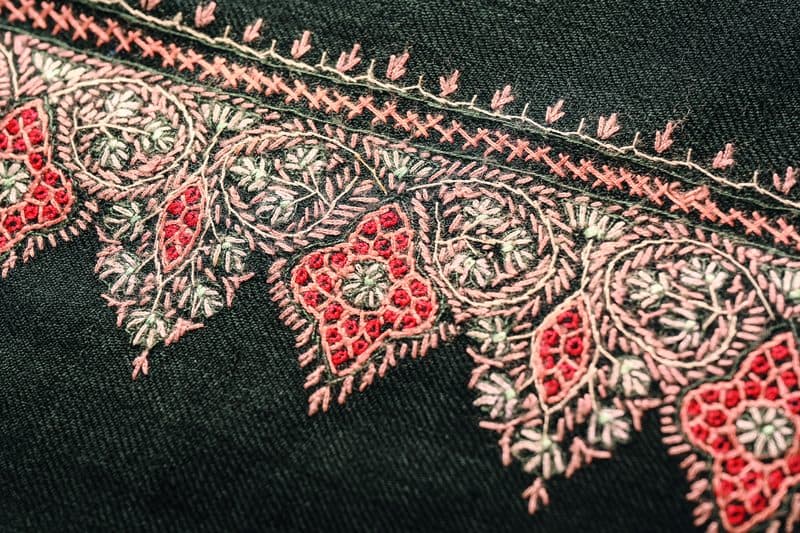
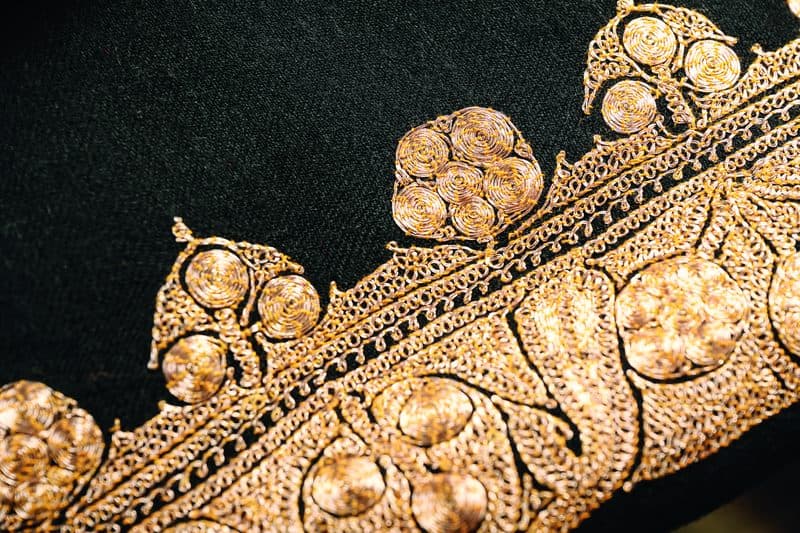
But the most well-known might be the Sozni, the ethereal needle-embroidery so delicate that it seems to bloom naturally from the fabric itself. For celebrations, we have the Tilla — glittering gold or silver thread done by five fingers. This results in a regal weightiness that finds pride of place in trousseaus.
Traditionally in Kashmir, status was never measured in gold or diamonds. Instead, the currency of prestige was in the depth and number of shawls handed down. Prime among these was the Doshala, or ‘twin shawl’. An identical pair woven back-to-back, a true Doshala had no wrong side — whichever way it fell over the shoulders, only the breathtaking face of the weave was visible. A Doshala was one way of ensuring a daughter entered her new home with dignity.
But today’s shawls tell a changing story. Design, fabric purity, and execution all mirror economic pressures and aesthetic shifts. Older Kani shawls had surfaces like rich tapestry blooming with flowers and winding vines. The mango or boteh, or paisley, was a primary motif. Today, we see blooming damask rose-like motifs dominating the shelves.
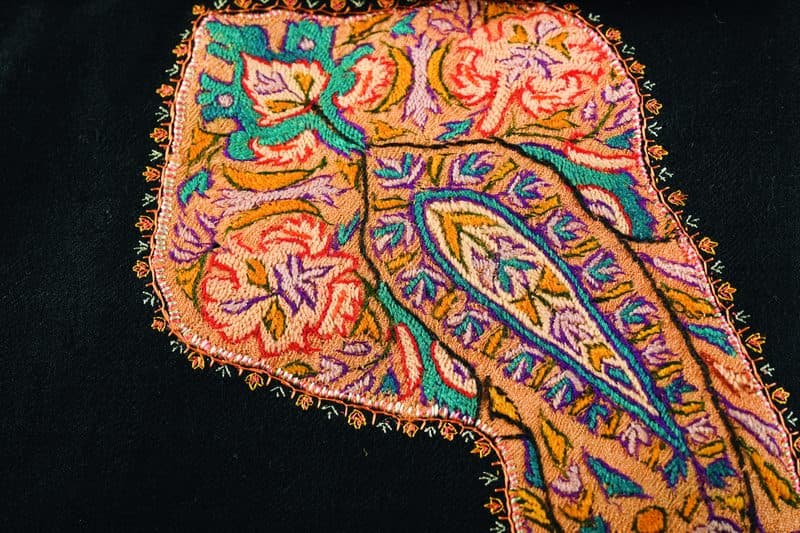
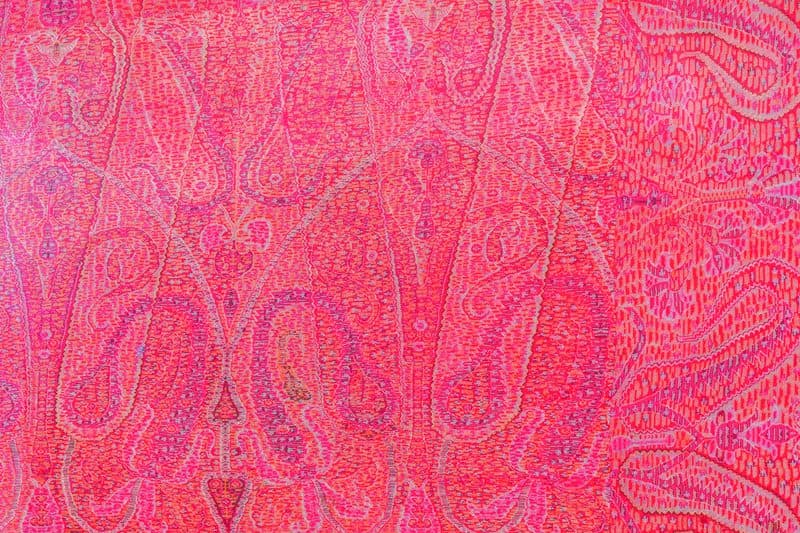
In Sozni, while the iconic leaf of the Chinar tree remains ubiquitous, its interpretation has changed. Today’s work is perhaps cleaner, and definitely more rapidly executed, but misses the dizzying density of the antique pieces. And perhaps, the heart as well.
Then there is the fabric. One cannot deny that it’s been compromised. The highest quality pashmina relies on hand-spinning to yield an incredibly soft, lightweight weave. Unless a piece is commissioned — the customer pays upfront for the pure fibre — commercial pieces are increasingly half-and-half blends. Power loom imitations use synthetic nylon warps or machine-spun wool.
The colour palette, too, has undergone a dramatic transformation. The shawls that nestled in the trunks of our grandmothers and great-grandmothers were single-toned, usually the undyed colour of the fleece. A serene jade was common. Perhaps because the gemstone, known locally as yashab, was much prized. Today, the colour palette has expanded, sometimes obscuring the textile’s organic dignity. The GI tag, however, seems to be a step in the right regulatory direction. As a response to a marketplace flooded with over 90 per cent fake ‘pashmina,’ the Government of India has put legal mechanisms in place to safeguard the craft’s provenance. Both the Kashmiri pashmina and the handwoven Kani shawl now have formal Geographical Indication (GI) protection.
445,000 registered artisans and weavers across the Kashmir Valley
$122m to $187m AUD
Total value of annual handicraft exports from J&K
$53m AUD
The share of woollen and Pashmina shawls via direct, official channels
But no conversation on Kashmiri shawls is complete without a mention of the much-loved itinerant Kashmiri shawl-walas — over decades the valley’s connection to the rest of India. Long before plush showrooms it was the shawl-wala who brought this artistry to us. They would travel across the length and breadth of India, arriving at doorsteps bearing heavy cloth bundles wrapped tightly on their backs.
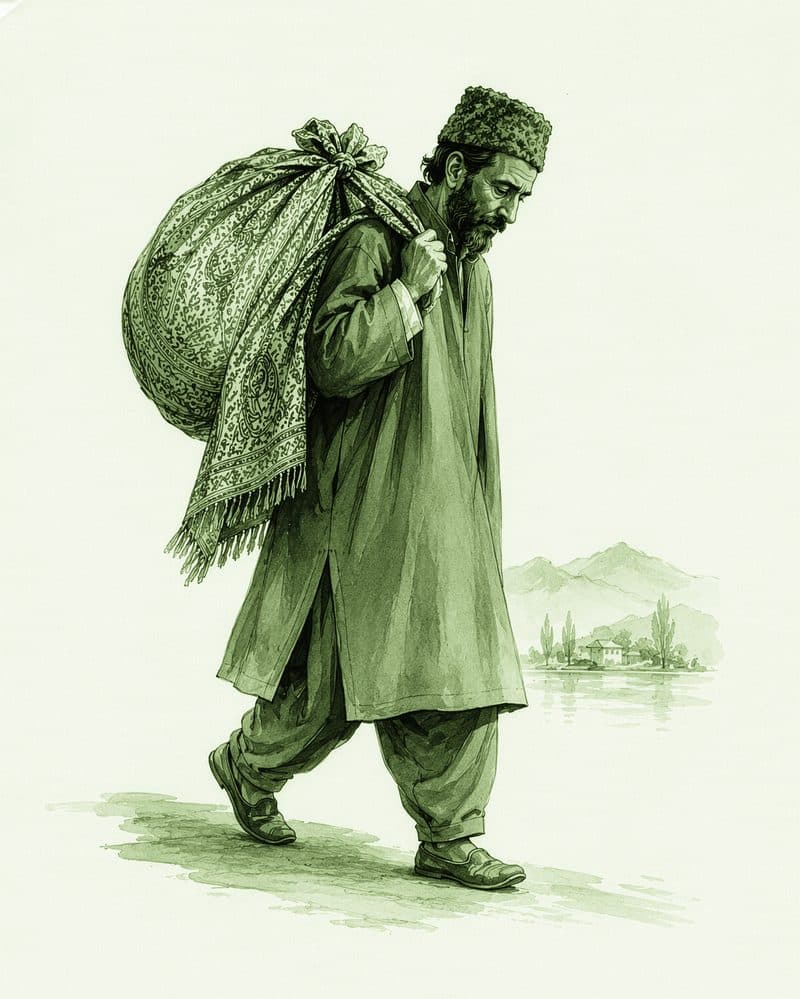
I remember the entire household gathering around to see what treasures he had brought us this time around. He would sit on our living room floor, untie his bundle and throw open shawl after shawl with a flourish, accompanied by a melodious narration. He was custodian and teacher, instructing us in tactile differences, in craftsmanship and in artistry. He brought Kashmir to us. Tucked inside those bundles were also small packets of fresh walnuts and jars of fragrant saffron. The quantity (and quality) you received was an unspoken index of your relationship.
Today, wearing those textiles, framing them for the wall, documenting them and searching for new, authentic ones is an act of care. One can walk into grand retail stores and buy a piece off the rack in five minutes. But it will be shorn of history, without the lived knowledge that can only be understood when a shawl-wala opens his bundle and shares the sorrows and triumphs of his artisans.
And for the Kashmiri Pandit heart, the shawl remains our greatest anchor. When we open those chests, the smell of naphthalene is overtaken by the lingering memory of a mountain breeze. The warp and weft of the shawls speak of a homeland that once was, the last threads tying us to that land. As we unfold the fabric and wrap it around ourselves, the lingering shadow of displacement dissolves in a warm embrace that binds our past to our present.
What are the different kinds of Kashmiri shawls?
What are the different kinds of Kashmiri shawls?
Kani shawls, Jamavar, Sozni, Tilla and Doshala are some of the various kinds of Kashmiri shawls.
Are Kashmiri shawls GI-tagged?
Are Kashmiri shawls GI-tagged?
The Kani shawl, which is one kind of Kashmiri shawl, received its GI tag in 2008.
Does Kashmiri Pashmina have a GI tag?
Does Kashmiri Pashmina have a GI tag?
Yes, Kashmiri Pashmina received a GI tag in 2005.
What makes Pashmina expensive?
What makes Pashmina expensive?
The highest quality pashmina relies on hand-spinning to yield its trademark soft, lightweight weave. This is what makes it expensive.
What is the importance of Kashmiri shawl-walas?
What is the importance of Kashmiri shawl-walas?
Kashmiri shawl-walas can be credited with introducing the rest of India to Kashmiri shawls. They are the ones who would travel the length and breadth of the country, arriving at doorsteps bearing heavy cloth bundles, from which they would produce finely woven shawls.