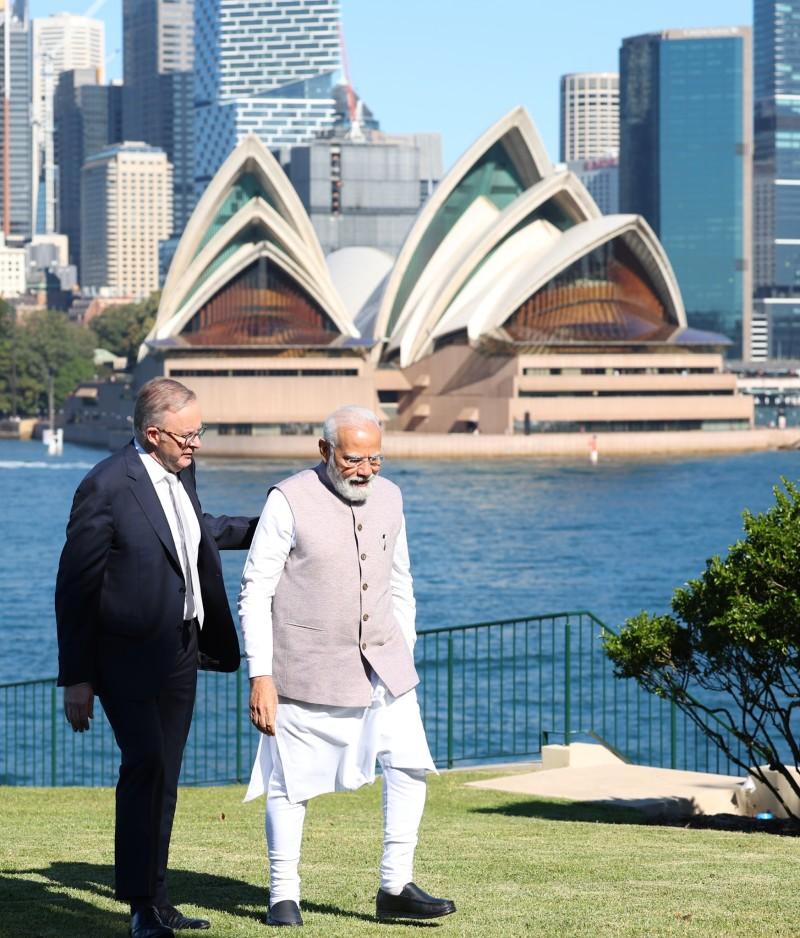
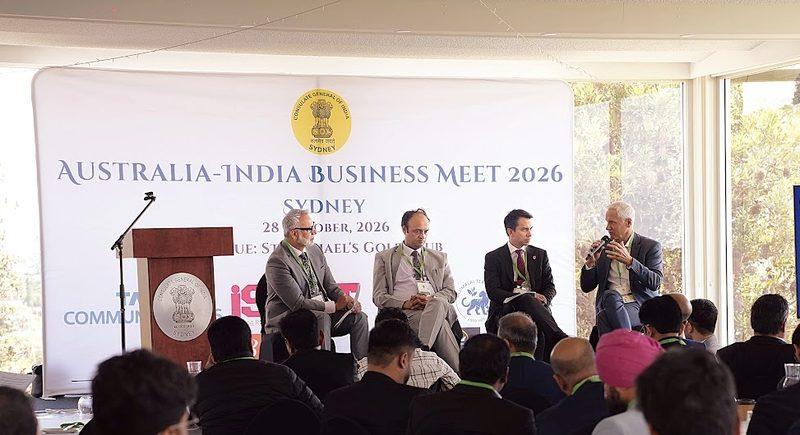
The harbour city of Sydney recently played host to a diplomatic and commercial convergence that could reshape the economic relationship between India and Australia. Held from October 28 to 30 and hosted by the Consulate General of India in Sydney and Adelaide, the 2nd Australia–India Business Meet convened a cross-section of senior government representatives, policymakers, business and industry leaders, investors, technology innovators, entrepreneurs and representatives from research institutions and industry bodies across Australia and India. Discussions spanned trade, investment, advanced manufacturing, emerging technologies, energy, critical minerals, cross-border commercial partnerships, reflecting the growing breadth and depth of the bilateral economic relationship.
For decades, economic ties between Australia and India were viewed through a relatively narrow lens of commodity exchange — coal, wool and educational services moving across oceans in predictable, transactional patterns. But as shifting geopolitical realities and strained global supply chains test the resilience of Western and Asian economies alike, both nations are recognising the need for more integrated economic architecture. The meet set a bold new benchmark to scale mutual trade and investment toward a $100 billion milestone.
Bridging historical information asymmetries
A recurring theme was the need to dismantle legacy mindsets. For years, economic perceptions between the two nations lagged significantly behind reality. While Australia maintained a sophisticated technological and research ecosystem, its understanding of India often remained anchored in outdated stereotypes of a developing market.
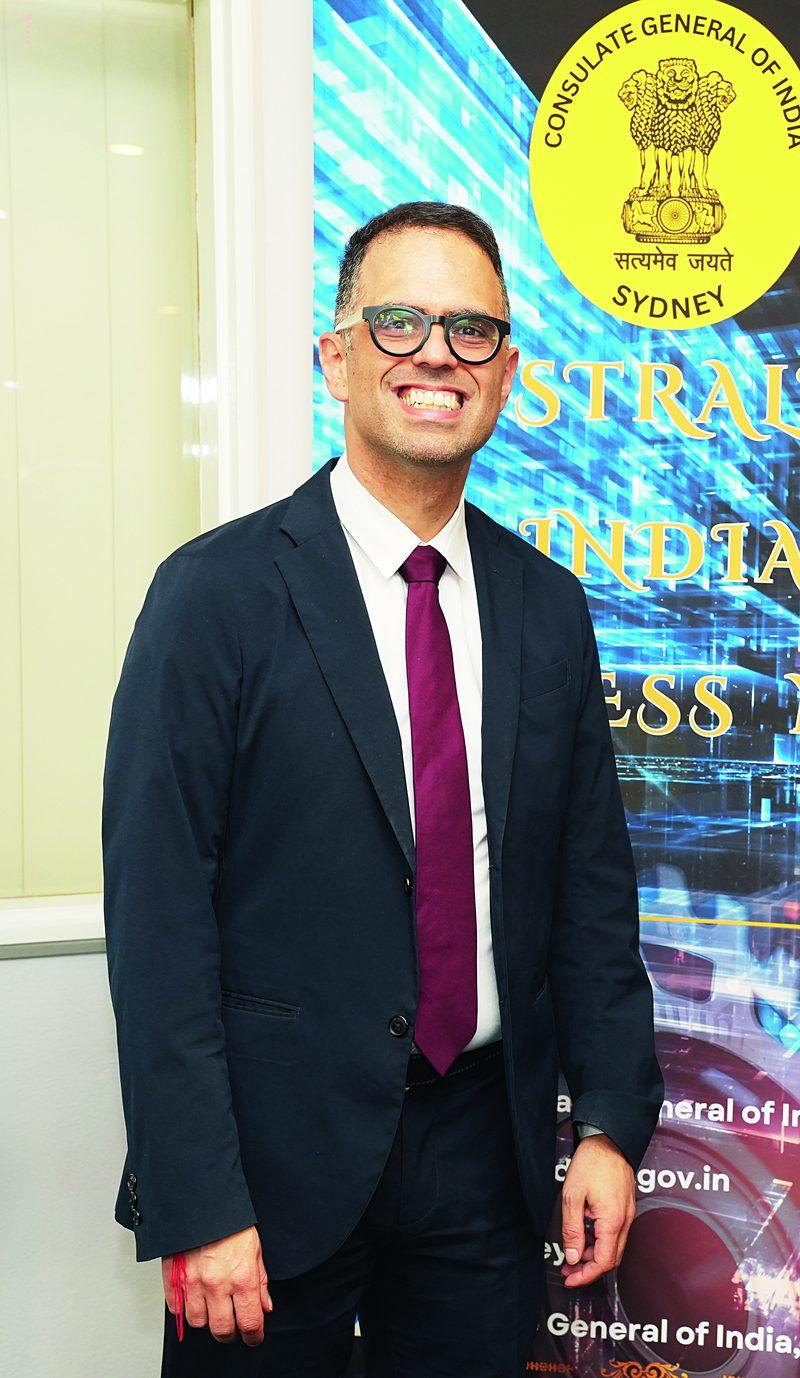
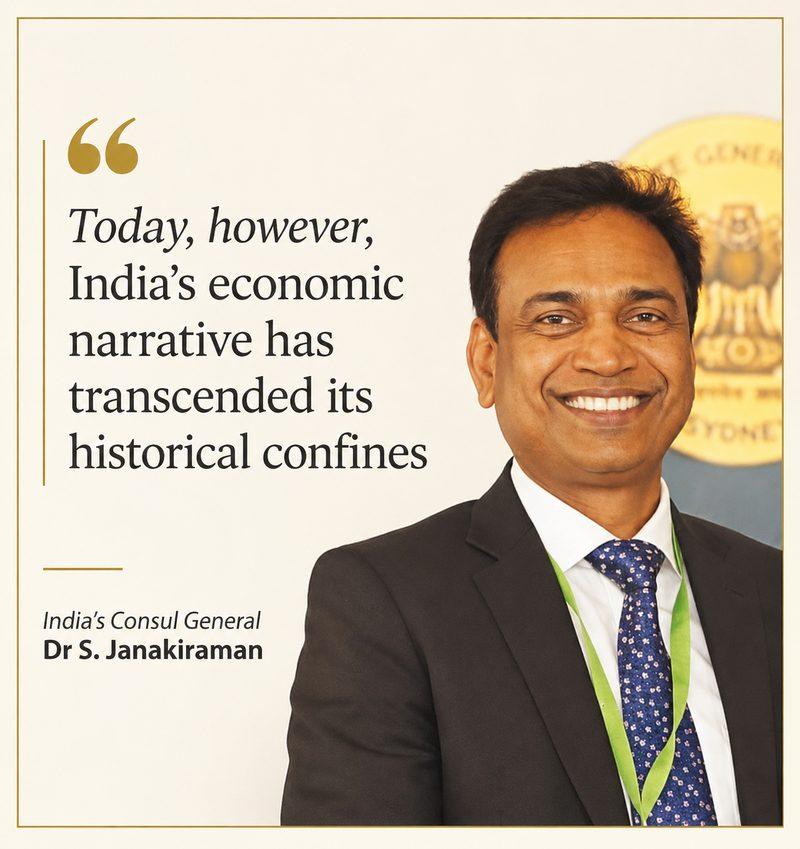
Addressing this head-on, India’s Consul General Dr S. Janakiraman noted, “The foundation of the current engagement is rooted in correcting historical information asymmetries. For decades, economic perceptions between the two nations lagged behind reality. Today, however, India’s economic narrative has transcended its historical confines, evolving into a powerhouse encompassing both massive domestic growth and robust international integration.”
The meet combined high-level keynote addresses, industry-led panel discussions and focused business networking to facilitate substantive dialogue on emerging opportunities across the Australia–India economic corridor. The programme brought together senior government representatives, including New South Wales Treasurer Daniel Mookhey and NSW Minister for Industry, Trade, Innovation and Science Anoulack Chanthivong, alongside business leaders, investors and innovators to examine the policy, investment and commercial priorities shaping bilateral engagement. Discussions moved beyond broad strategic alignment to explore practical pathways for industry collaboration, technology adoption, market expansion and cross-border investment.
Design in Australia, Make in India
At the heart of the bridge forged in Sydney is a conceptual framework coined by the consulate: Design in Australia, Make in India (along with its reciprocal linkages). This framework addresses a complementary alignment of national strengths.
Australia boasts world-class intellectual property, advanced niche research and cutting-edge innovations locked within university laboratories and independent tech incubators. These high-level technical specifications cater directly to future industries spanning information technology and advanced manufacturing.
Conversely, India offers unmatched market scale, formidable manufacturing capacity, robust physical infrastructure and deep capital deployment capabilities. These capabilities were underscored by delegations from bodies such as FICCI and the Vibrant Gujarat initiative, led by Rushikesh Patel, Gujarat’s minister of Energy and Petrochemicals. By merging Australia’s design prowess with India’s manufacturing muscle, both nations are actively laying the groundwork for Industry 4.0, Industry 5.0, and high-tech frontiers, including semiconductors and 6G infrastructure.
This economic integration builds upon the foundation laid by the historic Australia-India Economic Cooperation and Trade Agreement (ECTA), which commenced on January 21, 2023. ECTA immediately unlocked duty-free access for approximately 86 per cent of tariff lines — spanning roughly 6,000 to 7,000 items under HS code lines. With the ongoing negotiation of the deeper Comprehensive Economic Cooperation Agreement (CECA), both countries are targeting structural elements like labour mobility, cross-border investments and specialised production ecosystems.
Critical minerals and the heavy industry transition
Industrial materials and critical mineral security formed another essential pillar of the agenda. Economic and tax authorities emphasised that Australia stands out globally due to its rigorous regulatory governance and exceptional product quality. These make Australian critical metals exceptionally well-suited for industrial processing in Gujarat and across the broader Indian manufacturing locations. The Gujarat state government voiced strong support for establishing local refining capacities for critical metals, backed by targeted state incentives.
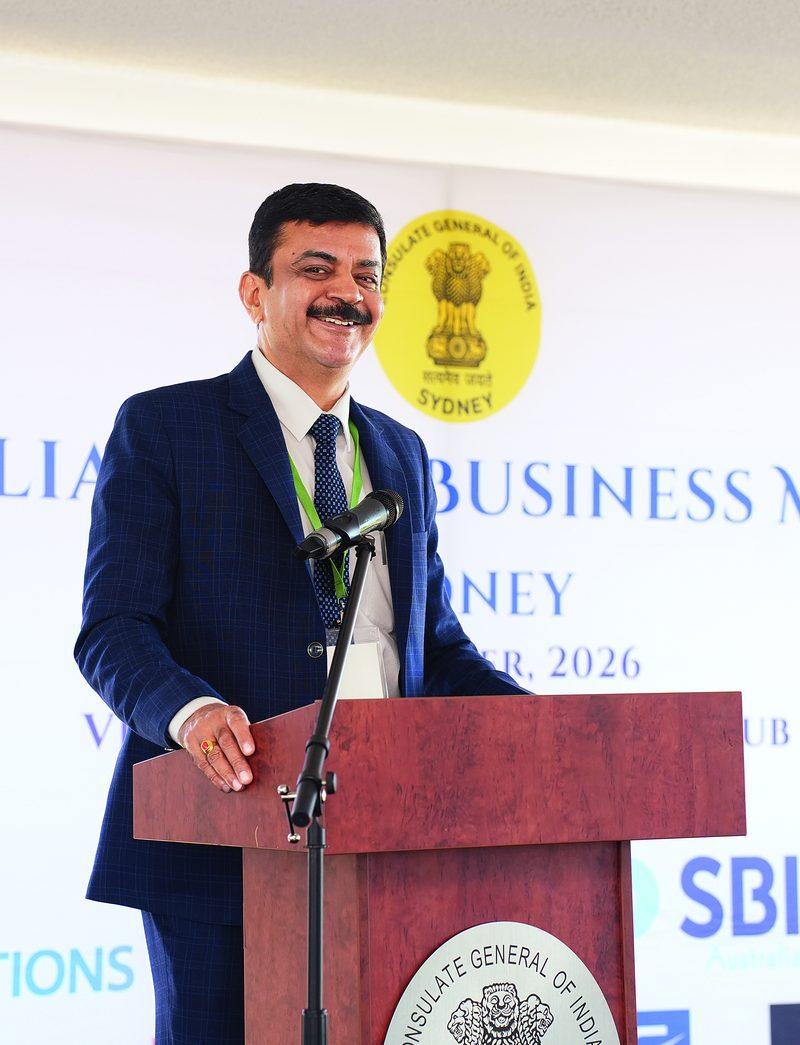
The transition of heavy industry — particularly steel — received focused attention. Addressing the summit, Sandeep Poundrik, Secretary, Ministry of Steel, Government of India, pointed out a critical market divergence: “While global steel consumption has contracted by 1–2 per cent, India’s domestic demand is surging at a double-digit pace.”
Major Australian steel players like BlueScope, alongside cross-border collaborations involving Tata, are actively evaluating future production arrangements. Since steel manufacturing traditionally relies on coking coal, bilateral dialogues tackled the pressures of net-zero carbon commitments.
The Adelaide induction
The Australia–India Business Meet extended to Adelaide on October 30, 2026, marking its first edition in South Australia. Hosted jointly by the Government of South Australia and the Consulate General of India in Sydney, the programme brought together senior government representatives, business leaders, investors, technology companies and academic institutions to explore opportunities for deeper economic and industrial collaboration. South Australian Minister for State Development, Chris Picton, delivered the keynote address, outlining the next phase of South Australia–India engagement.
Institutional infrastructure and human capital
Realising these multi-billion-dollar ambitions requires robust institutional support and a reliable pool of highly skilled labour. Dr Janakiraman underscored workforce shortages evident on Australia’s official Skills and Jobs portals. The countries recognise that human resource cooperation is non-negotiable. India’s standing in producing world-class mining engineers was highlighted — a ready talent pipeline to support Australia’s heavy extraction and resource sectors.
Documenting outcomes
A significant highlight was the release of the Australia–India Future Industries Series: Outcomes and Recommendations Handbook, developed by the Consulate General of India in Sydney and Newland Global Group (NGG). The publication consolidated key findings and recommendations on AI, automation, industrial transformation, supply chain resilience and emerging business opportunities.

The personal lens
The meet also underscored a truth of international commerce: sustainable business is built on personal trust and cultural affinity.
Drawing from his own academic roots in agricultural entomology and agronomy, Dr Janakiraman noted how technical familiarity with precision farming, soil moisture monitoring technology and advanced seed-coating nanotechnology helped quickly identify areas for mutual collaboration through joint agri-tech adoption.
Technical synergy has been mirrored by an expansion in people-to-people ties. Over the past decade and a half, the Indian-origin population in Australia has surged to nearly 1 million, making it the largest overseas-born community. Festivals, Bollywood cinema and a shared passion for cricket serve as powerful icebreakers, humanising hard-nosed diplomacy and embedding institutional resilience into commercial corridors.
As the 2nd Australia–India Business Meet drew to a close, the message was unmistakable. In an uncertain global climate, the Australia-India axis is a vital, fast-evolving economic partnership poised to shape the future.