


 ion
ion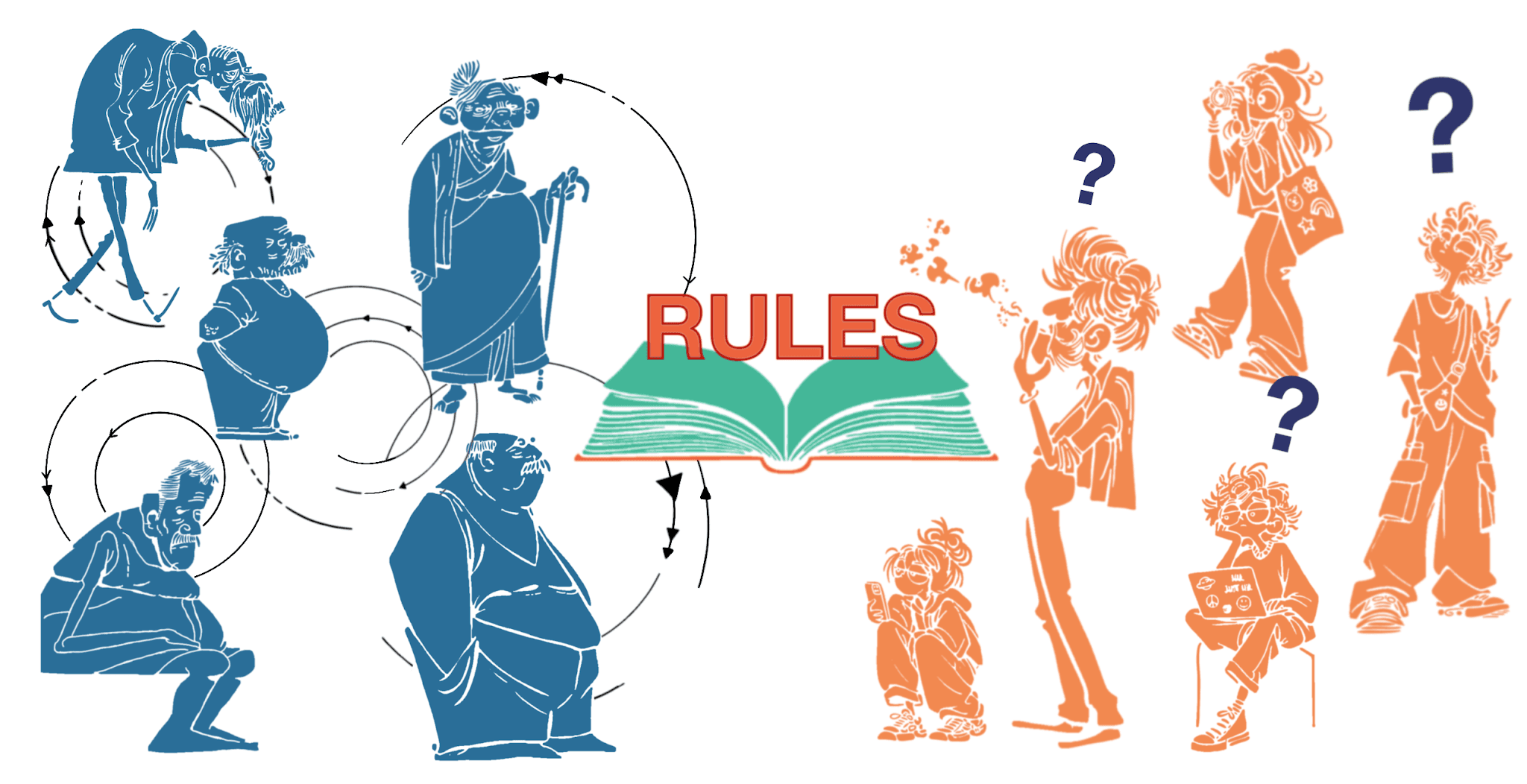
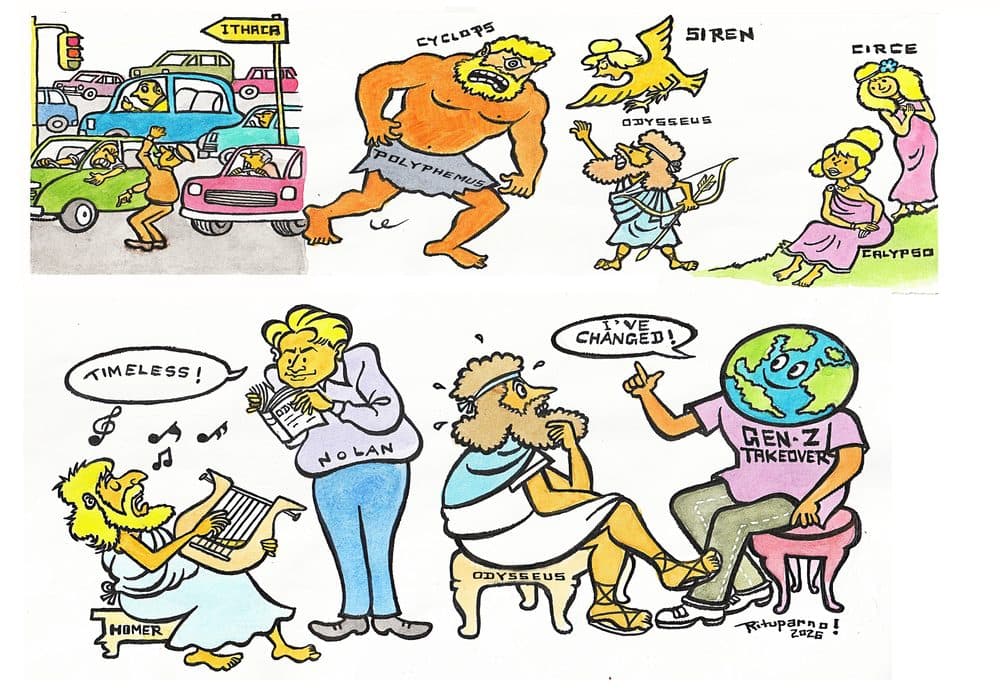
Currently in India, thanks to recent student protests, there’s been a concerted effort, almost with the same gusto with which China is building sprinting robots, for the authorities to understand this strange non-conformist beast called Gen Z.
Lots of things are unknown about this creature — namely, when did the millennials end and this lot begin? Broadly speaking, to simplify matters, Gen Z are 20 somethings is the consensus and the characteristics that most concern older folks is that they question everything, have limited patience for inauthenticity, find anything they feel is disingenuous ripe for mockery, have a general air of being unimpressed, and value being kind to each other, and the world.
On paper, these are all good things, especially when viewed through the lens of a Gen Xer like myself. Our teens and 20s involved someone punching you in the face, sucking up to some boss whose bag you were carrying, buttering up some teacher who slapped you, fighting for the affections of some girl who fancied someone rowdier, and being so happy with some meagre first salary that you bowed down to all authority rather than question it.
Nothing for Gen X began with “Why?”. If someone was above you, in family, work, school or government, it began with respect. Today, it makes me ask, “Why?” Why did we do that? When clearly all that was not always right — often it was manipulative, gaslighting, throwing you under the bus, and using our respect for their self-interest.
Yes we came out okay and yes the bullying taught us lessons, but when Gen Z asks Gen X, “Why did you listen to all that nonsense from your elders?”, apart from the house and the money and the cosmetic material contentment a 48-year old may have, we’re stumped.
Someone who employs a lot of Gen Z Indians, and we are a young country with hundreds of millions of them, explained to me how they think. “You can’t just give them work. You have to explain why the work is something they’d want to do. The job security and money are of no concern to them. They’re confident they’ll find something somewhere else.”
They question everything, have limited patience for inauthenticity, find anything they feel is disingenuous ripe for mockery, have a general air of being unimpressed, and value being kind to each other, and the world
Meanwhile, we stuck to terrible bosses for thankless work years, scared there was nothing else out there. I still think like that.
Our leisure, pre-internet, was books and movies and actual humans talking, or running around aimlessly or waiting for something for hours, which seems so quaint now — like describing an extinct zoo animal. Gen Z, who’ve grown up with tech and social media, who can get chow mein or sneakers delivered at their doorstep in 12 minutes and play a videogame on phone data with kids from Istanbul and Oslo, all in a span of an hour, know there is always something better out there. And they have no fear in letting their parents know what fools they were.
This is the crowd the government wants to win over. They’re upset at central examination paper leaks and are happy to deploy the greatest tools they have — their lack of fear and flair for comedy. Against this no tear gas or police threats work. Uncles in power have to respond with comedy that Gen Z relates to. That’s harder than nuclear war.