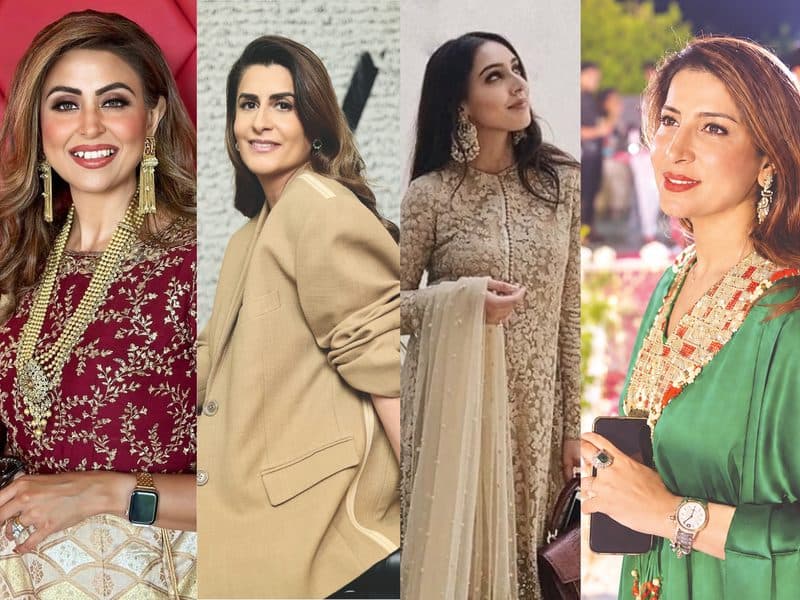
A saree is pre-pleated, an heirloom is reworn, a traditional textile finds a new silhouette. The way the diaspora dresses for Diwali may be personal, playful and contemporary, but underneath it remain the memories of mothers, aunts and the India they grew up with. Four fabulous women share their memories and style stories for Diwali…
Simran Summy Gulati — Actress, model and TV personality, Sydney
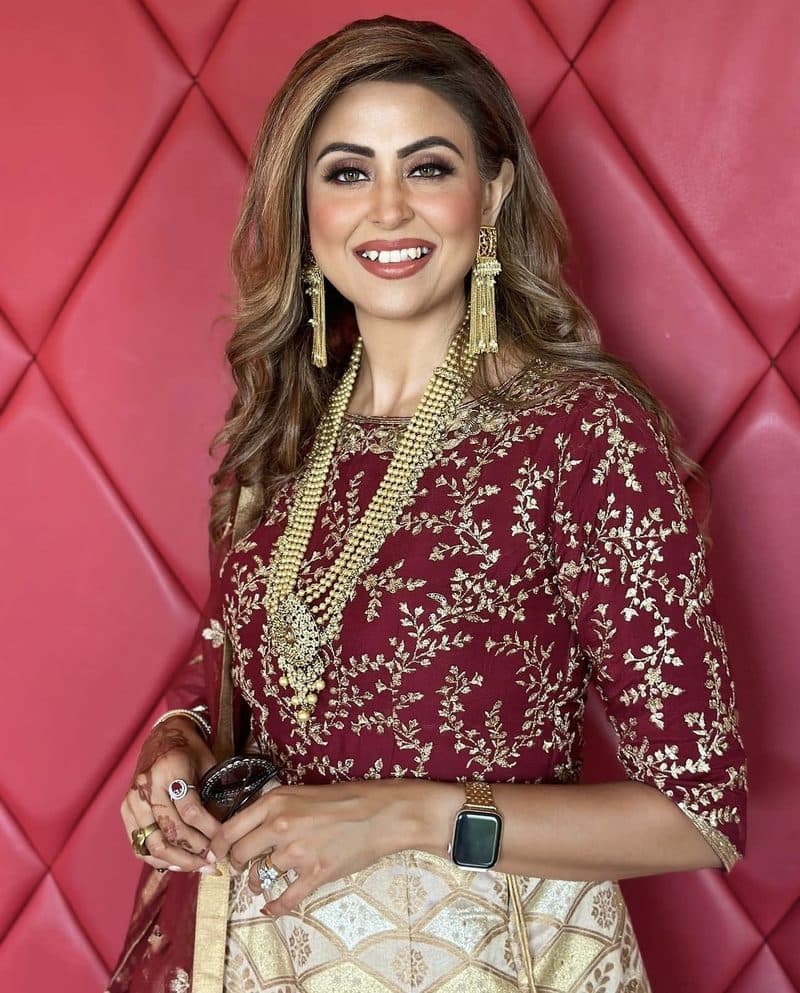
Things were very different when Simran and her family immigrated to Melbourne in 1991. The Indian diaspora was still small, there were few occasions to celebrate their culture, and finding desi fashion was almost impossible. Staying connected to home meant turning to Bollywood and, more importantly, to the core memories she carried with her.
“I will never forget watching my mom get dressed in a chiffon or crisp cotton saree before my dad got home from work.” She also remembers her buas and maasis dressing up for Karva Chauth. “Diwali always takes me back to that nostalgia — the bling, the bangles, everything!”
For Simran, festive dressing has never been about chasing trends. It starts with what’s already in her closet. A simple suit gets amped up with a heavy dupatta and oversized kundan earrings; dhoti pants come together with a Benarasi blazer; an embroidered corset is paired with a floaty skirt. “I like to wear traditional clothes, but with a contemporary twist. I enjoy putting together an interesting mix-and-match look, but it has to have that sprinkle of sparkle. Pistachio to rust-orange, give me any colour, but as long as there’s a touch of gold, I’m happy.”
Sujata Assomull — Journalist, Dubai
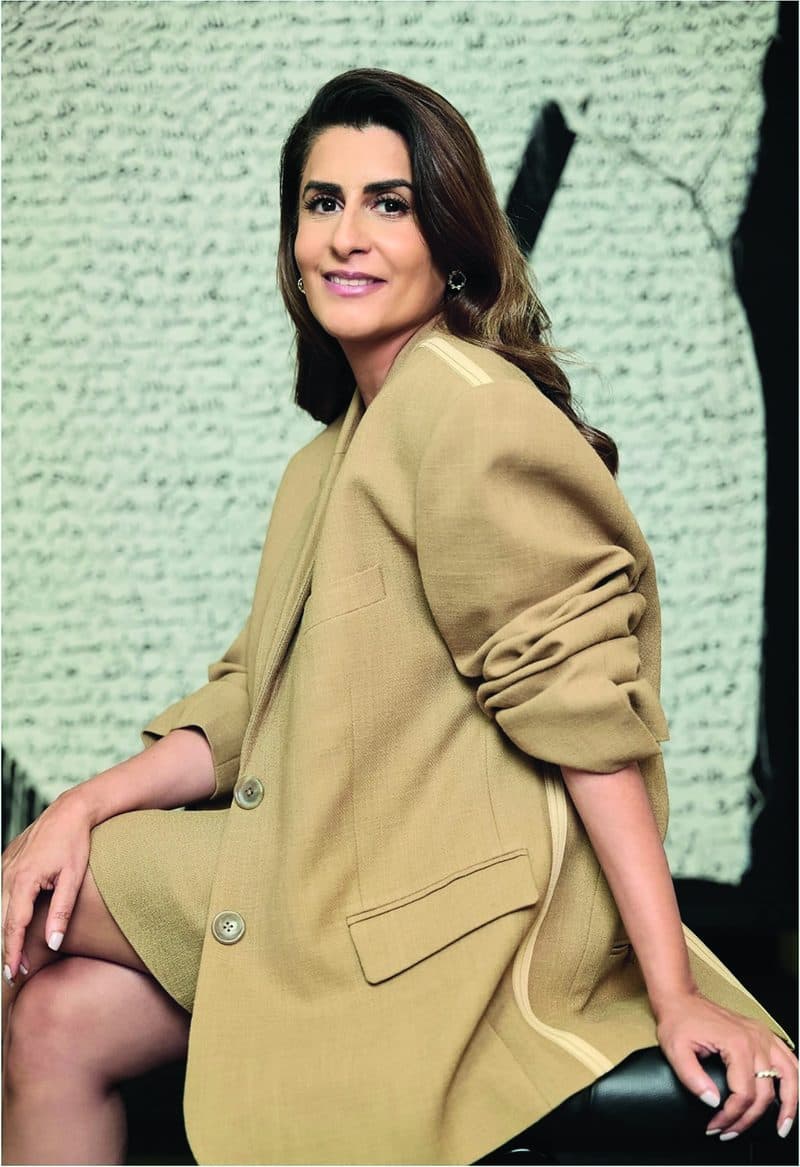
Growing up, Sujata’s earliest fashion memory is of her mother buying a new saree every year for a Diwali Ball in London. “There used to be an annual photograph of the committee members, all lined up in their gorgeous sarees. That was my wow moment. I remember thinking, when I grow up, I want to look like her. So, Diwali for me is almost always a saree.”
Sujata moved from London to Mumbai in the 1990s and then eventually Delhi, where she experienced dramatically different Diwali dressing codes. “Mumbai was super casual and then Delhi was a 10-day extravagant affair. I think I have now found a happy middle in Dubai.”
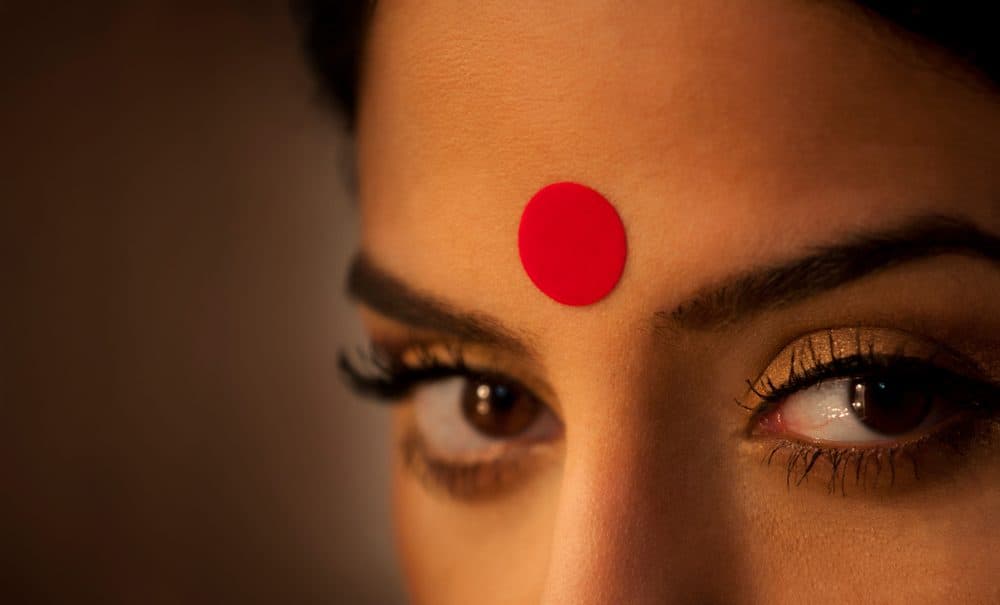
As a ritual, Sujata buys a simple salwar-kameez for the puja but in the evening, the saree always takes centre stage. Whether it’s a re-wear or a new one, it goes to the tailor for pre-pleating. “Sarees make me feel most elegant yet sensual. I normally do a bit of jewellery and a winged liner but the most important piece is my bindi. Nothing compares.”
Annie Gill Dhillon — Healthcare professional, Bay Area
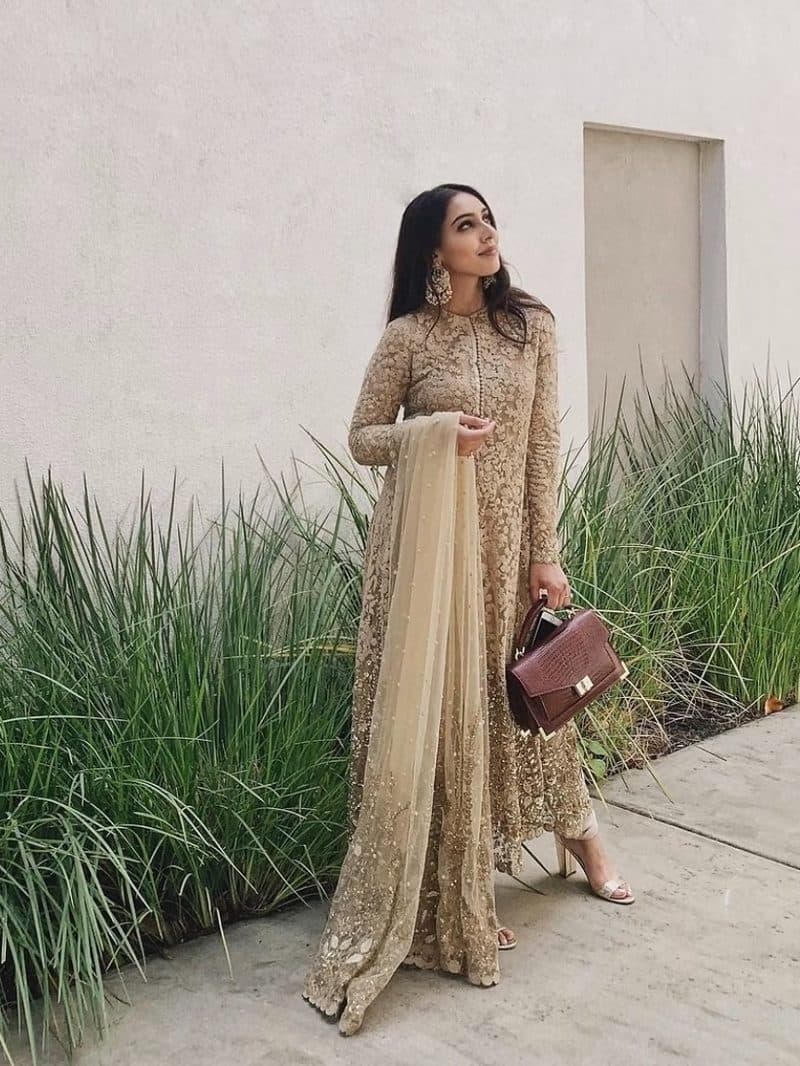
Annie was born and raised in Los Angeles, but scroll through her social feeds, filled with nostalgic moments rooted in India, and you’d never guess she didn’t actually grow up in her ancestral city of Delhi. “I would credit that entirely to my family. I grew up in a household in which Indian values were ingrained, and I’ve always connected more to my Indian heritage than to American culture.”
It’s no surprise, then, that her idea of desi dressing was shaped early on by Bollywood movies and a steady stream of Indian fashion magazines. But it’s the Sabyasachi (Mukherjee) effect that has influenced her the most and continues to inspire her fashion moodboard.
Annie isn’t afraid of making a style statement, but there’s one non-negotiable: Comfort comes first. It might be a breezy kaftan with pants, a head-to-toe shimmering Sabya, or an Ekaya saree she’s worn before, styled in a way that makes it feel new. “I like the outfit to speak for itself and not over-accessorise or overdo it with hair and make-up. At the end of the day, I always want to look like and feel like myself.”
Babina Chawla — Real estate entrepreneur, London
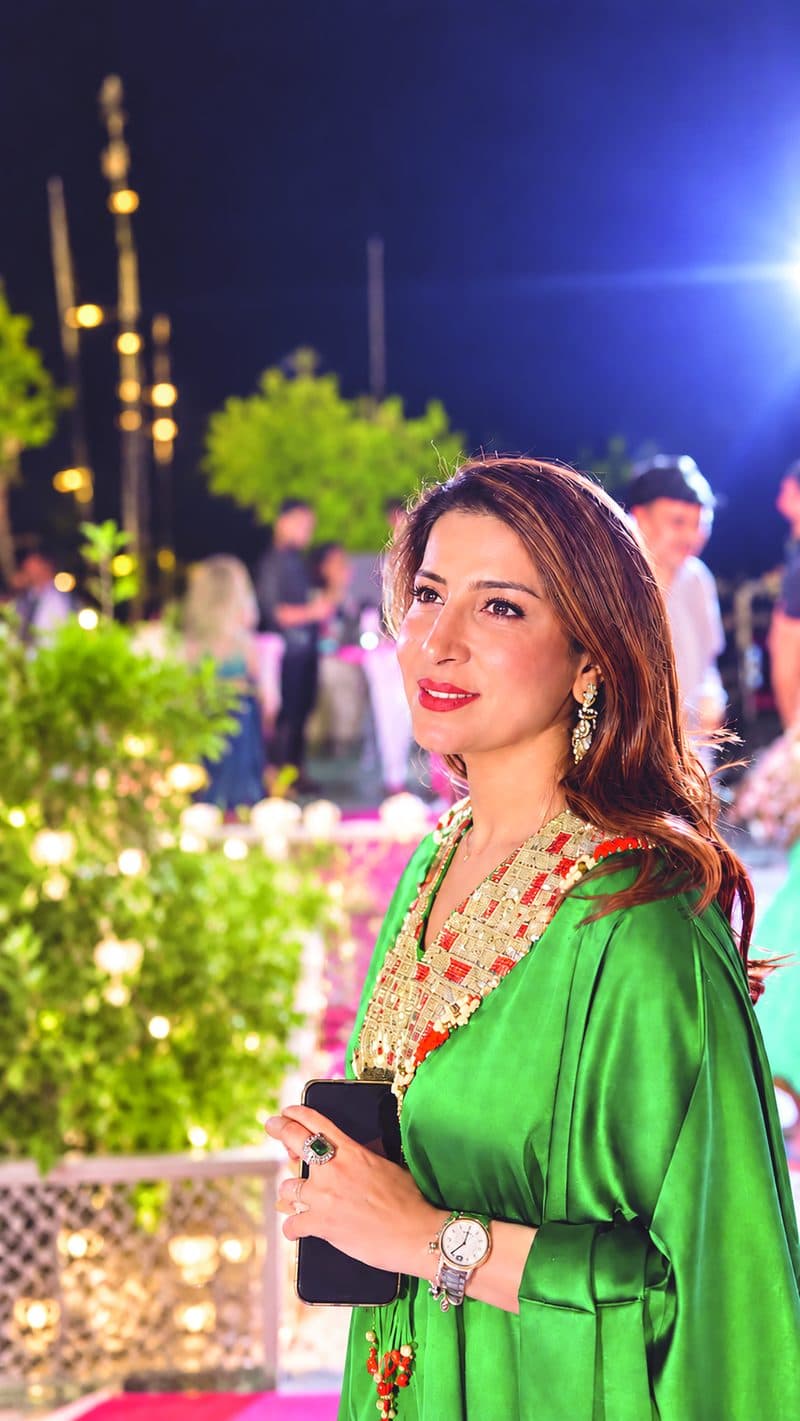
When Babina moved to London as a new bride in 1997, Diwali dressing wasn’t really on her radar. She would pull out just about anything from her trousseau, as long as it was a vibrant colour. “None of us had that kind of exposure back then. We were navigating a new country and a new family. Slowly, we built a social circle, raised our kids and, somewhere along the way, found our own sense of style.”
Today, her wardrobe is a masterclass in modern Indian dressing. Simple silks from Good Earth often get dressed up with a statement chunni and big earrings. Draped dhoti skirts, cropped jackets and one-shoulder togas are among her signatures.
Contemporary designs by Anamika Khanna, Tarun Tahiliani, Monisha Jaising and Arpita Mehta share closet space with Chanel and Alexander McQueen. “I prefer trendy silhouettes over too traditional. They fit my life in London, I get more wear out of them. They’re also easier to mix and match — it’s the best of both worlds.
The Festive Fashion Checklist
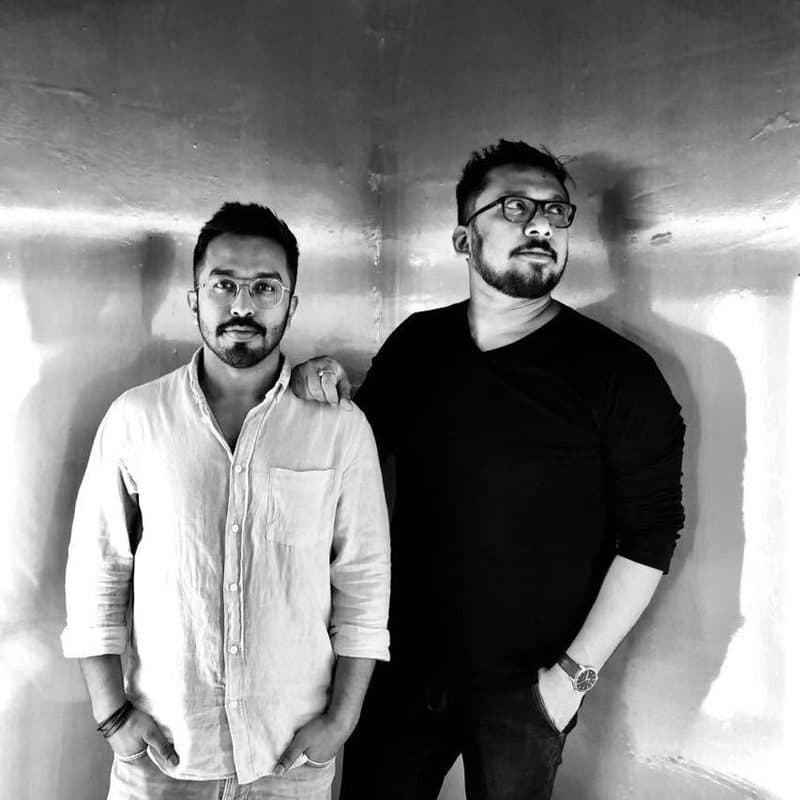
Fashion designers Dev & Nil pick five pieces that easily move between tradition, occasion and the contemporary Diwali wardrobe
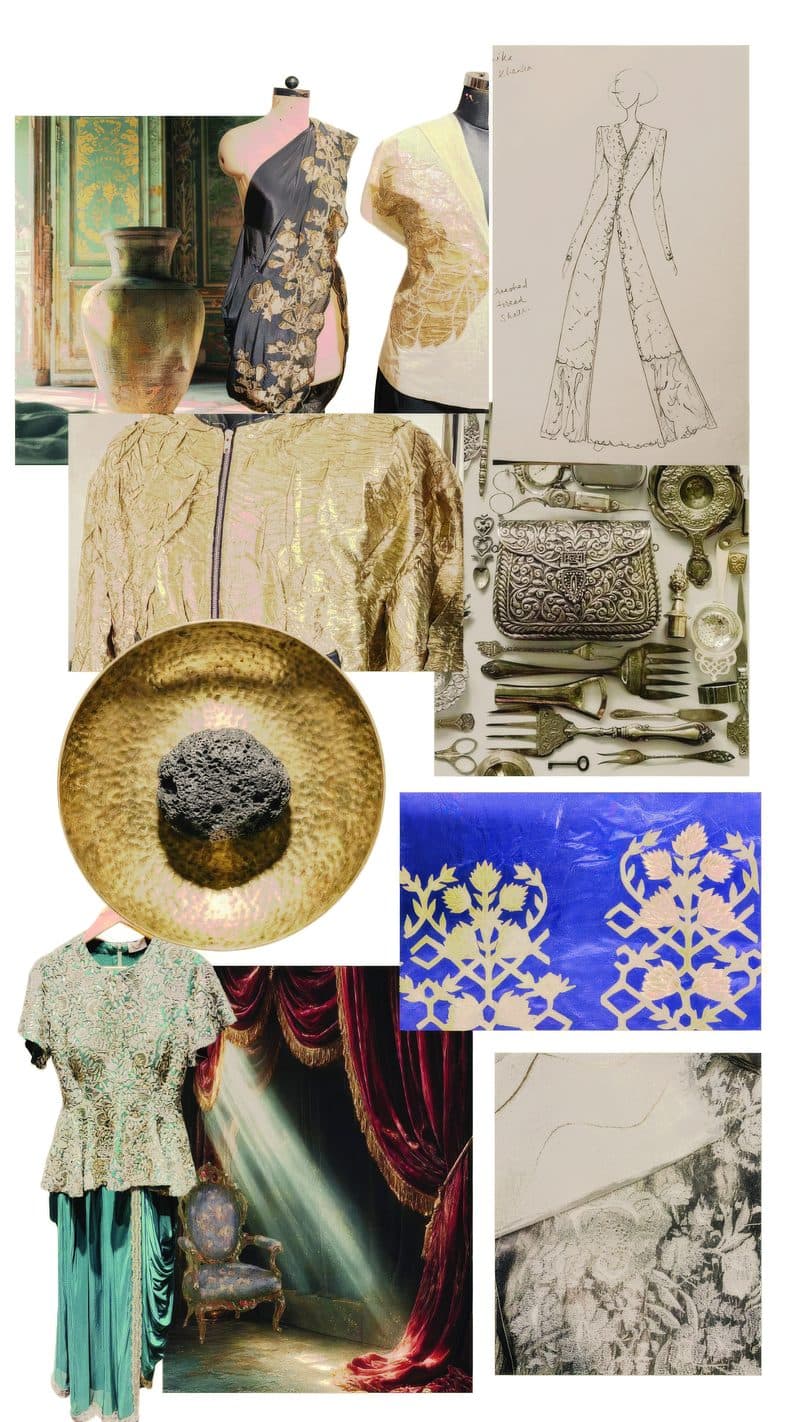
The Black Saree: Think of it as the luxe LBD of your Indian wardrobe. Dress it up with jewels or keep it simple.
The Bling Bomber: The easiest way to add some sparkle. Wear it with a saree, draped skirt or even your favourite pair of jeans for a Diwali party.
The Statement Bag: Go for an intricately crafted heirloom batua or a cool metal clutch.
The Jewel-Tone Blouse: Emerald, sapphire or ruby. A richly-coloured blouse can make even a familiar saree feel new.
The Handcrafted Jacket: Something with an indie spirit and a touch of heritage — quilted, embroidered or printed.