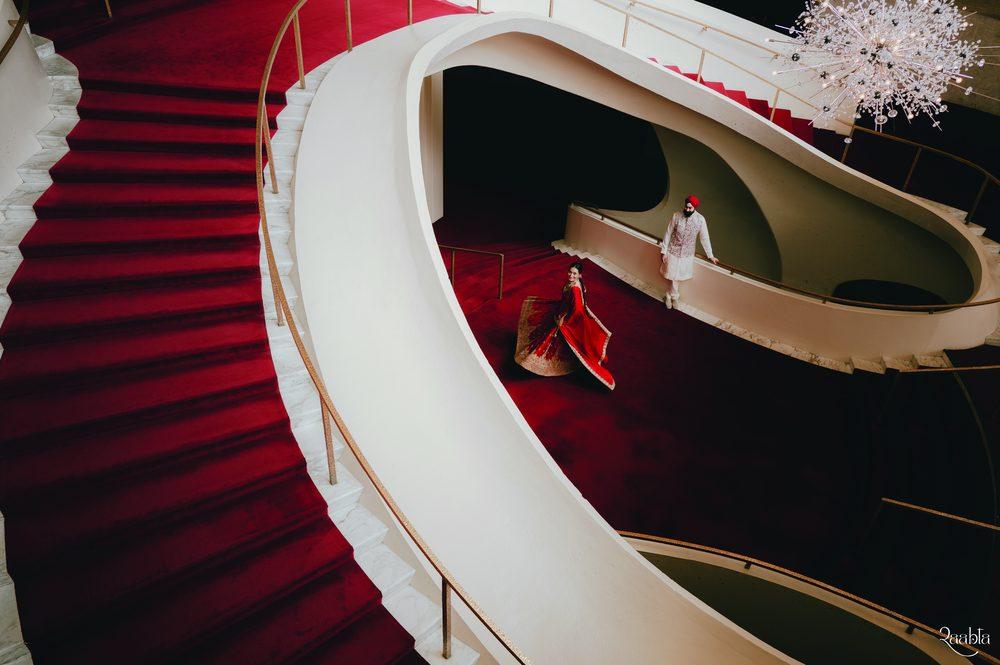
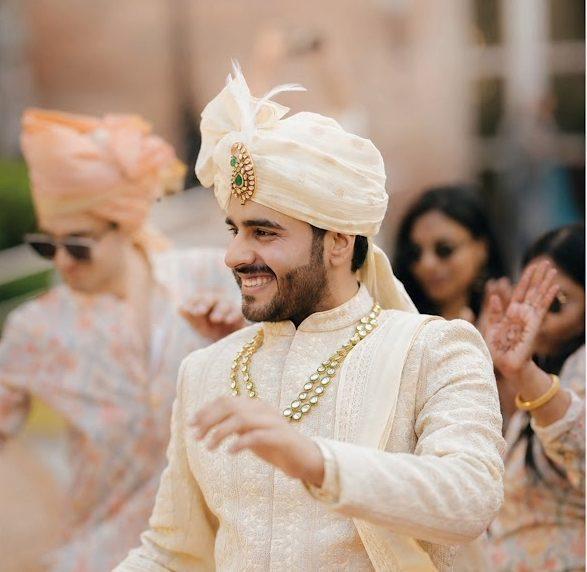
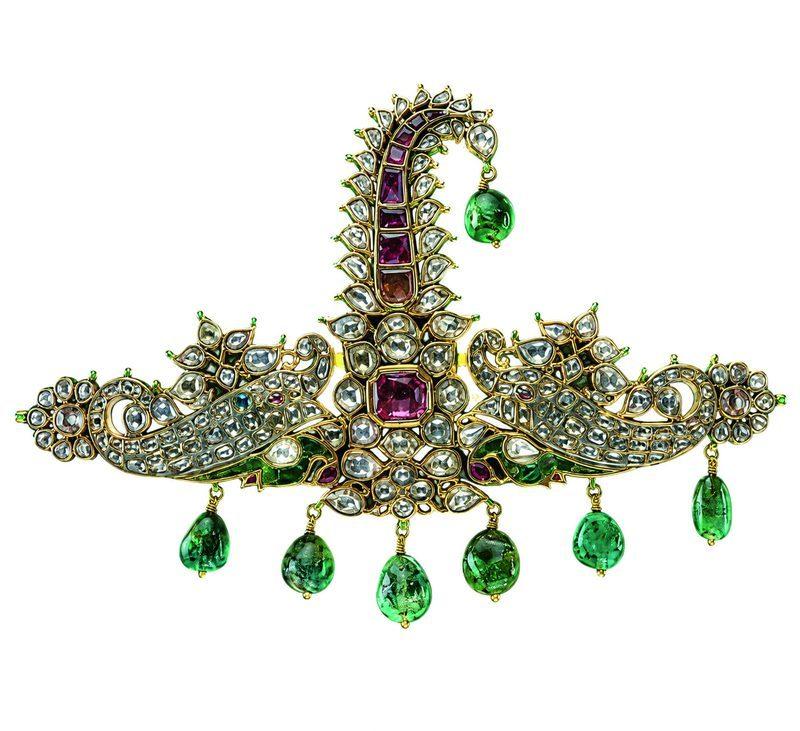
A bit of bling for the bridegroom? When it’s a grand Indian wedding, more is more! Not content to let the bride steal all the jewellery attention, the Indian groom claims his own share of the spotlight with the sarpech. The word is from the Persian sar (head) and pech (screw).
Traditionally attached to the front of a turban, this ornament was once worn by royals of Hindu, Sikh and Muslim faiths. What was once an honour bestowed, is now a matter of choice. The groom can take his pick from antique kundan and polki pieces or contemporary diamond versions for a regal look.
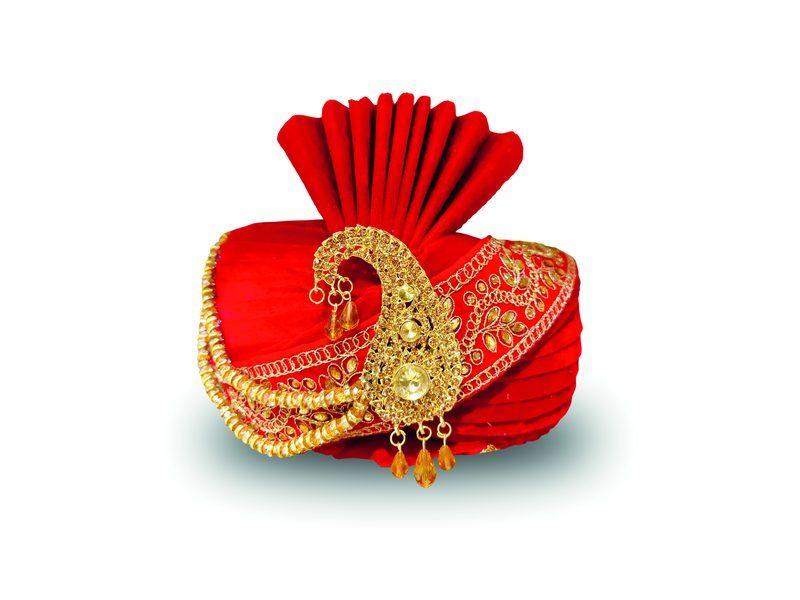
Gradually, the ornament evolved from being a badge of rank to giving a current-day bridegroom a taste of the high life on his special day. Lord Krishna is also depicted wearing a peacock feather in his crown, a predecessor to the elaborate turban ornaments of the courts. The mayur pankh can be seen as part of a much older tradition of transforming a headpiece with an ornament.
Known in Turkey as the sorguch and jikka in Persia (from the word for crest), the sarpech is believed to have been popularised in India by Mughal rulers like Akbar. Its predecessor was most likely the kalgi or kalangi, initially comprising a simple plume from a heron or egret. It is said Guru Gobind Singh earned the epithet Kalgia(n)vala (one who wears the plume). It soon evolved into more intricate iterations, with embellishments like emeralds, pearls, rubies and meenakari.
In recent years, Bollywood has played its part in bringing the turban ornament back into the spotlight. Actors such as Abhishek Bachchan, Ranveer Singh, Vicky Kaushal and other celebrity grooms have chosen heavily embellished kalgis for their weddings.
What’s in a sarpech?
Traditionally, the sarpech consists of a patti, the horizontal strip that is fastened onto the front or side of a turban (safa or pagdi). The vertical rising part of the ornament is known as the jigha (plume). A sheet of metal provides a light yet rigid foundation while the rukh (facade) is usually studded with precious gems. Finally, there is a painted and enamelled surface which remains hidden against the fabric of the turban.
The traditional sarpech had a single kalangi, with one vertical structure, and with the era of extravagance emerged the teen-kalangi sarpech. The 19th century saw some particularly flamboyant designs with as many as four to six additional parts at the base. While a sarpech is always placed at the front of the turban, an ek kalangi or teen kalangi can be placed either in the front or side.
Skilled craftsmen, known as zargar or sunaar, used traditional methods to craft the sarpech. The most prestigious examples featured kundan work, using gold to set gemstones without claws or prongs, creating a seamless surface of jewels. Meenakari often adorned the reverse side, turning even the hidden surfaces into works of art.
Some of the common motifs used then and now are peacocks, floral sprays, aigrette feathers and geometric patterns. Some incorporated moving elements like hinged sections, dangling pearls and gemstones, and feather-like projections designed to catch the light. Some exceptional pieces featured rare coloured diamonds or perfectly matched pearl drops of extraordinary size.
THE JEWEL IN THE CROWN
North: Sarpech, Jigha, Kalgi, Kalangi
Mughal aesthetics shaped the sarpech, with floral motifs and diamonds, emeralds, rubies and pearls. Sikh kalgis usually have a plume
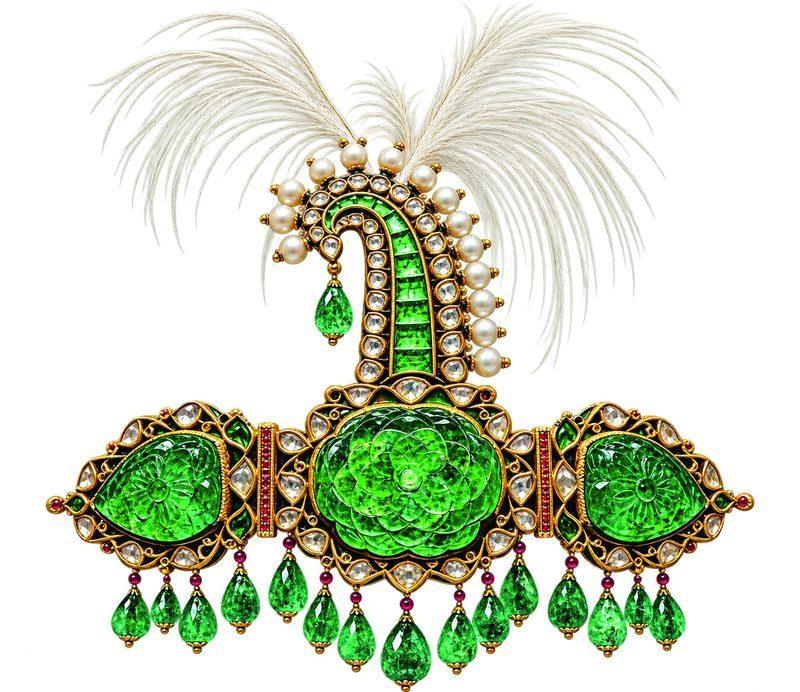
South: Sarpech, Kalgi, Jigha
Deccani sarpechs showed evidence of Mughal and Persian influences with Deccan jewellery traditions
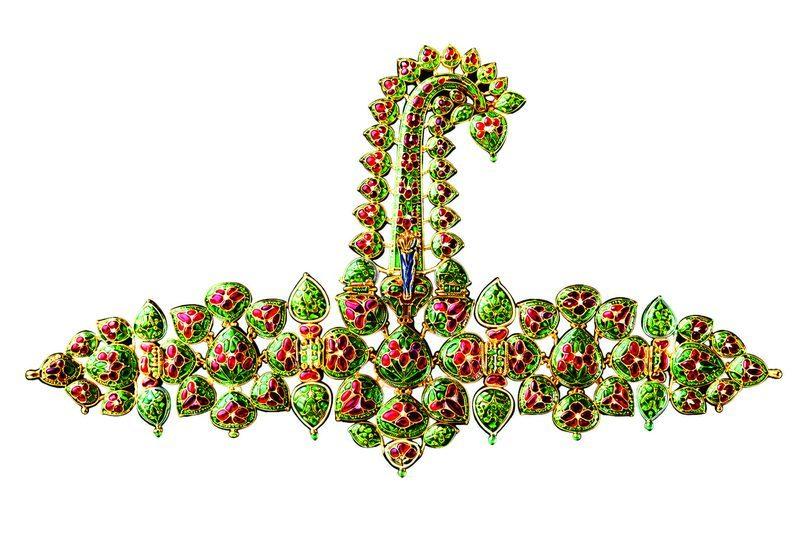
West: Sarpech, Kalgi, Turra
Across Mewari, Jaipuri and Marwari court traditions, turban ornaments were embellished with polki and kundan-set diamonds, emeralds, rubies and pearls, with meenakari
Photographs: Gyan Museum, Museum of Meenakari Heritage, Barun Ghosh/Wikimedia Commons