When Prime Minister Narendra Modi landed in Rome in May earlier this year, he presented Italian Prime Minister Giorgia Meloni with a packet of Parle’s Melody toffees. This was a cheeky nod to the internet’s favourite “#Melodi” portmanteau combining the leaders’ names. The diplomatic fraternity collectively gasped and, then, grinned.
This ‘chocolate diplomacy’, as it has been called, was the latest in a long tradition of statecraft in the guise of gifts. All Indian prime ministers have employed “gifting diplomacy” with great care — after all, what leaders give as a token of an entire nation is a highly strategic act.
As representatives of a modern republic navigating an ever-evolving geopolitical scenario, India’s leaders have gifted objects that are clear, material barometers of how it wants to be perceived; whether it is a sign of its high-minded moralism in one decade or its unapologetic, pragmatic commerce in another.
Jumbo diplomacy
It all starts with Jawaharlal Nehru.
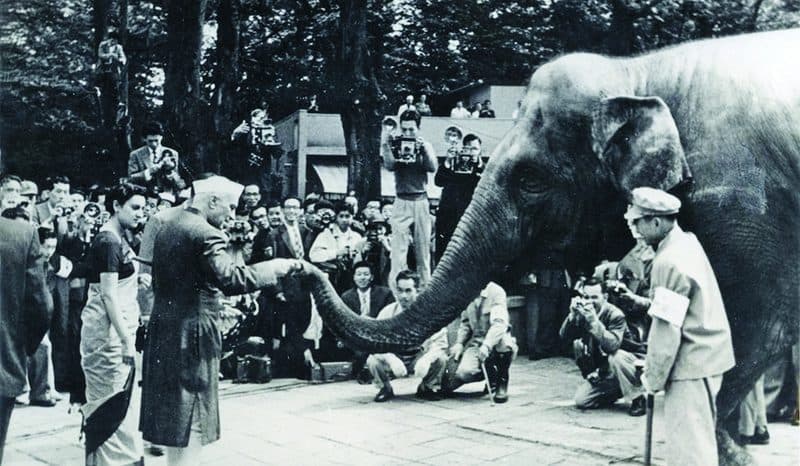
In the first days of independence, India wanted to remind the world that while it might be a new state, it was an ancient nation and thus already had civilisational stature. So, when Japanese schoolchildren wrote to Nehru in 1949 for an elephant after the culling of Tokyo’s Ueno Zoo animals during World War II, the Prime Minister’s response was one of compassion. The Indian Embassy in Japan documents the dispatch of a baby elephant named Indira, after Nehru’s own daughter. In his reply to Tokyo’s children, Nehru wrote of the elephant as a symbol of patience, wisdom and the “good-will of the children of India”.
Culture connection
As India consolidated her position as the dominant regional voice, state gifts moved from the whimsical to the deliberate. Indira Gandhi’s gifts strongly reflected India as an ancient repository of unmatched artistic sophistication. This period, marked by determined national self-reliance and the Green Revolution, was mirrored in her gifts. Intricate Kashmiri shawls, exquisite Tanjore paintings and rare Indian books were Gandhi’s gifts of choice. These spoke of strength and resilience, wrapped in refined aesthetic heritage. This was soft power, expressed through high culture.
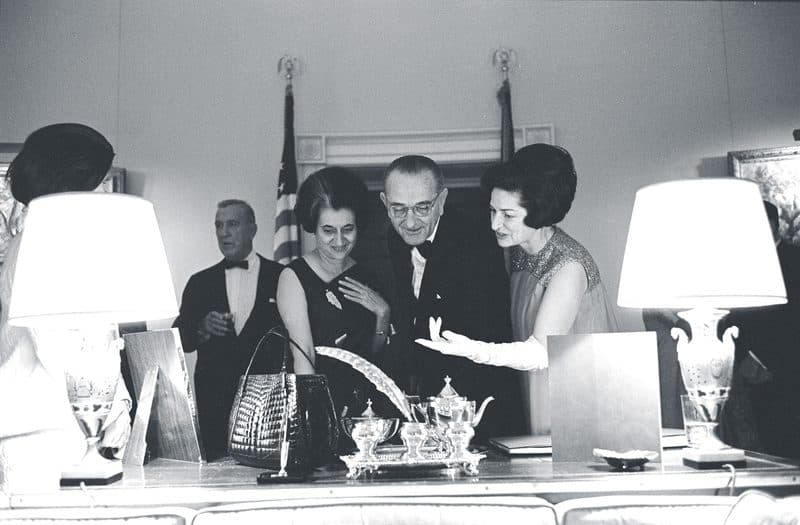
Son Rajiv continued this trend. As part of the Festival of India cultural extravaganzas that he launched across Paris, Moscow and Washington in the Eighties, India’s state gifts started shifting from artisanal luxury to regional heritage. Using high-profile diplomatic events to promote India as a modern nation with ancient roots, Rajiv presented premium handloom textiles, notably tussar and mulberry silks from Bhagalpur, Bihar, jewel-toned Kanjeevaram weaves from Tamil Nadu and elegant Kashmiri silk tapestries, to world leaders such as US President Ronald Reagan and Soviet leader Mikhail Gorbachev. Cultural maven Pupul Jayakar’s expert guidance extended the focus to the visual arts. Rajiv spotlighted grassroots communities. Warli paintings from Maharashtra and Madhubani from Bihar demonstrated India’s rural storytelling traditions as sophisticated global assets.
Open for business
The administrations that followed had their own messages to send.
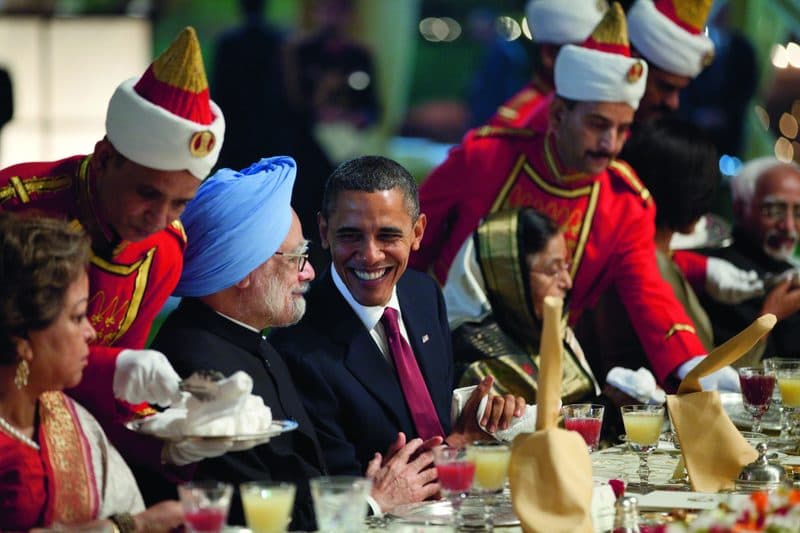
India’s economic liberalisation in the 1990s and early 2000s saw Prime Ministers P.V. Narasimha Rao and Dr Manmohan Singh choosing symbols of a rising tech-savvy, economically integrating nation. While high-quality silver filigree work and fine Darjeeling teas remained part of the gift packages, copies of ancient Indian treatises as well as contemporary Indian literature were added. This signalled an evolving and economically vibrant democracy, open and ready to do business with the world.
Tradition and modernity
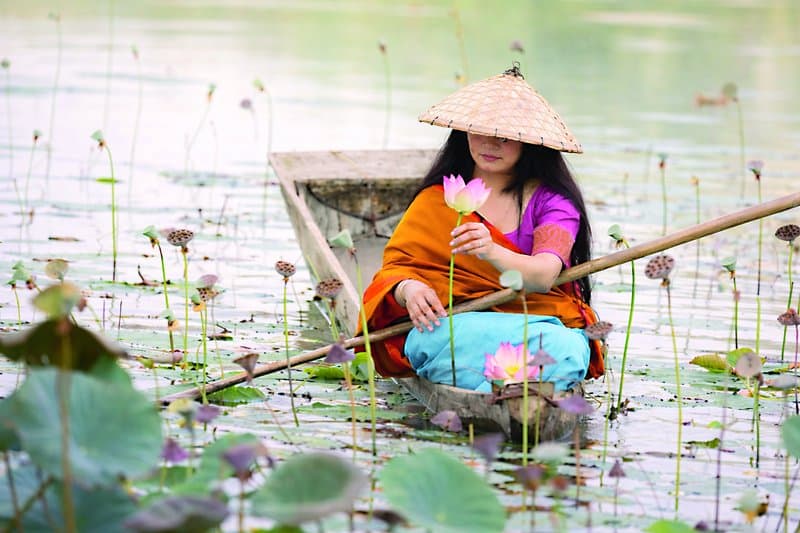
Maturing as a nation and an economy, initiatives such as the Geographical Indication (GI) tags and One District One Product (ODOP) gave direction to gifting diplomacy. Kannauj’s sub-continental attar, Pashmina shawls from Jammu and Kashmir, Rogan art from Gujarat, bidriware from Karnataka and the country’s GI-tagged indigenous foods — Palakkadan Matta from Kerala, Gobindobhog rice from West Bengal, and a range of millets — all have found a place in PM Modi’s gifting hampers.
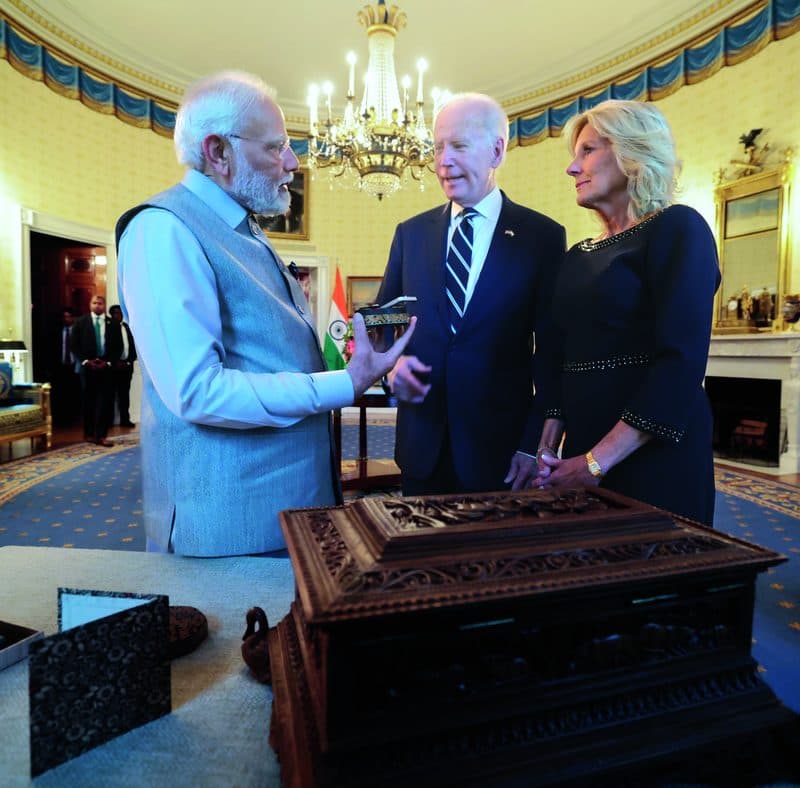
Marking a change of tone, Modi has also moved beyond ancient craft traditions and indigenous produce. To demonstrate India’s expertise in sustainable technology, he had famously gifted a glorious 7.5-carat lab-grown green diamond to US First Lady Jill Biden in a Kashmiri papier-mâché box. Dr Biden arranged to have it set in a ring. It is another matter that when appraised by the US government at US$20,000, she had to hand it over to the National Archives once President Biden’s term ended.
Modi’s 2026 upcoming state visit to Australia to meet Prime Minister Anthony Albanese is being keenly anticipated as we write this, and observers are eagerly waiting to see what facet of India Modi will shine a light on this time.
Whatever he chooses to gift, it will speak volumes.
PM MODI'S GIFTING PLAYBOOK
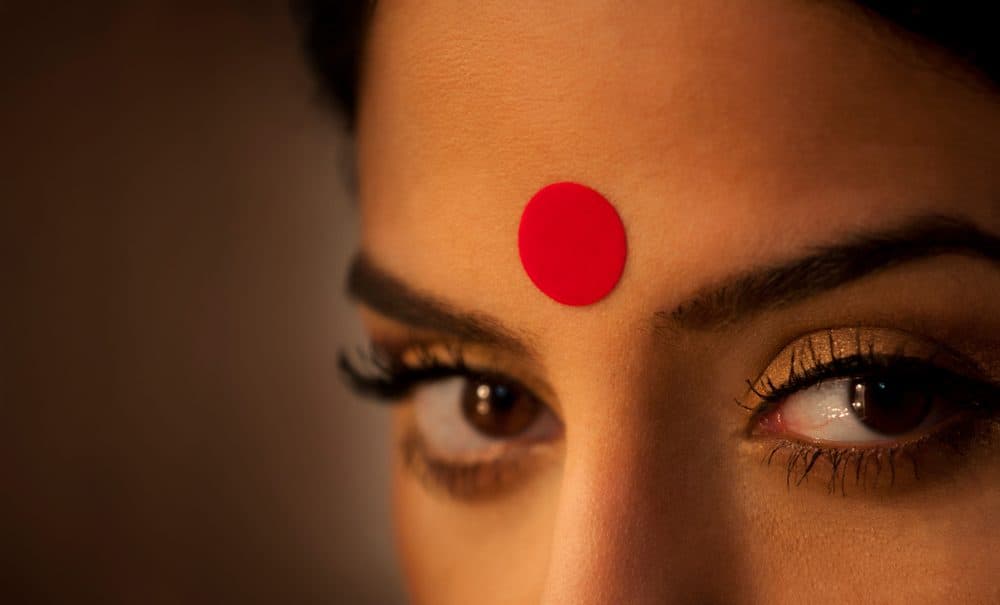
PM Giorgia Meloni of Italy received more than that packet of Melody chocolates. A GI-tagged Muga silk stole from Assam and a handwoven Shirui Lily stole from Manipur were the other offerings.
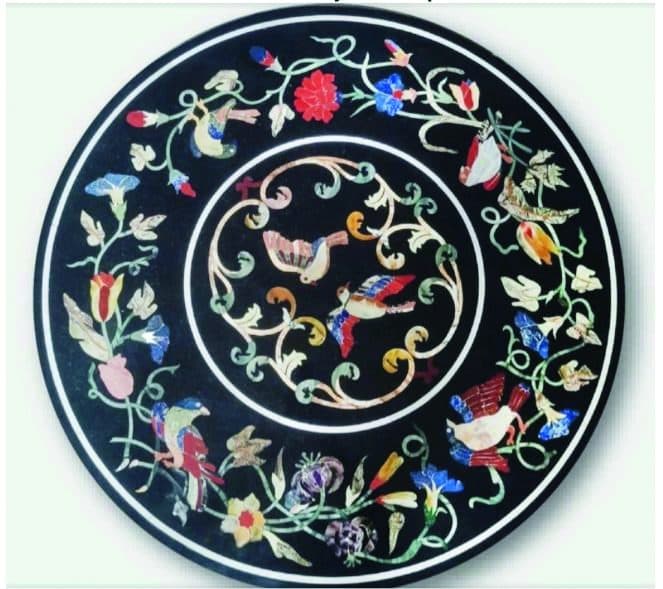
In 2023, President Joe Biden of the US received a handcrafted sandalwood box from Jaipur, a silver idol of Lord Ganesha, a silver lamp, and Das Danam (10 traditional ritual donations). President Emmanuel Macron of France received a traditional Kalamkari painting from Andhra Pradesh, while former French PM Elisabeth Borne and former Italian PM Mario Draghi received a handcrafted marble inlay worktable from Agra.
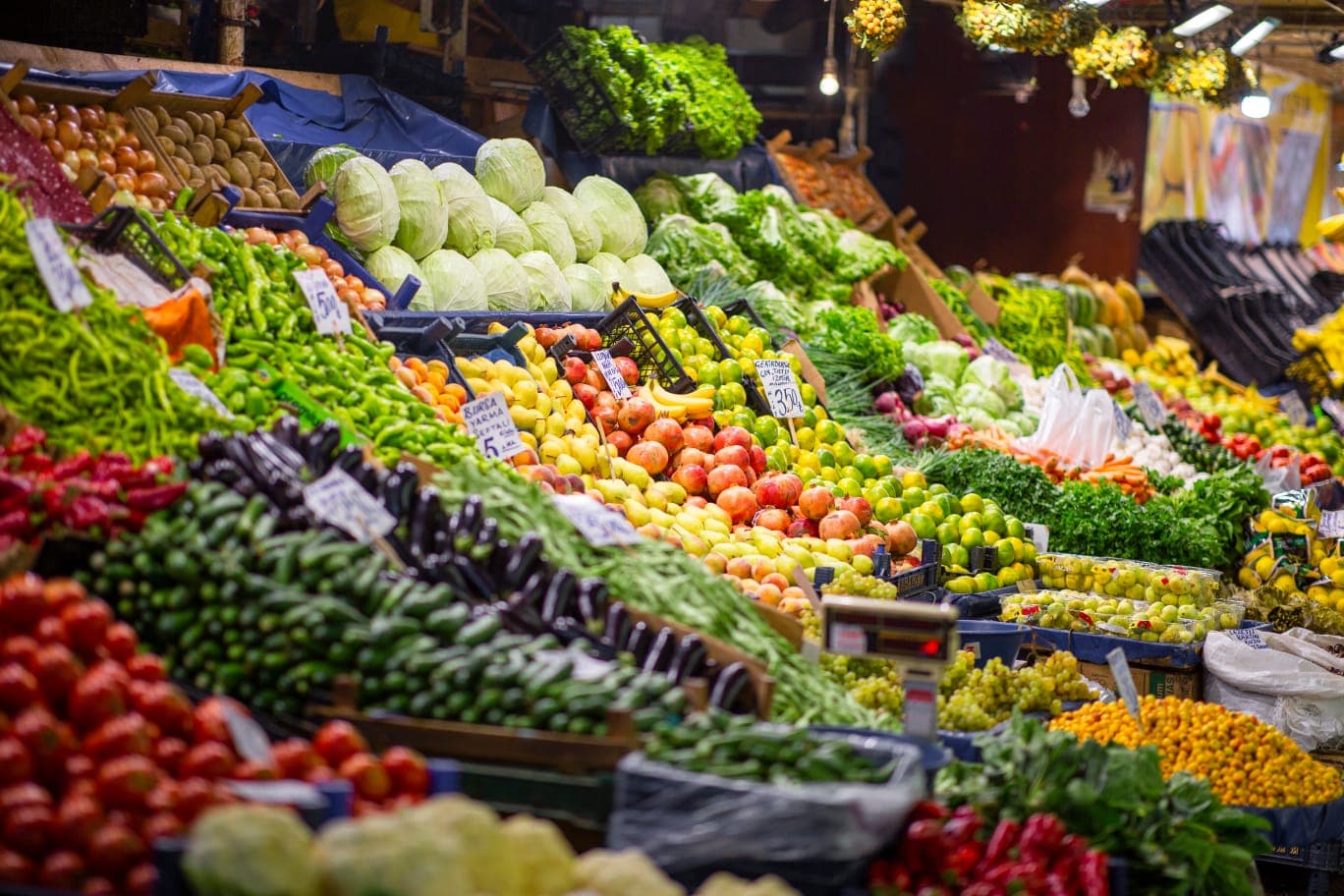
PM Modi also favours gifts of GI-tagged produce, such as Kesar mangoes from Gujarat and organic pineapples from Meghalaya. President Patrick Herminie of Seychelles was gifted a Moradabadi brass tortoise as a nod to Seychelles’ indigenous Aldabra Giant Tortoise ecology. PM Anthony Albanese of Australia was presented with handcrafted silver filigree jewellery from Telangana and a Pithora tribal painting from Gujarat in 2022.