What if, for a moment, you put aside everything you have been told about who you are? Not because it is untrue, but because it may not be the whole truth.
Before the expectations of parents and teachers, before the influence of friends, siblings, partners and colleagues, before the experiences that shaped you and the circumstances that taught you how to navigate the world — there was simply you.
Over a lifetime, we gather identities. We become the responsible one. The achiever. The peacemaker. We learn what is safe, what is acceptable and what is expected. We absorb ideas about success, relationships, appearance, ageing, money, work and even happiness.
Some of these identities are authentic. Others are adaptations — ways of belonging, protecting ourselves or making sense of the world around us. Yet somewhere along the way, we begin to mistake the story we have accumulated for the entirety of who we are.
What if it isn’t?
Perhaps mindfulness begins with becoming present enough to notice the life we are actually living — and courageous enough to question the life we have assumed we should live.
Wisdom of the body
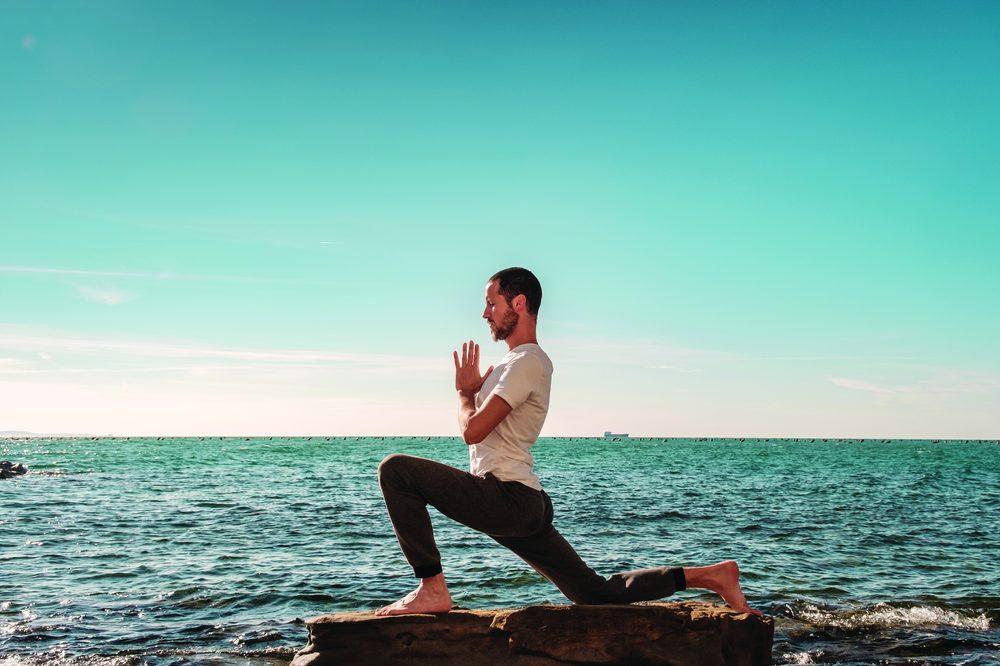
After decades working in fitness and movement, particularly through Pilates, I have come to understand that the body is an extraordinary teacher. It tells us things long before we are ready to put them into words. We hold our breath when we are anxious. We brace when we feel threatened. We soften when we feel safe. We develop patterns of tension, posture and movement that can become so familiar that we no longer notice them.
The same can happen emotionally. We learn to swallow what we want to say and override discomfort. We learn to perform competence, composure and strength even when something within us is asking for attention.
What if possibility exists beyond the limitations, expectations and judgement we have placed
Sometimes strength is the courage to inhabit your body differently. To stop overriding the quiet information your body has been offering you.
We often speak about a comfort zone as though it is comfortable. But there is an uncomfortable comfort zone — a place where we may not be happy, fulfilled or even particularly well, but where everything is known. And sometimes, we prefer the discomfort of the known to the possibility, risk and fear of the unknown.
But what if possibility exists beyond the limitations, expectations and perceived judgement we have placed around ourselves?
The space to choose
There is a beautiful concept in Indian philosophical traditions of the witness — the awareness that can observe our thoughts, emotions and experiences without being completely defined by them.
There is a difference between saying: I am afraid. And: I am experiencing fear.
The first can become an identity. The second creates space. And within that space lies choice. This is where mindfulness becomes something more profound than a wellness practice. It becomes a way of seeing.
When we are able to observe rather than immediately react, something changes. We begin to see not every thought deserves our allegiance, and not every fear is a warning and not every expectation is ours. And perhaps not every part of the person we have become needs to come with us into the next chapter.
Perhaps possibility begins with a question: What would I choose if I were not afraid of being judged? Or, what might my body be trying to tell me? Or, what happens when I stop forcing an answer and become quiet enough to listen?
These questions invite a different quality of attention. And perhaps that is the real gift of mindfulness. Not simply being present for the moment, but becoming present to ourselves.
IDENTITY & CHOICE
Ahamkara (The Ego-Maker)
In Indian philosophical tradition, ahamkara is a psychological concept that arises repeatedly. It literally translates to the “I-maker”. Ahamkara’s role is to attach personal ownership to neutral experiences. It turns “fear is present” into “I am a fearful person”. Being aware of ahamkara helps us differentiate our core identity from the roles we play.
Maya (Illusion vs Essential Truth)
Indian philosophy calls the passing nature of the world and our roles within it maya. This posits that work, expectations and self-image, while powerful in their ability to feel absolute, do not define our core self (satya). This realisation can be freeing by allowing us to let go of stories that no longer serve us.