We live in an era of hyper-accessible retail. Wealth desires immediate outcomes. A predictable cycle of transactions drives the global luxury engine: place your order, join a waitlist, secure the coveted asset and convert disposable income into a globally recognised badge.
That design, especially in fashion accessories, is increasingly financialised is undeniable. An early example is the Hermès Birkin handbag, one of the first members of this alternative asset class. But as secondary markets fluctuate, true custodians replace speculators.
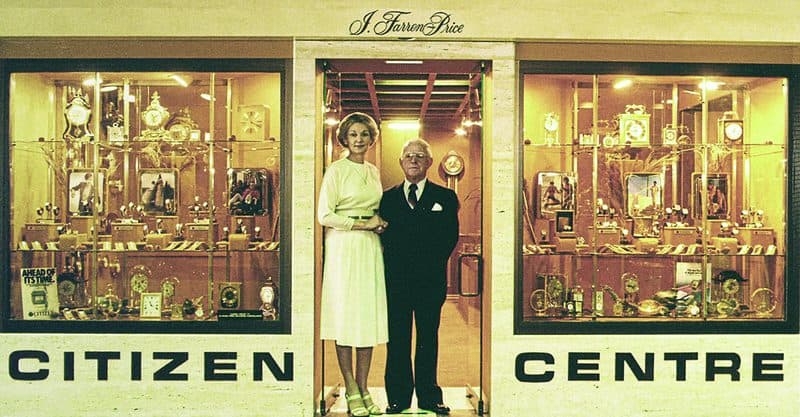
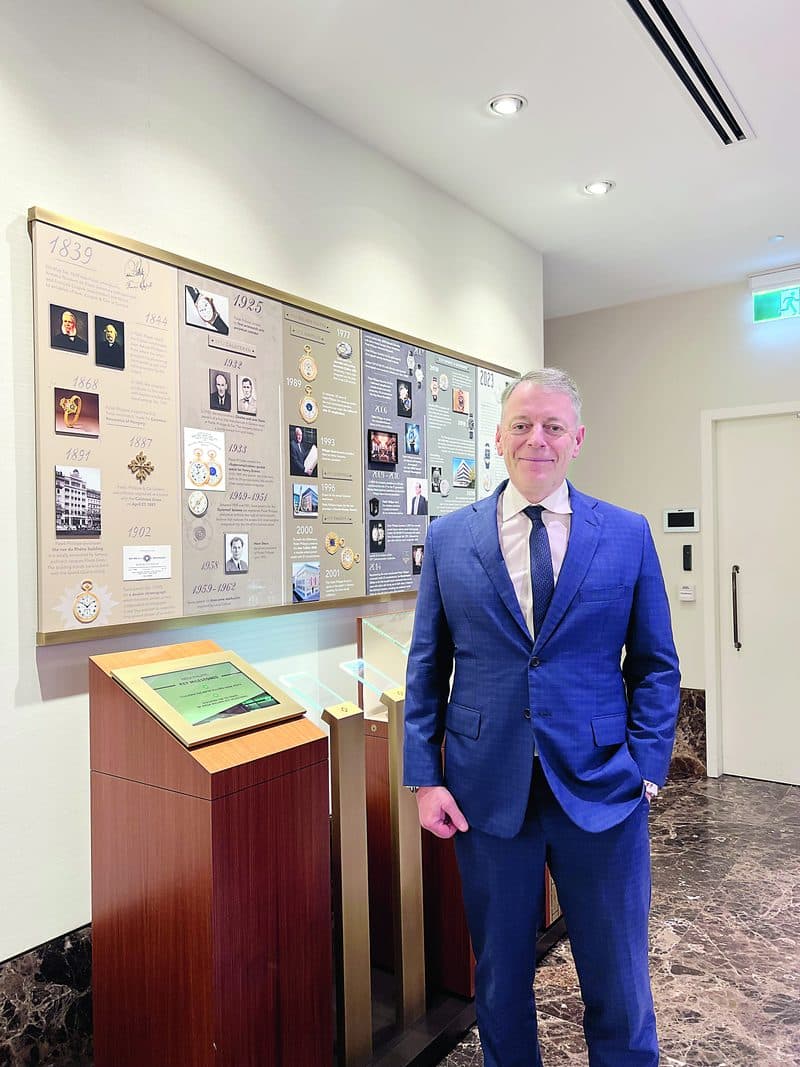
For Julian Farren-Price, a dollar tag is an inadequate marker of luxury. Representing prestigious Swiss houses — such as Rolex, Tudor, Longines and Patek Philippe — for decades, J Farren-Price also manufactures its own timepieces. As managing director of this Sydney legacy maker of bespoke jewellery, Farren-Price views the luxury ecosystem through the lens of value as opposed to cost.
Not an investment index
“We never promote things as an investment,” says Farren-Price from behind his boutique desk at 80 Castlereagh Street in Sydney, the company’s single-location boutique. “All our products across categories are examples of incredible craftsmanship, technically wonderful products that you buy because you revere excellence. If they end up appreciating in value, that’s a bonus. But you purchase these because you appreciate the thought and design. Then you won’t be disappointed, whether the price goes up or down.”
This perspective speaks to the difference between acquiring an object and understanding its place in history.
Geology and rarity
The Australian pink diamond offers a clear example of value divorced from cost. Formed over 1.6 billion years ago, these stones are geological anomalies or rather, wondrous flukes of nature. While yellow or blue diamonds derive their hue from impurities like nitrogen or boron, a pink diamond gets its colour from tectonic pressure distorting its crystal lattice.
The Argyle mine in Western Australia was the world’s only consistent source of pink diamonds. When it closed permanently in 2020, pink diamonds became an even greater rarity. Over the mine’s lifespan, less than one per cent of output was pink. “If you took the entire lifetime production of the Argyle mine and put it in the back of a truck, the pink diamonds would fit inside a matchbox,” Farren-Price remarks.
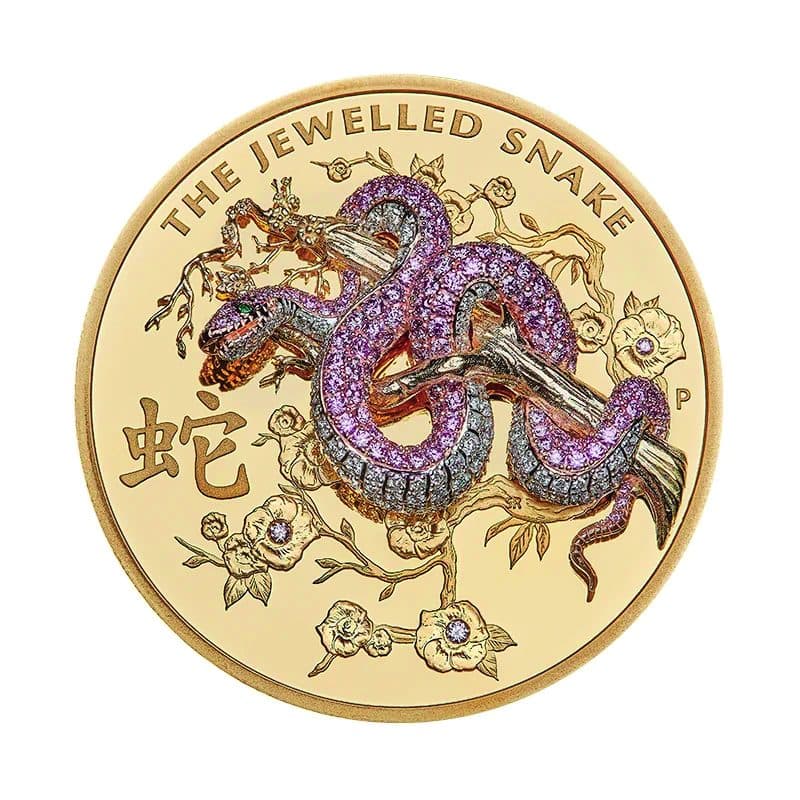
Farren-Price invested substantially in the final mined lots, including the Kimberley Red. Reducing such an acquisition to portfolio hedging misses the point of true luxury. A one-carat Argyle pink holds a slice of our planet’s finite history. Another run cannot be commissioned. Owning one thus moves from conspicuous consumption to custodianship of an artefact.
The hands of time
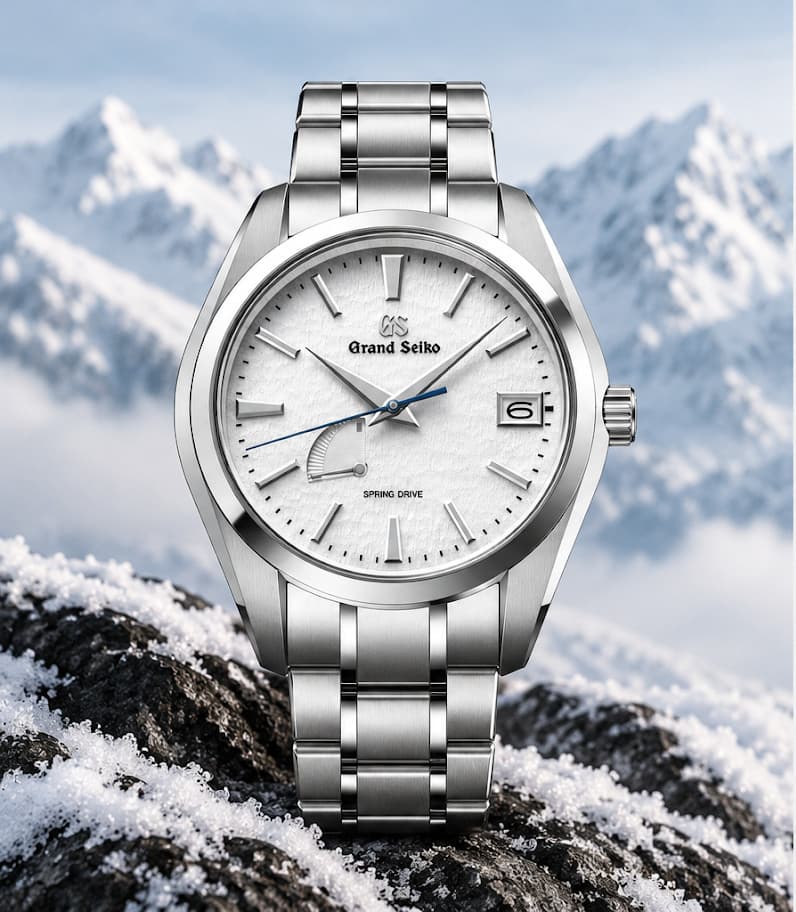
The same philosophy applies to high horology. To the uninitiated, the price of a Grand Complication watch seems absurd. But as Farren-Price explains, “When you take clients into working ateliers of Swiss houses and Japanese workshops, true luxury reveals itself behind the boutique curtain.”
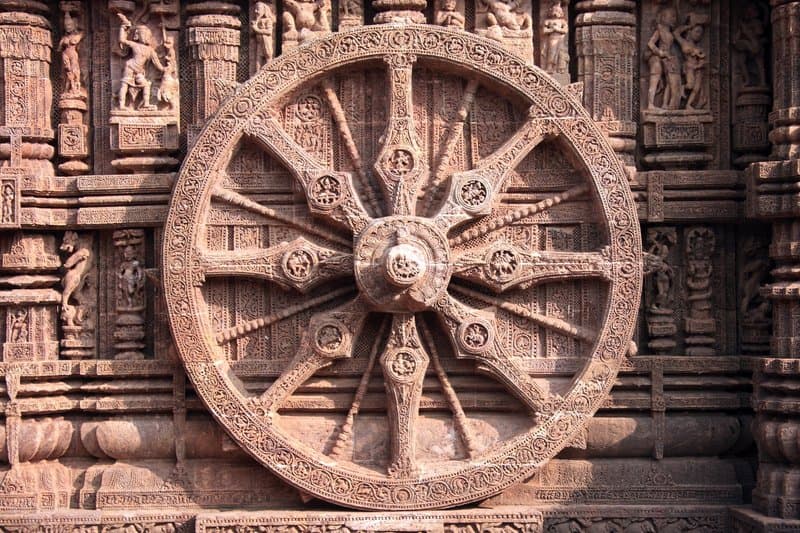
On a manufacturing tour, customers see craftsmanship in a single steel wheel requiring 40 to 60 manual operations to cut, tooth and hand-polish. Nobody leaves thinking these objects are overpriced once they witness the sheer human dedication involved.
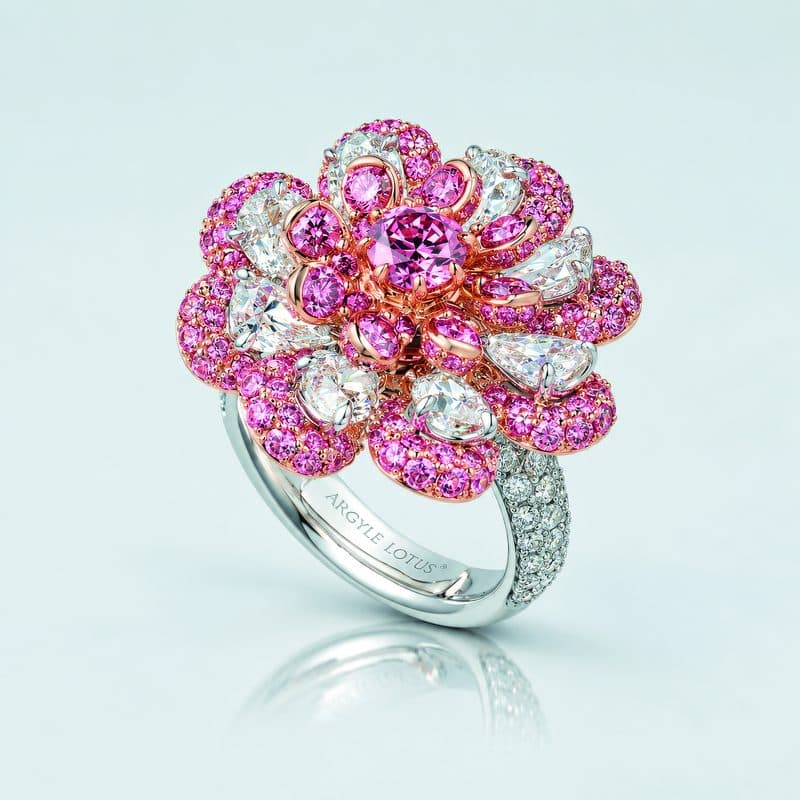
Luxury lies in meaning, whether it’s a million-dollar Patek Philippe or grandfather’s battered HMT. J Farren-Price’s iconic Argyle Lotus diamond ring, designed with pink, blue and white diamonds, all from Argyle, may be yet another status symbol to some. But price is simply what we pay; value lies in the enduring respect for what cannot be remade.