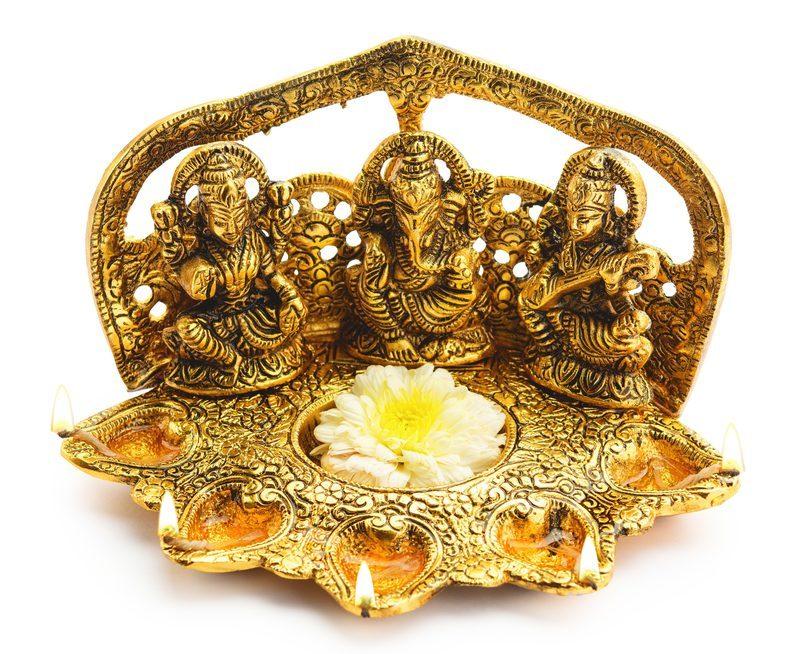
Diyas. Patakas. Mithai. These are the essential elements that every Indian knows adds up to Diwali, the festival of lights. And yet, Diwali is an unexpectedly diverse festival when it comes to the deities that are worshipped across the country. While the lights are ubiquitous, scriptures and local custom come together to create a tapestry of gods who seem equally enthusiastic when it comes to accepting the offerings, be it motichoor laddu or shankarpali.
Awadh and the Northern Belt
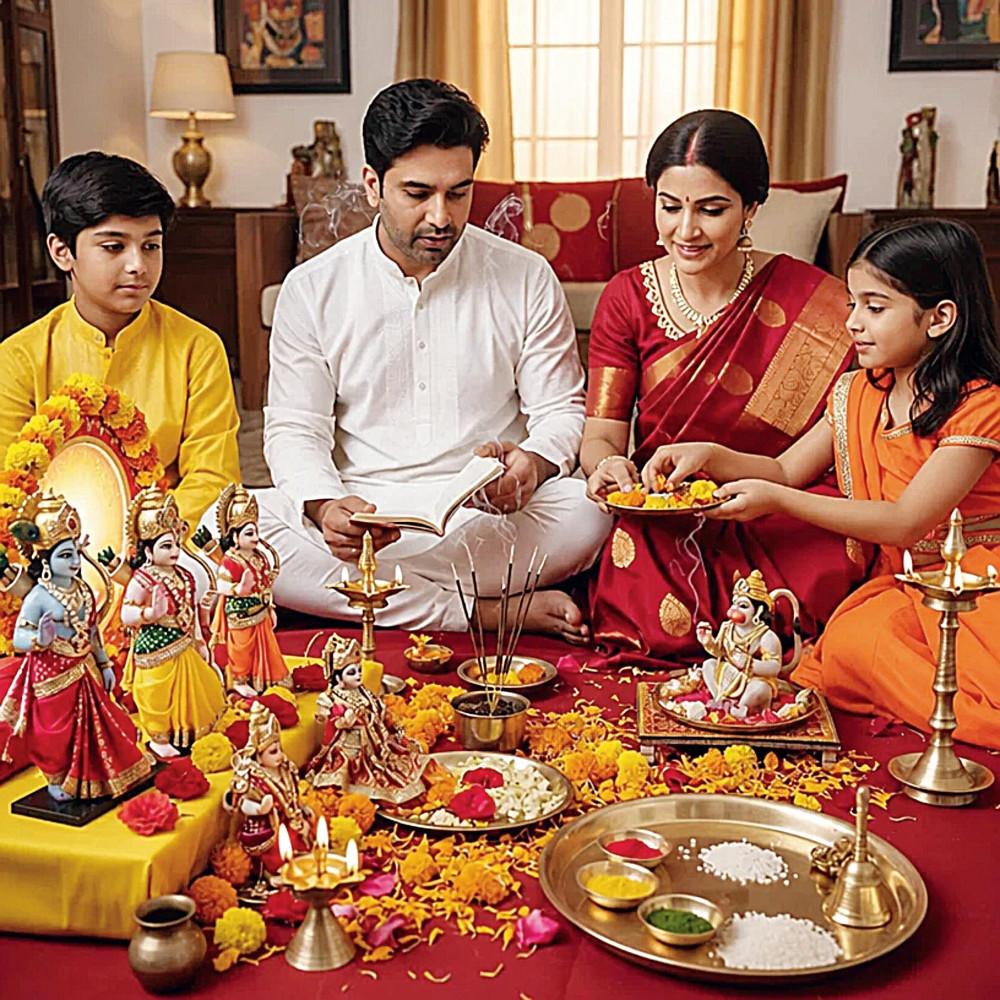
Ayodhya’s Diwali revolves around Lord Ram, Sita, Lakshman and Hanuman. This draws primarily from epic folklore and Tulsidas’s Ramcharitmanas and extends across the broader northern plains. Household rituals pay obeisance to Lakshmi and Ganesha while public illumination involves lighting thousands of terracotta lamps along riverbanks to recreate the original Deepotsav that welcomed the king home after 14 years of exile.
North and Central India
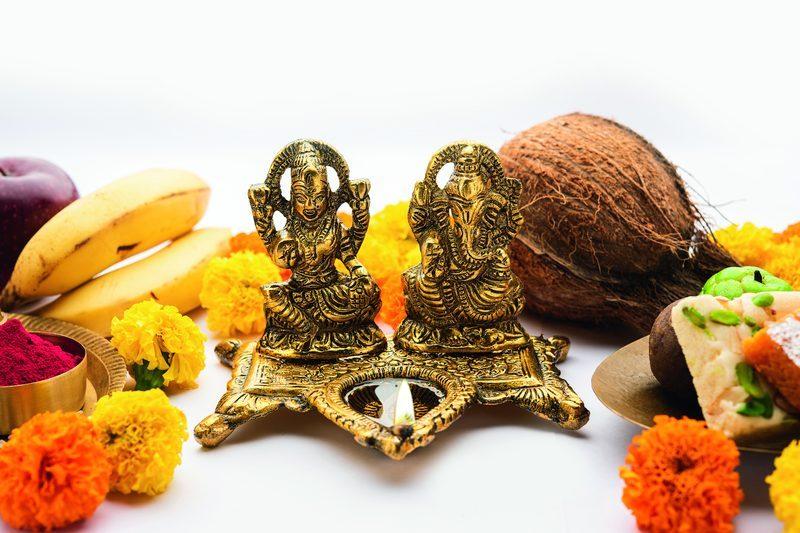
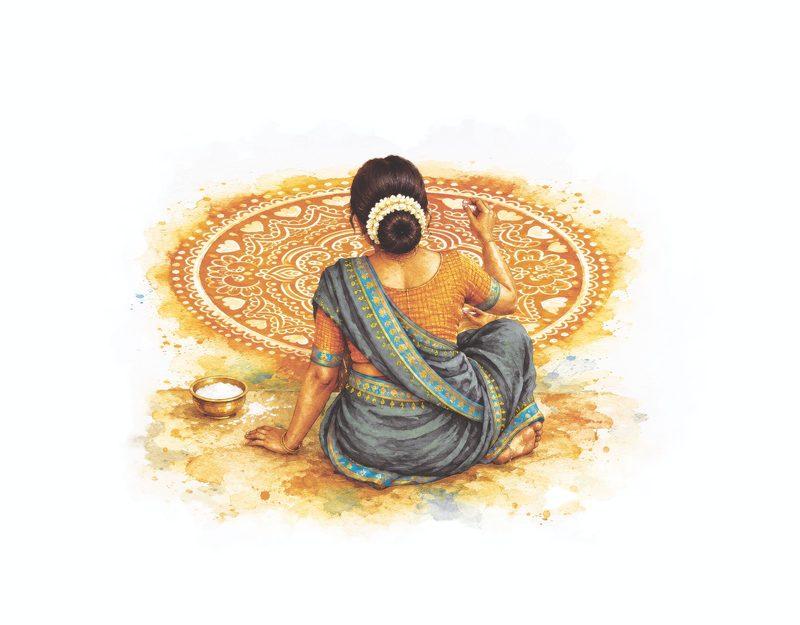
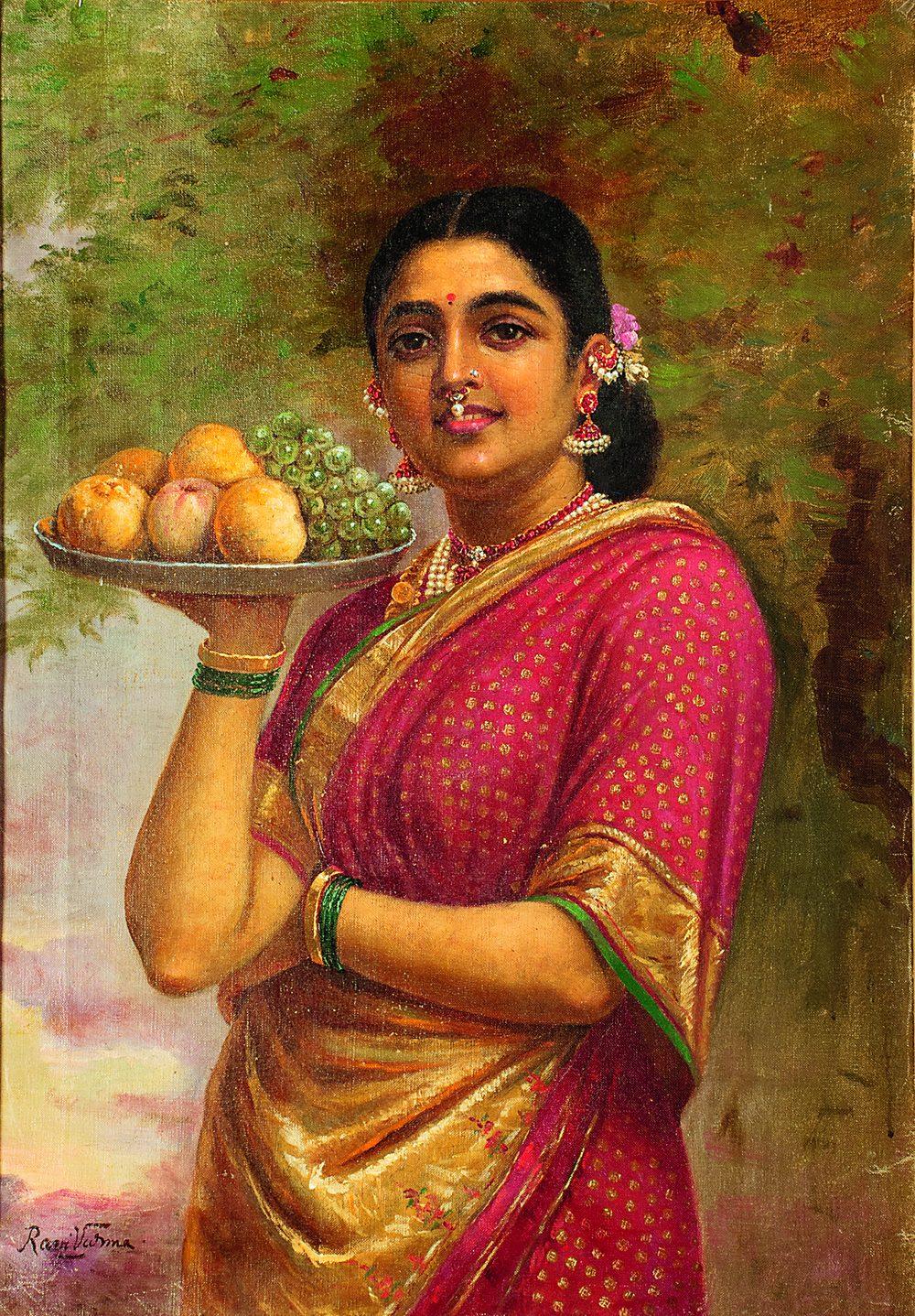
Across North and Central India, the evening of amavasya – or the new moon — means Laxmi Pujan. This is a ritual that adheres to quite precise scriptural direction outlined in the Skanda Purana and Padma Purana. Homes are scrubbed clean, brightened with brass oil lamps and decorated with colourful rangoli to usher in prosperity. Goddess Lakshmi and Lord Ganesha are offered silver coins, fresh lotus blooms and kheer. It is also a very important festival for business families who hold a Chopda Pujan — a ceremony to consecrate new ledgers for the year.
West Bengal and the East
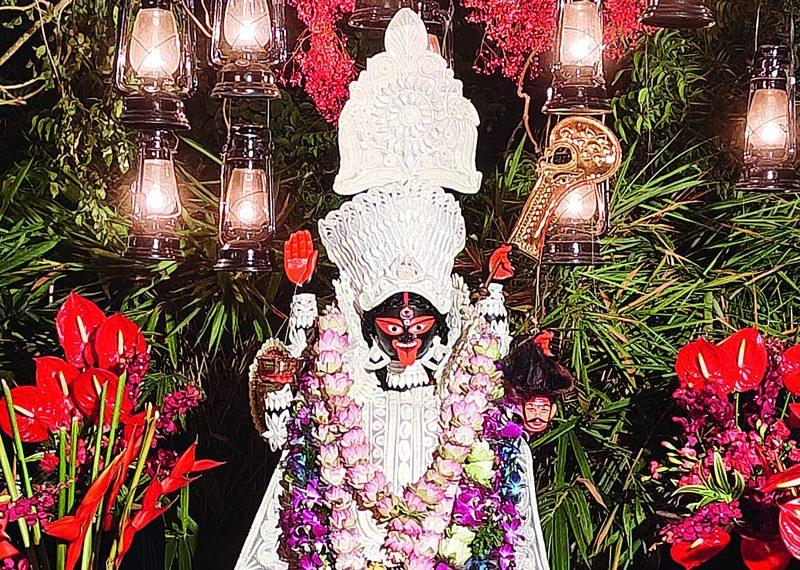
While the rest of India focuses on inviting material prosperity, in stark contrast the eastern states of West Bengal, Odisha and Assam observe Shyama Puja at midnight on amavasya. Dedicated to Goddess Kali, this is a practice with roots in Tantric texts and elevated by 18th-century royal patronage. Devotees observe strict fasts and night-time rituals including mandatory offerings of hibiscus flowers and rice to the fierce form of the Divine Mother. Households also light 14 oil lamps on the eve of the festival to honour ancestral spirits.
Southern India
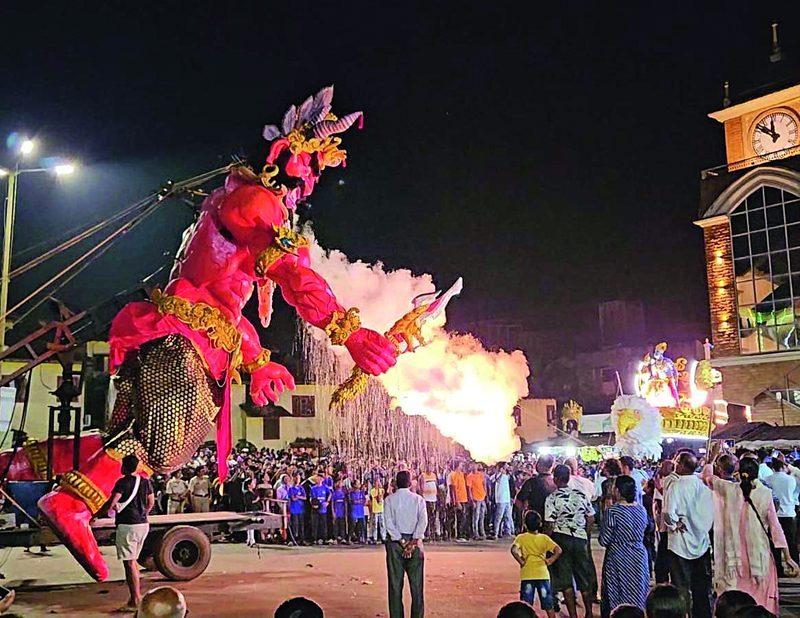
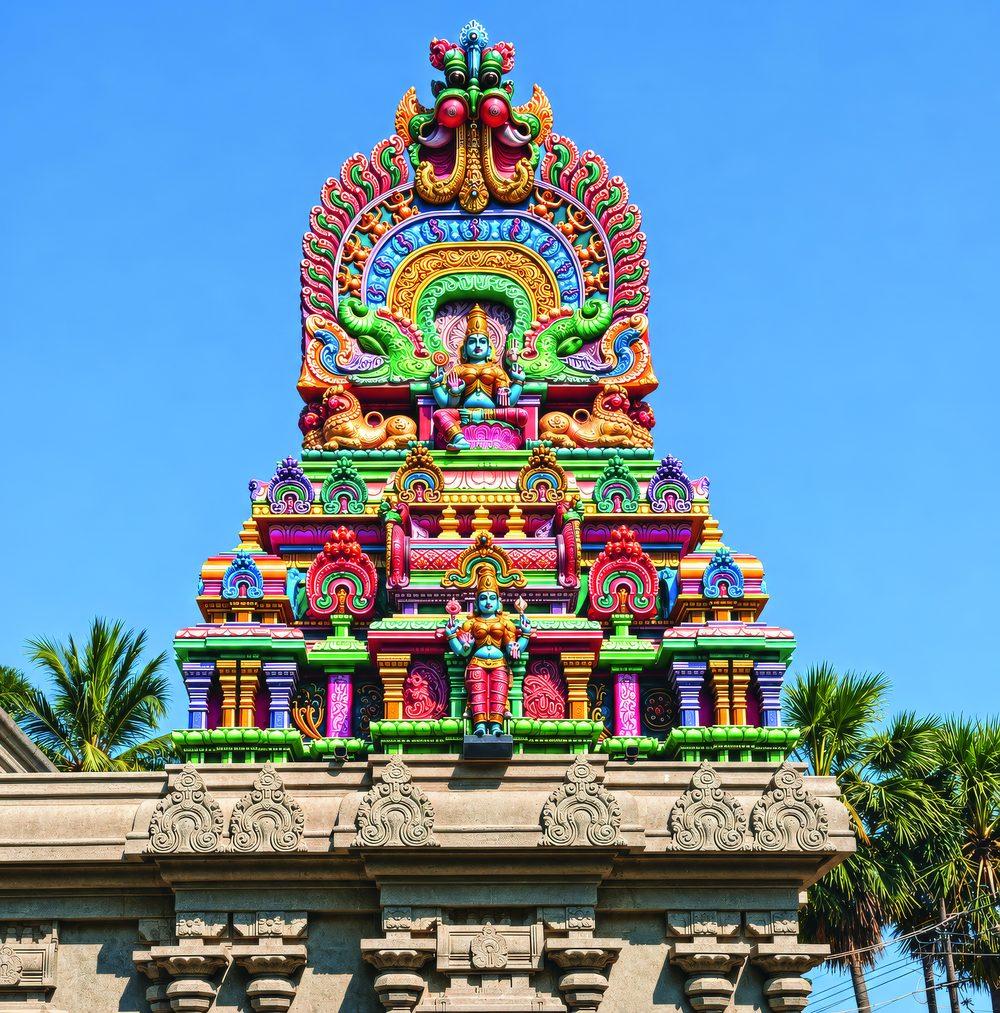
Across Southern India, Deepavali is observed at a different point in the lunar cycle. Brahma muhurta (pre-dawn) on Naraka chaturdashi is when Lord Krishna and his consort Satyabhama are honoured for their victory over the demon Narakasura. This is as per the Bhagavata Purana. The abhyanga snan, an oil bath with warm water and herbal paste for spiritual purification, starts well before sunrise. New clothes and morning fireworks herald a day of festive feasting.
Western Coastal Belts
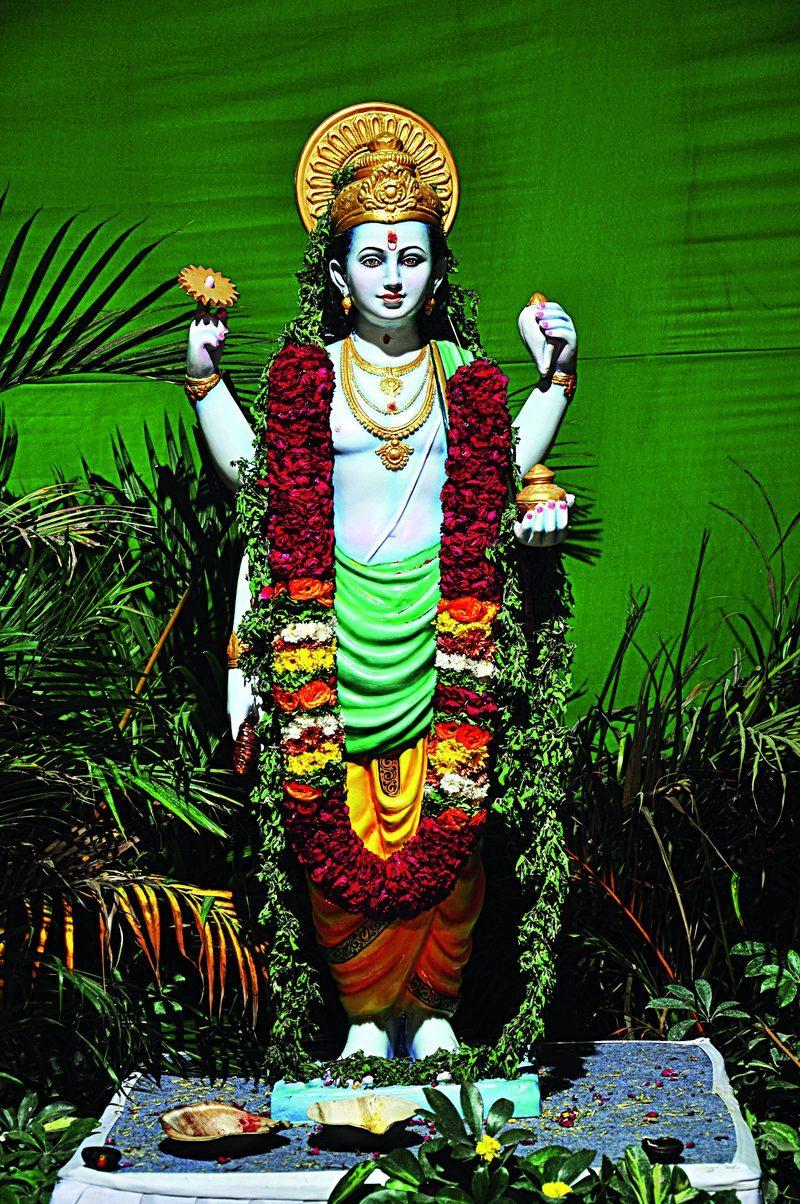
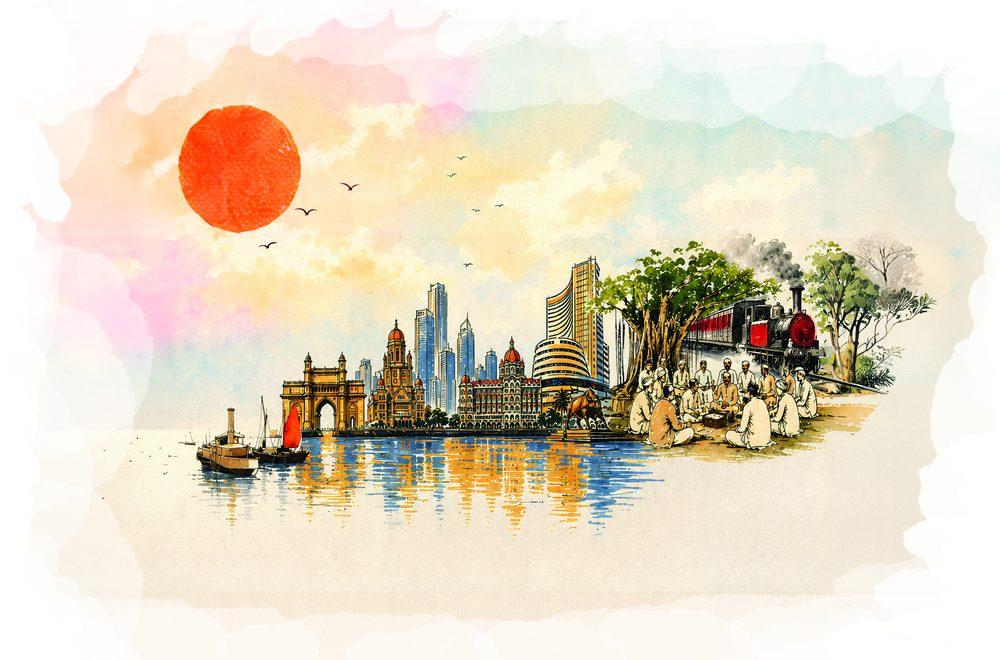
Along the western coast and through Gujarat, the focus shifts toward Goddess Saraswati and Lord Dhanvantari. This begins on Dhanteras with prayers to the physician god who emerged during the cosmic ocean’s churning as mentioned in Ayurveda texts. On Diwali, Saraswati is also honoured so that merchants who write Shubh Labh in sacred vermilion on fresh account books do not forget that financial wealth is incomplete without wisdom and physical well-being.
Tribal and Indigenous Communities
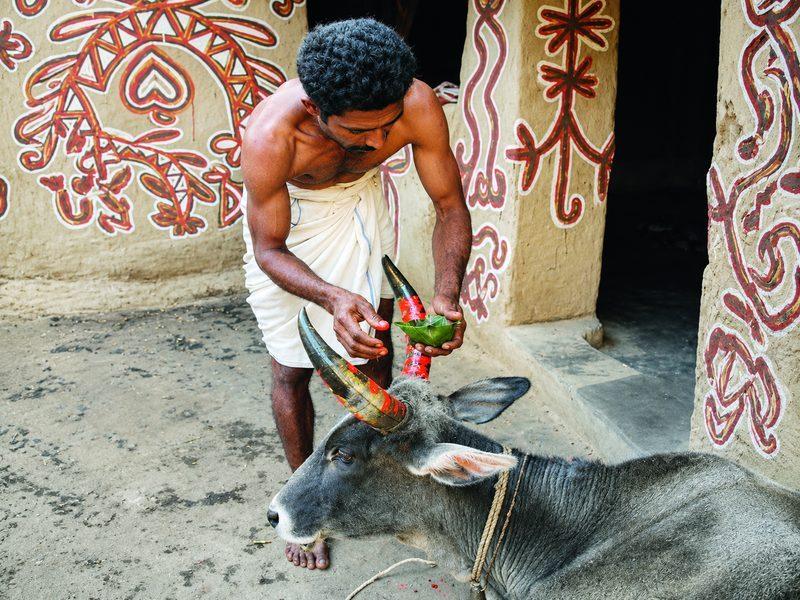
Indigenous and tribal communities across India celebrate distinct deities during Diwali, even though their worship practices live outside classical textual traditions. The Santhal, Oraon and Munda peoples of Jharkhand and Odisha observe Sohrai or Bandna. These rituals venerate nature spirits (bongas), ancestral guardians and livestock as living deities.
The Universe of Light
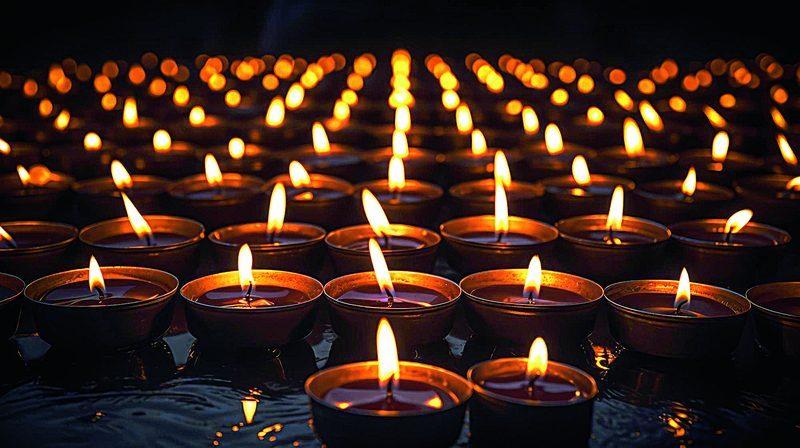
These regional customs reflect a varied spectrum of local lore and scriptural traditions. Interestingly, though, they are united by the central importance of the diya. Across every region, from royal courts to forest hamlets, all rituals include the act of igniting a flame on the darkest night of the lunar month (Kartik amavasya). Whether one prays to Ram, Kali, Krishna, Lakshmi, nature spirits, or even to none of these, the underlying emotion remains the triumph of awareness over ignorance — across India and across Indian hearts.